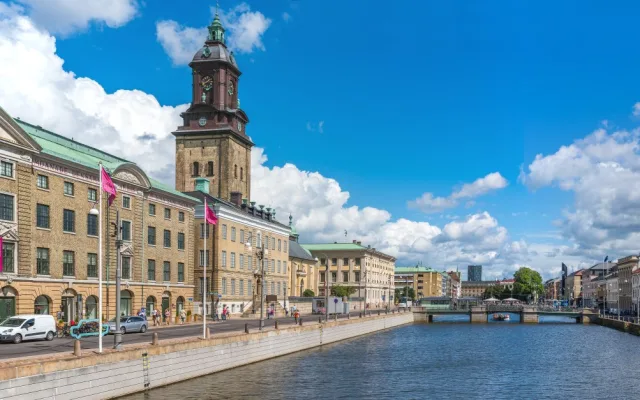
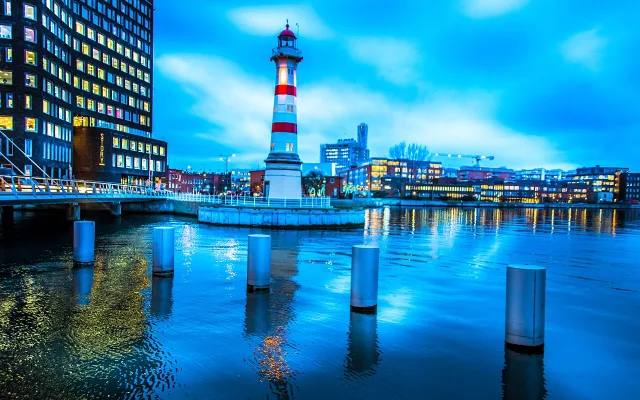
Description
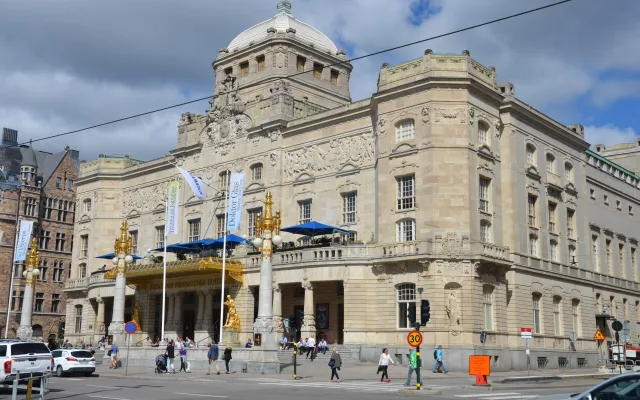
The Venice of the North — Gamla Stan, the Vasa Museum, Skansen, and the islands of the Stockholm Archipelago.
Wiki
The capital of Sweden and one of Europe's most scenic cities — around 1 million people in the city proper and 2.5 million in the greater metropolitan area. The "Venice of the North" is built across 14 islands connected by 57 bridges; 30% of its area is water and 30% is parkland. It is the main gateway to the Stockholm Archipelago (30,000 islands in the Baltic Sea).
Main sights
- Gamla Stan (Old Town) — the medieval heart of the city on Stadsholmen island, with narrow streets dating from the 13th–15th centuries.
- Stockholm Royal Palace (Kungliga Slottet) — the working official palace of the Swedish monarch (the royal family lives at Drottningholm), with 600+ rooms. Changing of the Guard at 12:15.
- Drottningholm Palace — the actual residence of the royal family, a UNESCO World Heritage Site 11 km from the city centre.
- Stockholm Cathedral (Storkyrkan) — the principal cathedral, dating from the 13th century, home to the statue of Saint George and the Dragon (1489).
- Vasa Museum (Vasamuseet) — the city's standout museum, housing the only surviving 17th-century warship: the 64-gun Vasa sank 20 minutes after launch in 1628 and was raised from the seabed in 1961.
- ABBA The Museum — the main attraction dedicated to the iconic 1970s pop group, located on Djurgården.
- Skansen — the world's oldest open-air museum (founded 1891), featuring traditional Swedish farmsteads and a small zoo.
- Djurgården — the main museum island, home to the Vasa Museum, ABBA The Museum, Skansen, Junibacken (Astrid Lindgren), and the Nordiska Museet.
- City Hall (Stadshuset) — the principal municipal building (1923), where the Nobel Prize banquet is held every 10 December.
- Stockholm Metro (Tunnelbana) — billed as "the world's longest art gallery": 90 of its 100 stations feature commissioned artwork.
- Södermalm — the city's main bohemian neighbourhood.
- Stockholm Archipelago — 30,000 islands and skerries. Vaxholm is 1 hour by ferry; Sandhamn is 3 hours.
- Uppsala — Scandinavia's oldest university city, 1 hour away.
Food and prices
Swedish cuisine centres on köttbullar (Swedish meatballs — the real thing, not the IKEA version), gravad lax, smörgåsbord, surströmming (fermented herring — for the adventurous), princess cake, and kanelbulle (cinnamon buns). Lunch at a café runs 210–290 SEK (about $22–$30); dinner at a restaurant 415–830 SEK ($44–$88). A fika coffee is 33–41 SEK ($3–$4). A litre of petrol is around 15 SEK ($1.60); an SL metro/bus ticket is 33 SEK ($3.50) for 75 minutes; a taxi ride costs 250–500 SEK ($26–$53). Prices are as of 2026.
Getting around
Stockholm Arlanda Airport (ARN) is 40 km from the city and served by SAS, Norwegian, and Lufthansa, among others. The Arlanda Express train takes 18 minutes and costs around 250 SEK ($26); the Flygbussarna airport bus costs around 110 SEK ($12). Within the city, the Tunnelbana (metro, 100 stations, a sight in its own right), suburban commuter trains (Pendeltåg), and archipelago ferries all form part of the SL network. From Helsinki, the Silja Line and Viking Line ferries cross the Baltic in 16 hours; fares range from roughly 415–1,245 SEK ($44–$131).
When to go
May to September brings temperatures of 12–22°C and, in June, near-white nights (sunset around 22:30, sunrise around 03:00). December is the month of Lucia (13 December, one of Sweden's most important celebrations) and the Nobel banquet (10 December). Winter (December–March) is cold (0 to −10°C) and dark (daylight roughly 09:00–15:00), but Stockholm under snow is beautiful. Midsummer, the Saturday falling between 20 and 26 June, is Sweden's main summer festival.