Description
The ancient canal city of the Yangtze delta — UNESCO classical gardens, silk, embroidery and the water towns around it.
Wiki
Suzhou stands on water in the Yangtze delta and lives up to its reputation as the most refined city in China: gardens, canals, silk and embroidery. Twenty-five minutes on the high-speed train from Shanghai make it the easiest way to see classical China without a long journey.
The gardens
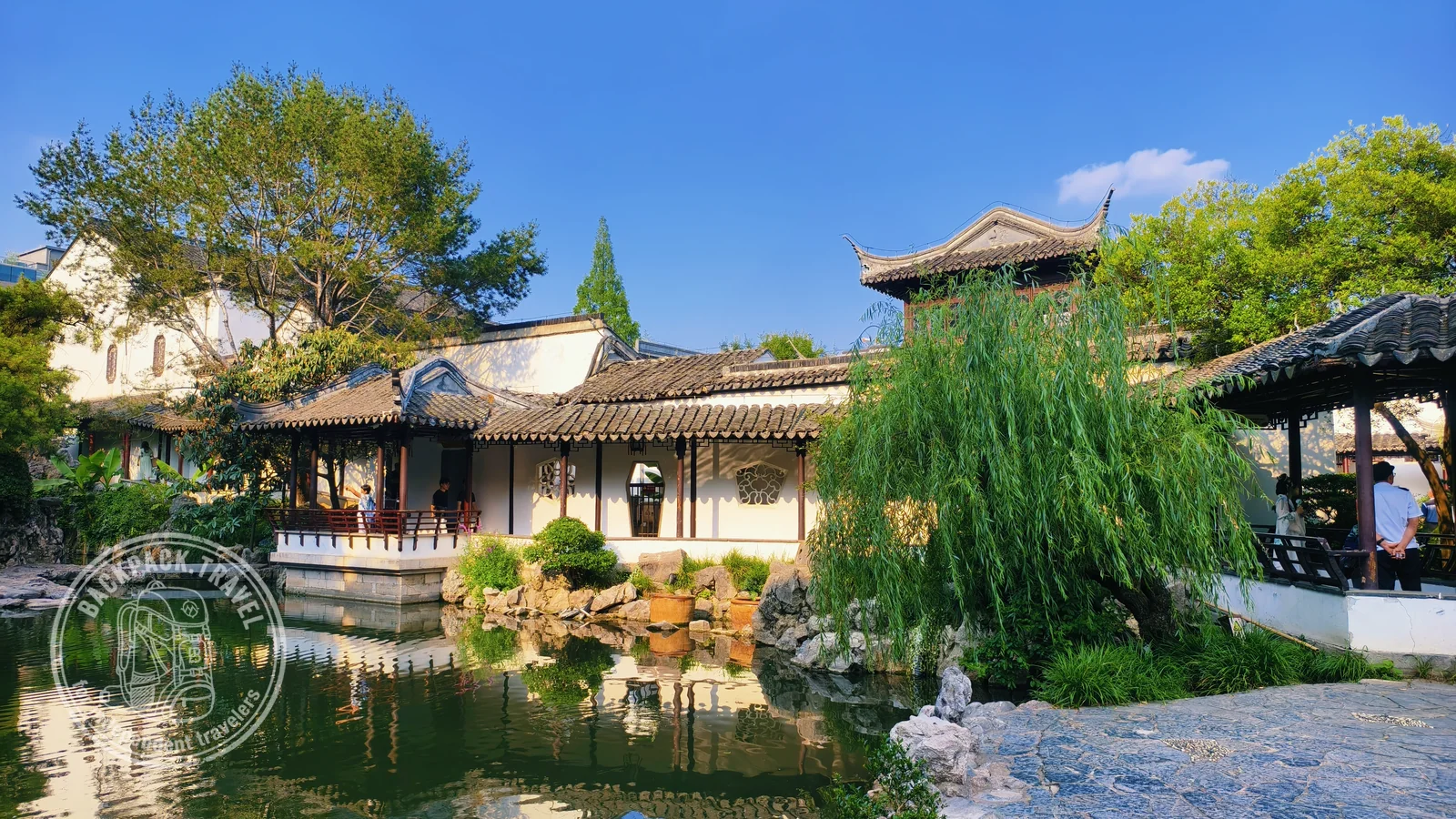
Nine of Suzhou's gardens are on the UNESCO World Heritage list. There is no need to see all nine in one visit — they are built on the same principle, and by the third they begin to blur. A sensible set is two or three:
- Zhuozheng Yuan (the Humble Administrator's Garden) — the largest and the most famous, 16th century. Water covers a third of its area; come at opening time.
- Liu Yuan (the Lingering Garden) — considered the model of composition: a sequence of galleries, windows framed as pictures, and a celebrated standing rock from Lake Tai.
- Wangshi Yuan (the Master of the Nets Garden) — the smallest and the most intimate; in season there are short evening performances of traditional music and Kunqu opera, ticketed separately.
- Shizilin (the Lion Grove) — a maze of Taihu rocks in which you genuinely can get lost; the one that works best with children.
- Canglang Ting (the Blue Wave Pavilion) — the oldest, 11th century, and the emptiest of the central gardens.
The gardens open at 7:30-8:00, and the hour before the coach groups arrive is worth any other time of day.
Canals and the old city
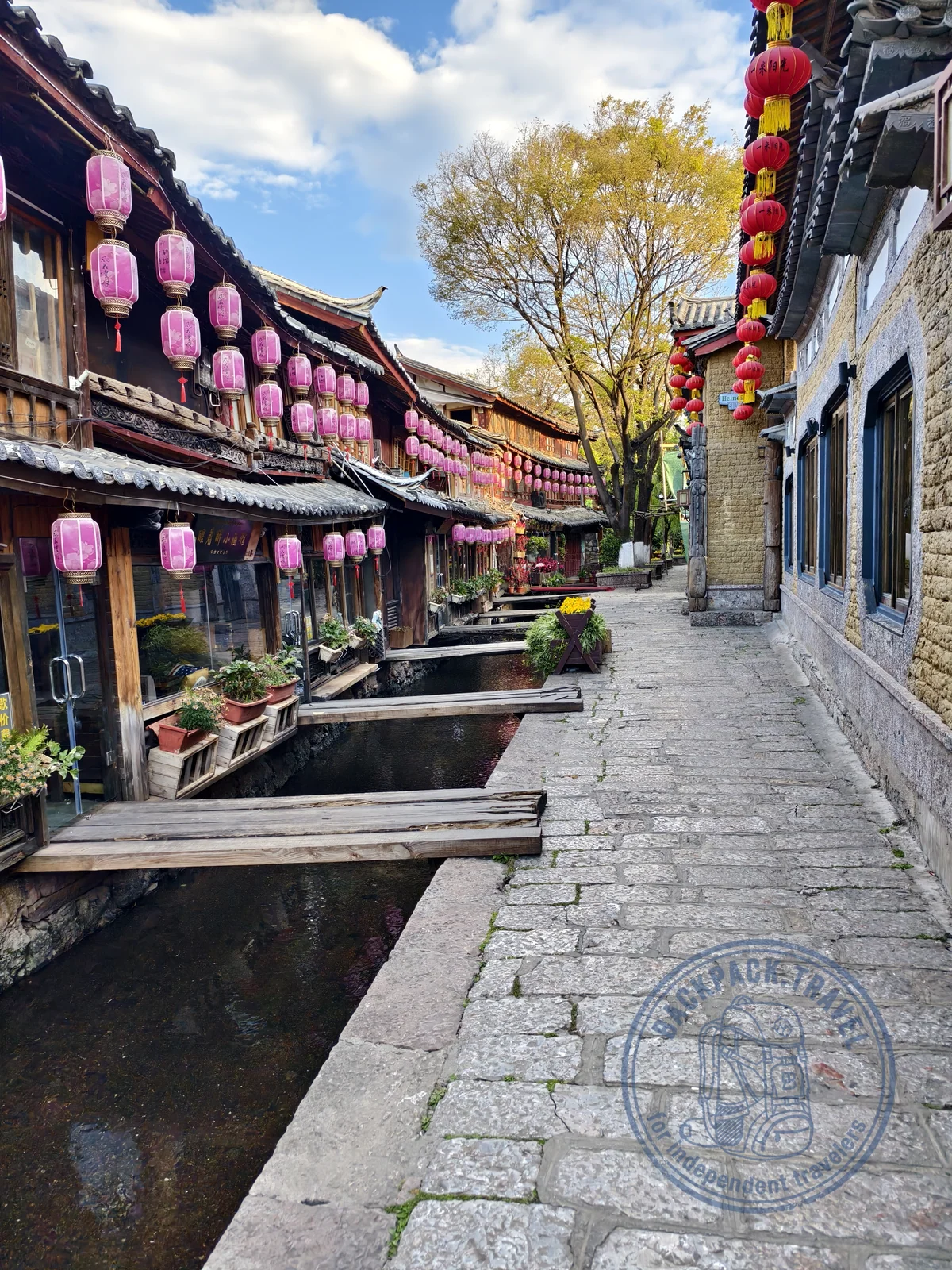
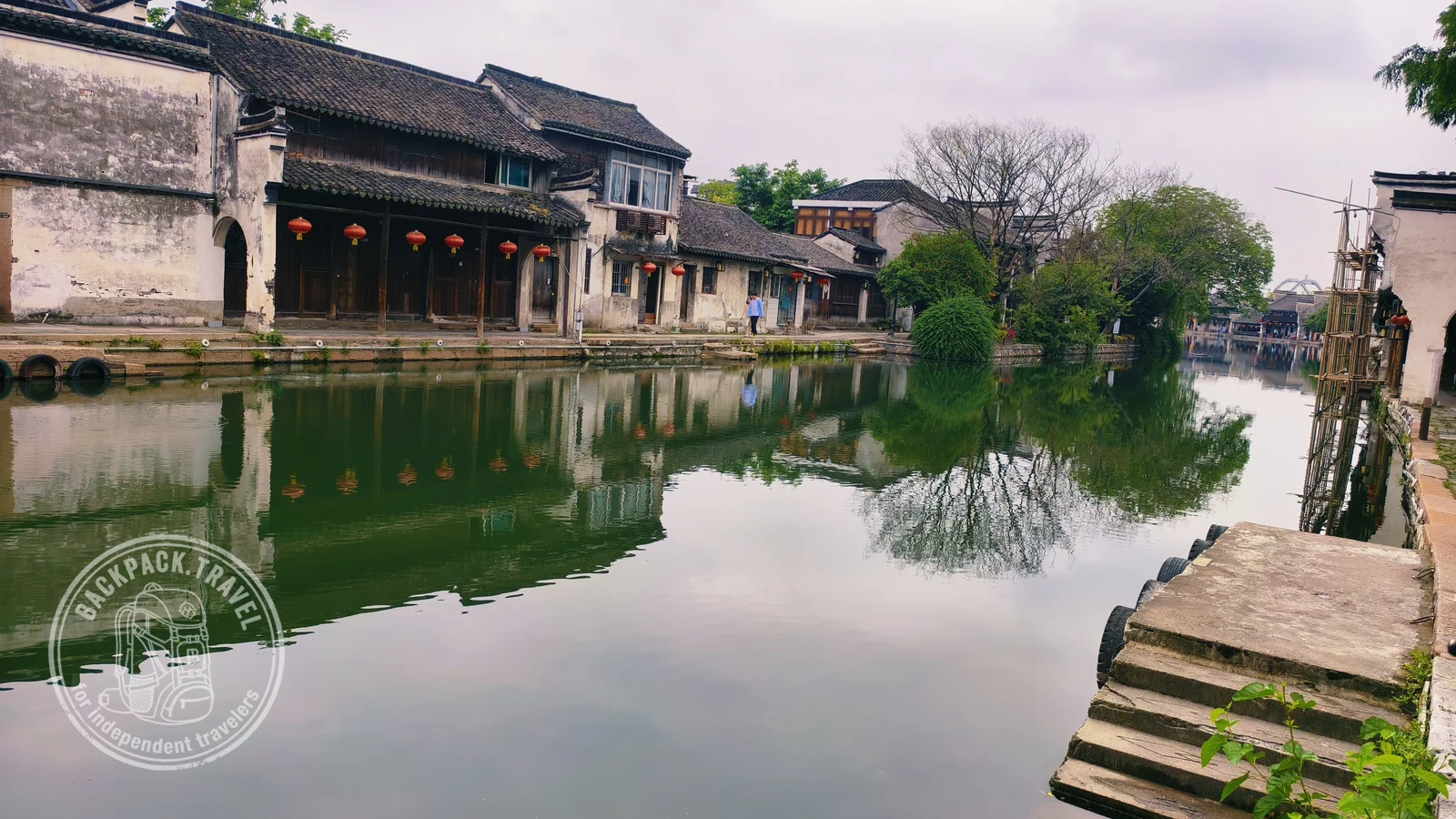
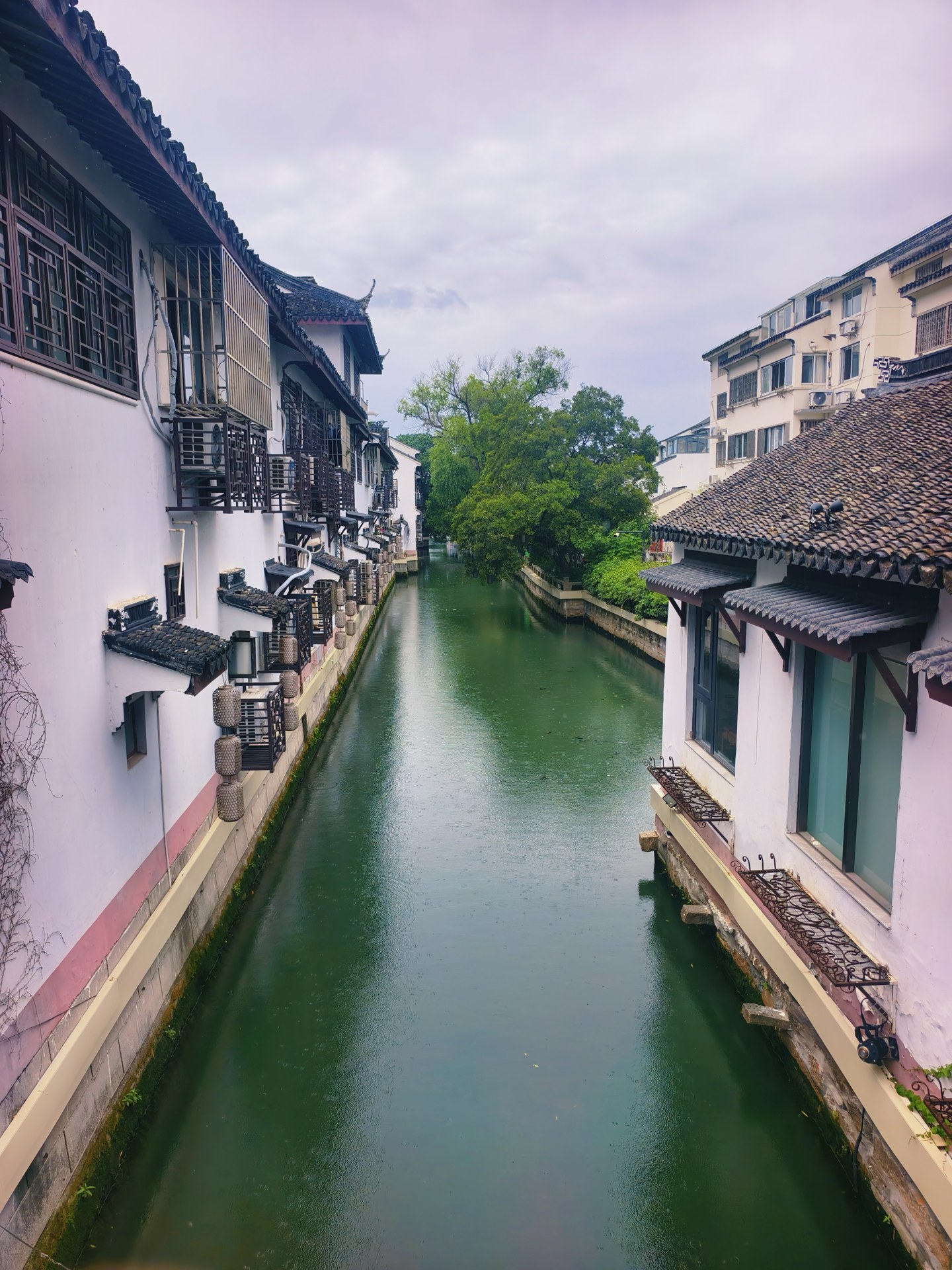
Old Suzhou is still outlined by its moat and fragments of city wall, and divided inside into quarters by canals.
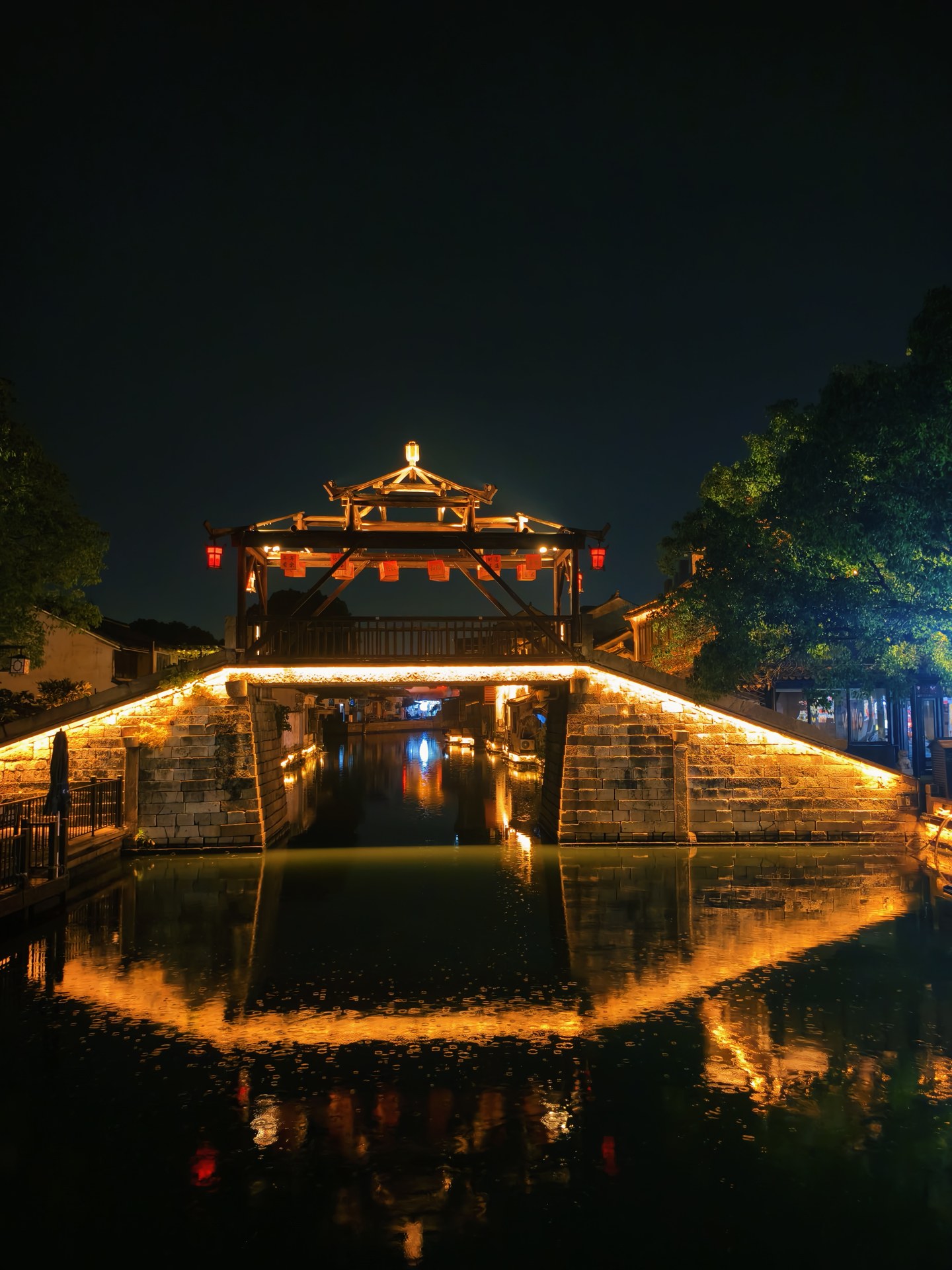
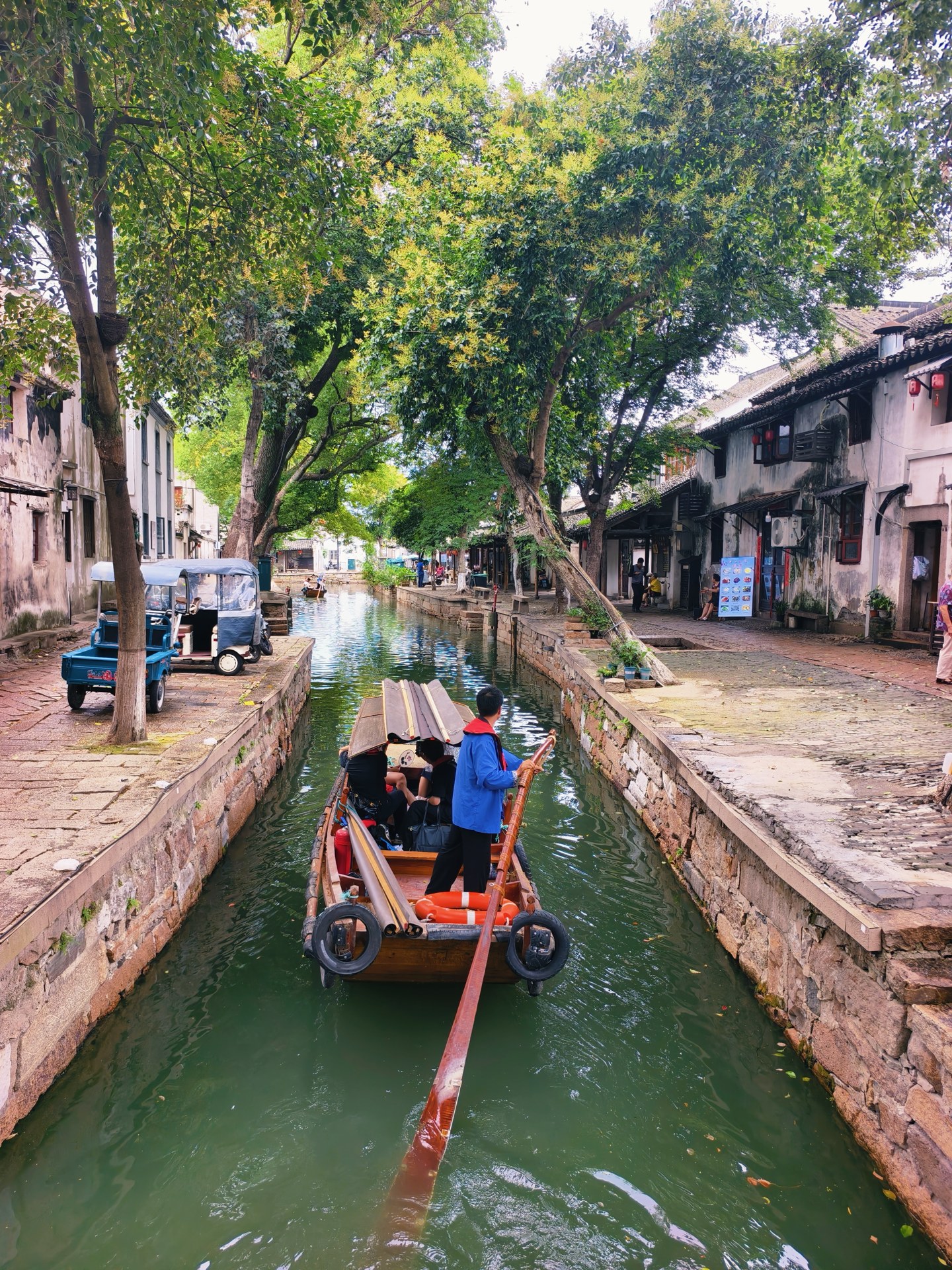
- Pingjiang Road — a surviving canal quarter of water, stone bridges, tea houses and workshops. The city's essential walk.
- Shantang Street in the west — longer and more touristed, with lanterns and boats in the evening.
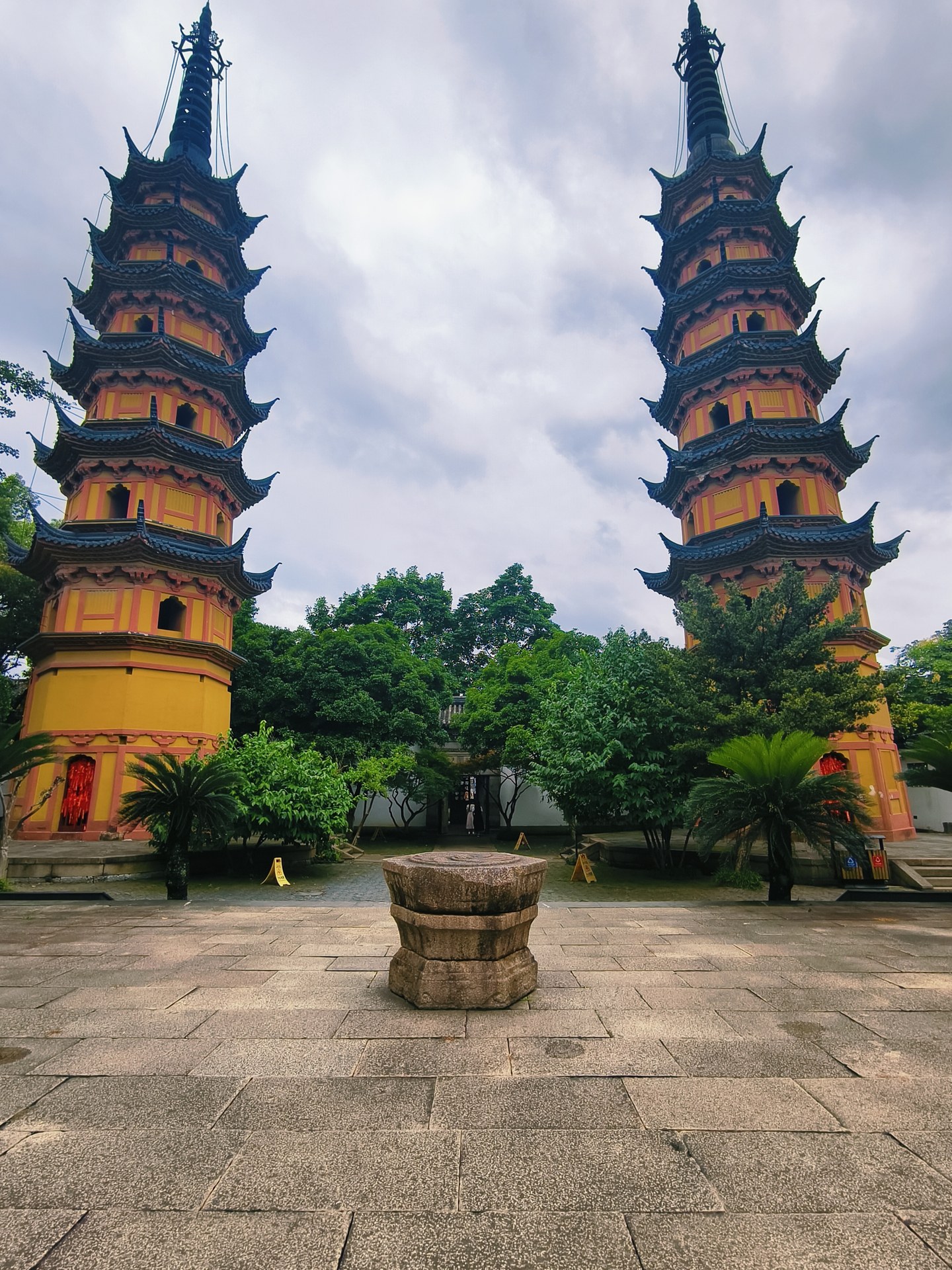
- Panmen Gate — the only surviving combined land-and-water gate in China, next to the Ruiguang pagoda and the humpbacked Wumen bridge.
- The Grand Canal passes along the edge of the city and is also UNESCO-listed; boats run on it and on the inner moat.
Museums and silk
- Suzhou Museum, built by I. M. Pei in 2006, is a rare case of a modern building standing next to a classical garden without disturbing it. Entry is free but must be booked in advance.
- The Silk Museum explains two thousand years of local sericulture, from cocoons to looms.
- Suzhou embroidery (Su embroidery) is double-sided and extremely fine; the workshops are concentrated in Zhenhu village in the west of the city, where you can watch the work close up.
Tiger Hill
Huqiu is a hill in the north-west with the 10th-century Yunyan pagoda, leaning more noticeably than you expect of China. Below are a park, stone terraces and a well tied to the legends of the tomb of King Helü of Wu. Allow an hour and a half to two hours.
The water towns around
Within an hour are several old canal settlements:
- Tongli — the most coherent and least rebuilt, with the Tuisi garden (also UNESCO);
- Zhouzhuang — the best known and the most crowded;
- Luzhi and Mudu — quieter and closer, good for half a day.
At weekends and on holidays go either early in the morning or not at all.
Food
- Songshu guiyu — "squirrel fish", scored into a fan, deep-fried and doused in sweet-and-sour sauce; the city's signature dish.
- Suzhou-style noodle soup: a clear broth, fine noodles and the topping served separately — locals eat it for breakfast.
- Biluochun — the green tea from the hills by Lake Tai, second in fame in China only to Longjing.
- Osmanthus sweets and meat-filled mooncakes, eaten hot here.
Logistics
- By train. Shanghai Hongqiao to Suzhou takes 25-30 minutes, with departures every few minutes; from Nanjing about an hour. There are two stations: Suzhou (closer to the old city) and Suzhou North (high-speed only).
- The city has no airport — arrive in Shanghai and take the train.
- The metro connects the station, the old city and Jinji Lake; taxis or buses are easier for the gardens and the water towns. Payment is through Alipay or WeChat Pay, and cash is barely used.
When to go, and for how long
Two days is enough: one for the gardens and Pingjiang, one for Tiger Hill, the museums and a single water town. The best seasons are April and May and October and November; summer is humid and close, and in winter the gardens are empty and beautiful in their own way, though many pavilions are unheated.
Common mistakes
- Trying to walk all nine gardens — by the evening of the second day they stop being distinguishable.
- Arriving at Zhuozheng Yuan in the middle of a weekend day.
- Expecting a "Chinese Venice" on a Shanghai scale: Suzhou's canals are narrow and quiet, scenery for everyday life rather than a transport artery.
- Planning Zhouzhuang and the gardens for the same day — two transfers will eat all of it.