
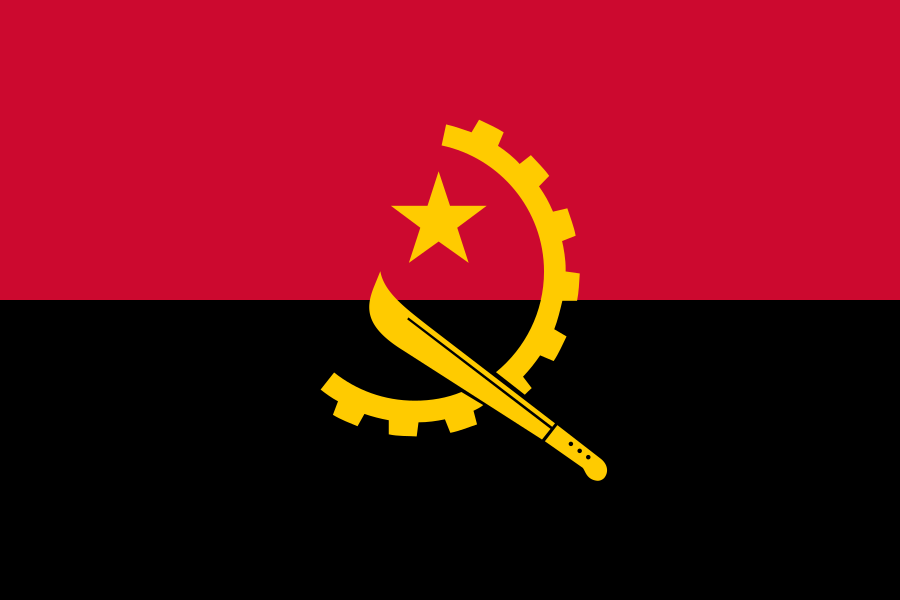
Angola
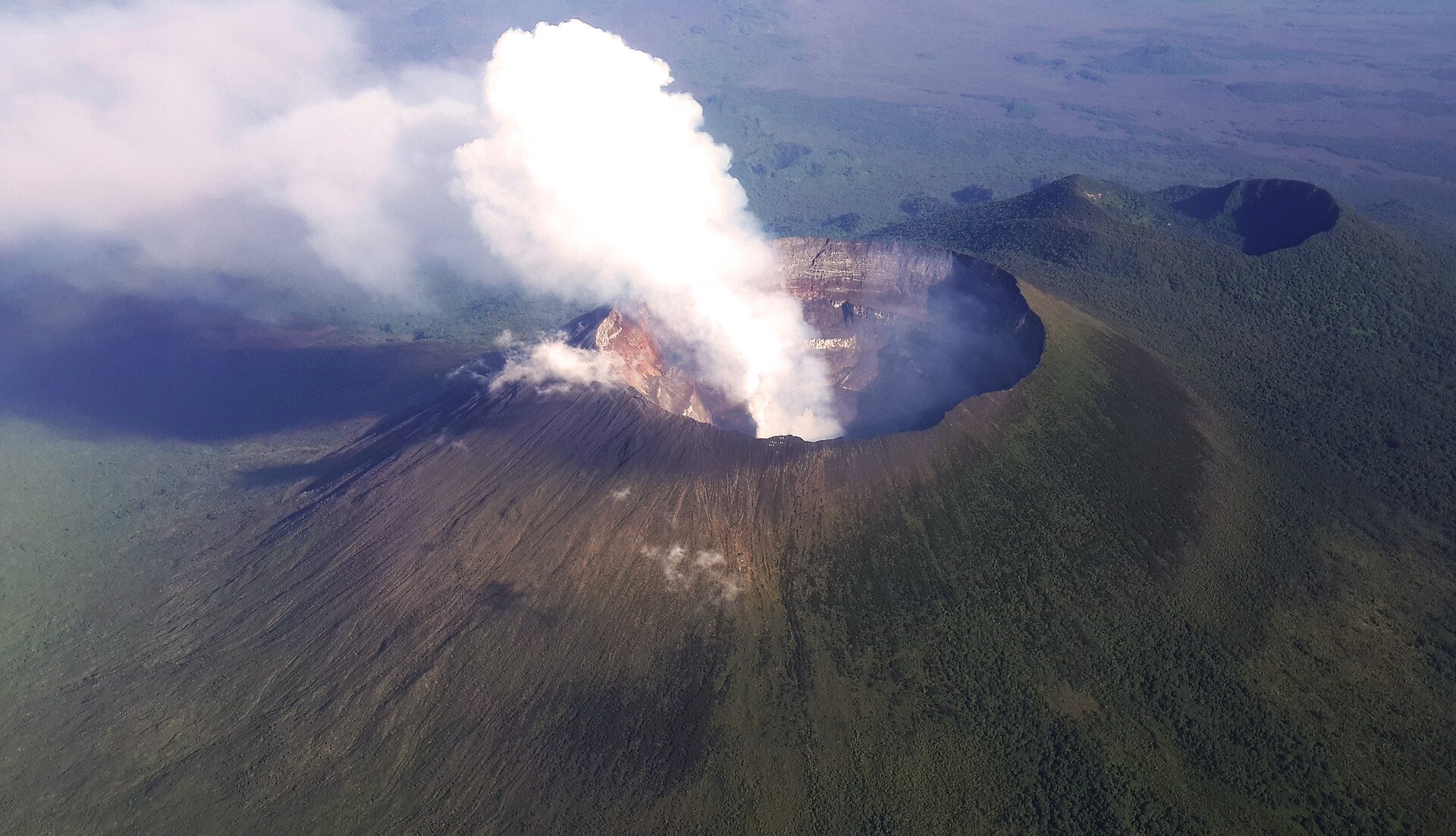
Africa's largest Portuguese-speaking country, with an extraordinary natural range — from the rainforests of Cabinda to the dunes of the Namib, from the huge Kalandula Falls to wild Atlantic beaches. After decades of civil war, Angola is booming on oil money. Luanda ranks among the most expensive capital cities in the world.
Where to go
#Luanda
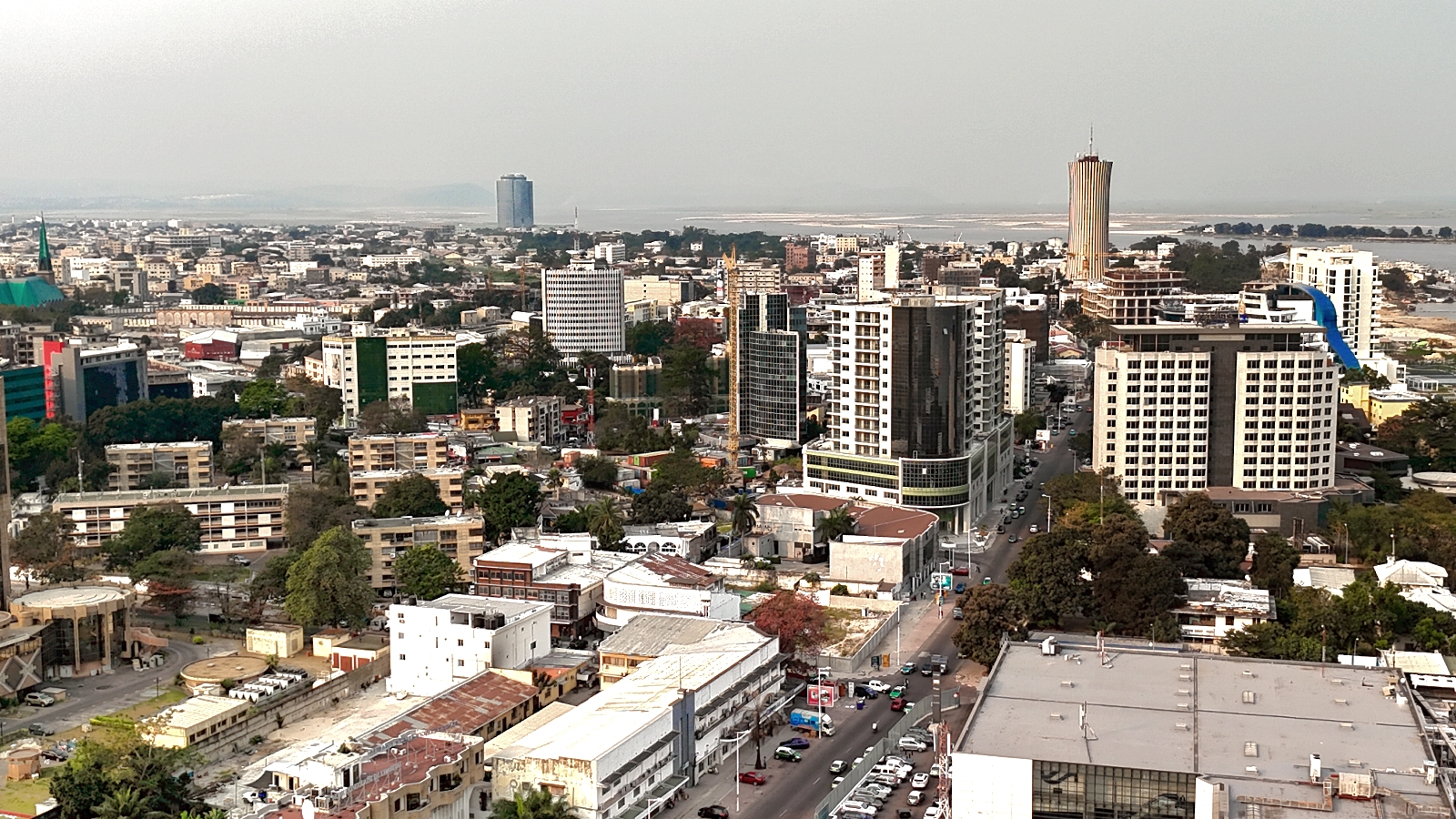
A loud capital on the Atlantic, where mirrored office towers back straight onto endless informal neighbourhoods. Walk the long Marginal seafront and look into the Fortaleza de São Miguel for the old Portuguese cannon and the tiled panels inside. It is expensive, exhausting and unavoidable, since almost everything arrives through here.
Lubango
A comfortable highland town that greets you with cool air and the smell of pine. Worth a trip for the enormous Christ statue above the city and for the vertigo at the edge of the Tundavala escarpment, a kilometre straight down.
Benguela
An old port with handsome colonial streets and the cleanest beaches in the country. Travellers pick it for slow days by the ocean and for trips out to Baía Azul, where the water actually runs clear.
Namibe
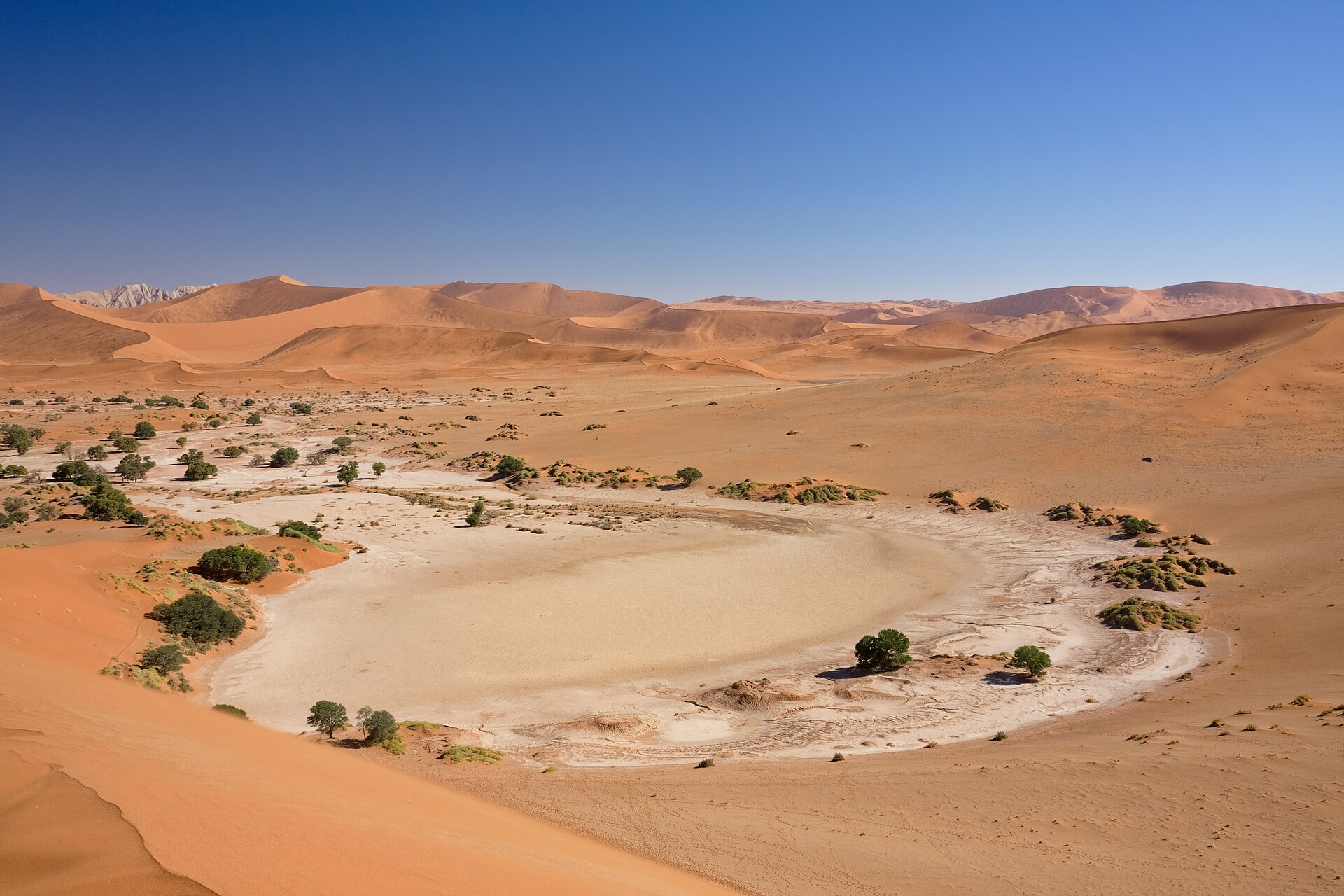
Where lifeless dunes meet a violent Atlantic, and the whole thing looks like another planet. In the surrounding desert, go looking for welwitschia, the relic plant that can live a thousand years in the baking sand.
Malanje
A quiet provincial centre that works as the launch pad for the region's biggest waterfalls. In one day from here you can see the huge cascades at Kalandula and the strange black monoliths of Pungo Andongo.
What to see
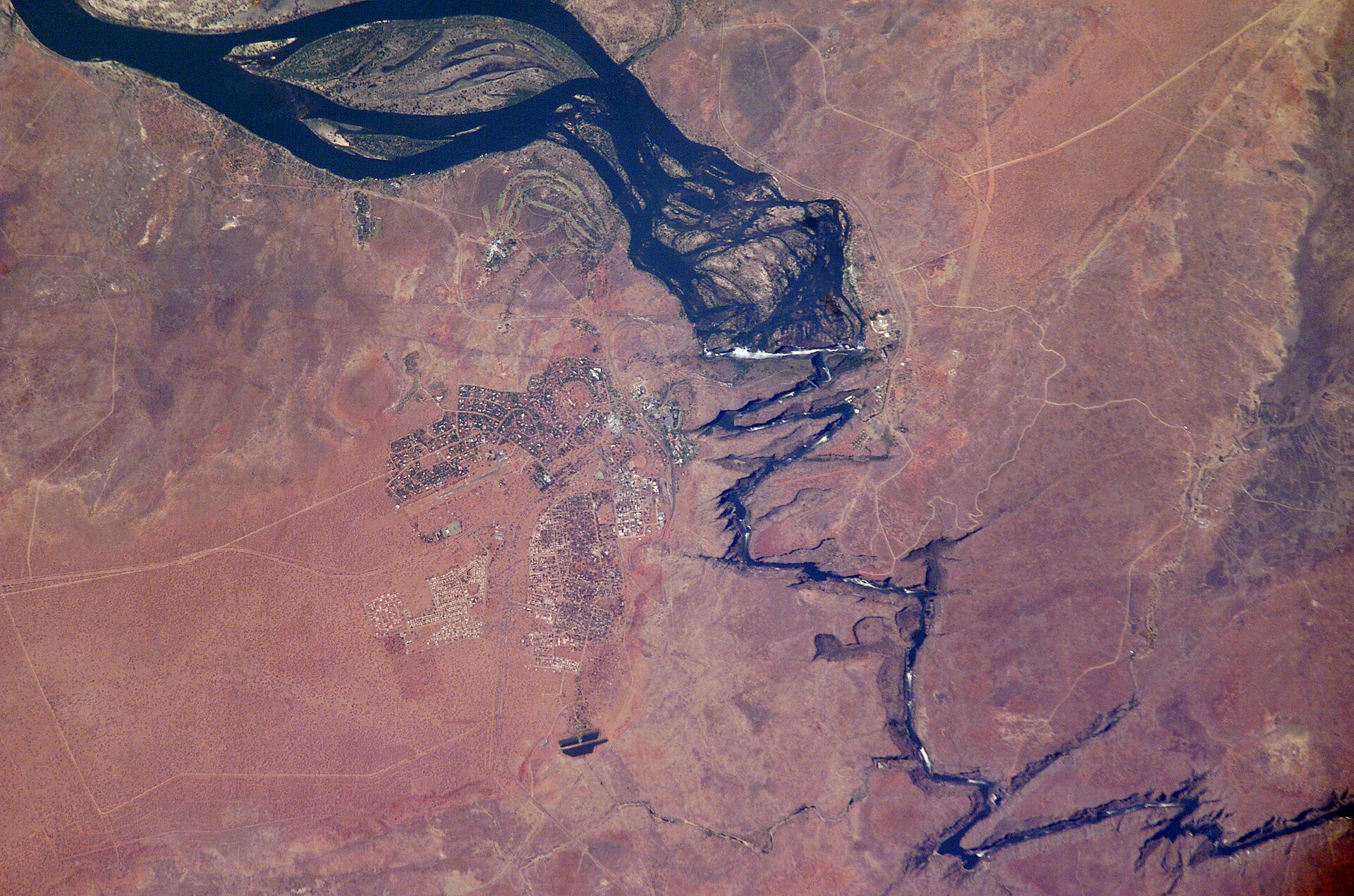
#Kalandula Falls: Enormous falls on the Lucala river, genuinely thunderous in the rainy season.
Worth a trip with an overnight stay, so you catch the rainbow over the cascades without anyone else around.
Tundavala: A colossal rift in the escarpment with a vertical drop of more than a thousand metres.
From the lip you look out over plains running all the way towards the Atlantic.
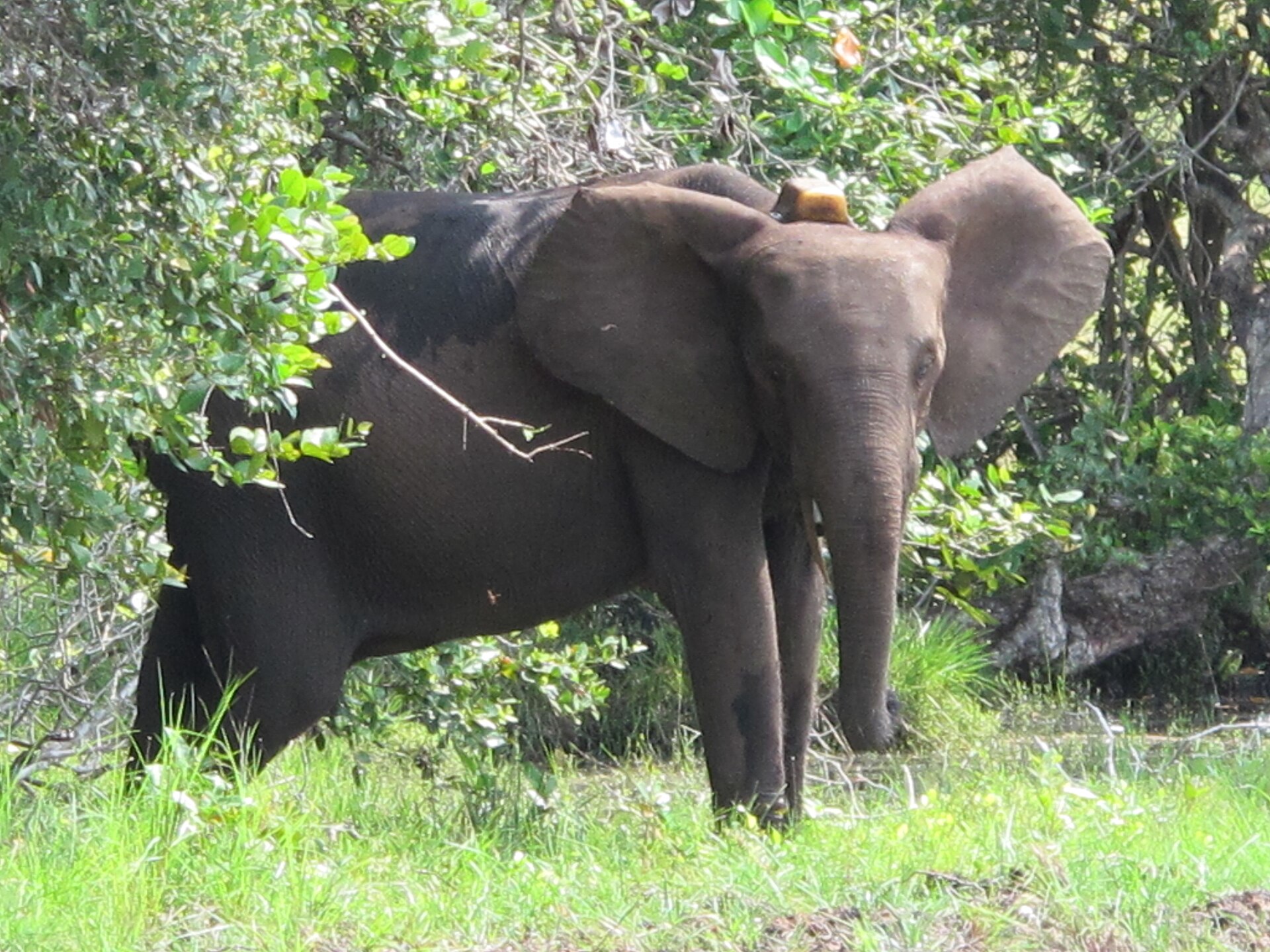
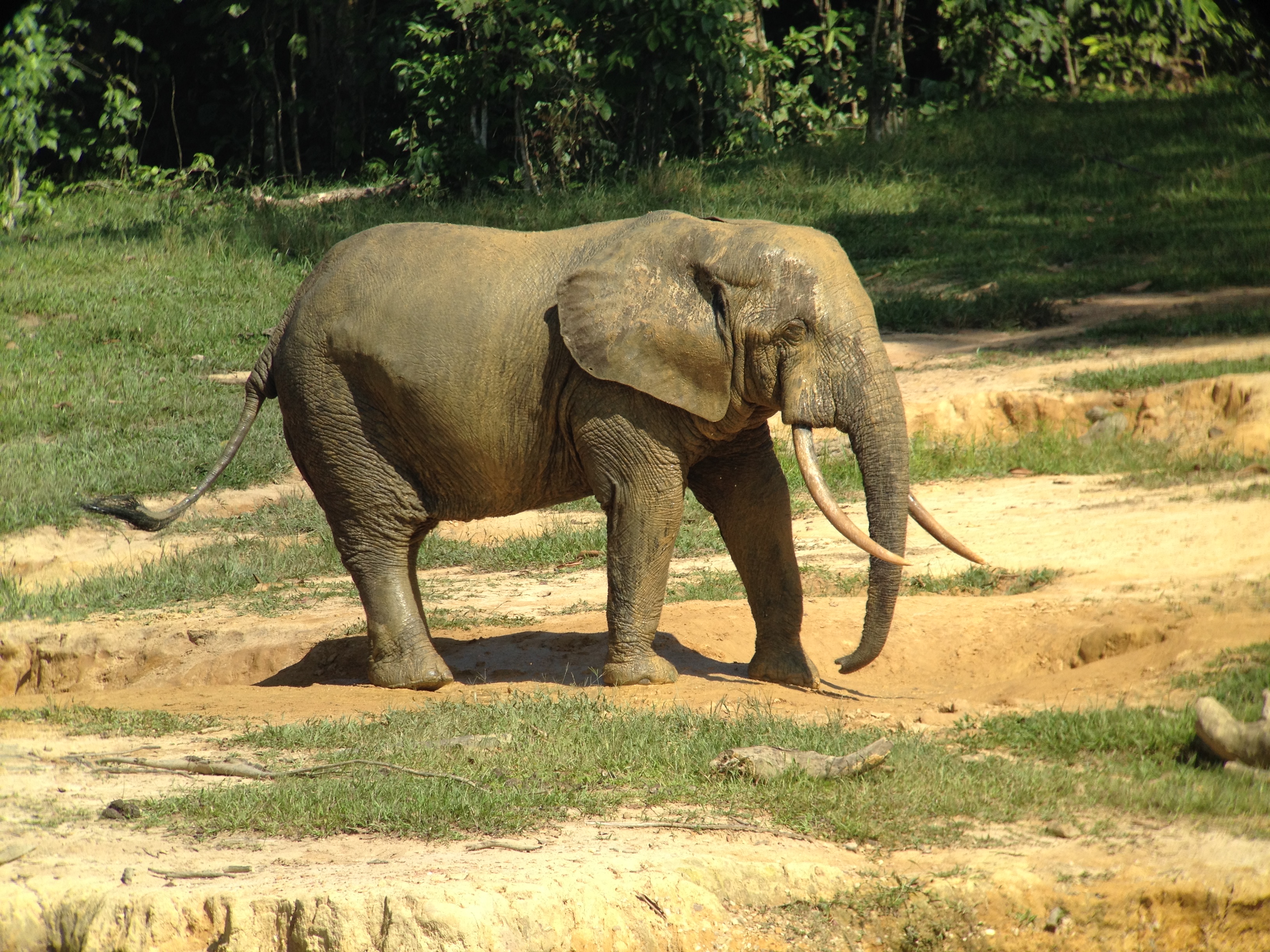
Quiçama: The most accessible reserve, where elephant and giraffe live in open country.
Go on safari at first light, when the animals are moving and heading for water.
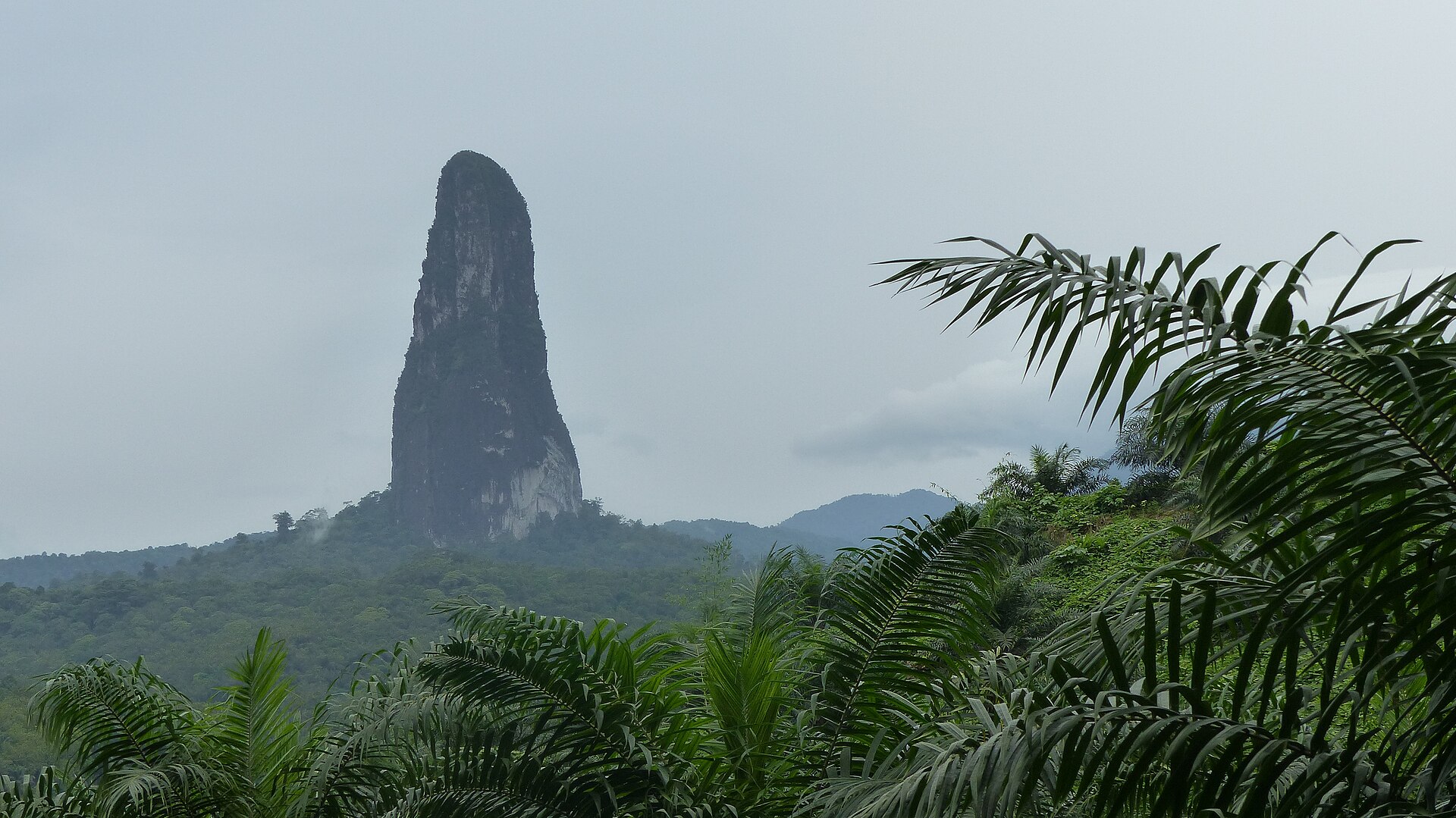
The Black Rocks: The mysterious monoliths of Pungo Andongo standing above green savannah.
The site is wrapped in legends about ancient kings and is still treated as sacred by local communities.
Iona: A vast national park in the Namib desert, where high dunes meet occasional oases.
People come for the landscapes and for the rare chance of meeting the region's nomadic peoples.
Mussulo island: The place to spend a whole day on white sand under palms.
You reach it by boat from Luanda, which is enough to escape the noise and the permanent traffic.
Prices
#Currency: Everything is priced in kwanza, but you should always have new US dollars in your pocket. Older-series bills or notes with any marking may be flatly refused at the banks.
Exchange: Change money at branches of the big banks such as BFA or BAI. Street changers offer better rates, but the risk of counterfeit notes or being robbed is too high to be worth it.
Cards: Terminals are rare and mostly confined to expensive shops in the capital, and Amex is nowhere. Outside Luanda do not count on plastic at all, because the provinces run on cash.
ATMs: Multicaixa machines are often empty or simply reject foreign cards. When you do find one that works, expect a substantial withdrawal fee, so a Wise or Revolut card is worth having purely to soften the conversion.
Budget: Angola is one of the most expensive countries in the world for visitors, because almost everything is imported and priced accordingly.
| Item | Price (USD) |
|---|---|
| Lunch in a simple cafe | 8 |
| Dinner in a restaurant | 35 |
| Street snack | 3 |
| Cuca beer, 0.5 l | 2 |
| Bottled water, 1.5 l | 1 |
| Cup of coffee | 2 |
| Taxi ride | 10 |
| Litre of petrol | 0.4 |
| Domestic flight | 130 |
| Night in a guesthouse | 45 |
| Night in a hotel | 120 |
| Waterfall entry | 5 |
| Park safari | 50 |
| 1 GB data bundle | 4 |
Getting around
#Getting in: Luanda is the only realistic entry point, with Lisbon the classic connection from Europe on TAP, plus links via Brussels, Paris and Frankfurt. From further afield, route through Addis Ababa on Ethiopian, Doha or Dubai, or Johannesburg, and TAAG also runs the long haul from São Paulo.
Domestic flights: TAAG connects the major cities and is by far the fastest option, since overland routes can be badly broken or washed out entirely after rain.
Coaches: For intercity travel, Macon is the company to look for. Their buses are air-conditioned, keep to a timetable and cost sensibly.
Minibuses: The blue-and-white candongueiros go anywhere that resembles a road. Cheap and full of character, but cramped, deafening and driven with no interest in your safety.
Taxis: In Luanda the Heetch and Yango apps work well. No haggling, and you see the fare before you accept the ride.
Car hire: Driving yourself is risky given the traffic and the roadside shakedowns. If you insist, take a 4x4, or you will bury the car in the first stretch of deep sand.
Trains: The Namibe to Lubango line is a genuinely scenic mountain run. Services do not operate daily, so check at the station a couple of days ahead.
Where to stay
#Guesthouses: The cheapest workable option, and usually clean and secure, though the bathroom may be shared along the corridor. In Benguela and Lubango they are markedly better value than in the capital.
Hotels: The big cities have modern places asking well over a hundred dollars a night. That buys you air conditioning, breakfast and guarded parking.
Lodges: Near the national parks and along the coast you will find timber-and-stone cabins. A good way to sleep in the landscape without giving up basic comfort entirely.
Booking: The global booking sites only really function in Luanda, and elsewhere you will be phoning. Owners of smaller places often deal with guests exclusively over WhatsApp.
Prices: Accommodation here costs unreasonably more than in any neighbouring country. A decent central Luanda room can match what you would pay in a major European city.
Practical advice: Always check that there is a mosquito net over the bed and that the locks work. At the budget end, carry your own padlock for the door while you are out.
What to eat
#The staple: Funge, a stiff porridge of cassava or maize flour, accompanies almost everything. You eat it with your hands, dipping pieces into the sauce, and it will carry you through a long day.
Chicken: Muamba de galinha is chicken stewed in a thick palm-oil sauce with fresh vegetables. It is the national dish and worth ordering again in each new region, because the versions differ.
Fish: On the coast, order mufete, tilapia grilled over coals and served with beans. Fresh seafood in the ports of Benguela and Namibe costs a fraction of the capital's prices.
Drinks: Cuca is the beer everyone drinks, at any hour of the day. Coffee lovers will appreciate the local robusta, served here in tiny cups and taken seriously.
Water: Never drink from the tap and never take ice in a street drink. Buy bottled water and check the factory seal is intact before you open it.
Fruit: Markets are heaped with ripe mango, papaya and bananas for almost nothing. Try mucua, the baobab fruit, which has a sharp, sour, thoroughly unfamiliar taste.
Safety
#On the street: Petty theft is common in the capital, so keep your phone and camera out of sight. Do not walk alone through unfamiliar neighbourhoods, especially poorly lit ones.
Landmines: The eastern provinces still contain unexploded ordnance left from the war. Never pull off onto the verge and never walk into bush without a local guide.
Police: Highway patrols stop vehicles for document checks constantly. Carry a copy of your passport, stay polite and never argue openly.
After dark: Walking around the cities at night stops being sensible once the light goes. Call a vetted taxi through an app to the door of your hotel instead.
Photography: Photographing police stations, bridges and military sites is prohibited by law. Always ask before pointing a lens at a person.
Health: Malaria is a serious threat in every region, particularly after the rains. Use repellent, sleep under a net, and read your own government's travel advisory before finalising a route into the interior.
Etiquette and culture
#Language: The Portuguese inheritance is everywhere, from the street names to the menus. Angolans are proud of their history and appreciate any visitor who has bothered to learn a few phrases.
Music: Angola gave the world kizomba and the relentless energy of kuduro, which plays from every speaker. Dancing here is a form of conversation, and everyone at a party moves better than you do.
Dress: In the capital people dress smartly and carefully even in serious heat. For churches or any official building, cover your shoulders.
Family: Respect for elders and strong family ties underpin the whole society. In the provinces people live communally and everyone is expected to help a neighbour who is struggling.
Traditions: In remote areas you can still meet communities living largely as they always have. Treat their customs with respect and never push past a personal boundary for a photograph.
Weekends: Life slows and families gather for long lunches by the ocean. Many shops shut, so do your buying on Saturday morning.
Connectivity
#Operators: Two main networks, Unitel and Movicel. Buy your SIM in an official shop with your passport, which avoids the sudden disconnections that come with informally registered cards.
Internet: City speeds are fine for maps and email. In rural areas the signal comes and goes, so download your offline maps before you leave the tarmac.
Language: Getting by without Portuguese is genuinely hard, since English is rare outside top-end hotels and signage is Portuguese only. Install a translation app with voice input for markets and taxi drivers.
Coverage: 4G is solid in Luanda and the main provincial centres. There is signal along the trunk roads, but inside the national parks you will be off the network entirely.
Messaging: Post is glacial, so use WhatsApp for everything. It is as dominant here as anywhere else on the continent and is how businesses expect to be contacted.
Power: Hotels generally use the two-pin European sockets, so a UK or US plug needs an adapter. Voltage is stable, but the provinces see long unscheduled outages.
Phrasebook
#| English | Portuguese | Pronunciation |
|---|---|---|
| Hello | Olá | Oh-LAH |
| Good morning | Bom dia | Bong DEE-ah |
| Good evening | Boa noite | BOH-ah NOY-cheh |
| How's it going? | Tudo bem? | TOO-doo bayn? |
| Thank you | Obrigado | Oh-bree-GAH-doo |
| Please | Por favor | Poor fah-VOR |
| How much is it? | Quanto custa? | KWAN-too KOOSH-tah? |
| Yes / No | Sim / Não | Seeng / Now |
| I don't understand | Não entendo | Now en-TEN-doo |
| Where is the toilet? | Onde é a casa de banho? | ON-jeh eh ah KAH-zah deh BAN-yoo? |
| Help! | Socorro! | Soh-KOH-hoo |
| Water | Água | AH-gwah |
| Beer | Cerveja | Ser-VEH-zhah |
| The bill, please | A conta, por favor | Ah KON-tah, poor fah-VOR |
| Friend (slang) | Kamba | KAM-bah |
| Money (slang) | Guito | GHEE-too |
| Food (slang) | Chapa | SHAH-pah |
| Great / cool | Fixe | FEE-sheh |
| Foreigner / white person | Mundele | Moon-DEH-leh |
| Let's get out of here (slang) | Bazar | Bah-ZAR |
| How much for the ride? | Quanto é a corrida? | KWAN-too eh ah koh-HEE-dah? |
| Goodbye | Tchau | Chow |
Good to know
#Consular help: Note the address and phone number of your country's embassy in Luanda before you fly, since most are clustered in the Miramar district. If you lose your documents in the provinces, that call is the start of a long journey back to the capital.
Medical care: The capital has good private clinics, Sagrada Esperança among them. Provincial healthcare is thin, so travel with a generous supply of whatever you take.
Insurance: Buy a policy that covers being flown to a hospital in another country after an accident. Without it, serious treatment will cost you thousands of dollars up front.
Fuel: Petrol is cheap, but rural stations regularly have none. Keep the tank full and carry a jerrycan if you are heading a long way off the main roads.
Power: Sockets take the two-pin European plug, so bring an adapter if you are coming from the UK or North America. Budget guesthouses often only have electricity in the evenings.
Connectivity: Tourist eSIMs perform poorly here and cost more than they are worth. Spend the time buying a local SIM instead, so your navigation keeps working.
Frequently asked questions
#Angola has scrapped visa requirements for a long list of nationalities, including most EU, UK, US and Commonwealth passports, who receive a free stamp of up to 30 days on arrival. Your passport should be valid for another six months, and you may be asked for a return ticket or a rough itinerary, so check your own passport's rules before booking.
Yellow fever is the one that is genuinely compulsory, and the certificate is checked carefully at the border. Malaria prophylaxis is strongly advised, and it is worth updating hepatitis and typhoid cover as well.
Bring US dollars in cash, and specifically new, unmarked notes, because damaged or older-series bills get refused. Euros are accepted at banks but usually at a worse rate.
The country is manageable if you take normal precautions in the big cities. The real risks are street crime in Luanda and residual landmine contamination in some rural areas well inland.
Barely. Card terminals exist only in upmarket parts of Luanda and Multicaixa ATMs frequently reject foreign cards or sit empty, so plan around cash and treat any successful withdrawal as a bonus.
Domestic flights on TAAG are the time-efficient choice and link all the main provinces reliably. On a tighter budget, the Macon coaches run intercity routes to a proper schedule.
No, tap water is for washing only. Use bottled water for drinking, brushing your teeth and rinsing fruit, and buy it sealed.
Portuguese is the sole official language and the overwhelming majority speak it. English turns up only in expensive hotels in the capital, so a handful of basic phrases will make your trip substantially easier.
Effectively no — flying is banned or out of reach for tourists. There is no dedicated law: the drone is registered with the Interior Ministry weapons and explosives department, then cleared by the aviation authority. Practically out of reach for tourists. Rules for other countries are in the drone ranking by country.
Updated
The data on this page goes out of date. Visa rules and permitted stays, border requirements, prices and budgets, transport and local conditions all change fast, and we do not re-check every page every day. We show the date of our last check where we have one, but before you travel, verify with official sources: the country’s consulate, its immigration service, its e-visa portal and your carrier.