Finland
FIA country of a thousand lakes, the northern lights and the sauna. Finland is consistently among the three happiest countries in the world, and it shows in the faultless infrastructure, the cleanliness and the calm. Summer brings white nights and lake kayaking; winter brings Lapland, husky safaris and Father Christmas. It is expensive, but everything here is thoughtfully designed, from the metro to the forest cabins.
Where to go #
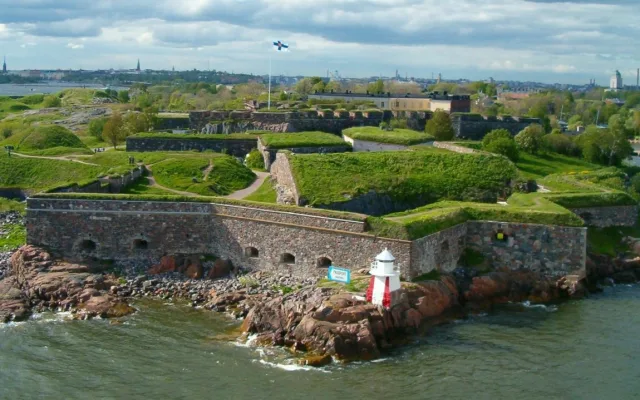
Helsinki
Finland's capital: the neoclassical Senate Square, the UNESCO-listed Suomenlinna sea fortress, the Punavuori design district and public saunas on the waterfront.
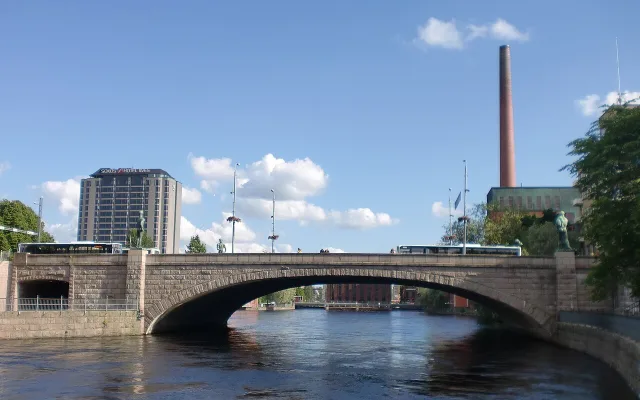
Tampere
Industrial capital with a soul — the Moomin Museum, breweries in old factories, a city wedged between two lakes.
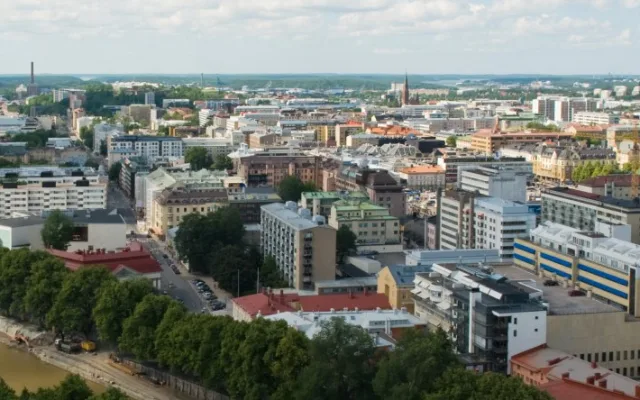
Turku
Finland's oldest city — Turku's medieval castle, cathedral, and the charming Aurajoki riverfront.
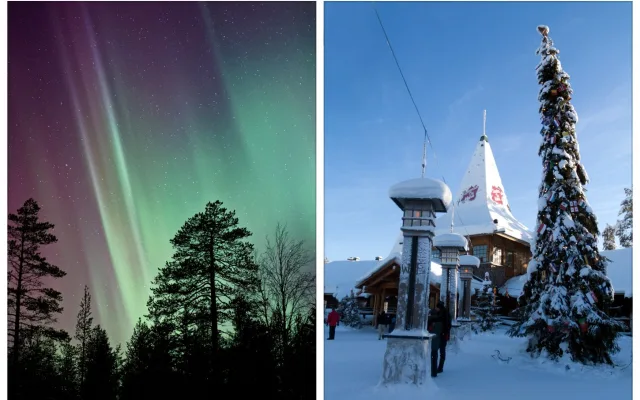
Rovaniemi
The official Santa Claus Village on the Arctic Circle — Santa's Village, the northern lights, and husky safaris.
What to see #
Temppeliaukio: the church cut into solid rock in central Helsinki, with a copper dome and acoustics that make even a rehearsal worth sitting through. Twenty minutes and one of the city's best things.
Suomenlinna: the sea fortress reached by city ferry from Market Square every twenty minutes. The ride alone gives you the city from the water, and the ramparts fill an easy half day.
Lainio Snow Village: if you want winter without going as far as the fells, this is ice bars, ice sculptures and rooms carved from snow, rebuilt from scratch each season.
Rovaniemi: officially crossing the Arctic Circle line and posting a card from Santa's own post office is the ritual, and it is more fun than cynics expect.
Northern lights: Inari and Muonio give you the darkest skies and the best odds of clear weather. Aurora hunting works best between September and March, on moonless nights well away from town.
Public saunas: places like the wood-fired Kotiharju are how you actually understand Finns, sweating inside and then sitting out on the street with a beer.
National parks: Nuuksio and others have free marked trails and prepared fire pits, which makes escaping the city genuinely easy without a car.
Arktikum: the museum in Rovaniemi explains Sami culture and the history of the north, and it puts everything else you do up there in context.
Prices #
Currency: the euro. Finland is one of the most cashless countries in Europe, and you can go a full week without touching a note.
Cards: Visa and Mastercard are accepted everywhere, including buses, market stalls and public toilets, and contactless is the default. Amex is accepted less consistently outside hotels and department stores.
Cash: rarely needed, but ATMs (branded Otto) are easy to find if you want a small reserve. Nobody will be surprised if you never produce any.
Fees: a Wise or Revolut card is worth having for the exchange rate rather than for acceptance, since everything takes cards anyway. Always choose to be billed in euros.
Tipping: not expected. Service is included in the bill, and rounding up for genuinely good service is the most anyone does.
| Item | Price (USD) |
|---|---|
| Cup of coffee | 5 |
| Cinnamon bun | 4 |
| Tram ticket | 3.5 |
| Salmon soup | 16 |
| Lounas lunch deal | 14 |
| Beer in a bar | 10 |
| Museum ticket | 15 |
| Budget dorm bed | 30 |
| Hotel room | 120 |
| Train to Lapland | 70 |
| Husky safari | 150 |
| Day ski pass | 55 |
| Fridge magnet | 6 |
| Petrol, per litre | 2.2 |
| Pizza in a cafe | 18 |
Getting around #
Trains: the VR network reaches most of the country, with comfortable carriages, Wi-Fi, sockets and even children's play areas. The overnight sleeper from Helsinki to Lapland, which carries cars as well, is a trip in its own right.
Buses: Onnibus and similar operators undercut the trains between cities if you buy electronic tickets in advance on their sites.
Helsinki transport: one HSL ticket covers metro, tram, bus and the city ferry. Buy it in the app before you board, since it works out cheaper than buying onboard.
From the airport: the commuter train from Vantaa reaches the centre in about thirty minutes. Tickets come from the machines on the platform or from the HSL app.
Bikes: city hire schemes run from April to October, cost very little, and are the fastest way to string the main sights together in summer.
Ferries: the ships between Helsinki and Tallinn turn a two-hour crossing into a small cruise with restaurants and shops. Stockholm is an overnight sailing away.
Car hire: worth it in Lapland, where public transport thins out. In winter the roads demand real experience of ice driving, and studded tyres are a legal requirement.
Taxis: expensive. Use the official apps rather than the cars waiting outside stations, where the fares can be set much higher.
Where to stay #
Chains: Scandic and Sokos deliver predictable comfort, a proper breakfast and a sauna in the building, which is not a gimmick here but a standard feature.
Budget: the design-led guesthouses in central Helsinki have shared kitchens and lounges and cut the cost of a night substantially in an expensive city.
Mokki: outside the cities, Finns rent wooden cottages by a lake. This is the most authentic way to sleep in this country, and in summer it is what the whole nation does.
Glass igloos: the domes in Lapland are expensive but let you lie in a warm bed watching the stars or the aurora directly overhead. One or two nights is the usual dose.
Ice hotels: sleeping in a room built of snow at sub-zero temperatures is an experience rather than a rest, and almost everyone books exactly one night.
Book early: in peak December dates, Lapland sells out six months ahead. If your dates are fixed, this is the first thing to lock in.
Private apartments: many charge separately for bed linen and a final clean, so read the terms rather than the headline price.
Where to stay in Helsinki: Kamppi for convenience, Kallio for bars and cheaper rooms. Both put you on the tram network within a couple of minutes.
What to eat #
Lohikeitto: creamy salmon soup with dill and big chunks of fish, and the single best defence against a cold day. Almost every city cafe serves a version.
Reindeer: the signature meat of Lapland, usually sauteed and served with mashed potato and lingonberry sauce. Order it once in the north rather than in a tourist restaurant in the capital.
Karelian pies: rye pastry cases filled with rice, sold in every supermarket for very little. Split one and add egg butter and you have breakfast sorted.
Coffee: Finns drink more of it per head than anyone on earth, so you can get a decent cup at a petrol station in the middle of a forest.
Salmiakki: salty black liquorice, and the country's great culinary dare. Buy a small bag rather than a large one until you know.
Lounas: on weekdays between eleven and two, look for that sign. It is a fixed-price buffet lunch and by far the cheapest way to eat a real meal in Finland.
Berries: in summer the markets fill with cloudberries and bilberries, and under everyman's right you can pick them yourself in any forest.
Fried vendace: small lake fish cooked in butter until crisp on market squares, sold by the paper cone. Better than it sounds and cheaper than anything else nearby.
Safety #
The general picture: one of the safest countries in the world. Walking alone at night in any city is unremarkable, and petty theft is rare enough to be news.
Reindeer on the road: in Lapland they wander onto the highway constantly. Watch the warning signs, keep to the limit, and understand that hitting one is the single most likely accident you will have here.
Reflectors: pedestrians are legally expected to wear a reflector after dark. Without one, a driver on an unlit road genuinely cannot see you, and they are sold for a euro everywhere.
Cold: Arctic winter demands layers, thermal base layers and proper waterproof boots. Underestimating minus thirty is the mistake visitors make most often.
Ice underfoot: pavements get treacherous. For long walks in winter, buy the strap-on studs that go over your boots.
In the wild: on any hike, charge your phone fully and carry a map, because coverage does fail in dense forest. Tell someone your route.
Tap water: among the cleanest in the world and better than most bottled. Fill your bottle from any tap.
Asking for help: Finns will help readily if you ask politely in English, but they will not initiate. That is reserve, not coldness.
Etiquette and culture #
Personal space: distance and quiet are valued. Don't talk loudly on public transport and don't force conversation on strangers; silence here is comfortable rather than awkward.
The sauna: a place of physical and mental rest, close to sacred. In public saunas people sit nude with a towel rather than in swimwear, and sessions are usually single-sex.
Everyman's right: jokamiehenoikeus lets you walk, forage and pitch a tent in almost any forest as long as you do no damage and leave nothing behind. It is one of the best things about travelling here.
Punctuality: arrive exactly on time. Being even slightly late reads as disrespect rather than as a minor slip.
Recycling: waste sorting is automatic, and cans and bottles carry a deposit refunded by machines at supermarket doors.
Design: the aesthetic is everywhere, from cafe crockery to library architecture, and Finns are quietly and genuinely proud of it.
Alcohol: anything stronger than mid-strength beer is sold only in the state Alko shops, which keep limited hours and close early on Saturdays. Plan around it.
Shoes off: always remove them when entering a private home or apartment. This one is not negotiable.
Connectivity #
Coverage: the network works everywhere, including remote northern fells, with solid 4G and 5G. Finland is genuinely one of the easiest countries in the world to stay connected in.
SIM cards: prepaid DNA or Telia cards are sold without paperwork at any R-kioski, and data bundles are cheap by European standards.
eSIM: if your phone supports it, install a data package before you arrive and skip the shop entirely. EU SIMs roam here at no extra charge.
Free Wi-Fi: available at the airport, on VR trains and in every public library, which are worth visiting as buildings anyway.
Apps: HSL for city transport tickets, and an aurora alert app if you are going north. Both are more useful than any guidebook.
English: spoken to a high standard by almost everyone, so you will not struggle in hotels, shops or ticket offices anywhere in the country.
Getting a taxi: use the local ride apps, since the global ones work patchily or not at all outside Helsinki.
Post: the postal service is faultless, and sending a card from the Santa Claus village is the one bit of tourist theatre worth doing.
Phrasebook #
| English | Finnish | Pronunciation |
|---|---|---|
| Hi! (slang) | Moi! | moy |
| Hello | Hei | hay |
| Thank you | Kiitos | KEE-tos |
| You're welcome | Ole hyva | OH-leh HU-va |
| Yes / No | Kylla / Ei | KUL-la / ay |
| Beer (slang) | Bisse | BIS-seh |
| One ticket | Yksi lippu | UK-see LIP-poo |
| Where is the toilet? | Missa on vessa? | MIS-sa on VES-sa |
| Coffee | Kahvi | KAH-vee |
| The bill, please | Lasku, kiitos | LAS-koo KEE-tos |
| Water | Vesi | VEH-see |
| Delicious! | Hyvaa! | HU-vaa |
| Sorry | Anteeksi | AN-tayk-see |
| Help! | Apua! | AH-poo-ah |
| How much is it? | Paljonko maksaa? | PAL-yon-ko MAK-saa |
| Sauna | Sauna | SOW-nah |
| Goodbye | Nakemiin | NA-keh-meen |
| Good | Hyva | HU-va |
| Shop | Kauppa | KOWP-pah |
| Northern lights | Revontulet | REH-von-too-let |
Good to know #
Getting there: Helsinki is a major hub with direct flights from across Europe, North America and Asia, and it is one of the shortest routings between Europe and East Asia. Ferries connect Helsinki with Tallinn in two hours and Stockholm overnight, both of which are pleasant ways in.
Rail planning: vr.fi for trains, including the car-carrying night services to Lapland, and matkahuolto.fi for the bus network. Book Lapland trains early in December.
Outdoors: retkikartta.fi maps every marked forest trail, wilderness hut and legal camping spot in the national parks. It is the single most useful site for anyone walking here.
Emergencies: dial 112 for anything. Operators work in several languages and coordinate quickly.
Plugs: European type C and F sockets at 230 V. British, American and Australian visitors need an adapter.
Tax free: on larger purchases, ask for the paperwork in the shop and claim the refund when you leave the Schengen area.
When to go: June to August for white nights, lakes and hiking; December to March for snow, skiing and the aurora. September and October are quiet, cheap and unexpectedly beautiful.