Tuvalu
TVThe fourth-smallest country in the world at 26 km², and among the least visited anywhere — nine coral atolls in the Pacific that may be the first to vanish as the sea rises. Tuvalu is an airport runway that turns into a football and volleyball pitch in the evenings, turquoise lagoons, not a single traffic light in the whole country and the .tv domain that earns the state millions. Barely anyone comes, and those who do leave changed.
Where to go #
Funafuti
The main atoll, where the entire country's life is squeezed onto a strip of land you can throw a stone across. The airstrip runs down the middle of it and turns into an enormous public playground every evening. Come here to see how the world's smallest nation actually functions, and for the views over the vast Te Namo lagoon.
Nanumea
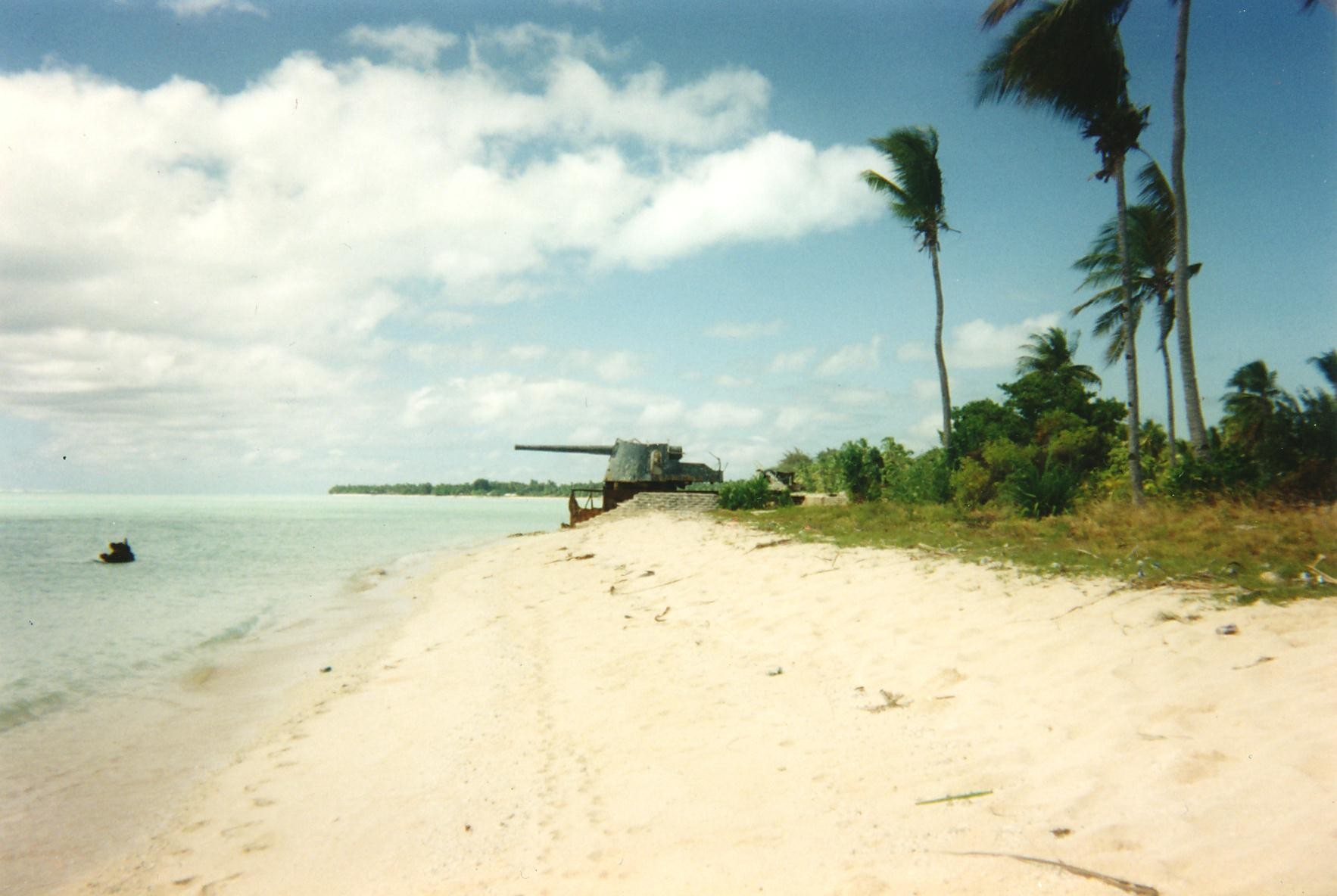
The northernmost atoll and an absurdly beautiful one, with the deepest Polynesian traditions in the country. Travellers come for the old church and the wreckage of American wartime machinery slowly disappearing into the greenery. If you want genuine remoteness and turquoise water, this is where to go.
Vaitupu
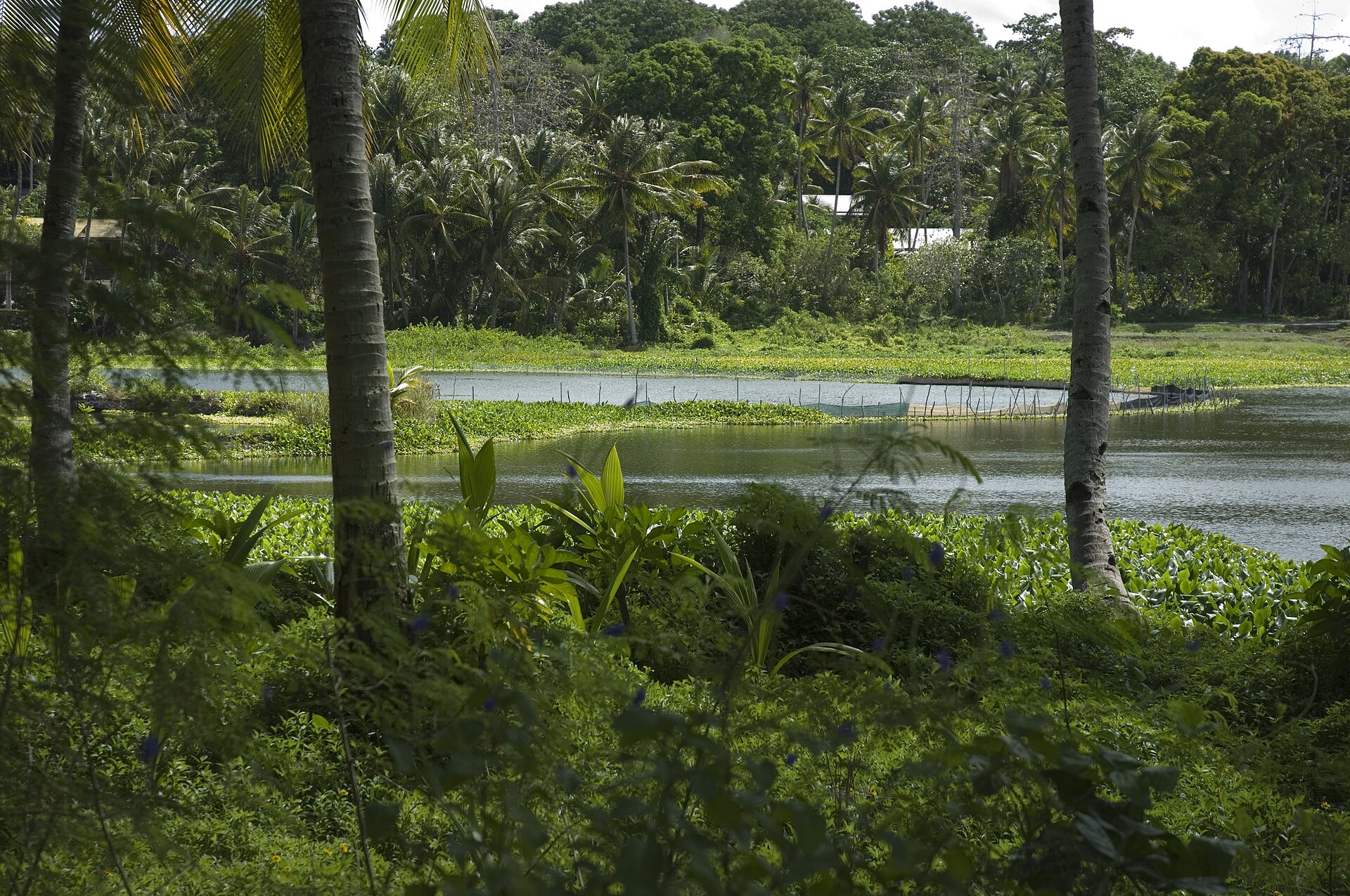
The most populated outer atoll, thick with forest and coconut groves. The island is known for its boarding school, which draws children from every atoll and gives the place an unusual, busy atmosphere. Worth a trip for walks along shaded paths and a look at traditional smallholder farming.
Nukulaelae
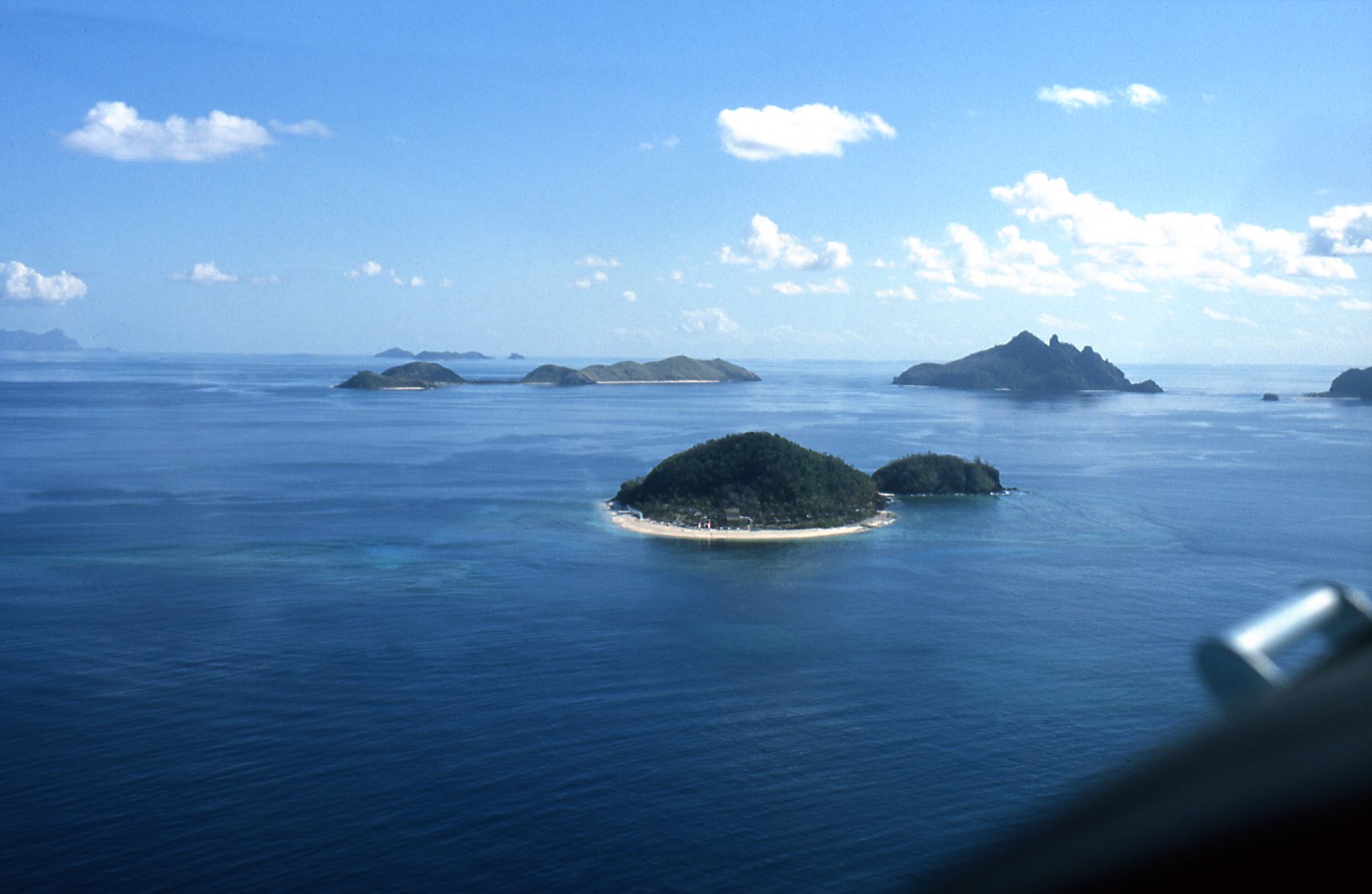
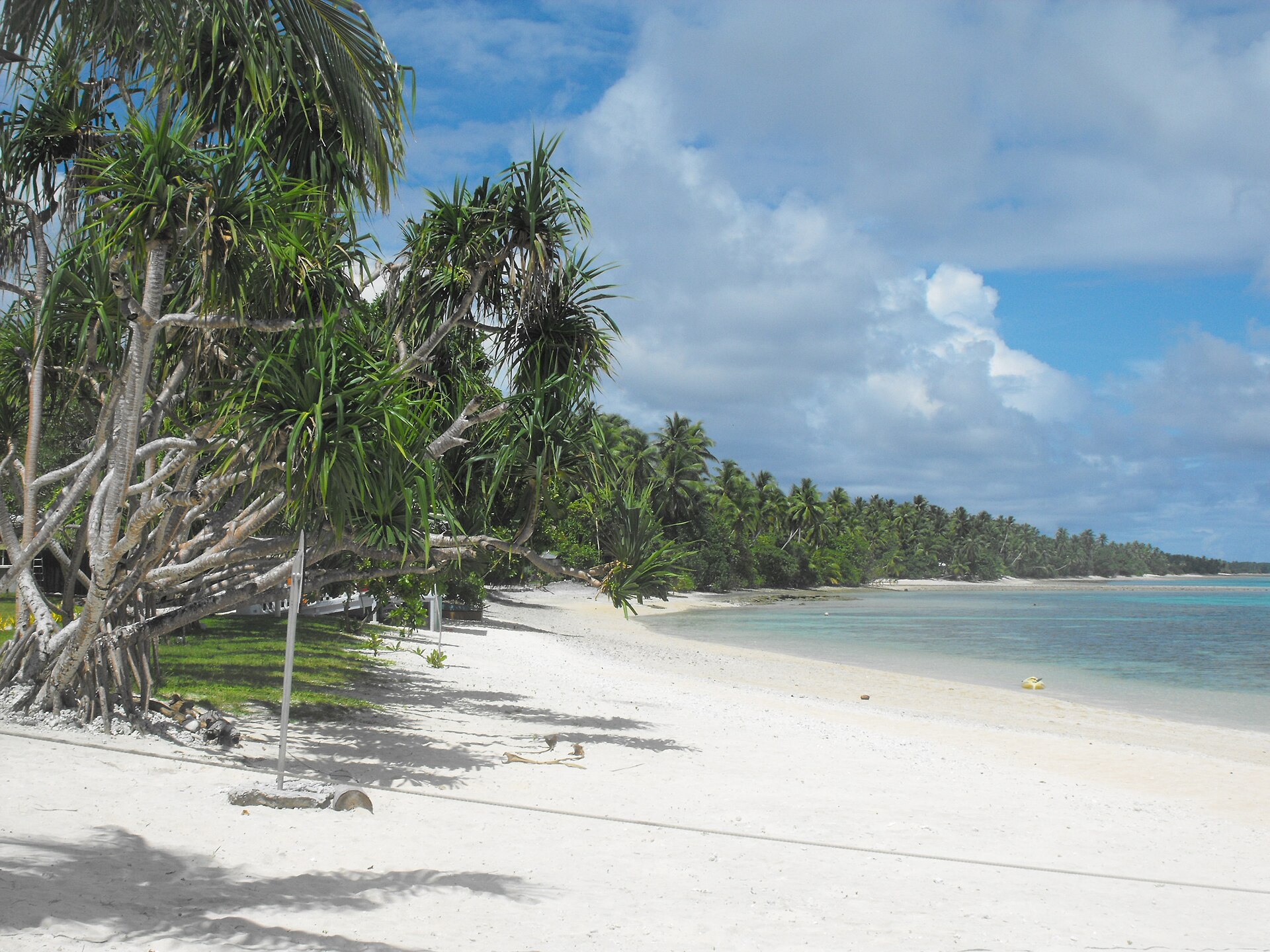
A scatter of tiny coral islets ringing a lagoon of almost perfect shape. It has a reputation as one of the most photogenic places in the Pacific, thanks to blinding white sand and a complete absence of people. You can walk several uninhabited motu in a day and see nobody at all.
Nui
An atoll with a culture of its own, where Polynesian and Micronesian roots have mixed. Local craftspeople are famous for weaving extremely fine mats and baskets from pandanus. People come for the silence and for the chance to watch traditional fishing carried on exactly as it always was.
What to see #
Funafuti airstrip: The main gathering point, where most of the town turns up after sunset. When no plane is due, the concrete becomes a football pitch, a yoga mat and a promenade all at once. It is the easiest place to meet locals and feel the rhythm of atoll life.
The lagoon conservation area: A large marine park covering six uninhabited islets on the western side of Funafuti. What to see here first is the untouched coral gardens and the nesting beaches of rare sea turtles. You get there by boat, arranged either with fishermen or through the town council office.
Wartime remains: On Nanumea and Funafuti you can still find traces of the Second World War. It is worth walking out to the old American bunkers and aircraft wreckage being swallowed by the undergrowth. They are a quiet reminder of how strategically important these tiny atolls once were.
Te Ano: A genuinely unique sport, played during festivals and often on Fridays. Two teams keep a heavy ball of woven pandanus leaves in the air, which takes remarkable strength and coordination. If you catch a match you also get the traditional singing that accompanies every good play.
Fualopa islet: A small motu inside the reserve that has become a nesting colony for black noddies. Where to go for the best snorkelling is right off its shore, where visibility runs to tens of metres. You can spend a whole day watching reef life in complete silence.
The philatelic bureau: A small building in the middle of the capital that collectors worldwide know by name. Tuvaluan stamps are considered a rarity and bring the state real income. Drop in to post a card home or buy a souvenir you genuinely cannot find anywhere else.
Prices #
Currency: The Australian dollar is the official currency and pays for everything. Tuvalu also mints its own coins, equal in value to the Australian ones, and they make an excellent souvenir because of the odd sea-life designs.
Changing money: There is one bank branch, in the capital, open on weekday mornings only. Rates for US dollars are not generous, so change your money in Fiji before you fly. There is no ATM anywhere in the country that dispenses cash against a foreign card.
Cards: Do not plan on paying by card at any point in the trip. Even the largest hotel and the biggest shop either lack a terminal or have one that cannot reach the outside world, so Visa, Mastercard and Amex are equally useless. Food, transport and accommodation are all settled in paper money. Bring more Australian dollars than you think you need, and bring small notes.
Tipping: Leaving extra on top of a bill in a restaurant or a taxi is not part of the culture here. If the service genuinely impressed you, round the amount up. The better way to say thank you is to buy something directly from a local craftswoman.
| Item | Price (USD) |
|---|---|
| Room in a lodge | 65.00 |
| Hotel room | 120.00 |
| Scooter hire per day | 18.00 |
| Lunch in a canteen | 9.00 |
| Dinner at the hotel | 18.00 |
| Litre of petrol | 1.50 |
| 1.5L bottled water | 1.80 |
| Bottle of beer | 3.50 |
| Boat to the reserve | 30.00 |
| Inter-island ferry trip | 25.00 |
| Departure tax | 20.00 |
| Packet of biscuits | 2.50 |
| Coconut at the market | 1.00 |
| Fresh fish per kilo | 5.00 |
Getting around #
Getting in: Fiji is the only gateway, and Fiji Airways flies to Funafuti from Suva two or three times a week. That means reaching Nadi or Suva first, which most travellers do through Los Angeles, Sydney, Auckland or Singapore, and then allowing spare days on both sides for the onward hop. The airport sits in the middle of the main atoll, so you can walk from the terminal to any bed in town.
Between the atolls: Government ships are the only link with the outer islands. A vessel leaves Funafuti roughly once a fortnight, doing either the northern or the southern loop. Schedules shift constantly with the weather, so check at the port office the day you arrive rather than trusting anything printed.
Scooters: A motorbike is the most practical way to cover long, narrow Fongafale island. There is no rental desk as such, but your guesthouse owners will find you a scooter. A day costs very little, and nobody wears a helmet because nobody drives fast enough to need one.
Walking: The inhabited part of the capital is only a few kilometres end to end, so you can manage without any vehicle at all. The road runs along the lagoon, with the open ocean visible over the other shoulder. Traffic keeps left, though there is so little of it that this rarely matters.
Water taxis: To reach the uninhabited motu inside the lagoon you hire a small motorboat. Agree the price directly with the fishermen at the jetty, or let your host arrange it. This is the only way into the marine reserve and onto the cleanest beaches in the country.
Timing: Build slack into everything. Flights are cancelled for weather and boats leave when they leave, so a trip that is planned to the day will not survive contact with the Pacific.
Where to stay #
How little there is: The country has a very small number of beds, so book months ahead. The capital has one hotel and around five guesthouses run by local families. Most rooms are simple: a bed, basic furniture and a fan.
Booking: The big global booking sites are close to useless here, because owners rarely update anything online. The reliable method is emailing or phoning directly. Expect to wait several days for a reply, since the internet on the islands works intermittently.
Comfort levels: Hot water is far from universal and the electricity can drop out. The plumbing runs on collected rainwater, so treat every shower as a shared resource and keep it short. Air conditioning exists only in the pricier rooms; everywhere else you rely on the sea breeze.
Where things are: Almost every option is within walking distance of the airstrip and the shops. The most popular is the hotel on the lagoon shore, which has its own restaurant and bar. The guesthouses sit further back among the houses and feel quieter and more domestic.
Outer islands: The remote atolls have no hotels, but small community lodges will take you in. Conditions are spartan, often without internet or reliable phone signal. In exchange you get complete immersion in local life, provided you are genuinely easy to please.
Practicalities: Bring a torch, a universal plug adapter and any toiletries you care about, because replacing them locally is difficult. Mosquito nets are usually provided, but check the state of yours before dark.
What to eat #
The basics: Eating here is built around what the ocean gives and the few fertile patches of land produce. Freshly caught fish is the staple, fried, boiled in coconut milk or salted. The shops are dominated by imported tins, rice and instant noodles.
Local dishes: Try pulaka, a taro-like root crop grown in dug pits, which is a serious piece of Tuvaluan agriculture. It usually comes mashed under a thick coconut cream, filling enough to keep you going all day. Breadfruit and the sweet sap tapped from coconut flowers are also everyday staples.
Where to eat: Funafuti has a couple of small canteens and the restaurants attached to the larger hotels. The menus overlap almost completely: fish with rice, fried chicken or sandwiches. Do not expect variety in fruit and vegetables, since nearly everything is imported, so buy fresh produce the moment it appears in a shop.
Drinking water: There is no natural fresh water on the atolls; households collect rain in tanks. Drinking it untreated, without boiling or purification tablets, is a real risk. Bottled water is cheap and available in every shop, which is the simple answer.
Shops: The standard stock is dry goods, biscuits, frozen meat and fizzy drinks. If you are particular about coffee, tea or spices, bring them from Fiji. Fresh supplies sell out within hours of a cargo ship docking, so watch for the queues and join them.
Eating with locals: Meals are shared and generous, and refusing food outright reads as rude. If you are invited, take something for the table, and expect to be given more than you can finish.
Safety #
The general picture: Tuvalu is deservedly considered one of the safest countries on earth for solo travellers. Crime is close to non-existent and people are strikingly friendly and honest. Walking at night is fine, and leaving belongings in your room is fine.
Sun and sea: The equatorial sun is the real danger and it burns through cloud. Use high-factor sunscreen and keep your head covered. Currents outside the reef can be extremely strong, so swim inside the lagoon and nowhere else.
Animals and insects: There are no venomous snakes or dangerous predators, but plenty of mosquitoes, most active at dusk. Use repellent to avoid both the bites and the tropical fevers they carry. Stray dogs can be loud but are rarely aggressive.
Health care: Medical services are limited, and the single hospital in the capital handles only straightforward problems. Anything serious means an emergency flight to Fiji, which costs a great deal, so travel insurance with a high evacuation limit is the one thing you should not economise on. Bring your own basic medicines, because pharmacy stock is minimal.
Weather: Between November and April, storms and squalls are common. Rising seas mean even modest swells wash over parts of the land and stop movement completely. Check the forecast before any boat trip and expect flight delays in poor visibility.
Advice: Register your trip with your own government's travel advisory service if it offers one, and leave your itinerary with someone at home. Communications are patchy enough that nobody will notice a silence otherwise.
Etiquette and culture #
Religion: The atolls are overwhelmingly and deeply Christian, and Sunday is sacred. Shops and offices close, and the island goes quiet until the evening service ends. Visitors are expected to respect this and keep noisy activities for another day.
Dress: Attitudes to clothing are conservative, especially away from the beach. Women should wear skirts or shorts below the knee and cover their shoulders when visiting a church. Swimwear belongs on the uninhabited islets, not on a walk through a residential area.
The fatele: The most striking cultural event you can witness, performed at festivals and for important visitors. A seated circle sings while others move to the rhythm and everyone claps, and the energy builds steadily until it pulls the whole room in. If you are offered a chance to watch one, take it.
Island time: Life moves slowly and nobody hurries, which unsettles visitors used to schedules. Arrangements to meet or to take a boat slip routinely, and this is entirely normal. The only workable strategy is to relax and enjoy where you happen to be.
The .tv domain: A large slice of the national budget comes from licensing the country's internet domain. People here are proud of it, since their tiny nation is stamped across millions of media sites worldwide. The money helps pay for infrastructure and schools.
Manners: Greet people you pass, accept hospitality graciously, and ask before photographing anyone. Tuvalu is small enough that a reputation, good or bad, travels across the atoll faster than you do.
Connectivity #
Mobile: The state-owned Tuvalu Telecom is the only operator. You can buy a local SIM at their office in central Funafuti, with your passport for registration. Signal is reliable across the main atoll but comes and goes on the outer islands.
Internet: Everything runs over satellite, so speeds are modest. Data bundles are expensive and free hotel wifi is rare and slow when it exists. Download the maps and documents you need before you leave Fiji.
eSIM: Coverage from international eSIM providers is thin here, so do not count on Airalo or similar working the way it does elsewhere. Treat the local SIM as your primary plan and anything else as a bonus.
Post and stamps: Funafuti has a post office and you can send a card anywhere in the world. It takes two to four weeks, but the postmark is a genuine trophy for a collector. Look into the philatelic bureau while you are there to see the stamp designs.
Power: Sockets run at 240 volts and take type I plugs, the three angled flat pins used in Australia and New Zealand. Buy the adapter before you arrive. Outages happen, so a power bank in your daypack is far from wasted weight.
Language: Tuvaluan and English are both official, and English is understood by almost everyone. Signs, documents and menus are in English, which makes life straightforward. Learning a couple of greetings in Tuvaluan will still delight people.
Phrasebook #
| English | Tuvaluan | Pronunciation |
|---|---|---|
| Hello | Talofa | tah-LOH-fah |
| Welcome | Talofa lava | tah-LOH-fah LAH-vah |
| How are you? | E ā koe? | eh AH koy |
| Thank you | Fakafetai | fah-kah-feh-TIE |
| Thank you very much | Fakafetai lasi | fah-kah-feh-TIE LAH-see |
| Please | Fakamolemole | fah-kah-moh-leh-MOH-leh |
| Yes | Io | EE-oh |
| No | Ikai | ee-KIGH |
| Goodbye | Tofa | TOH-fah |
| Excuse me | Tulou | too-LOH |
| Beautiful! | Malie! | mah-LEE-eh |
| Delicious! | Manogi! | mah-NOH-ngee |
| Friend | Kauai | kow-EYE |
| How much is it? | E fia tupe? | eh FEE-ah TOO-peh |
| Water | Vai | vye |
| Fish | Ika | EE-kah |
| Family | Kaiga | kah-EE-ngah |
| Island | Motu | MOH-too |
| Ocean | Tahi | TAH-hee |
| Help! | Fesoasoani! | feh-soh-ah-soh-AH-nee |
| Food (slang) | Chaw | chow |
| All good! (slang) | Lelei choy | leh-LAY choy |
Good to know #
Planning the route: The atolls are reachable only through Fiji, so build a couple of spare days into Suva or Nadi in case flights slip. Seats on Fiji Airways sell out quickly and a one-way fare can run to $600. Check the carrier's current timetable before you commit to any dates.
What to pack: Strong sunscreen, mosquito repellent and a personal first-aid kit are non-negotiable. Decent electronics are hard to find locally, so bring spare memory cards and batteries. A torch earns its place on evening walks along the unlit parts of the atoll.
No embassies: No country maintains an embassy in Tuvalu, and the nearest consular help for most travellers sits in Suva or Canberra. Sort out any paperwork before you leave, keep scans of your passport in cloud storage, and note down your nearest mission's contact details.
Souvenirs: The best things to take home are shell necklaces and woven work, sold by women outside the airport on flight days. Tuvaluan coins with their marine designs are also collectable. Remember that exporting coral and certain shells is restricted under conservation rules.
Best time to go: May to October is the sweet spot, with dry weather and steady refreshing trade winds. Storm risk is at its lowest and the lagoon water is at its clearest for snorkelling. It is the safest window for a trip to the edge of the world without getting stranded by a cyclone.
Cash and admin: Bring your whole budget in Australian dollars, keep the departure tax aside separately, and photograph any booking confirmations, because you will not be able to re-download them easily once you land.