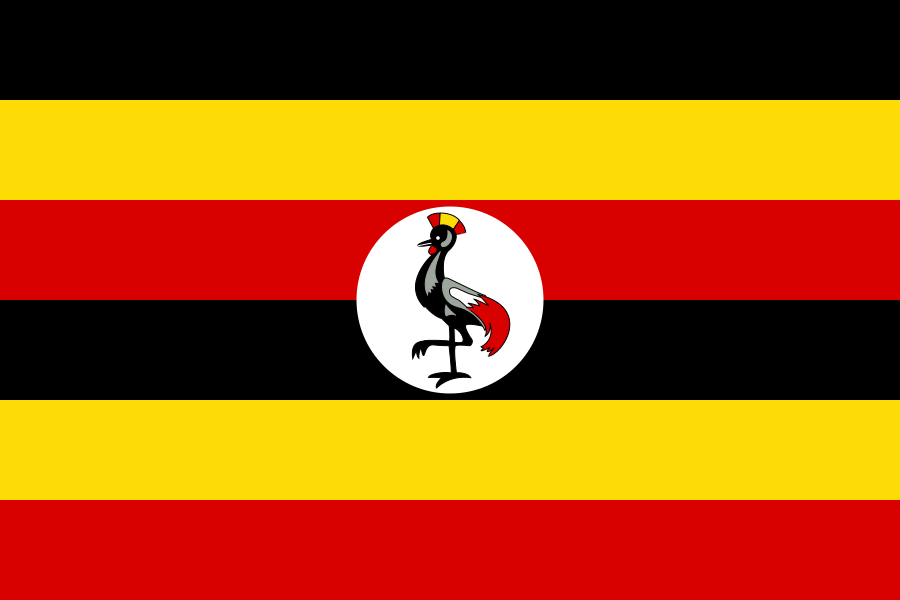
Uganda
UGUganda is the Pearl of Africa, as Churchill called it: equatorial forest with mountain gorillas, savannah with the Big Five, the source of the Nile and the snow-capped Rwenzori. You can spend an hour in the company of some of the rarest gorillas alive, raft the Nile rapids and watch flamingos on crater lakes. The country is safe for visitors, friendly and remarkably affordable by African standards. Gorilla trekking in Bwindi is one of the most powerful experiences available to any traveller.
Where to go #
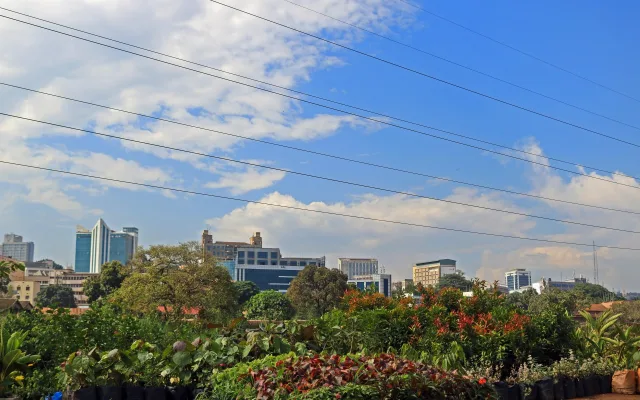
Kampala
Uganda's capital on seven hills — the UNESCO-listed Kasubi Tombs, the national mosque and a base for gorilla trekking.
Jinja
The adventure capital of East Africa — the source of the White Nile, grade V rafting and kayaking on the rapids.
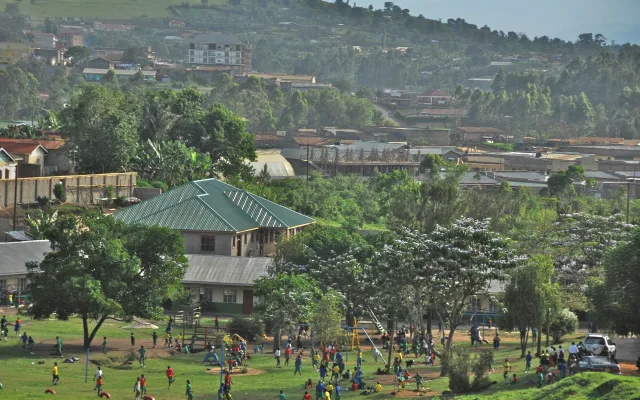
Fort Portal
The gateway to Kibale and the Rwenzori — chimpanzee trekking, dozens of crater lakes and tea plantations in the kingdom of Toro.
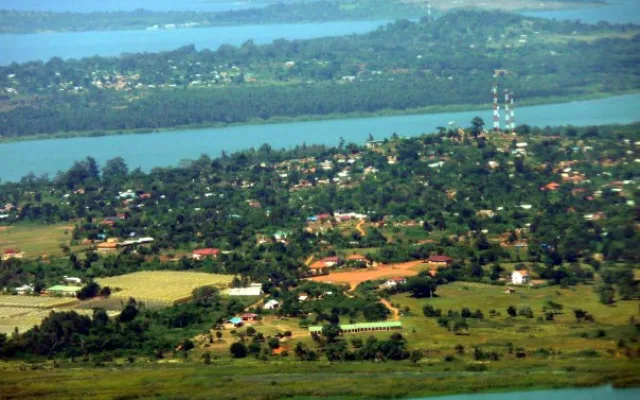
Entebbe
A town on the shore of Lake Victoria with the country's international airport — the wildlife centre, the botanical gardens and chimpanzees on an island sanctuary.
What to see #
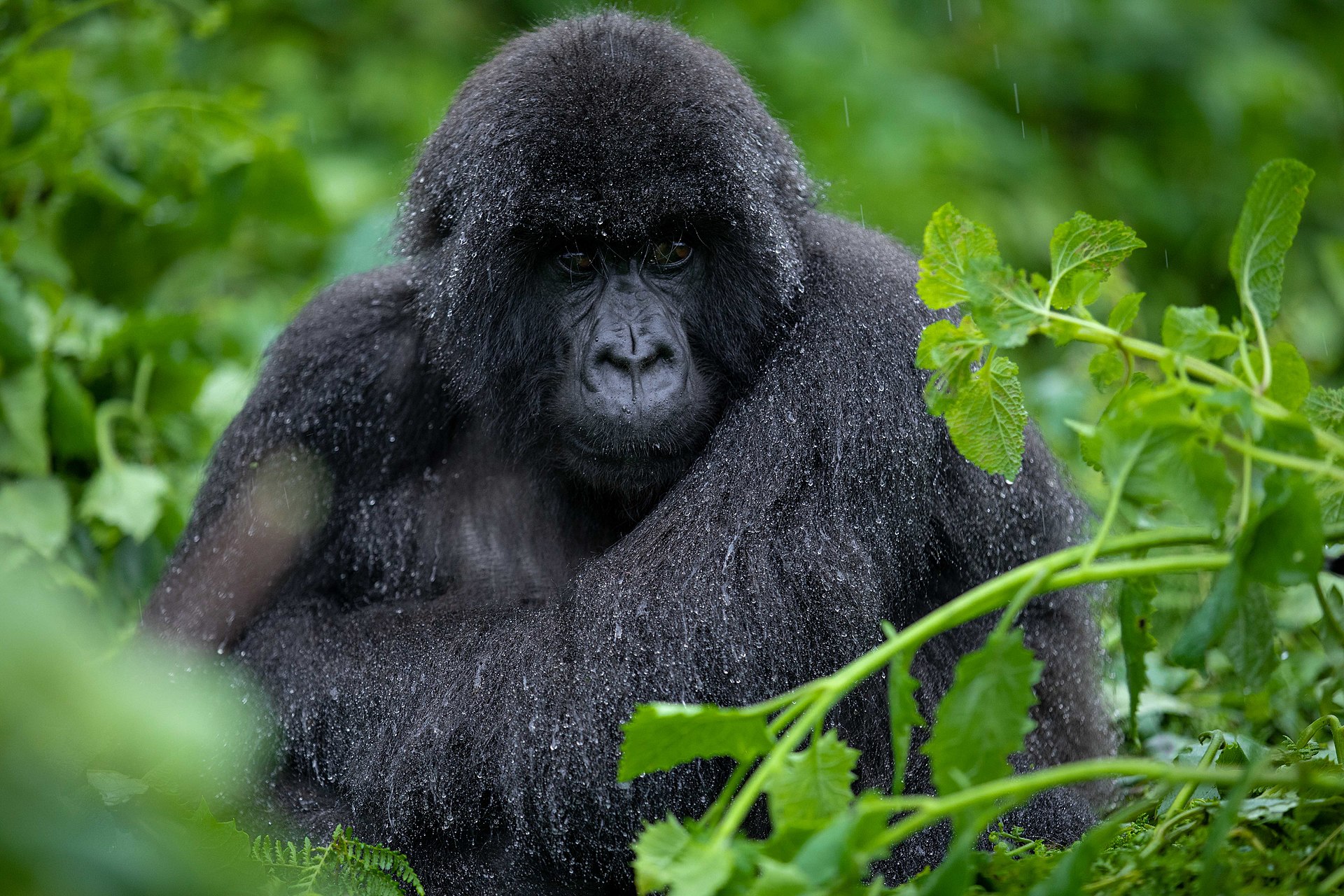
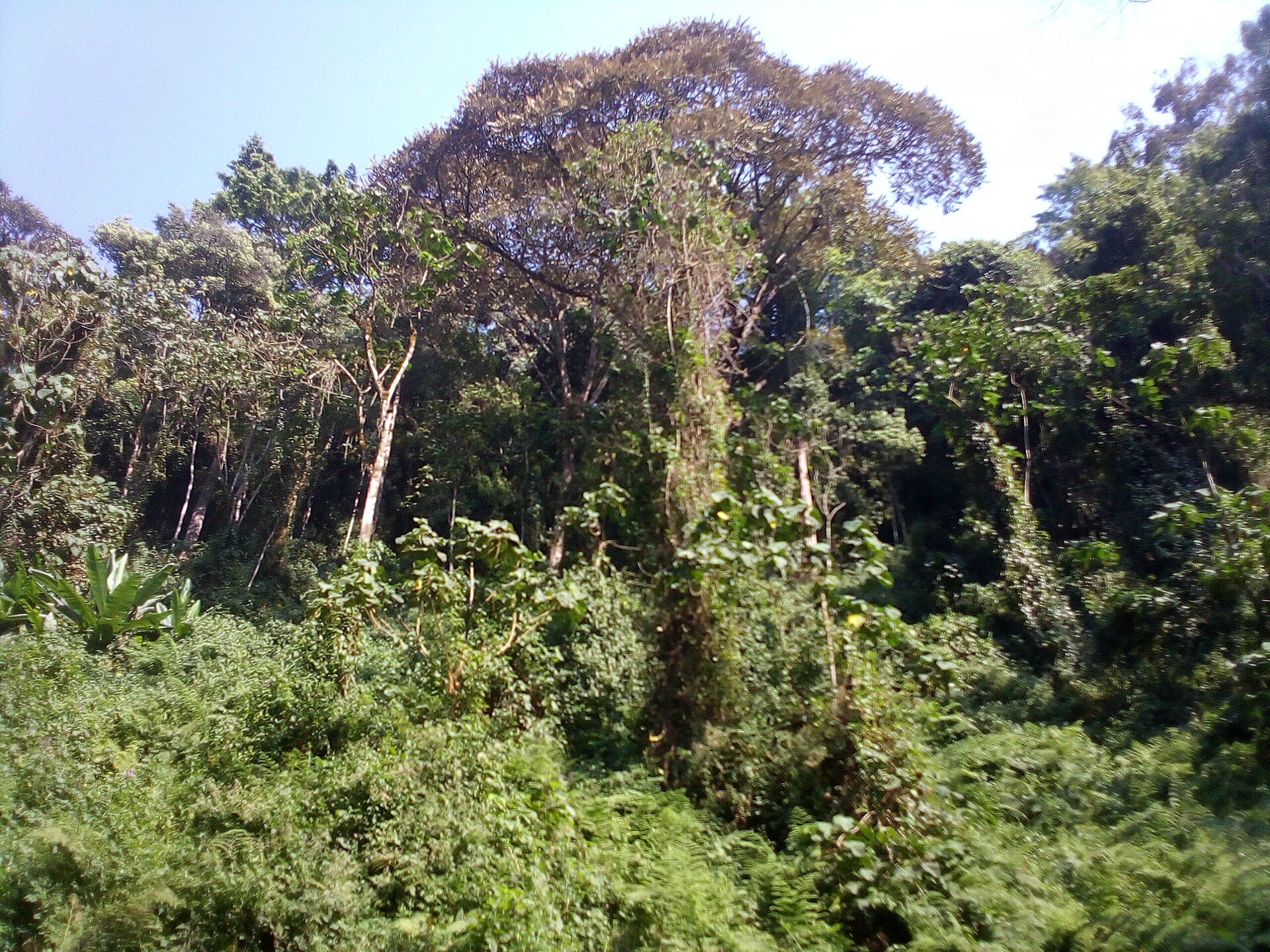
Gorillas in Bwindi are the single reason most people come to Uganda independently. An hour beside a habituated family in the UNESCO-listed "impenetrable forest" tends to outshine everything else on an African trip, however much else you fit in.
Chimpanzees in Kibale Forest are what to see if you enjoy walking hard for a payoff. Thirteen primate species live in the park, and watching chimp social behaviour feels uncomfortably like meeting someone who understands exactly what you are.
Murchison Falls is the entire Nile squeezed into a gap a few metres wide. Take the boat to the base of the falls: you feel the ground shaking through your feet before you properly see the water.
The tree-climbing lions of Ishasha are a genuine rarity, found in the southern sector of Queen Elizabeth National Park. The lions spend the hot hours draped over fig branches, which makes photography absurdly easy.
Lake Victoria pulls backpackers to the Ssese Islands, all palms and soft sand. Where to go for total idleness and freshly grilled tilapia is these quiet fishing villages in the middle of an inland sea.
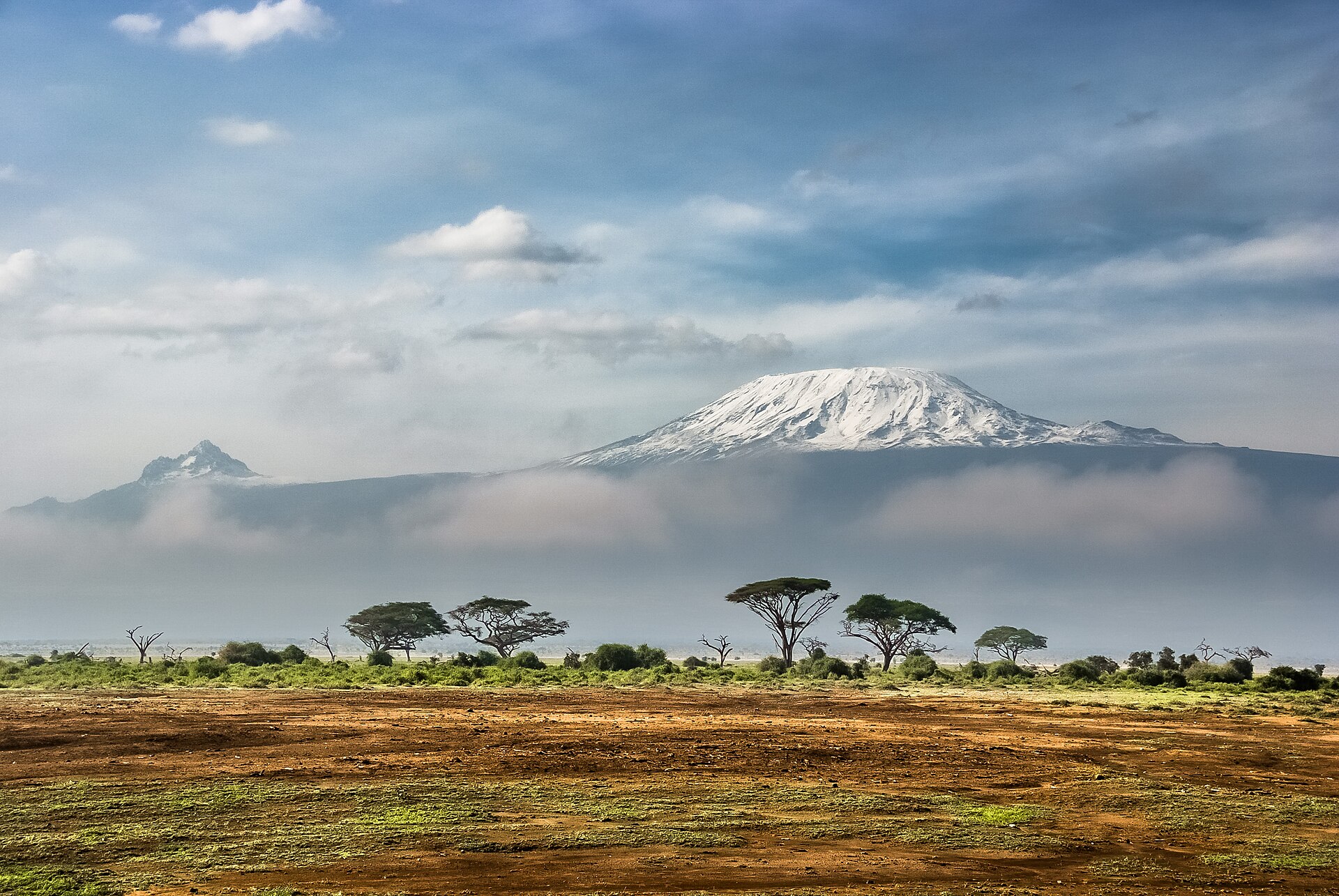
The Rwenzori Mountains draw anyone who wants to stand next to permanent glaciers on the equator. These legendary "Mountains of the Moon" offer everything from short forest walks to week-long ascents, so the range is worth a trip at any fitness level.
Prices #
Cash: The currency is the Ugandan shilling, and the best rates are at Entebbe airport or the forex bureaux in Kampala. Bring US dollars printed after 2017, because older notes are routinely refused, and small denominations always get a worse rate than hundreds.
Cards: Visa and Mastercard work in upmarket hotels, safari lodges and a handful of Kampala supermarkets, while Amex is close to useless. Outside the capital plastic is decoration, so carry a thick wad of shillings, since even park gates lose their connection for hours at a time.
ATMs: Stanbic and Absa machines in the larger towns are the dependable ones, though the per-withdrawal fee stings. A Wise or Revolut card keeps the conversion honest, and it is worth telling your bank you are travelling before you go.
Tipping: Nothing extra is expected in local cafés, but safari guides and forest rangers should get roughly $5-10 a day. It counts as good manners, and those are the people keeping you safe around large animals.
| Item | Price (USD) |
|---|---|
| Rolex from a street stall | 1.00 |
| 1.5L bottled water | 0.50 |
| Litre of diesel | 1.40 |
| Matatu ride | 0.50 |
| Lunch in a local café | 3.00 |
| Beer in a bar | 1.50 |
| Night in a guesthouse | 25.00 |
| SIM card with data | 6.00 |
| Boda-boda across town | 1.50 |
| Kilo of mangoes | 0.80 |
| National park entry | 40.00 |
| Chimpanzee trekking permit | 250.00 |
| Gorilla permit | 800.00 |
| Dinner in a restaurant | 15.00 |
| Intercity bus ticket | 8.00 |
Getting around #
Getting in: Entebbe is the only international airport, and most travellers connect through Doha, Dubai, Istanbul or Addis Ababa. Brussels and Amsterdam give the shortest routings from Europe, while coming from North America means two stops each way, so build in a buffer day before any permit date.
Matatu minibuses: The cheapest way to move around town. They leave when full, the seat you get is smaller than advertised, and it is the fastest immersion in ordinary Ugandan life for pennies.
Buses: For city-to-city hops look for the Link Bus or Jaguar terminals. Buy on the morning of travel; the timetables are real and the long-haul services are considered reliable.
Boda-bodas: Motorcycle taxis cut straight through the jams and are also the riskiest thing you will do here. Use the SafeBoda or Uber apps so the fare is fixed and the rider actually carries a spare helmet for you.
Car hire: If the budget allows, book a 4x4 through a local outfit over WhatsApp. A RAV4-class car will not cope inside the parks, and proper all-wheel drive is what saves you on washed-out murram roads.
Boats: Ferries cross Lake Victoria to the Ssese Islands. It is slow travel in the good sense, with views, conversations with locals and a sunset watched from the open upper deck.
Domestic flights: AeroLink runs small planes between Entebbe and the remote parks. Expensive, but it removes ten hours of dust and corrugations if all you want is gorillas and game drives.
Where to stay #
Guesthouses: The default budget option, available in any town. Twenty to thirty dollars gets you a room, a mosquito net over the bed and a simple breakfast of tea and chapati.
Town hotels: In Kampala and Entebbe, $40-60 buys a hot shower and working wifi. Read recent reviews before booking, because rooms age fast in this climate and a photo from two years ago means nothing.
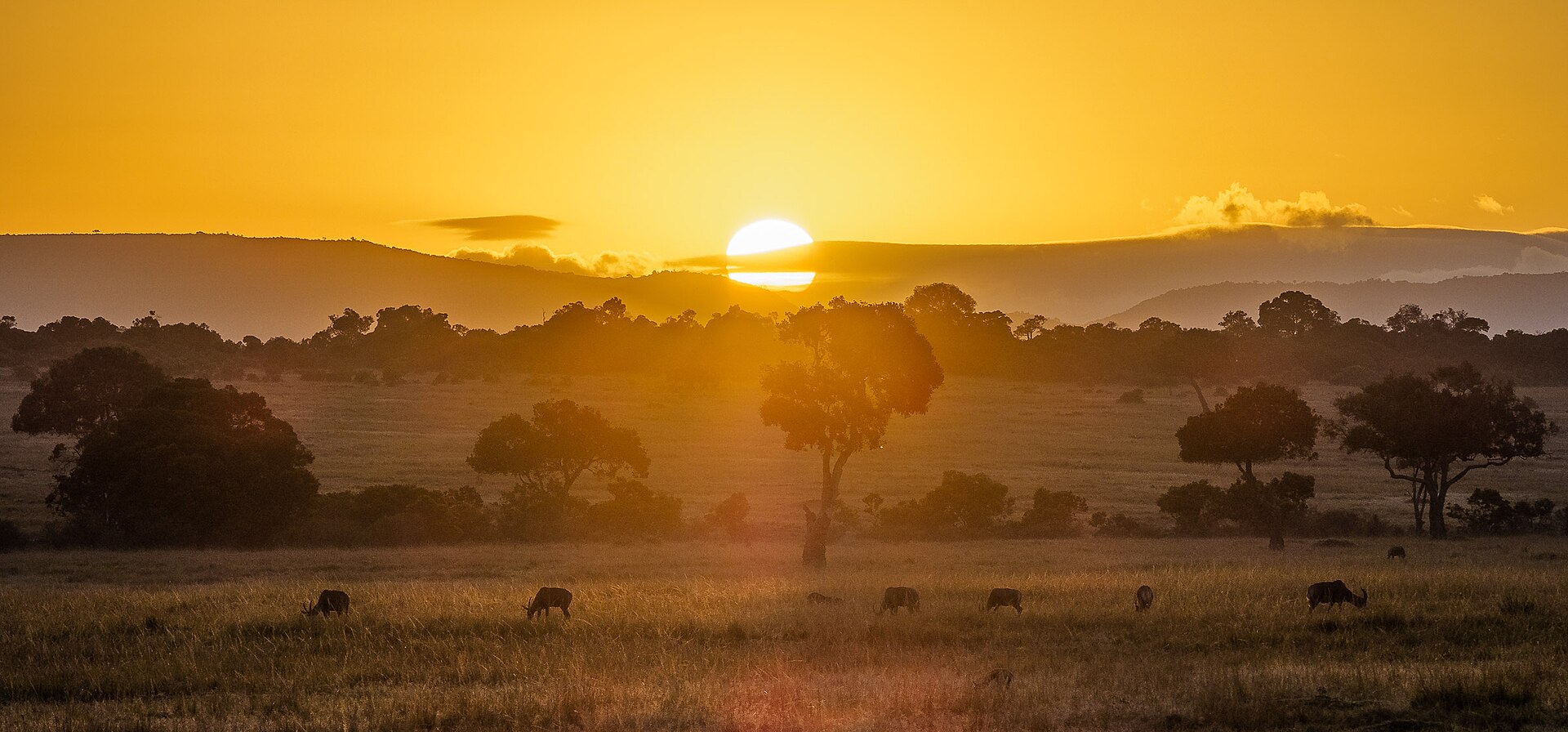
Camping: Most park gates have pitches or permanent safari tents with proper beds. You wake up in the savannah listening to whatever walked past in the night, and you skip lodge prices entirely.
Rooftop tents: Hiring a jeep with a tent on the roof makes you independent of availability. It works especially well in Murchison Falls, where you can legally pitch up inside authorised zones.
What to expect: Even in decent-looking places hot water may only run in the mornings and the generator keeps its own hours. Check the mosquito net for holes and test the socket before you drop your bag.
Where to stay: In Kampala pick Kololo, which is quiet, green and well guarded. If you would rather have street food and noise, look at Kabalagala, but expect bar music until dawn.
What to eat #
Rolex: The country's street-food hit, sold on every corner. A fresh omelette with tomato and onion rolled inside a chapati is cheap, filling and the best breakfast a traveller can buy for a dollar.
Matoke: Green cooking bananas steamed for hours into a savoury mash. It arrives as the main starch, usually under a thick groundnut sauce, and it keeps you going until dark.
Water and ice: Never drink from the tap, and skip ice in drinks at roadside places. Use bottled water even for brushing your teeth, because stomach infections ruin more Uganda trips than anything else.
Luwombo: Meat, chicken or mushrooms slow-steamed inside banana leaves with vegetables and spices. The texture is extraordinarily tender, and it is the dish to order in the traditional restaurants of central Kampala.
Tilapia: Huge Lake Victoria fish, grilled or deep-fried whole. The freshest is in the lakeside cafés of Entebbe, served with a mountain of chips and a plain tomato-and-cabbage salad.
Muchomo: Charcoal-grilled meat on wooden skewers, sold straight from the roadside. It is how you eat quickly on a long bus journey or a self-drive day without stopping properly.
Safety #
Petty theft: Watch your phone and wallet in crowded parts of the capital and in markets. Pickpockets here are skilled, so do not wave a phone around and do not wear a daypack on your back in a crush.
Roads: Crash risk on the highways is genuinely high, so use drivers that people recommend and refuse night departures. Riding a motorbike without a helmet is about the most dangerous thing you can do in Uganda.
Malaria: Mosquitoes carry it everywhere in the country, so repellent and a net are not optional extras. Buy a rapid test and a course of Coartem at a local pharmacy, because treating a fever early is what actually matters.
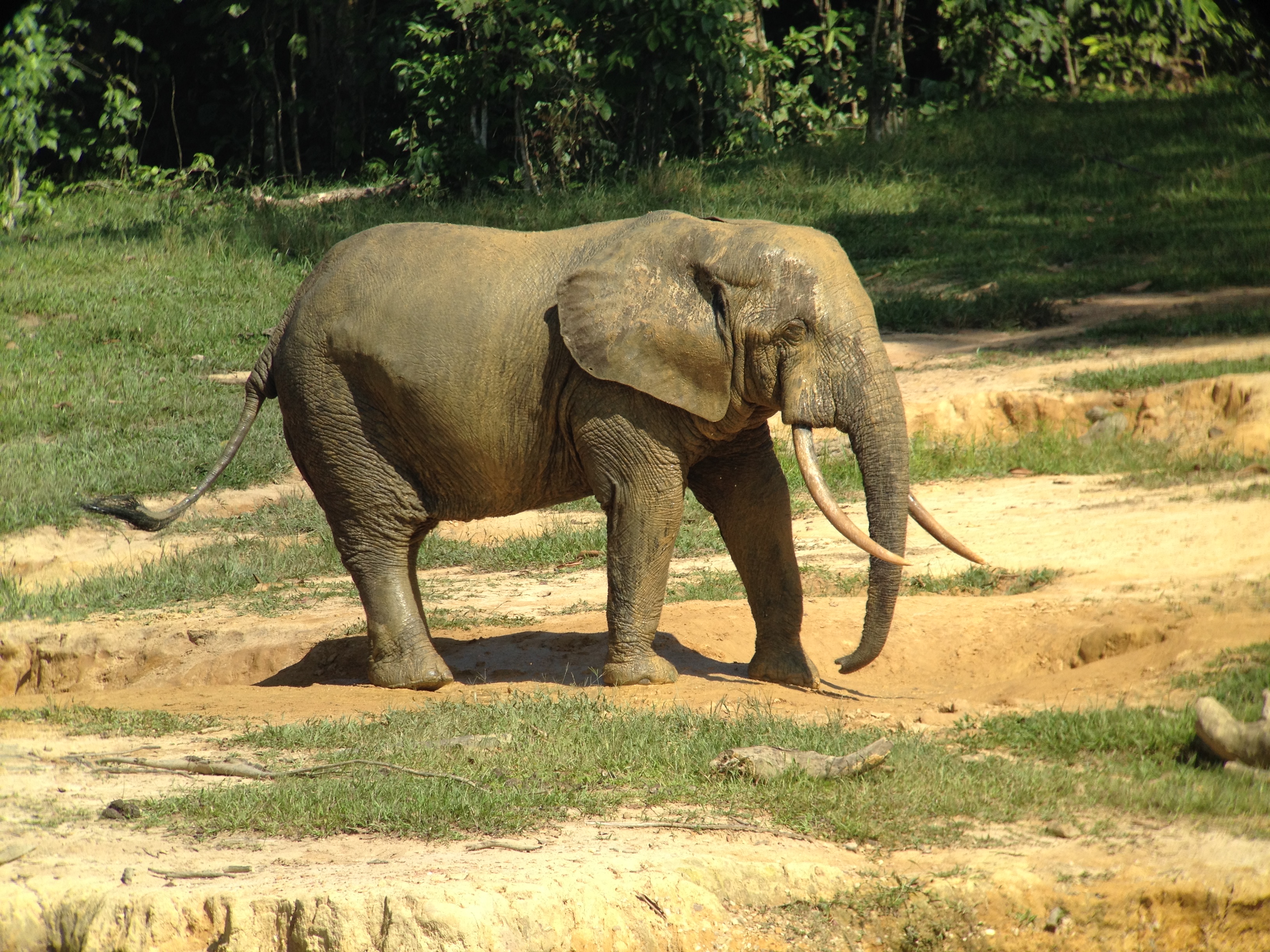
Wildlife: Getting out of the vehicle outside designated areas is forbidden, and for good reason. These animals are wild, and elephants will charge a car that pushes too close or makes noise.
Local law: Uganda is socially conservative and the laws affecting LGBT people are severe, with prison sentences attached. Public displays of affection are best avoided entirely, whoever you are travelling with.
Border regions: Do not travel independently towards the South Sudanese or Congolese borders. Instability flares up there periodically, so check your own government's travel advisory and stick to the classic routes.
Etiquette and culture #
Greetings: You cannot walk up to someone and ask directions cold. Say hello, ask how they are, and only then get to the point, because that small ritual opens every door in Uganda.
Right hand: Hand over money, goods or food with your right hand only. The left is considered unclean, and using it reads as a real personal insult rather than a foreigner's slip.
Dress: Ugandans stay neat even in serious heat. Shorts are fine on a traveller, but trousers and covered shoulders are the right call for churches, mosques and village visits.
Muzungu: Expect children to shout this at you happily from the roadside. It simply means "white foreigner", there is no hostility in it, so smile and wave back.
Photography: Always ask before pointing a camera at a person or their stall. Photographing military installations, bridges and police is prohibited and will land you in a station explaining yourself.
Pace: "African time" means everything runs late. The menu takes a while, the bus waits for stragglers, so relax into the rhythm, because irritation changes absolutely nothing.
Connectivity #
Networks: MTN and Airtel dominate the market, and both sell SIM cards at the airport. Registration needs your passport, and you will have maps and a translator working before you leave the terminal building.
Coverage: 4G is solid in Kampala but thins out fast in rural districts. Deep in Bwindi there is often nothing at all, so download offline maps before you leave the tarmac.
eSIM: If your phone supports it, Airalo or Yesim will have you online the moment you land. It saves hunting for a kiosk on arrival and is worth the small premium on a short trip.
Language: English is an official language and it appears on signs, menus and paperwork, so anyone working in tourism will understand you without an interpreter. Luganda is what you hear on the street, and a couple of words of it earns instant goodwill.
Mobile money: Paying by phone balance is universal here. Locals settle taxi fares and market purchases straight from their SIM, and it is the smoothest way to handle small amounts.
Wifi: In budget guesthouses the internet is slow and often only reaches reception. If you need to work, buy a large mobile data bundle rather than trusting the hotel router.
Access: Messaging apps occasionally slow down because of local rules and taxes. Everything runs normally through a reputable VPN, which is far easier to install before you fly than after you arrive.
Phrasebook #
| English | Luganda | Pronunciation |
|---|---|---|
| Hello | Oli otya | OH-lee OH-chah |
| Good morning | Wasuze otya | wah-SOO-zeh OH-chah |
| How are you all? | Muli mutya | MOO-lee MOO-chah |
| I'm fine | Bulungi | boo-LOON-gee |
| Thank you | Webale | weh-BAH-leh |
| Thank you very much | Webale nnyo | weh-BAH-leh n-YOH |
| Yes | Yee | yeh |
| No | Nedda | NEH-dah |
| Good, nice | Kirungi | chee-ROON-gee |
| How much is it? | Ssente mmeka? | SEN-teh MEH-kah |
| That's expensive | Bbeeyi nnyo | BEH-yee n-YOH |
| Water | Amazzi | ah-MAH-zee |
| Food | Emmere | eh-MEH-reh |
| Friend | Mukwano | moo-KWAH-noh |
| Help me! | Nnyamba! | n-YAM-bah |
| White foreigner (slang) | Muzungu | moo-ZOON-goo |
| Goodbye | Weeraba | weh-RAH-bah |
| Please | Mwattu | MWAH-too |
| Toilet | Kaabuyonjo | kah-boo-YOHN-joh |
| Take it easy (slang) | Mpola mpola | m-POH-lah m-POH-lah |
| No problem (slang) | Tewali buzibu | teh-WAH-lee boo-ZEE-boo |
| Let's go | Tugende | too-GHEN-deh |
Good to know #
Plugs: Uganda uses British type G sockets with three rectangular pins. Buy the adapter before you fly or find one in a Kampala hardware shop, because budget hotels never have enough of them to go round.
Medical kit: Pack antibiotics, rehydration salts, a sorbent and plenty of plasters. Specific medicines are impossible to find in rural areas, and city pharmacies sell expensive or questionable substitutes.
Drinking water: Buy bottled water only, and check the seal ring is intact before you pay. Empty bottles are sometimes refilled from the tap and resold to tourists who are not paying attention.
A torch: A head torch is genuinely essential kit here. Town streets get very dark after sunset and campsite generators run to a schedule, usually one that ends before you want it to.
Laundry: Any guesthouse will wash and dry your clothes for a couple of dollars. Humidity means everything dries slowly, and road dust turns white shirts a permanent shade of orange.
When to go: Aim for January or July, when the roads dry out and animals gather at the waterholes. In the rains the murram tracks dissolve and a self-drive trip can end in the first deep puddle.