Zimbabwe
ZWThe country of Victoria Falls, one of the seven natural wonders of the world, where a wall of water 1.7 km wide drops into the Zambezi gorge. Zimbabwe also has superb safari in Hwange National Park, the enigmatic ruins of Great Zimbabwe and a warm welcome from its people. A dollarised economy keeps prices predictable and English makes communication easy. This is Africa unfiltered: wild, real and unforgettable.
Where to go #
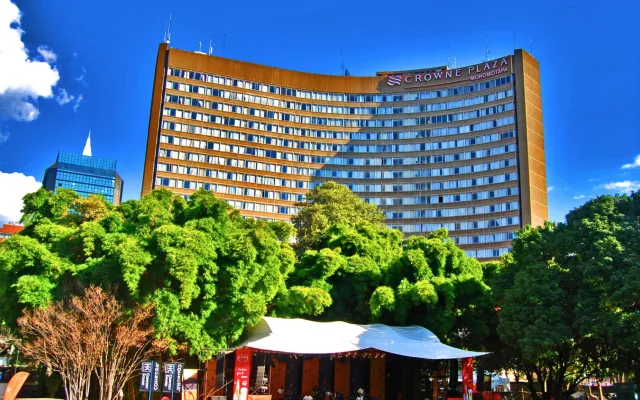
Harare
Harare is the capital of Zimbabwe, known for its National Botanic Garden, the National Gallery and as the starting point for visits to the ruins of Great Zimbabwe.
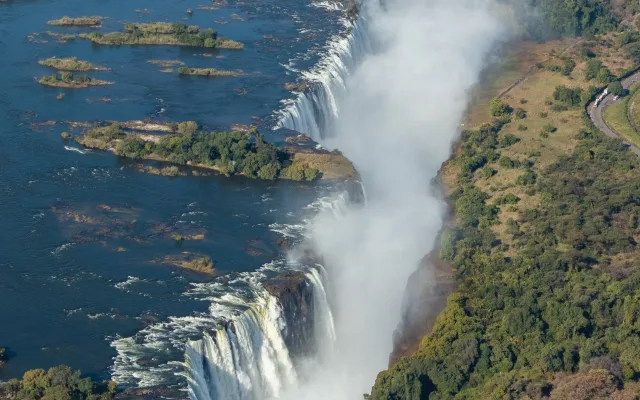
Victoria Falls
Victoria Falls is the town beside one of the widest waterfalls in the world, a UNESCO site. Here you can see the bridge over the Zambezi and set off on safari.
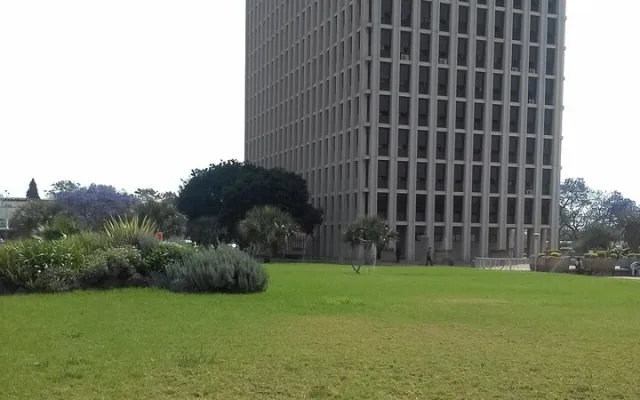
Bulawayo
Bulawayo is the second largest city in Zimbabwe, known for its colonial architecture, its museum and Matobo National Park.
What to see #
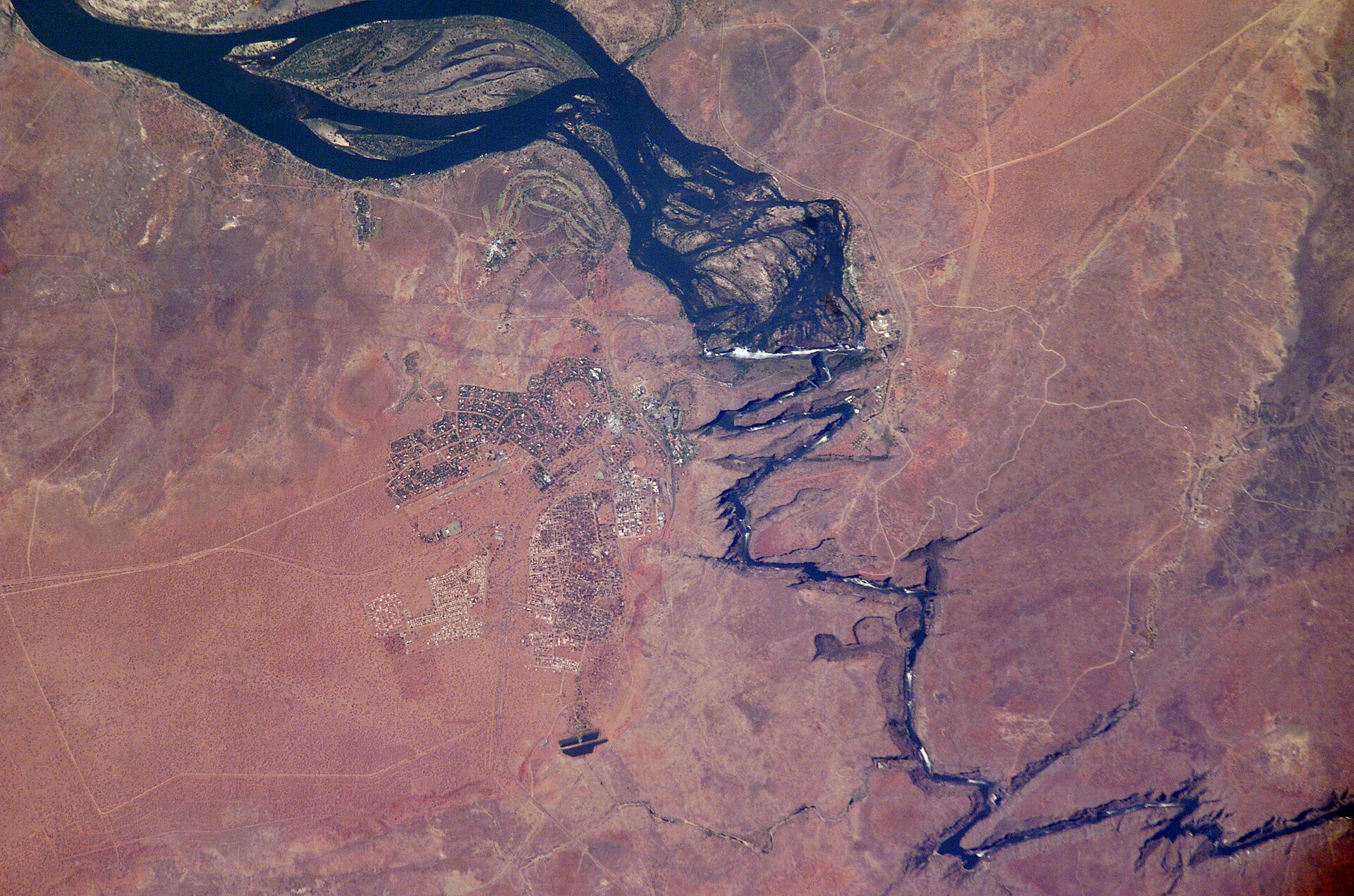
Victoria Falls: The one thing everyone wants to see in the west of the country. The Zimbabwean side wins in the dry season, because the water here never dries up completely, and the string of viewpoints lets you stand about as close to the edge as anyone sensibly should.
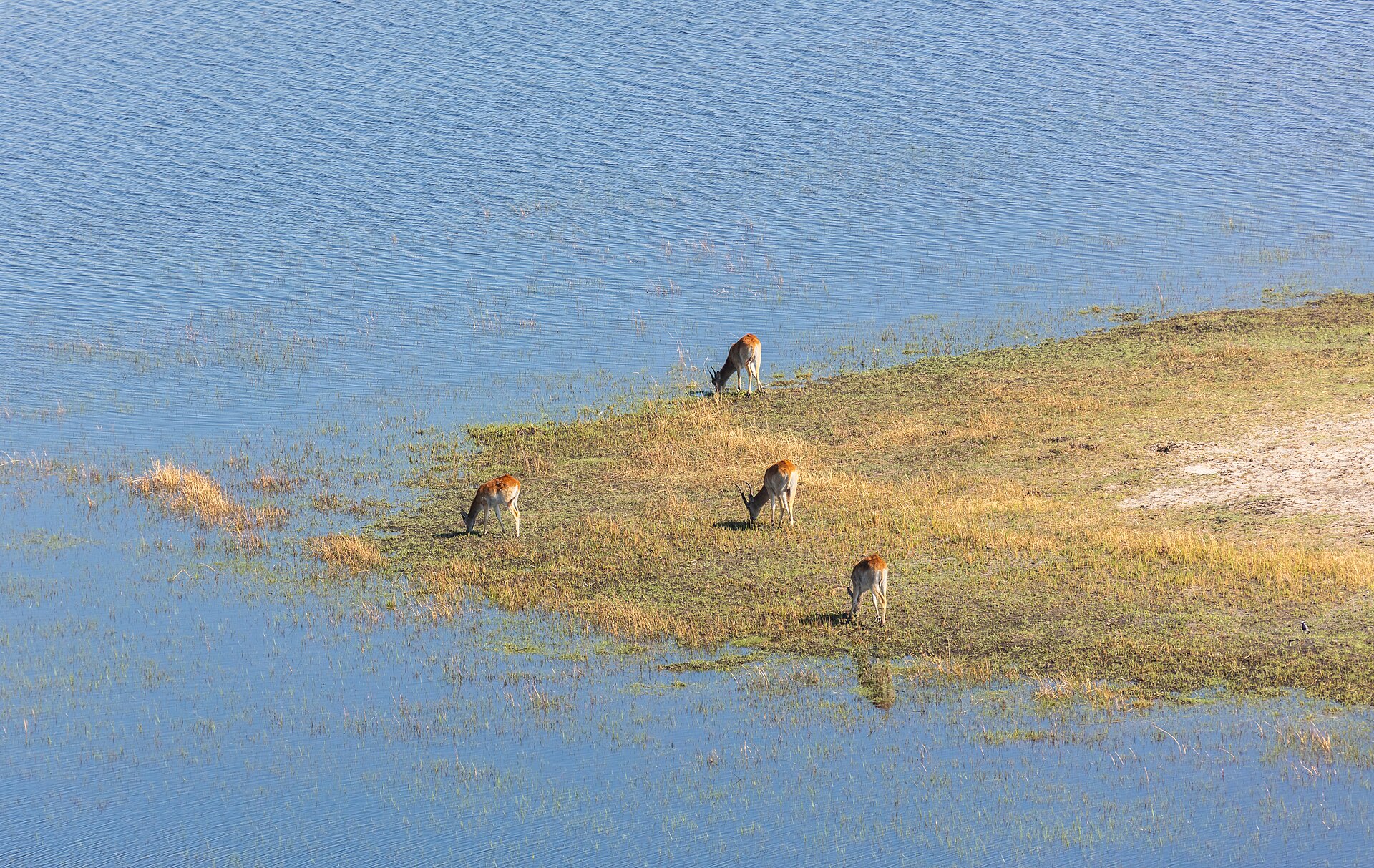
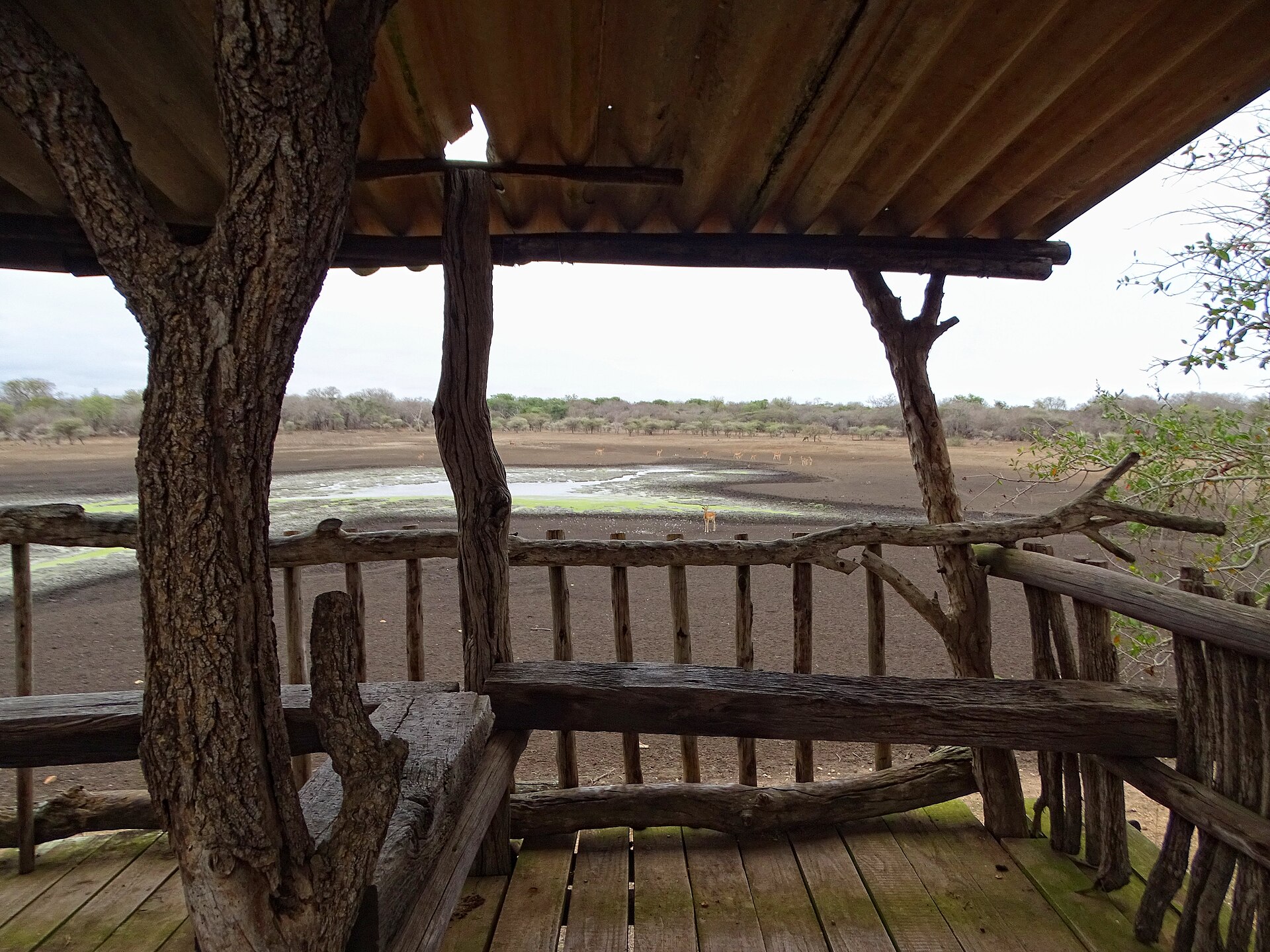
Hwange National Park: Worth a trip for the huge elephant herds and for watching predators work the waterholes. Plan your visit for the dry season, when animals come to the pumped pans on their own and you can sit in a hide with a camera for hours.
Great Zimbabwe: These mysterious granite ruins, built without a drop of mortar, are far bigger than photos suggest. To cover all three complexes in a day, arrive at opening time, when soft light picks out the dry stonework of the Hill Complex.
Matobo: A park of improbable granite boulders and ancient rock paintings. Come for the walking safaris with rangers who will bring you within arm's reach of rhino, something that is effectively impossible in most other African parks.
Mana Pools: A wild stretch of the Zambezi bank for travellers who want real adrenaline. Unguided walking is permitted here, but only attempt it with experience, because you will be alone with lions and hyenas in thick riverine bush.
Lake Kariba: A vast man-made sea where you can charter a boat or spend a few nights on a houseboat. Give it two nights to see the famous sunsets and the drowned forest of dead trees standing in the water, now colonised by herons.
Prices #
Cash: The US dollar is the only currency a traveller really needs. Bring a thick stack of small notes in ones, fives and tens, because change is a genuine national shortage and a fifty-dollar bill can stall a transaction completely.
Cards: Visa and Mastercard work only at chain supermarkets and larger hotels, and Amex is close to useless. ATMs are frequently empty or refuse foreign cards outright, so plan to carry your entire trip budget in cash rather than relying on withdrawals.
Bringing money in: Carry clean, undamaged notes printed after 2009, as worn bills get refused. Wise and Revolut help with flights and lodges booked online, but solve nothing on the ground.
The ZiG: The new local currency is slowly entering circulation, but its rate swings wildly. Independent travellers barely need it, since guesthouses, parks and buses all quote and accept dollars anyway.
Tipping: Leave around ten percent in cafes. On safari it is normal to thank your ranger for a good drive, and five to ten dollars per person is well received.
| Item | Price (USD) |
|---|---|
| Water 1.5 l | 1.50 |
| Sadza with meat | 4.00 |
| Zambezi lager | 2.00 |
| Dinner in a cafe | 12.00 |
| Coffee | 3.00 |
| SIM card | 5.00 |
| City taxi ride | 5.00 |
| Intercity coach | 20.00 |
| Guesthouse room | 45.00 |
| Dorm bed | 15.00 |
| Victoria Falls entry | 50.00 |
| Hwange park fee | 24.00 |
| Great Zimbabwe entry | 15.00 |
| Fridge magnet | 2.00 |
| Bottle of cola | 1.00 |
Getting around #
Getting in: Almost everyone arrives on a connection. From Europe the smoothest routes run through Addis Ababa, Doha, Dubai or Istanbul; from North America you will usually clear customs in Johannesburg first. Johannesburg and Nairobi feed both Harare and Victoria Falls with several flights a day.
Coaches: Intercity and Eagle Liner run proper long-distance coaches between the main towns. Buy a day ahead at the bus terminal; Harare to Bulawayo takes around five hours and costs 15 to 20 dollars.
Domestic flights: The budget carrier Fastjet links the main tourist points and saves enormous amounts of time. Harare to the falls starts around 80 dollars if you book online well in advance.
Kombis: Local minibuses are the cheap option, always crammed full, and will drop you almost anywhere for a dollar or two. Expect loud music and a stop every time someone shouts.
Trains: The overnight service between Bulawayo and Victoria Falls is slow and the carriages are ancient, but it saves a night's accommodation and has a certain faded Rhodes-era romance to it.
Car hire: Driving is on the left, main highways are passable, but provincial roads are full of potholes. Do not drive after sunset under any circumstances, because stray cattle and wildlife wander onto the tarmac.
Taxis: Harare has the Vaya app; everywhere else you negotiate directly with the driver. Always agree the final price before you get in, since meters simply do not exist here.
Where to stay #
Backpackers: Victoria Falls has legendary spots like Shoestrings, where life revolves around the bar and the pool. It is the best option for solo travellers looking for people to split a 4x4 hire or a rafting trip with.
National park camps: ZimParks runs camps inside the reserves, offering basic self-catering chalets or pitches for a tent. This is how you wake up to lions roaring without paying luxury lodge rates.
Guesthouses: In Harare and Bulawayo the private sector is the better bet. Walled cottages with a garden and an electric fence give you peace and security, and owners will usually help with logistics and practical advice.
Camping: Bring your own tent and your budget halves. Almost any provincial hotel will let you pitch on the lawn for around ten dollars and use the showers, which suits travellers watching every dollar.
City stays: Old downtown hotels tend to be overpriced for what they are. Modern serviced apartments in residential suburbs, booked online, give you more comfort for the money and far less street noise at night.
Lodges near parks: Staying inside Hwange is expensive, but there are cheaper options right on the park boundary. Always confirm whether park fees are included, or checkout will come with an unpleasant surprise.
What to eat #
Sadza: The backbone of Zimbabwean life. A dense maize porridge eaten with your hands, pinched into balls and dipped into meat gravy or stewed greens. A filling plate at any roadside eatery runs three to five dollars.
Braai: The local barbecue cult. Everything goes on the coals, from beef steaks to spicy boerewors sausage, and it is the simplest reliable way to eat well at any campsite with a fire pit.
Kapenta: Tiny dried fish from Lake Kariba, fried up with onion and tomato and served as a snack or a main. The flavour is an acquired one, but locals love it and it costs almost nothing.
Mopane worms: Exotica for the brave. These caterpillars are dried or fried with garlic and taste somewhere between bark and nuts. They are a serious protein source and sold at every rural market.
Drinks: Zambezi lager is genuinely refreshing in the heat, and Stoney ginger beer is worth trying at least once. Drink bottled water only, and check the seal on the cap before you pay for it.
Tea: The British habit never left. Hotels still serve strong tea with milk, and the aromatic estate teas from the Eastern Highlands make one of the better things to carry home.
Safety #
Petty theft: Watch your pockets in crowded parts of Harare and Bulawayo. Do not wear a backpack on your back in a bus station crowd, and never leave anything visible in a parked hire car, even for a minute.
Wildlife: In the national parks you are the guest, not the owner. Never step out of the vehicle outside designated areas, as elephants or lions can be standing a couple of metres away in thick scrub.
Malaria: The risk is real around the falls and through the Zambezi basin. Use a repellent with a high DEET content and always tuck the net in around the bed before sleeping, particularly in the rainy season.
Roads: The biggest danger here is not criminals but the tarmac. Poor lighting and animals appearing out of nowhere make night driving genuinely lethal, so schedule every transfer for daylight hours.
Water and hygiene: Swimming in rivers and lakes can mean bilharzia. Stick to hotel pools. Brush your teeth and drink from sealed bottles bought at established supermarkets.
Police: Officers deal with tourists correctly and calmly. If you are stopped at a roadblock, stay polite and relaxed. Never photograph anyone in uniform, military installations or government buildings, which is against the law. Check your own government's travel advisory before you book.
Etiquette and culture #
Stone sculpture: Zimbabwe has a world-class school of stone carving, with masters working serpentine into flowing abstract forms. Buy in the sculptors' villages, where prices are a fraction of what galleries in the capital ask.
Mbira music: The sound of this instrument is called the voice of the ancestors. It is a small wooden board with metal keys, and you will hear it at cultural evenings and simply on the street in town.
Greetings: Politeness matters enormously here. Always open with an enquiry about how someone is. Give and receive money or gifts with both hands and a slight bend of the knees, which reads as deep respect.
Dress: People dress modestly. Away from pools and safari camps, cover shoulders and knees. Bright colours also unsettle animals in the bush, so neutral beige and khaki serve you better on game drives.
Religion: Most Zimbabweans are Christian and Sunday service is a real event. If you go, expect long singing and a congregation dressed far better than you are, which is a spectacle in itself.
Tipping culture: Guides and park drivers expect to be thanked, usually five to ten dollars per person for a full day's work. In Harare restaurants the standard ten percent may already be on the bill, so check before adding more.
Connectivity #
SIM cards: Econet has the best coverage, including surprisingly remote areas. You need your passport to buy a SIM at an official shop, and activating data takes only a few minutes.
eSIM: If you would rather not queue, an eSIM from Airalo or a similar provider works fine on arrival and covers you for maps and messaging until you get a local number sorted.
Internet: 4G is quick in the towns but can vanish entirely inside Hwange or Mana Pools. Download offline maps and save every booking to your phone so you are not dependent on signal out in the bush.
Messaging: WhatsApp is the default channel for everything here. Taxis, guesthouses and safari operators are all booked through it, and most businesses reply in chat far faster than to email or a phone call.
Power: Scheduled load shedding is a fact of life. Better guesthouses have generators or solar, but a high-capacity power bank belongs in your daypack permanently.
Language: English is official and almost everyone speaks it, so menus, signs and road markings pose no problem. A few words of Shona, though, will win over anyone instantly and smooth over small hassles.
Sockets: Zimbabwe uses British Type G plugs. Pack the adapter before you fly, because they are hard to find locally and budget hostels rarely have enough sockets to go round.
Phrasebook #
| English | Shona | Pronunciation |
|---|---|---|
| Hello | Mhoro | m-HO-ro |
| How are you? | Makadii? | ma-ka-DEE |
| I'm fine | Ndiripo | ndee-REE-po |
| Thank you | Maita basa | ma-EE-ta BA-sa |
| Yes | Hongu | HON-goo |
| No | Aiwa | ai-WA |
| How much is it? | Imarii? | ee-ma-REE |
| That's expensive | Inodhura | ee-no-DHOO-ra |
| Water | Mvura | MVOO-ra |
| Food | Chikafu | chee-KA-foo |
| Help me | Ndibatsirewo | ndee-ba-tsee-RE-wo |
| Lion | Shumba | SHOOM-ba |
| Elephant | Nzou | n-ZOH |
| Meat | Nyama | NYA-ma |
| Friend | Shamwari | sham-WA-ree |
| Goodbye | Chisarai | chee-sa-RYE |
| Sorry | Pamusoroi | pa-moo-so-ROY |
| Welcome | Titambire | tee-tam-BEE-re |
| Beer | Hwahwa | HWA-hwa |
| Maize porridge | Sadza | SAD-za |
| Mate, bro | Mudhara | moo-DHA-ra |
| Cool, sorted | Zvirinane | zvee-ree-NA-ne |
Good to know #
Best time to go: July to October is ideal for safari, when the grass is low and animals crowd the water. For the falls at full power, choose April or May, but accept that you will be soaked to the skin within seconds.
Consular help: Few countries keep a mission here, so check whether yours covers Zimbabwe from Harare or from Pretoria, and save the number. In practice Zimbabwe is peaceful and travellers rarely need diplomatic assistance.
Health: Beyond malaria tablets, the sun is the thing that catches people out. You can burn in an hour under cloud, so use high SPF and wear a broad-brimmed hat on daytime drives.
Changing money: Never change dollars with people who approach you on the street, which is both illegal and risky. Use official bureaus, or simply pay in cash dollars everywhere, which is universally welcome.
What to pack for safari: Leave camouflage at home, since in parts of Africa it is reserved for the military. Cotton in neutral tones works best. Bring a warm fleece for dawn drives, because an open vehicle at 6am is genuinely cold.
Electricity: The grid is unstable and voltage spikes are common. Avoid leaving phones charging overnight, and use a surge protector whenever one is available to save your expensive electronics.