 Города и дороги
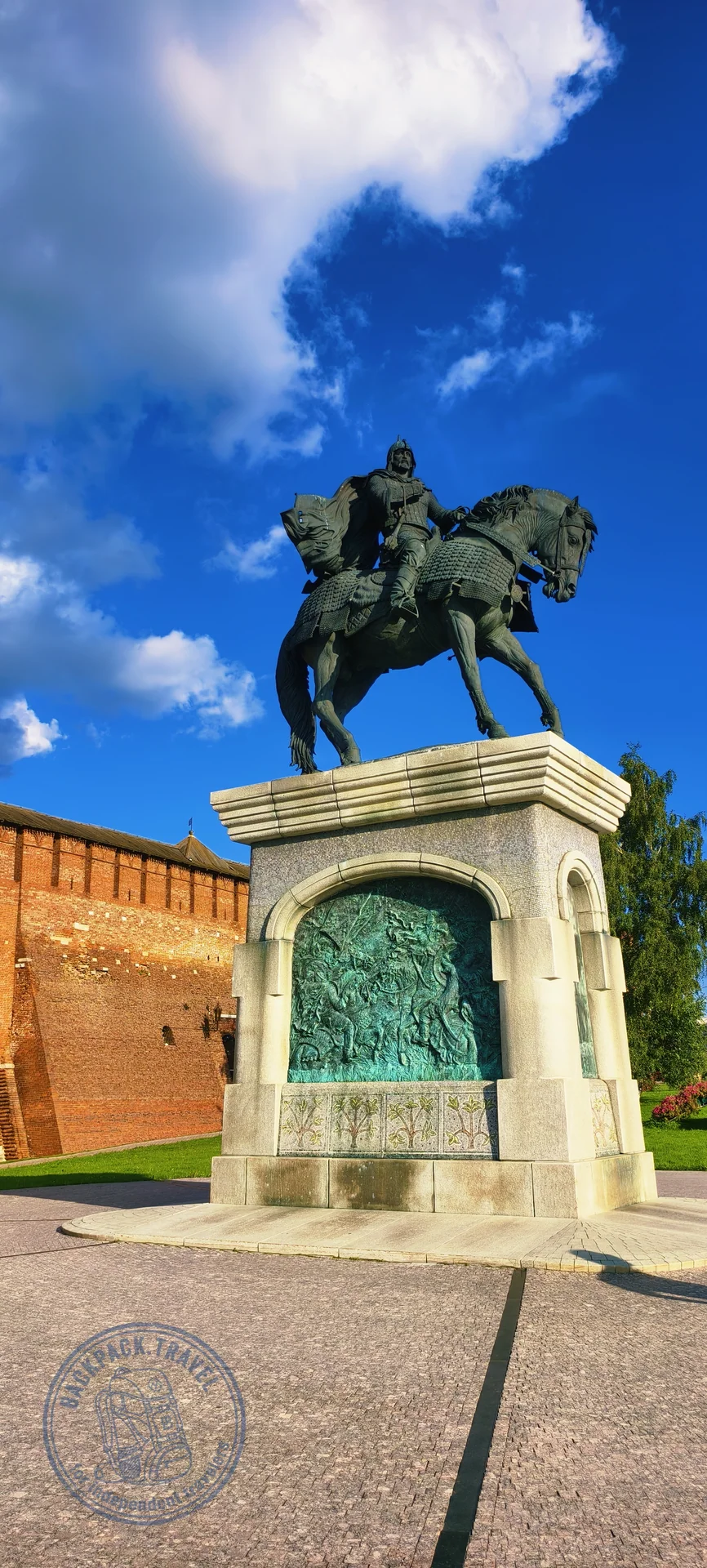
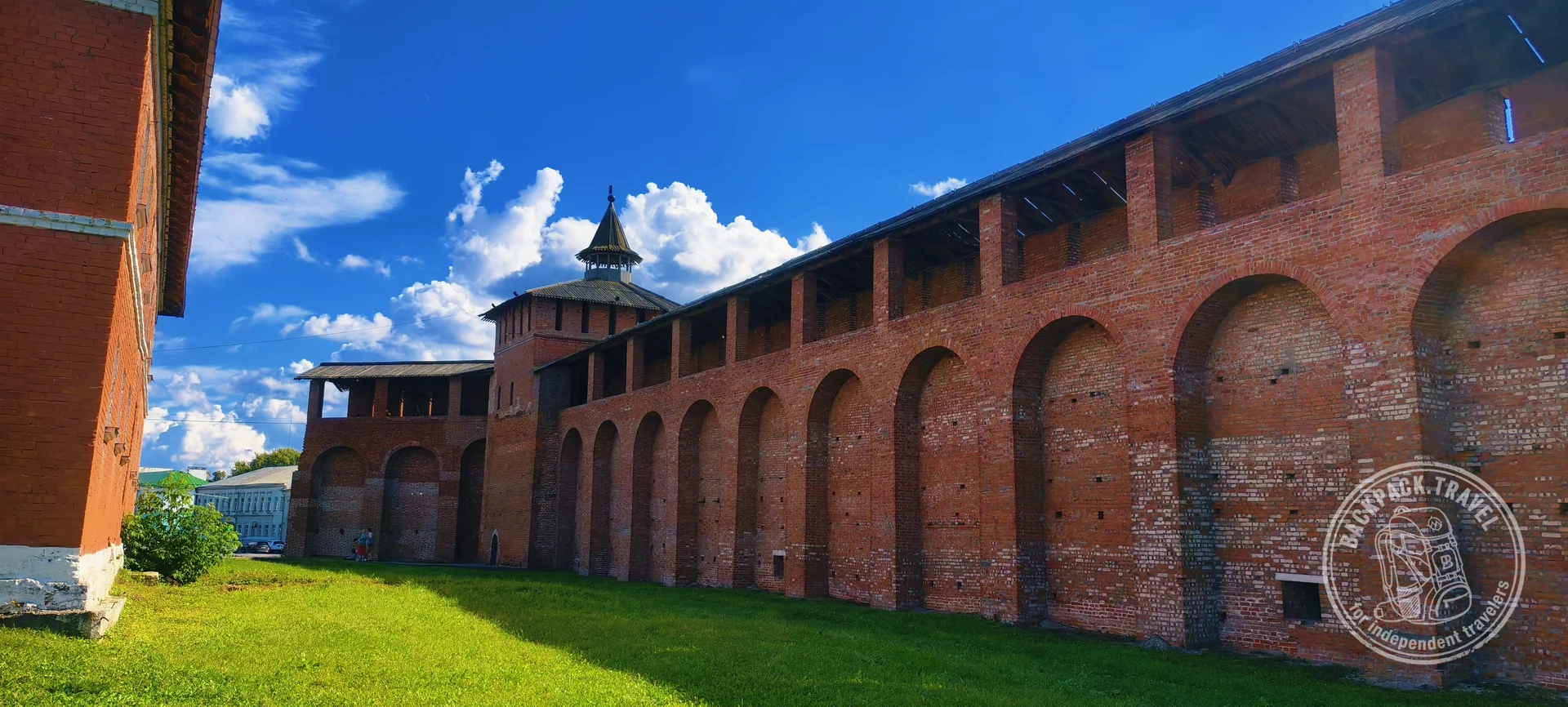
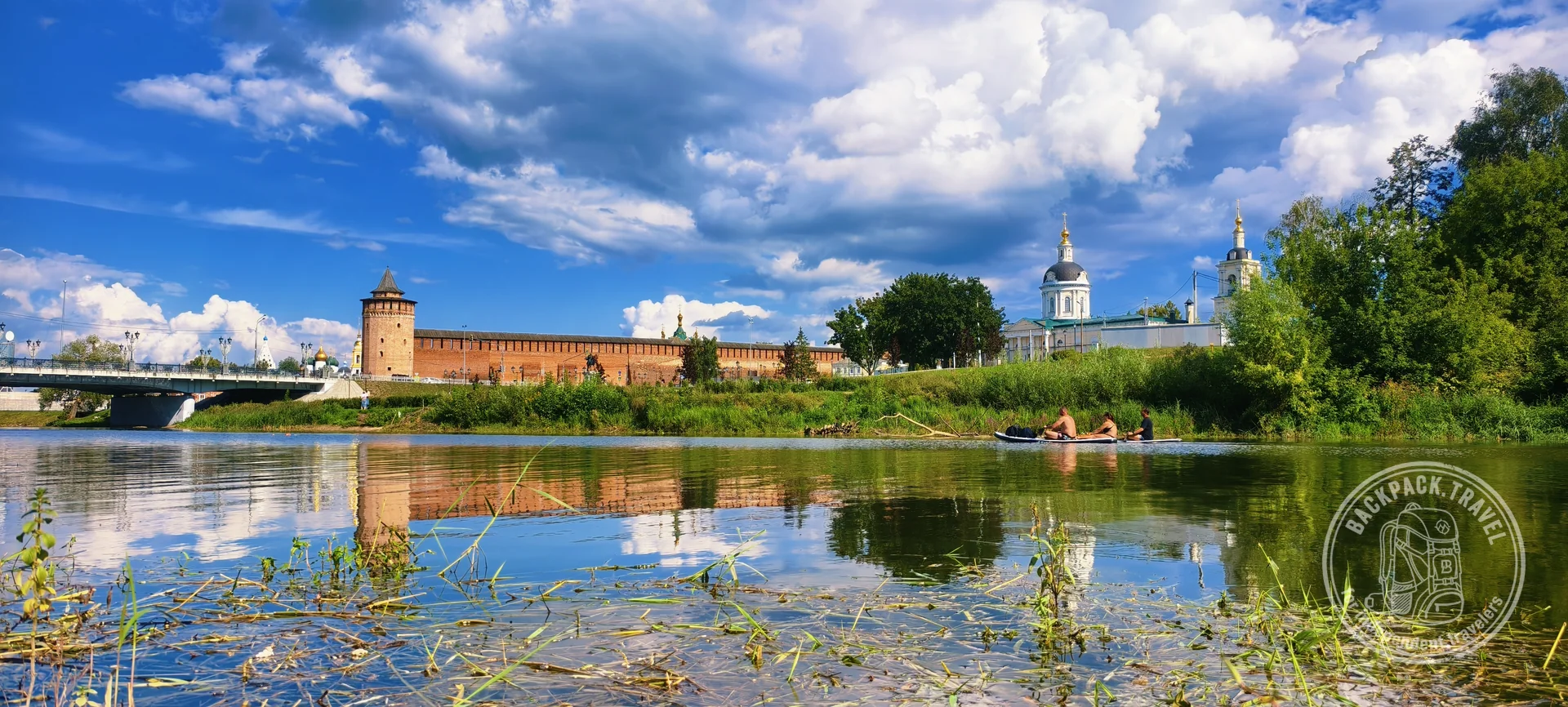
The brick fortress built between 1525 and 1531 under Vasily III, on the site of a wooden one, held the southern line of Moscow's defences and was barely weaker than the Kremlin in the capital. The walls rose more than twenty metres, were three to four metres thick, ran for almost two kilometres and enclosed twenty-four hectares, with sixteen towers around the perimeter.
What survives
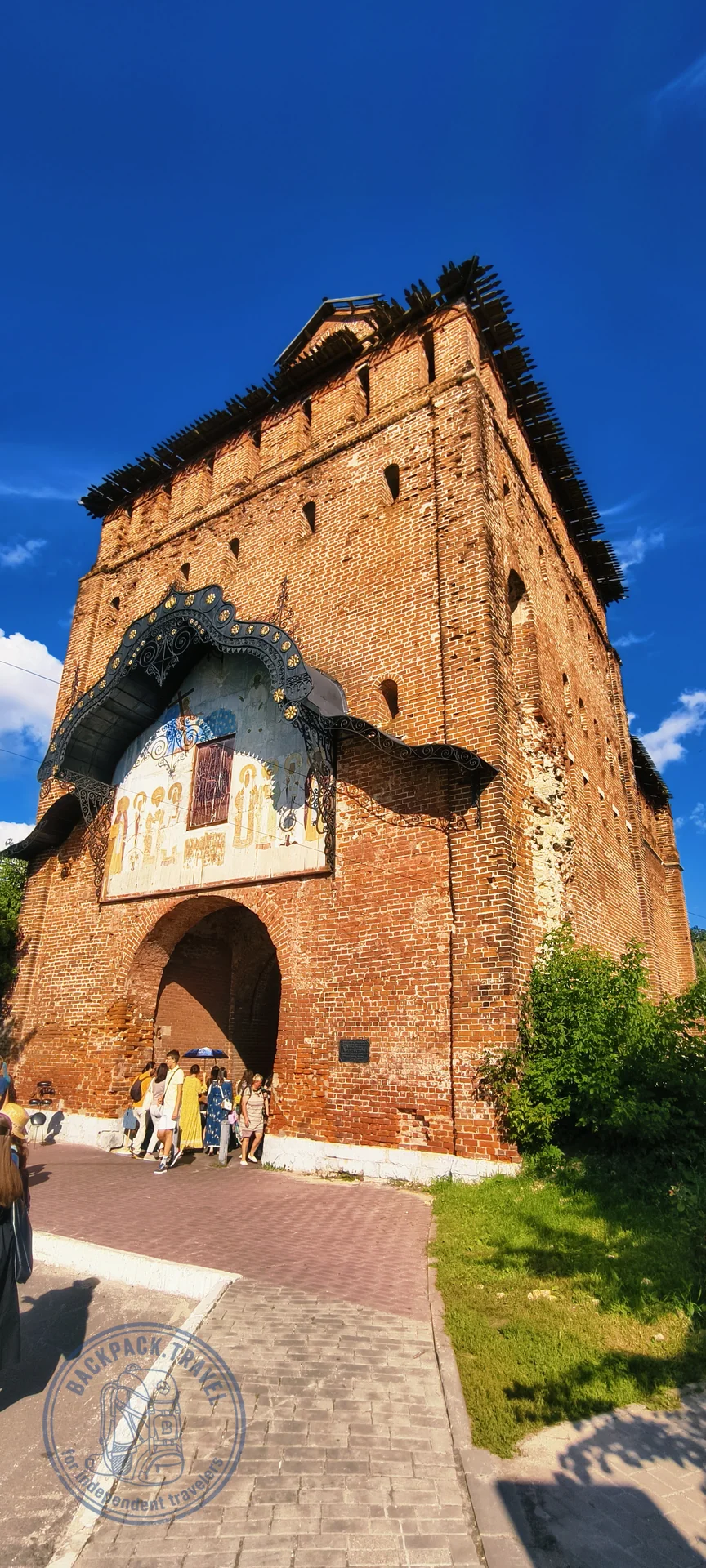
Seven towers and several stretches of wall remain. The rest was taken apart for brick by the townspeople in the nineteenth century, openly, until Nicholas I banned the practice by decree in 1826 — by which time the losses were heavy. What survives stands in pieces rather than a continuous ring, with ordinary streets running between them.
Marinkina Tower
The corner Kolomenskaya tower stands thirty-one metres high and thirteen across, laid out in twenty facets. It watched the Astrakhan road, the old route south from Moscow. It is known as Marinkina after a legend that Marina Mniszech was imprisoned here; there is no documentary support for it, but the name has stuck for good.
A lived-in quarter
Inside the walls is a working neighbourhood: the Dormition Cathedral, two monasteries, wooden houses along quiet streets and front gardens. The present Dormition Cathedral was built in the 1670s on the site of a church founded by Dmitry Donskoy after the battle of Kulikovo. The kremlin is not a museum behind a gate but part of the town: walking through it is free and unrestricted, and tickets are needed only for the tower and the museum displays.
- Address
- Cathedral Square, Kolomna · via the Pyatnitsky Gate
- Opening hours
- Grounds always open, museums Wed–Sun 10:00–17:00
- Prices
- Grounds free, museums and tower ticketed
On the map
Reviews (0)
No reviews yet. Be the first!
Updated