Description
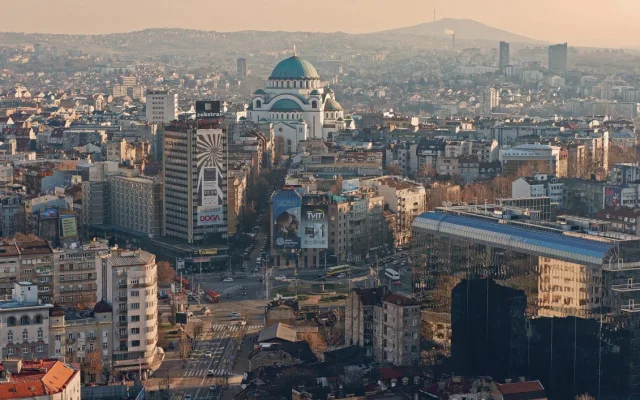
A dynamic Balkan capital famous for its legendary riverside clubs on the Sava, the Kalemegdan fortress, and some of the best nightlife in Europe.
Wiki
Belgrade is the capital of Serbia, spread across seven hills at the point where the muddy Sava flows into the wide Danube. It is one of the oldest continuously inhabited cities in Europe: over seven millennia it changed hands more than forty times, passing through Celtic, Roman, Byzantine, Ottoman, and Austro-Hungarian rule before becoming the Serbian capital, and each era has left its mark on the city's colourful character.
A Brief History
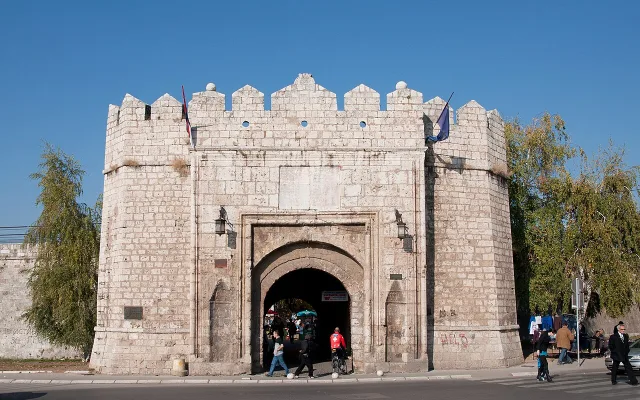
The site of today's city centre was settled by the Celts as Singidunum, which later became an important Roman fortress on the Danubian limes. The Slavic name "Belgrade" — meaning "white city" — first appears in written sources in the 9th century. Its strategic position on the frontier between the Christian and Muslim worlds made it a prize contested for centuries between the Habsburgs and the Ottomans. The 20th century brought further upheaval: two world wars, a role as capital of socialist Yugoslavia under Josip Broz Tito, and finally the 1999 NATO bombing campaign, traces of which are still visible on several buildings in the centre. This layered past is what makes Belgrade so raw and alive — Empire-era facades stand side by side with the brutalist socialist architecture of Novi Beograd.
What to See
- Kalemegdan and Belgrade Fortress — the heart of the city on the very tip of land between the two rivers. A sweeping park, fortress walls from many different periods, Ivan Meštrović's statue of the Victor, a zoo, rotundas, and the best sunsets over the water in the city. Entry to the park is free.
- Knez Mihailova Street — the main pedestrian artery of the old centre, lined with 19th-century mansions, bookshops, street musicians and cafés; it runs from the fortress down to Republic Square, where the statue of Prince Mihailo stands in front of the National Museum.
- Skadarlija — a cobbled bohemian lane, Belgrade's answer to Montmartre, with historic kafanas where live music plays every evening.
- Temple of Saint Sava — one of the largest Orthodox cathedrals in the world, its interior covered in a magnificent Byzantine-style mosaic.
- House of Flowers — Tito's mausoleum within the Museum of Yugoslavia, a place of pilgrimage for anyone interested in 20th-century Balkan history.
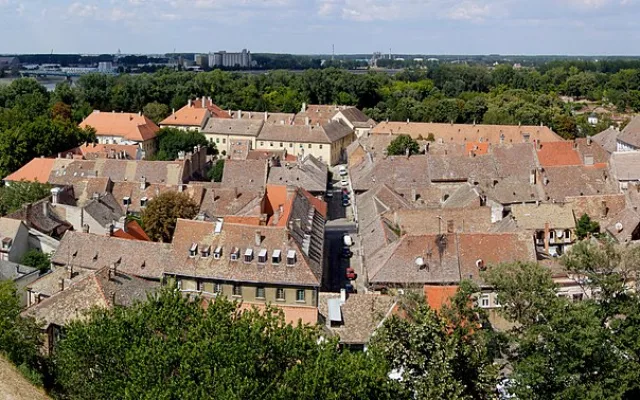
- Zemun — once a separate town on the Austro-Hungarian side of the border, with tiled rooftops, a riverfront promenade, and the Gardoš Tower offering a panorama over the Danube.
- Novi Beograd and the Savamala district — respectively a showcase of socialist modernism and a regenerated docklands quarter filled with galleries and street art.
Nightlife
Nightlife is what Belgrade's reputation is built on. Splavovi (floating clubs) are club-bars and restaurants moored along the banks of the Sava and Danube. In summer they run until dawn playing everything from turbo-folk and Balkan brass to techno. Beyond the splavovi there are clubs in former industrial buildings, rooftop bars and a wealth of cosy cafés. The atmosphere is laid-back and inexpensive by European standards, which draws a young crowd from across the continent.
Food and Drink
Balkan cuisine is hearty and meat-heavy. Must-tries include ćevapi (grilled minced-meat sausages), pljeskavica (a large grilled patty), karađorđeva šnicla (a schnitzel stuffed with cheese), ajvar (roasted pepper relish), and rakija — the fruit brandy that traditionally opens any meal. The institution of Serbian hospitality is the kafana, a traditional tavern known for generous portions and live music. Lunch costs around 800–1,500 RSD (about $8–$15), dinner at a restaurant 2,000–3,500 RSD ($20–$34), and a coffee 200–300 RSD ($2–$3). Prices are as of 2026.
Practical Information
Nikola Tesla International Airport (BEG) connects the city to destinations across Europe and the Middle East; the A1 airport bus runs into the centre, and taxis operate at a fixed rate (collect a voucher from the desk in arrivals). Within the city there are trams, buses and trolleybuses; the historic centre is compact and easily explored on foot. Car hire runs around 2,500–4,000 RSD ($25–$39) per day. The currency is the Serbian dinar, though prices are often quoted in euros; cash is useful in kafanas and markets.
When to Go
The best season is April to October, when daytime temperatures range from 18–30 °C and the riverside terraces are open. The Belgrade Marathon is run in April and the Beer Fest takes place in August; December sees Christmas markets. Winters can be cold, dropping to around −5 °C, though settled snow is rare. Three days is enough to visit the fortress and city centre, make a trip to Zemun, and experience the famous nights on the river.