Description
The Petronas Towers, Batu Caves, street food and the most affordable shopping in Asia.
Wiki
Kuala Lumpur is the capital and largest city of Malaysia, grown from a 19th-century mining camp into one of the most dynamic metropolises in South-East Asia. Gleaming skyscrapers stand here beside colonial mansions, mosques, and Hindu and Chinese temples, while trade and street life continue around the clock.
A little history and general character
The city began in 1857, when Chinese prospectors founded a camp at the confluence of the Klang and Gombak rivers — hence the name, meaning "muddy estuary". Tin mines quickly turned the settlement into a trading centre, and by the beginning of the 20th century Kuala Lumpur had become the administrative capital of British Malaya. After independence in 1957 it was here, on Merdeka Square, that the British flag was lowered. Today it is the core of the Klang Valley conurbation, with a population of over seven million. The cityscape is defined by the KLCC business quarter, busy Bukit Bintang and the historic centre with colonial architecture such as the Sultan Abdul Samad Building.
Kuala Lumpur is a model of multicultural society: Malays, Chinese and Tamils live side by side, which shows in the alternation of mosques, pagodas and Hindu shrines, and in the calendar of festivals — from the Muslim Hari Raya to Chinese New Year and the Hindu Deepavali.
What to see beyond the main points
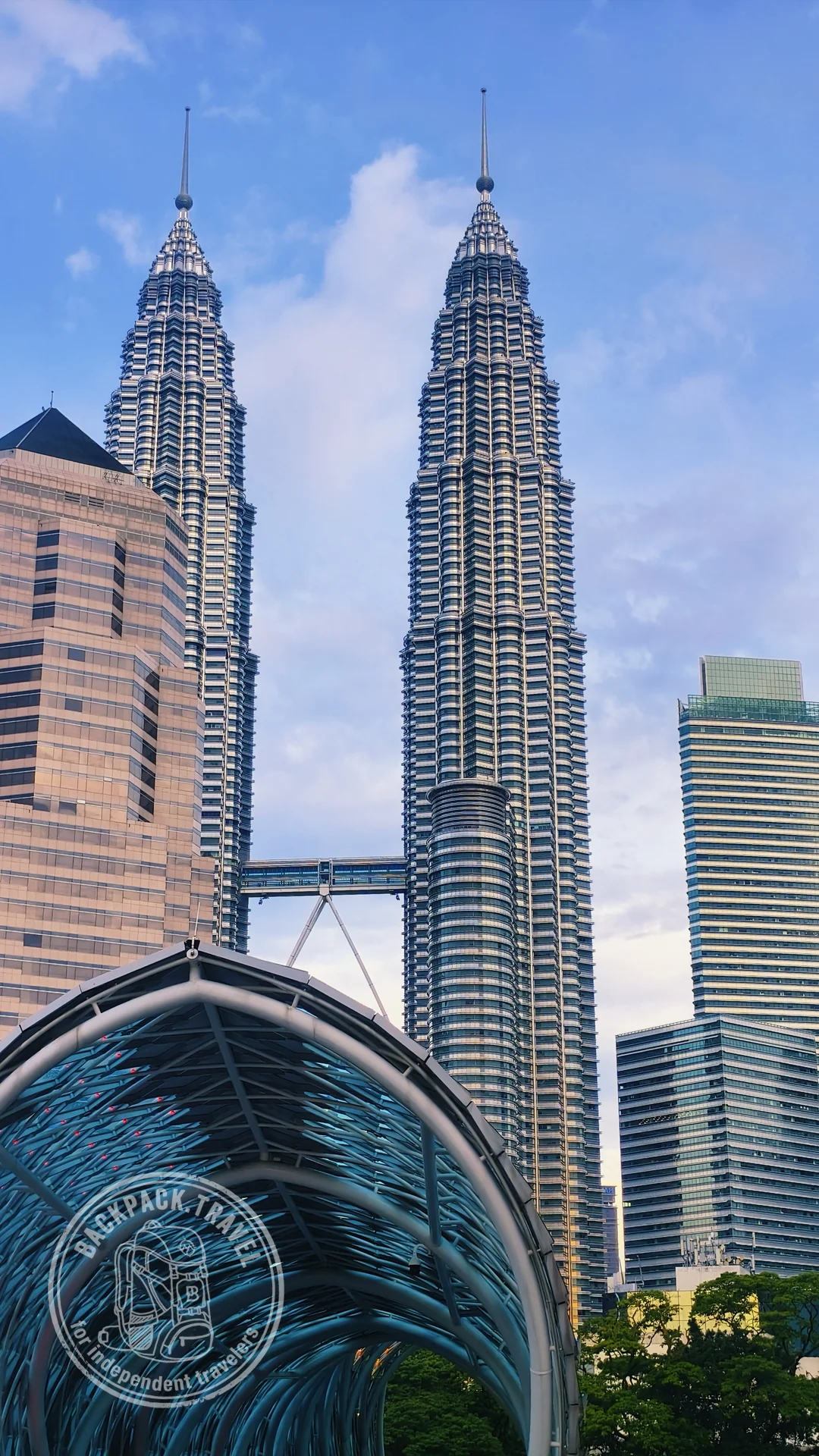
Along with the Petronas Twin Towers, the Batu Caves, Chinatown and Brickfields, the city has many other places of significance:
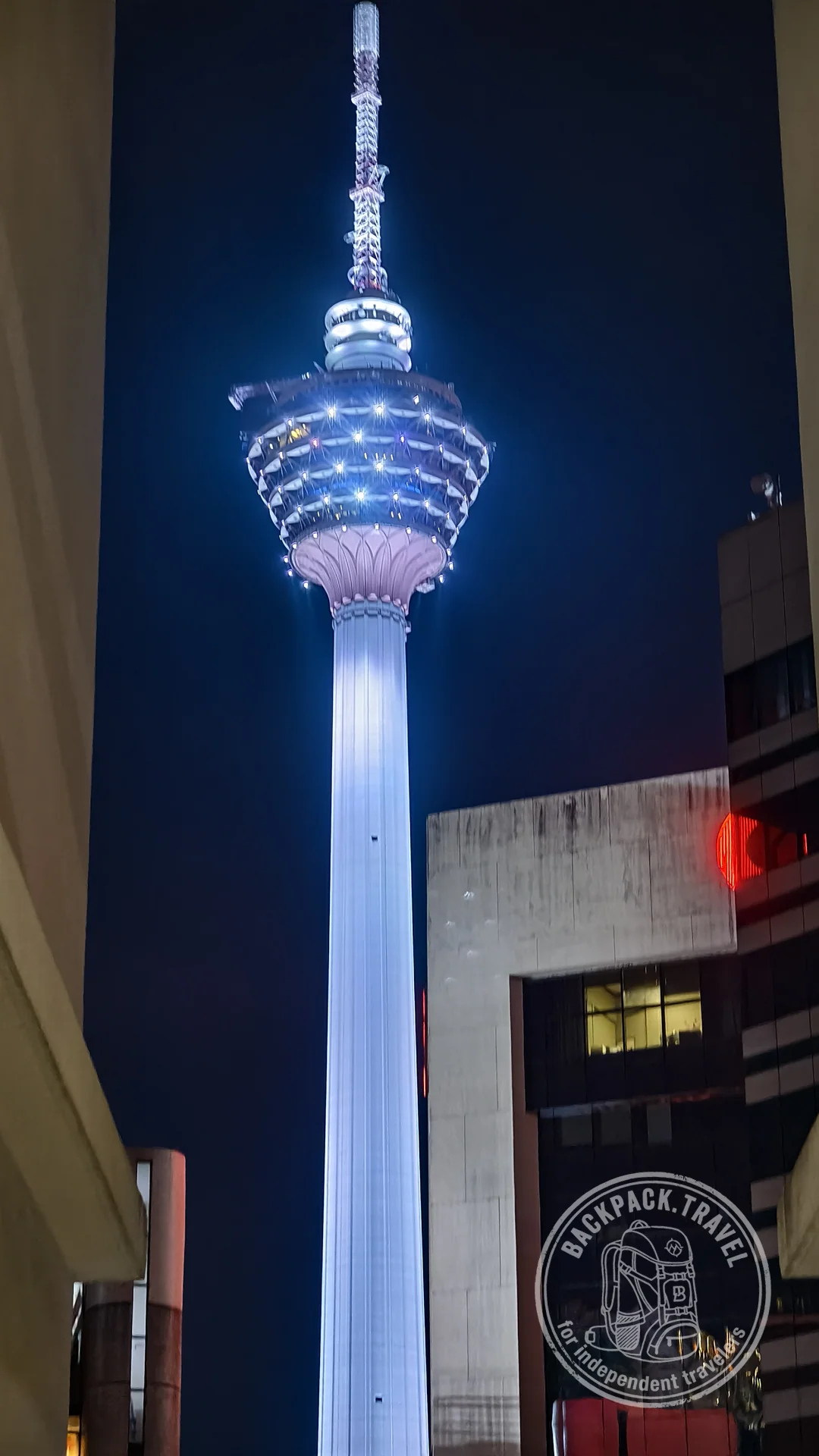
- The Menara KL tower — an observation deck about 300 metres up, giving a full circle of views that is often more impressive than the one from the Petronas towers themselves.
- Masjid Negara (the National Mosque) — a spacious mosque with an umbrella roof and a minaret, a symbol of the country's independence.
- The Perdana Lake Gardens — a green area with a bird park and gardens of orchids and butterflies, popular for unhurried walks.
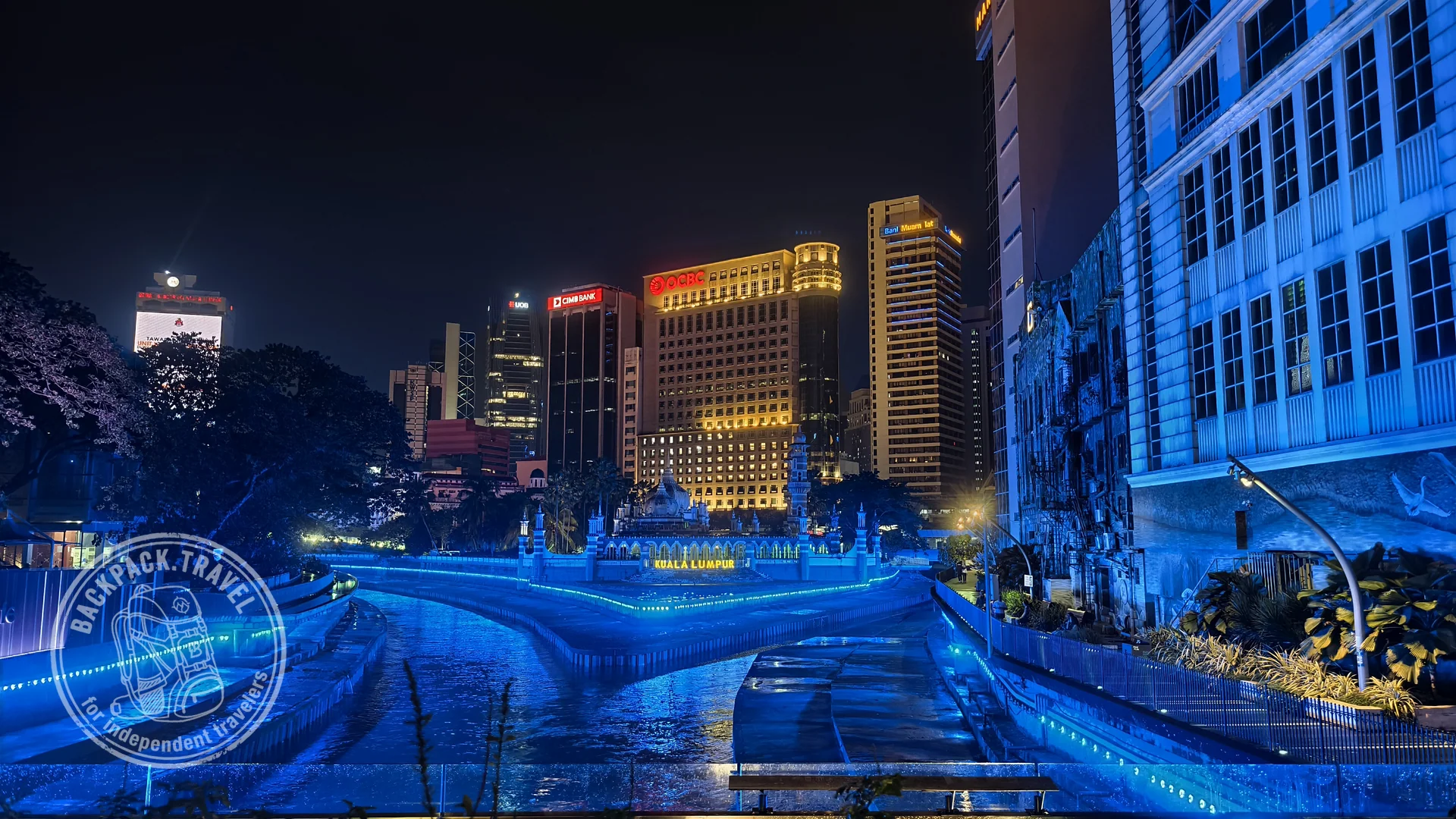
- Masjid Jamek — one of the oldest mosques in the city, standing at the confluence of the rivers where Kuala Lumpur historically began.
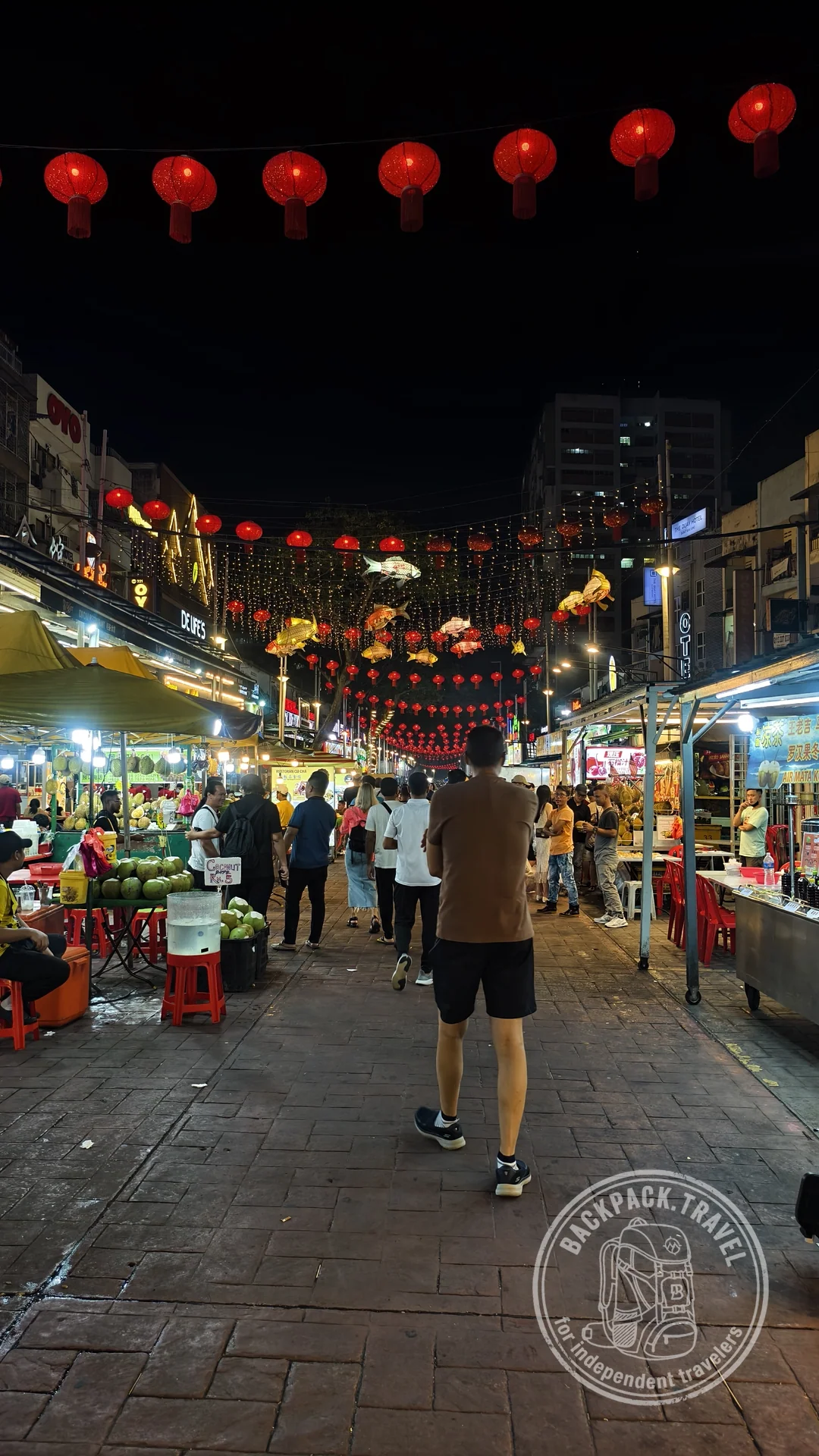
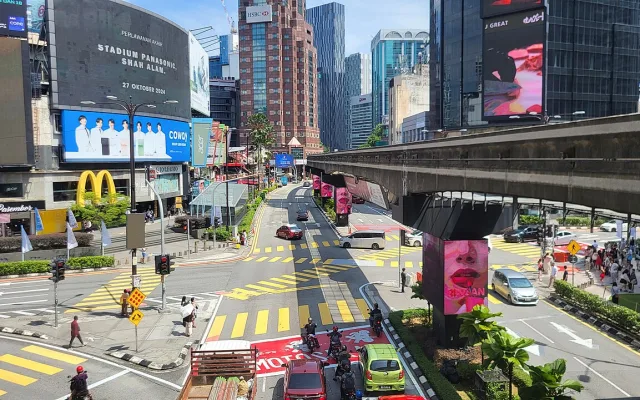
- The Bukit Bintang district — the epicentre of shopping and entertainment, with large malls and pedestrian eating on Jalan Alor.
Food and street eating
The food is a reason in itself to come to the Malaysian capital. Along with nasi lemak, laksa and roti canai, it is worth trying char kway teow (fried flat noodles), satay (skewers with peanut sauce), Hainanese chicken rice and the meaty bak kut teh. Desserts are represented by ais kacang and cendol with coconut milk and palm sugar. Hawker centres and food courts work late, and the price of a portion stays low, which makes getting to know the local flavours affordable.
A three-day route
- Day 1. The business centre: the Petronas Towers, KLCC park with its fountains, the Aquaria aquarium, an evening walk through Bukit Bintang and dinner on Jalan Alor.
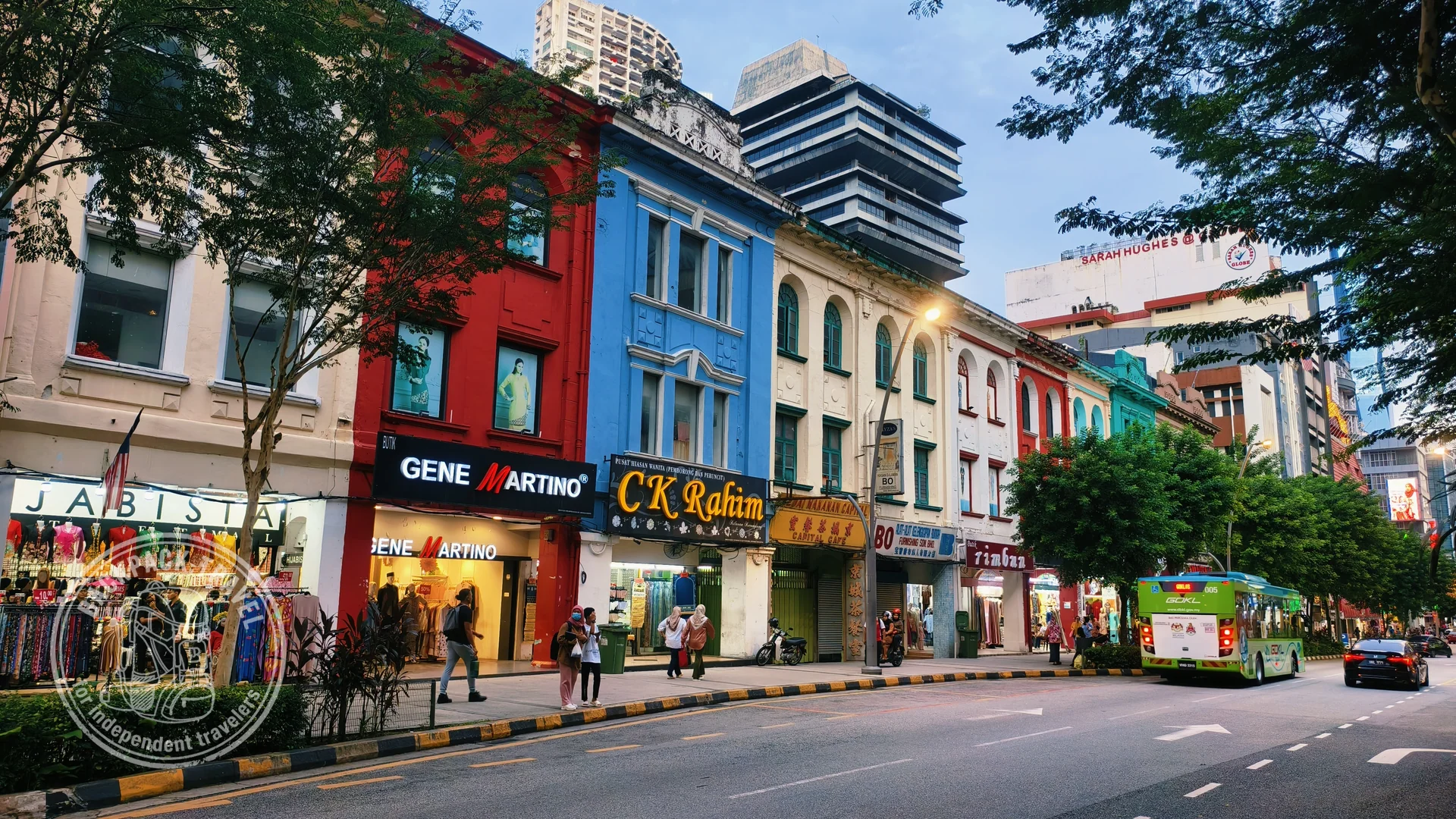
- Day 2. The historic core: Merdeka Square, the Sultan Abdul Samad Building, Masjid Jamek, Chinatown with the Petaling market and the temples, then Brickfields.
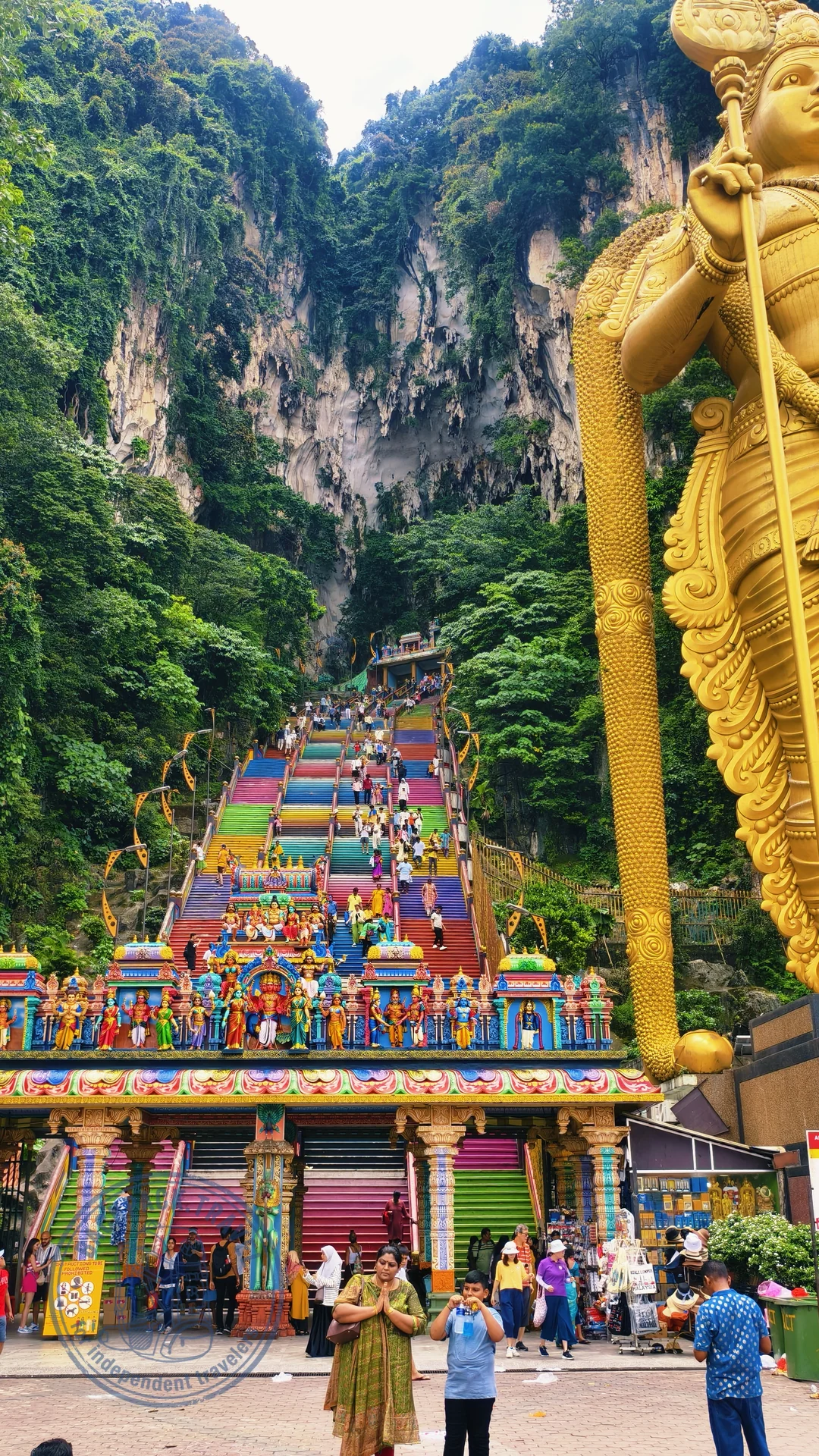
- Day 3. A morning trip out to the Batu Caves (on the KTM Komuter train), and in the afternoon the National Museum or the panorama from the television tower.
Practical advice
The best time to travel is the drier months, though the climate is equatorial and short downpours happen all year round; the days are hot and humid, so light clothing and water come in handy. Covering clothing is needed for temples and mosques, and shoes are removed at the entrance. The official currency is the Malaysian ringgit; cards are widely accepted, but cash is more convenient at markets and hawker stalls. Public transport combines LRT, MRT and monorail lines on a single payment card, and the Grab service helps over short distances. From KLIA airport the express train is the easiest way into the centre. English is widespread, which makes finding your way and communicating noticeably simpler.
Photos