Description
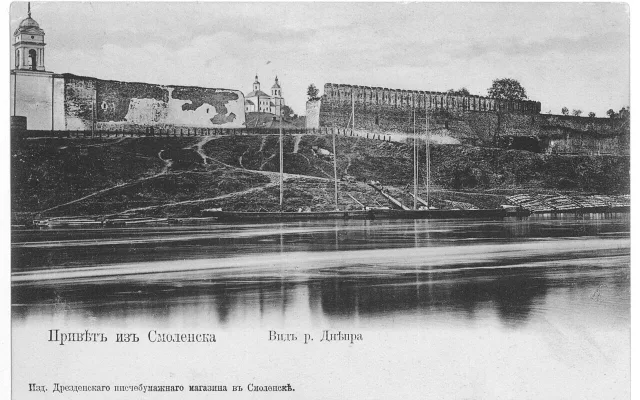
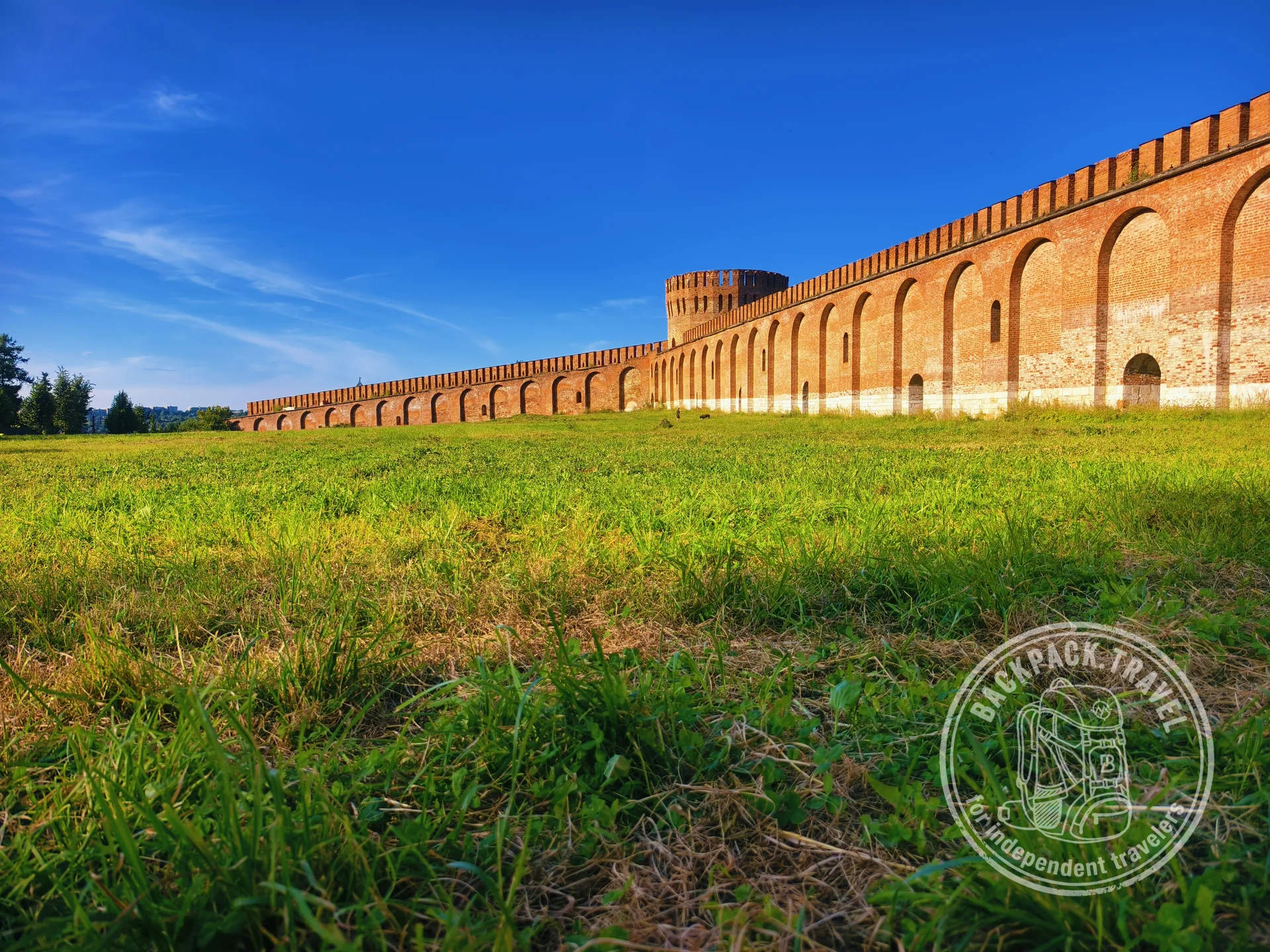
An ancient fortress city on the Dnieper, ringed by a mighty wall of 1595–1602 known as the "necklace of the Russian land". A western outpost that lived through the Polish siege of 1609–11, Napoleon's invasion and German occupation.
Wiki
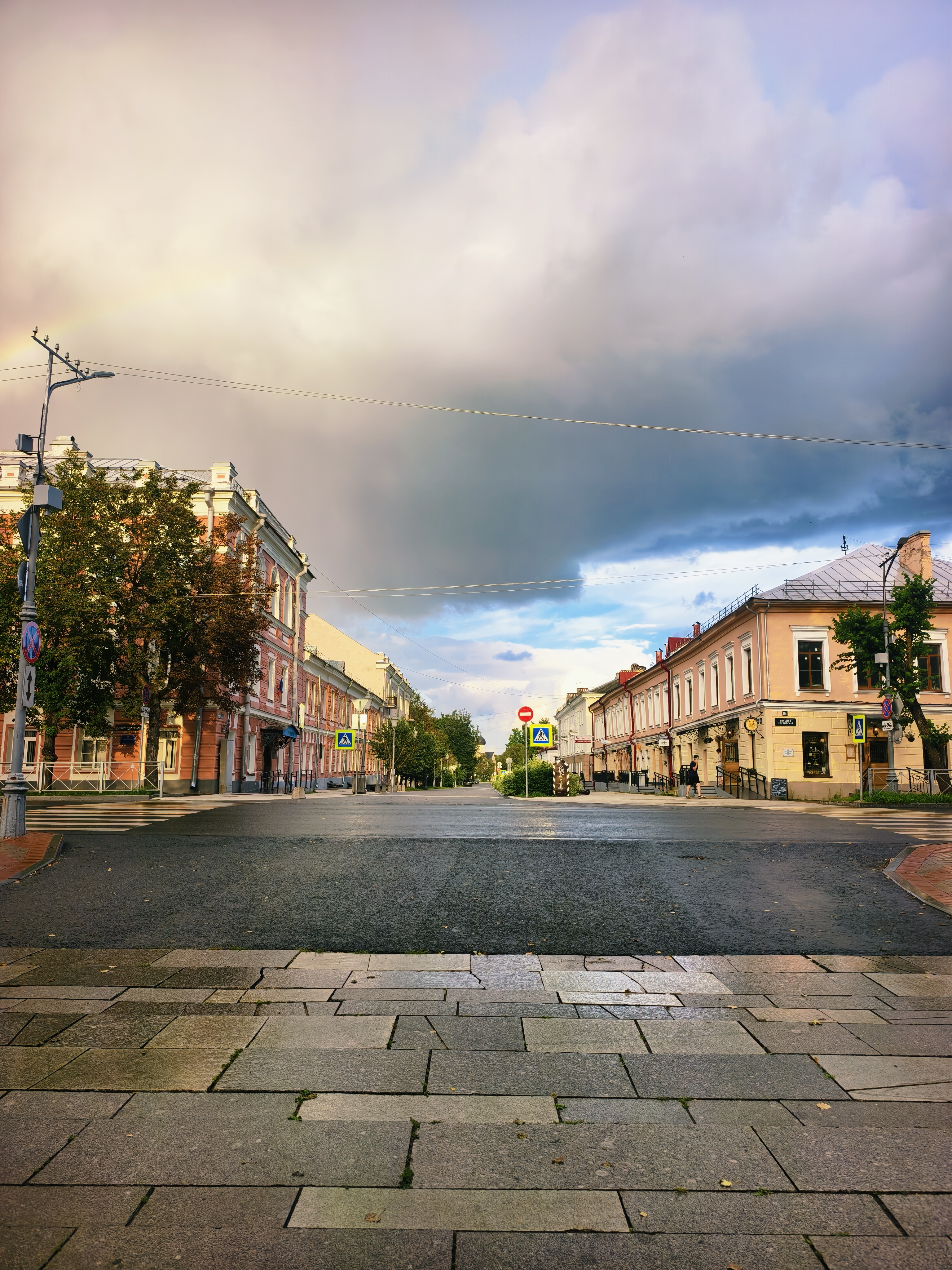
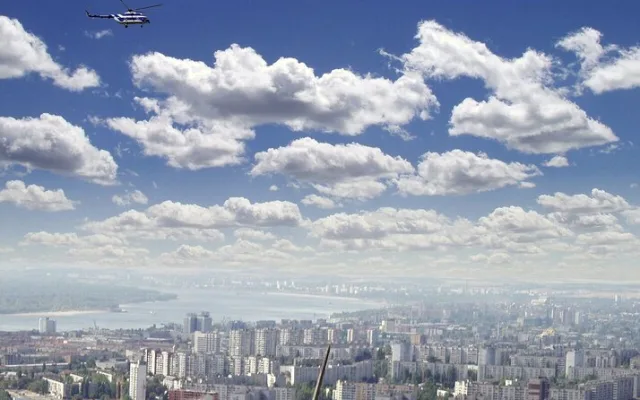
Smolensk, in western Russia near the border with Belarus, is one of those cities you visit for the fortress and the antiquity rather than for entertainment: a huge stretch of 17th-century defensive wall survives here, along with a dozen churches that came through all the wars that rolled across Russia's western frontier. The city is compact, standing on hills above the Dnieper, and can be seen comfortably in a couple of days.
Why come, and what is actually worth seeing
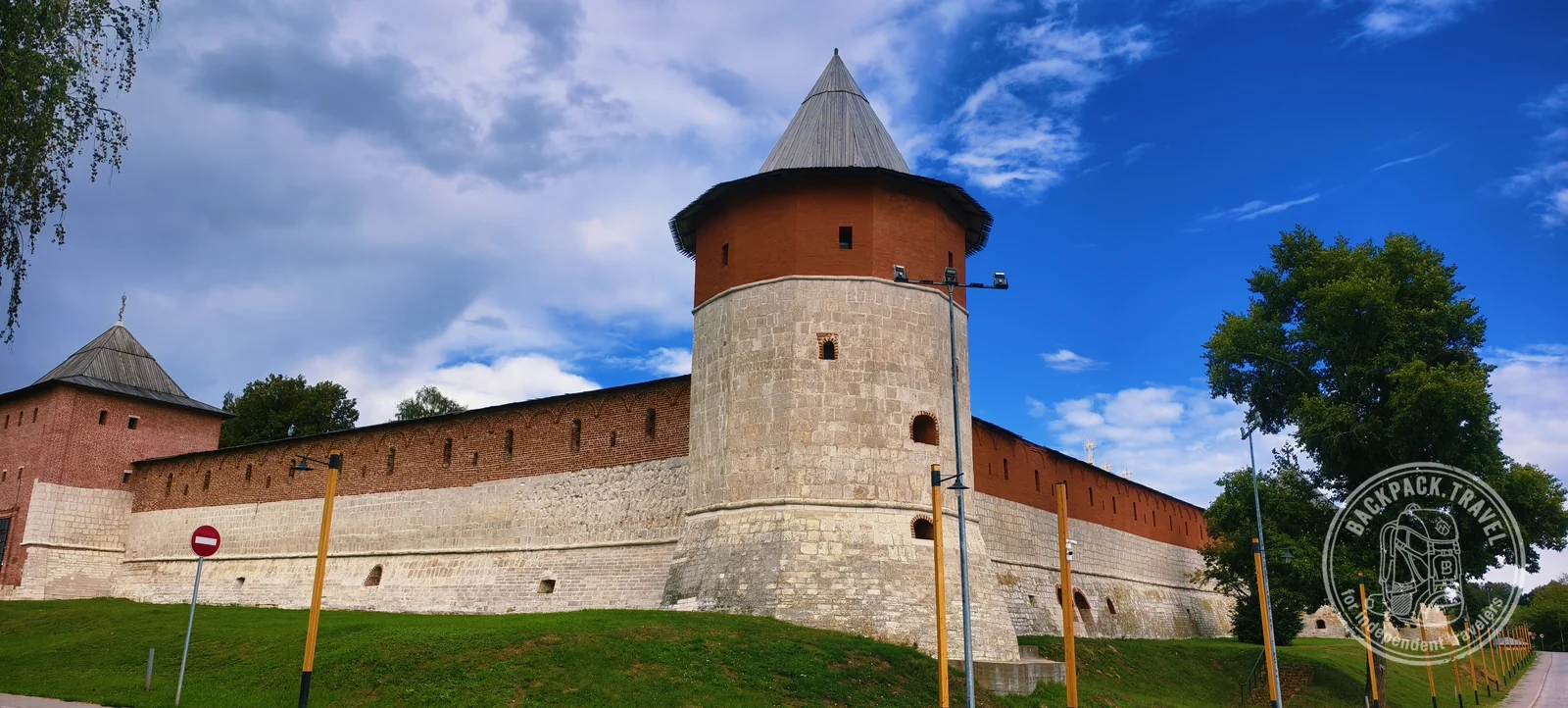
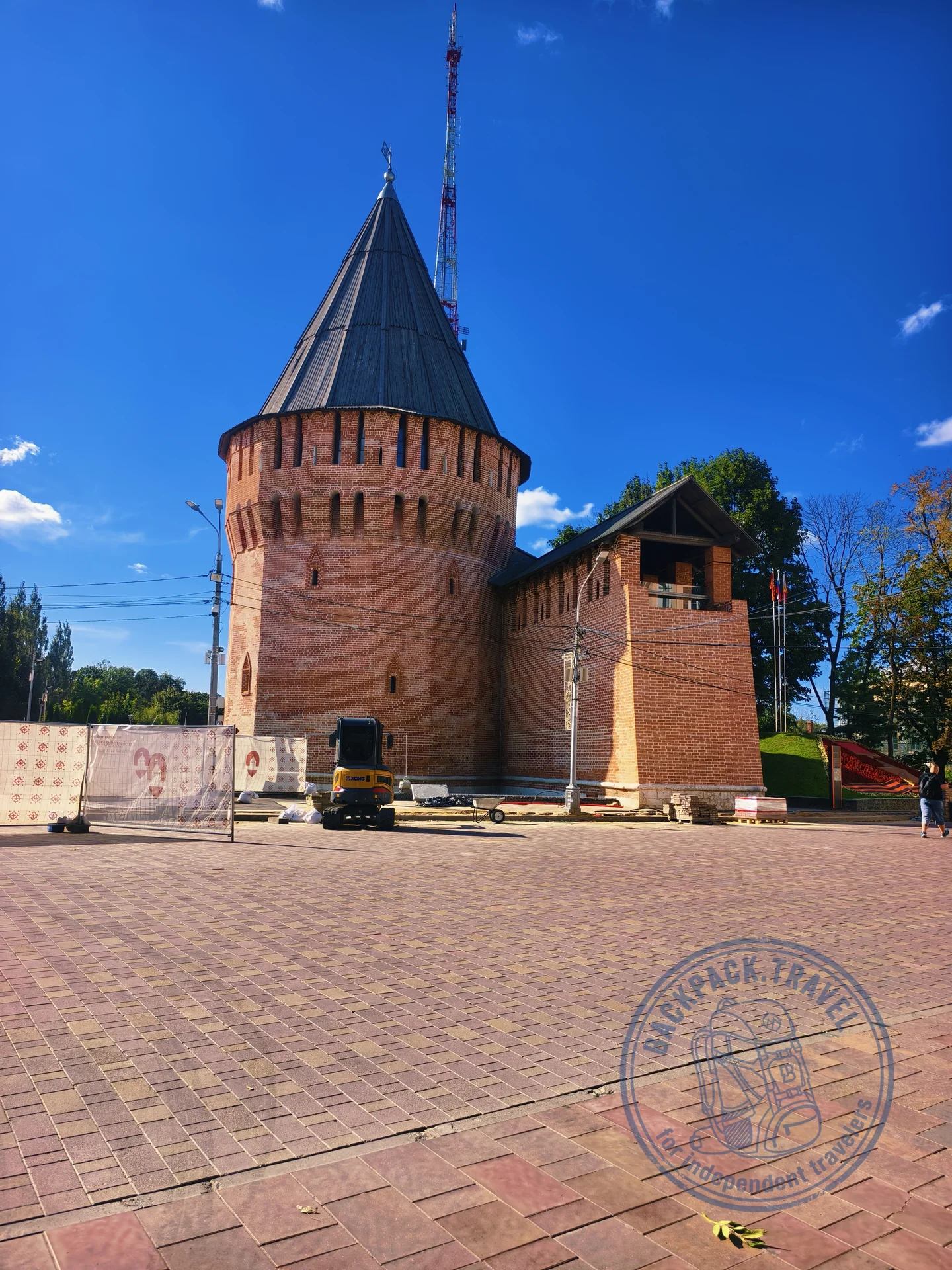
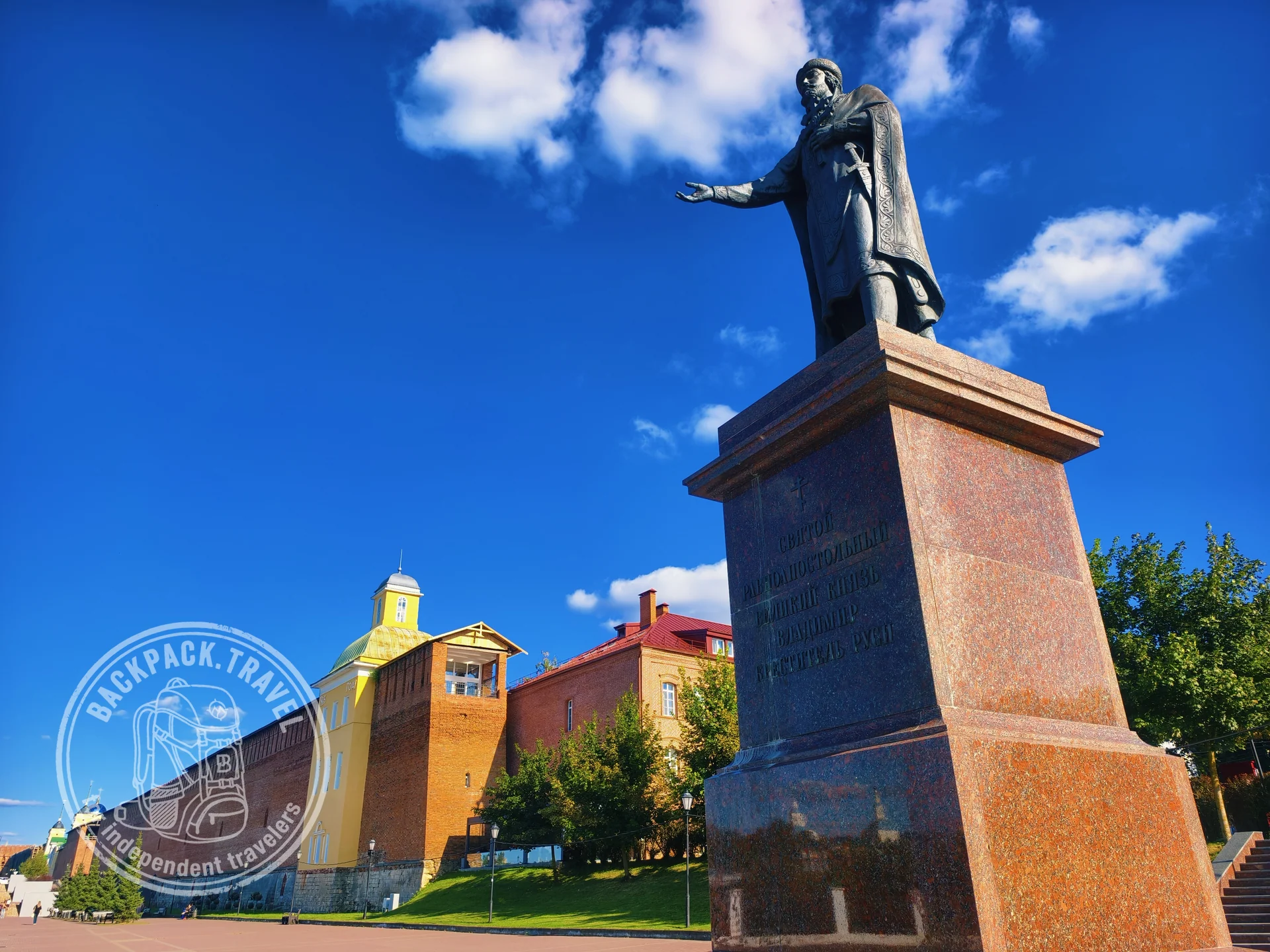
The main thing is the Smolensk fortress wall, built by the architect Fyodor Kon at the turn of the 16th and 17th centuries. Not all of it survives, but the remaining sections and towers are impressive: this is a real defensive wall, not a decorative reconstruction. Walk along the surviving curtains and look into the Gromovaya Tower, which usually holds a museum display on fortification.
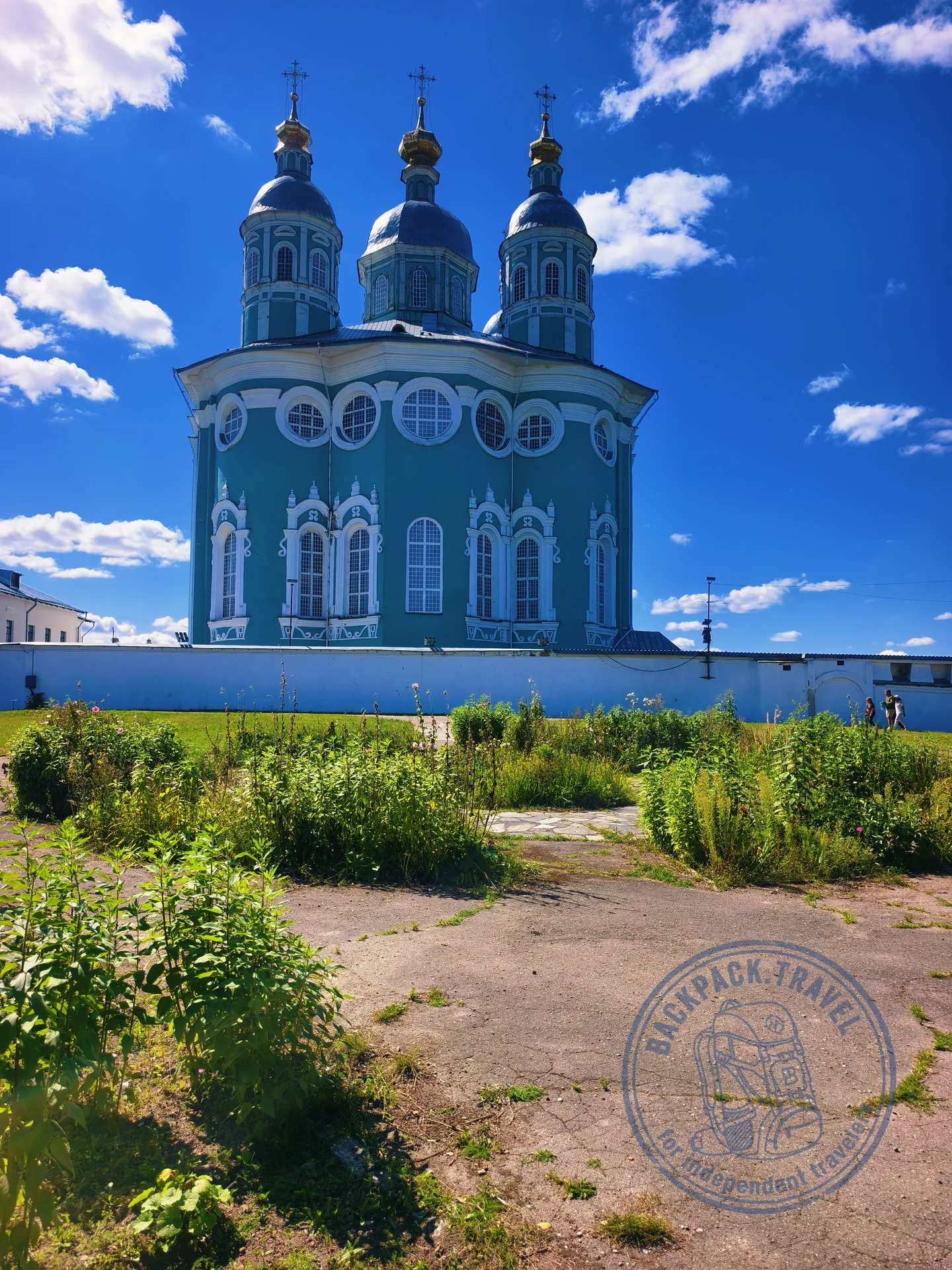
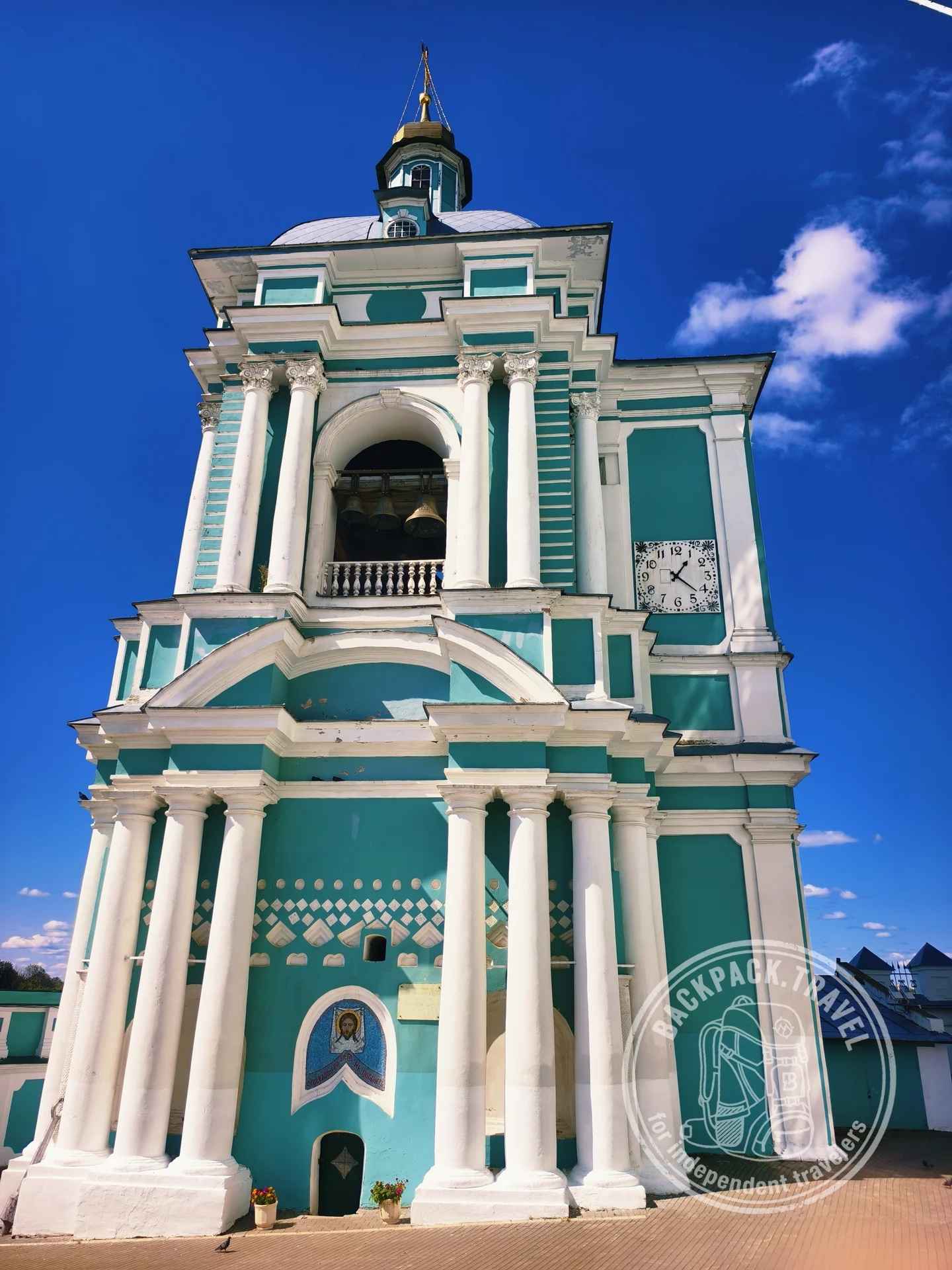
The second must-see is the Dormition Cathedral on Cathedral Hill. Baroque, set on a high hill, it is visible from far off, and inside is a carved gilded iconostasis, one of the most imposing in provincial Russia. The climb up to it is itself a viewpoint over the city and the Dnieper.
Also worth attention:
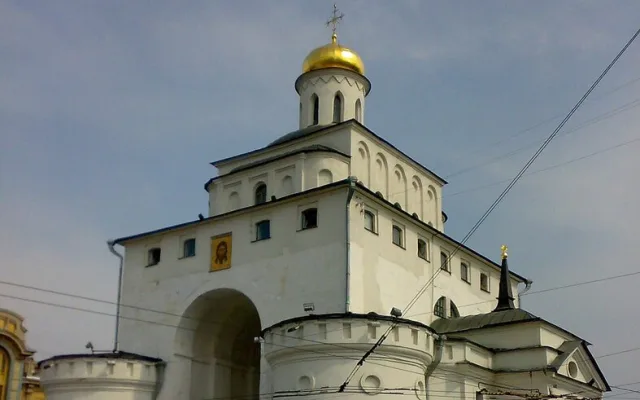
- The Church of Saints Peter and Paul and the Church of St John the Divine — pre-Mongol, 12th century, a rarity in Russia.
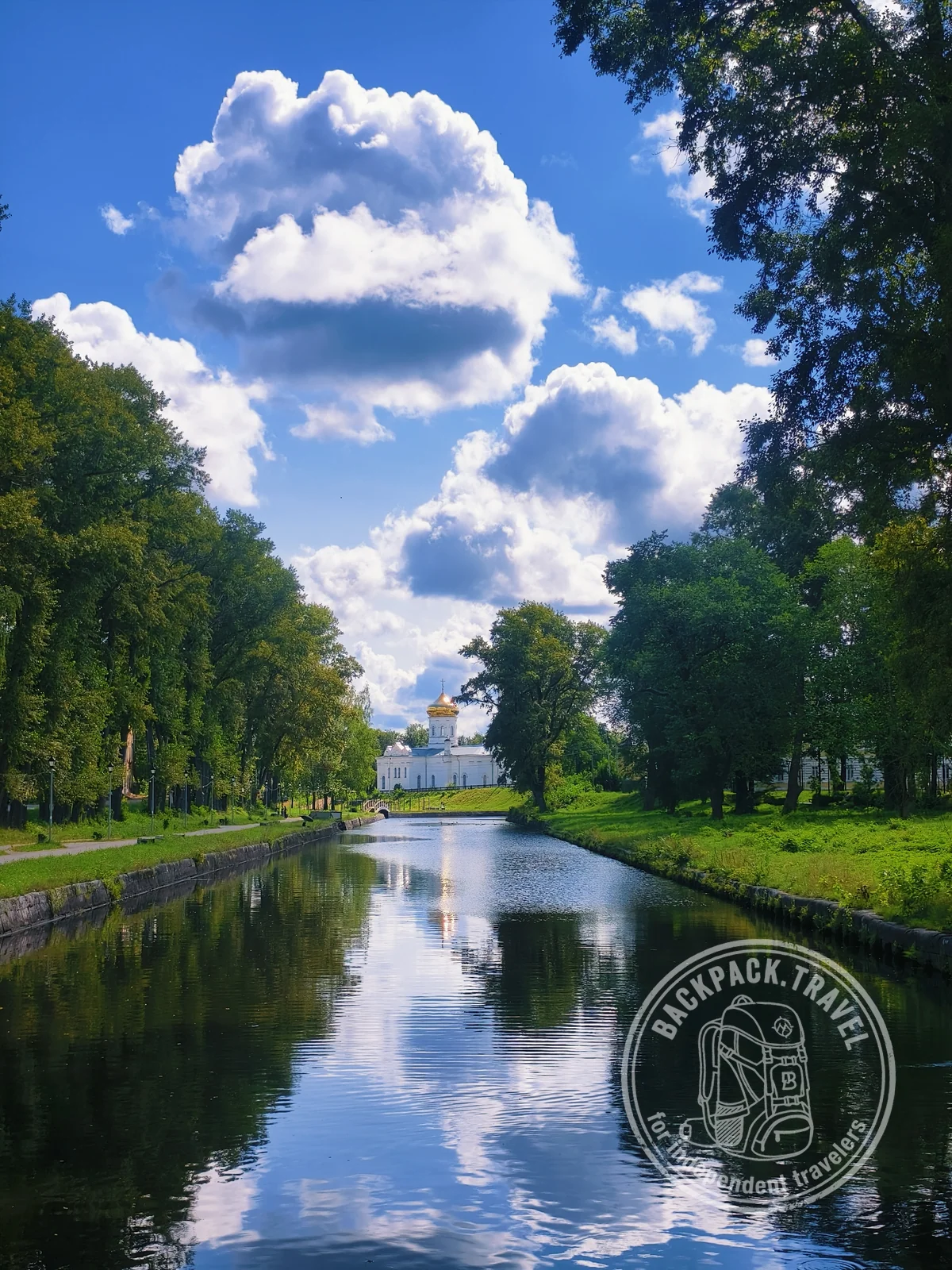
- The Heroes' Memorial Garden by the wall, with an eternal flame and monuments to the war of 1812.
- Museums: the local history museum, the art gallery and the "Smolensk Flax" museum. If time is short, choose one.
Smolensk is about history and architecture. Nobody comes here for nightlife, shopping or the sea; be ready for unhurried walking.
Getting there and getting around
Smolensk is conveniently placed on the Moscow–Minsk highway and on the railway running in the same direction.
- By train — the most logical option. Fast and ordinary trains run from Moscow, taking a few hours. Trains to Belarus and onwards into Europe pass through.
- By bus or car — the M1 from Moscow is a direct road; a car is convenient if you plan excursions around the region.
- There is effectively no airport with scheduled flights — count on the train.
You do not need a car in the city. The historic centre is compact and can be walked — you can realistically go on foot from the station to the fortress and Cathedral Hill, though the terrain is hilly, so bring comfortable shoes. Buses and shared minibuses serve the outskirts, with payment usually in cash or by card to the driver; taxis are inexpensive by Moscow standards.
Where to stay
The best choice is the centre, near the fortress wall and Cathedral Hill: everything is on foot from there, and the evening city with the wall floodlit is right at hand. There are not many options, but both hotels and short-let flats exist. The area by the railway station is cheaper and convenient if you are passing through, but a little further from the main sights. Smolensk is small, so even "less than ideal" accommodation is rarely genuinely far away.
How many days, and when to go
Two days are enough for the fortress, the cathedrals, a couple of museums and some unhurried walking. One packed day can catch the main things, but it will be tight. Three days if you want to add the surrounding area (the museum reserve at Talashkino/Flyonovo, for instance).
The best time is late spring, summer and early autumn, when it is dry and pleasant to walk the hills. Winter is beautiful and atmospheric by the snow-covered wall, but it is cold and the days are short.
Food and prices
Smolensk feels noticeably cheaper than Moscow — both accommodation and cafés. The cuisine is standard Russian; among local things, try dishes with a regional accent made from the region's produce. Lunch in an ordinary café costs modestly, and there are few tourist-priced establishments. The economical option is canteens and chain outlets on the central streets.
Where to save:
- Buy train tickets in advance — fares on the fast services rise closer to the date.
- Many of the main attractions — the wall, the cathedrals from outside, the parks — are free; you mainly pay for museums.
- A combined ticket to several museums, where offered, works out better than separate ones.
Safety and practicalities
The city is calm with no reputation for crime — ordinary everyday attentiveness is enough. A couple of points:
- The Belarusian border region. If you are planning a trip across the border, check the current entry rules for your own passport in advance, as they change.
- The terrain. The centre stands on hills, with many climbs and staircases — hard going for travellers with reduced mobility.
- Keep cash to hand for the minibuses and small outlets, though cards are accepted almost everywhere.
Common mistakes
- Coming for half a day. The fortress is spread across separate sections, and getting a feel for it takes time for a proper walk, not a tick beside one tower.
- Ignoring the ancient 12th-century churches — they are easy to miss, and they are a rarity on a national scale.
- Planning only museums. The main value of Smolensk is outdoors: the wall, the views from Cathedral Hill, the Dnieper embankment. Set aside time specifically for walking.