 Города и дороги
Description
The oldest town on the Bulgarian coast, founded as Apollonia Pontica: an old quarter of timber houses on a walled peninsula, finds from the Greek colony in the museum, and wide beaches on the far shore.
Wiki
Sozopol is the oldest town on the Bulgarian coast: Greeks from Miletus founded Apollonia Pontica here in the sixth century BC, and the site has not stood empty since. There are about five thousand permanent residents and several times that in summer. The old town takes up a rocky peninsula ringed by a fortress wall, the new one the shore opposite, with beaches and modern building. What sets Sozopol apart from Nesebar, its main rival on this stretch of coast, is that it has stayed a working town rather than an open-air museum.
Why come and what to actually see
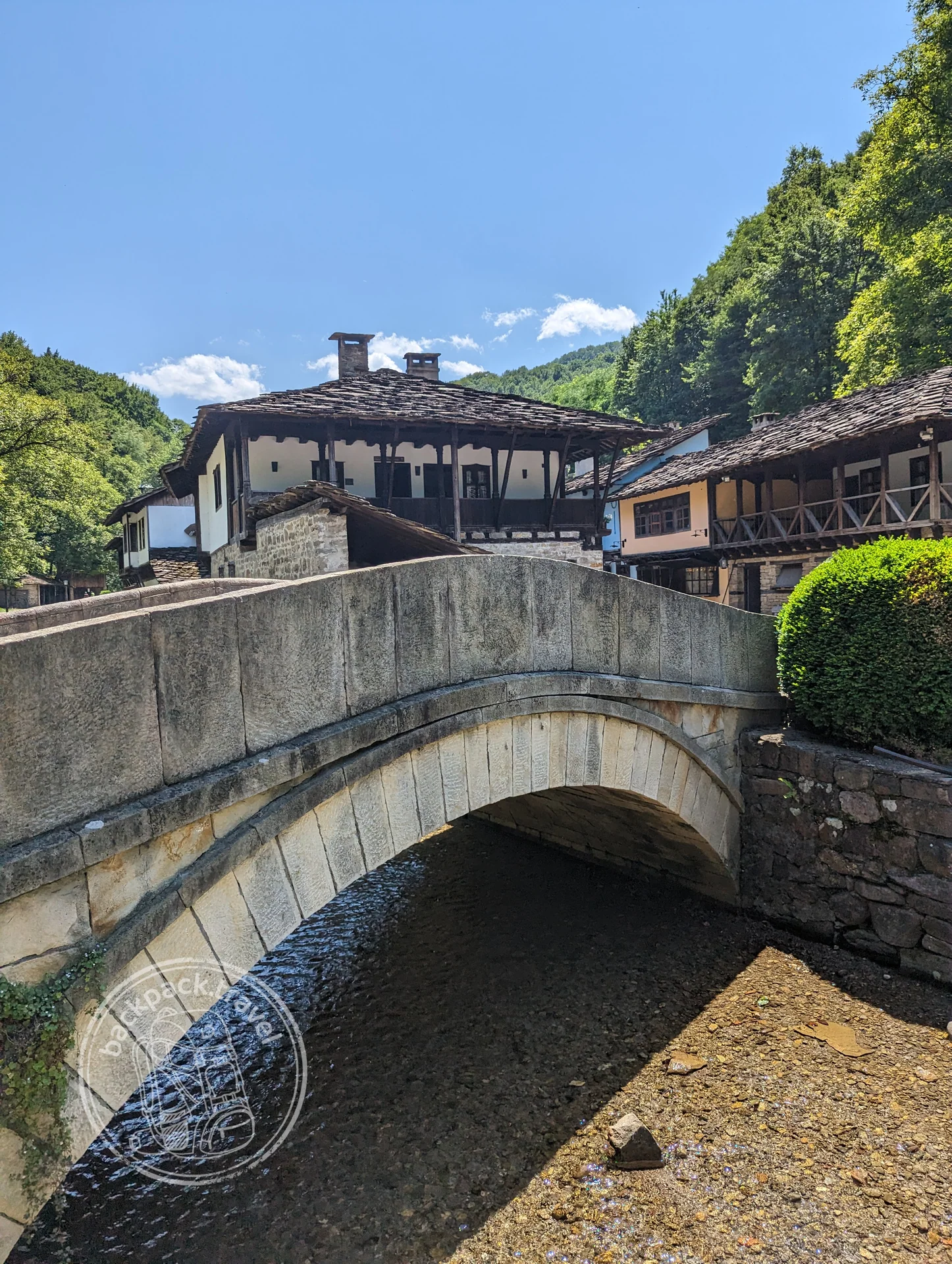
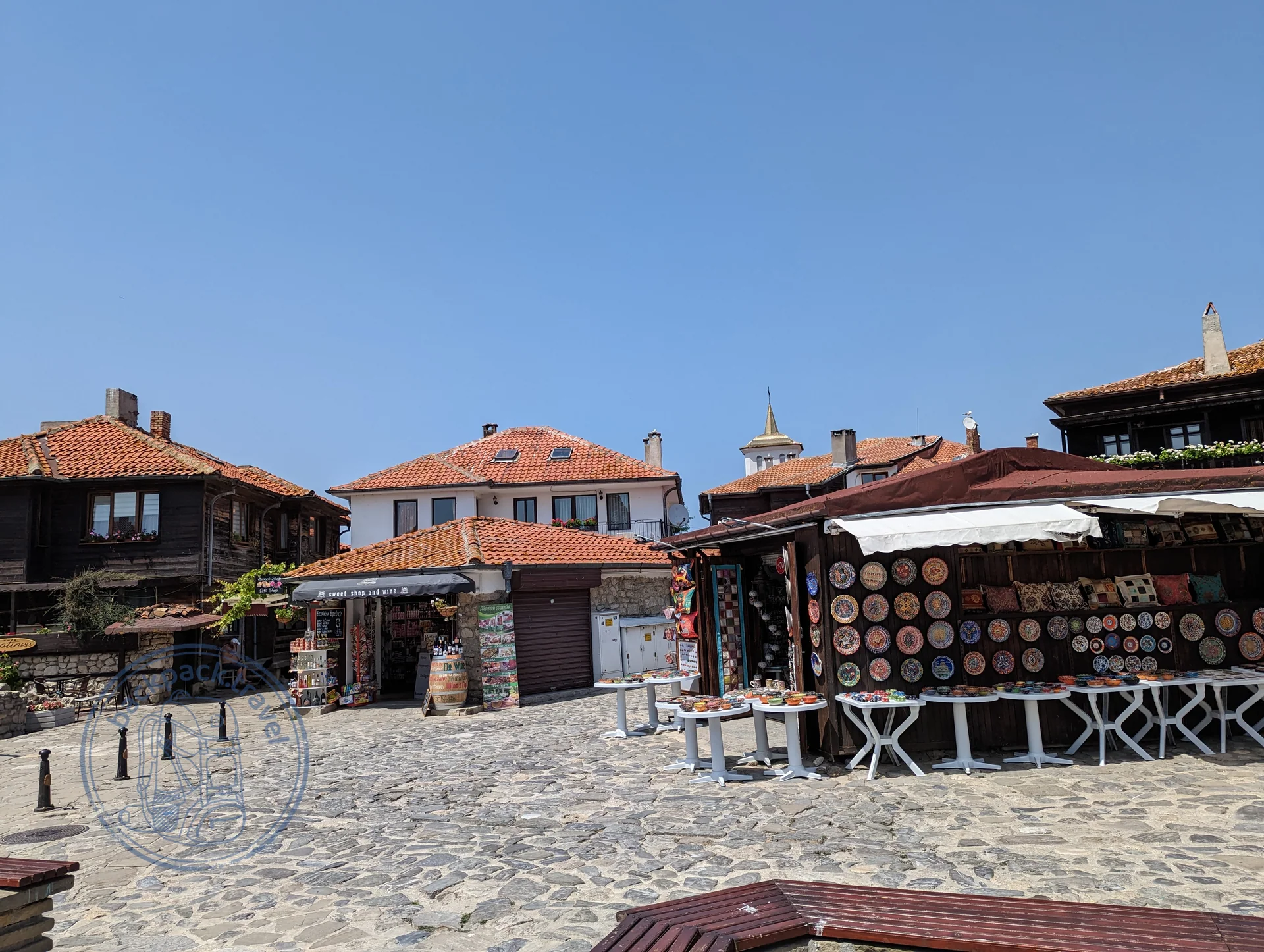
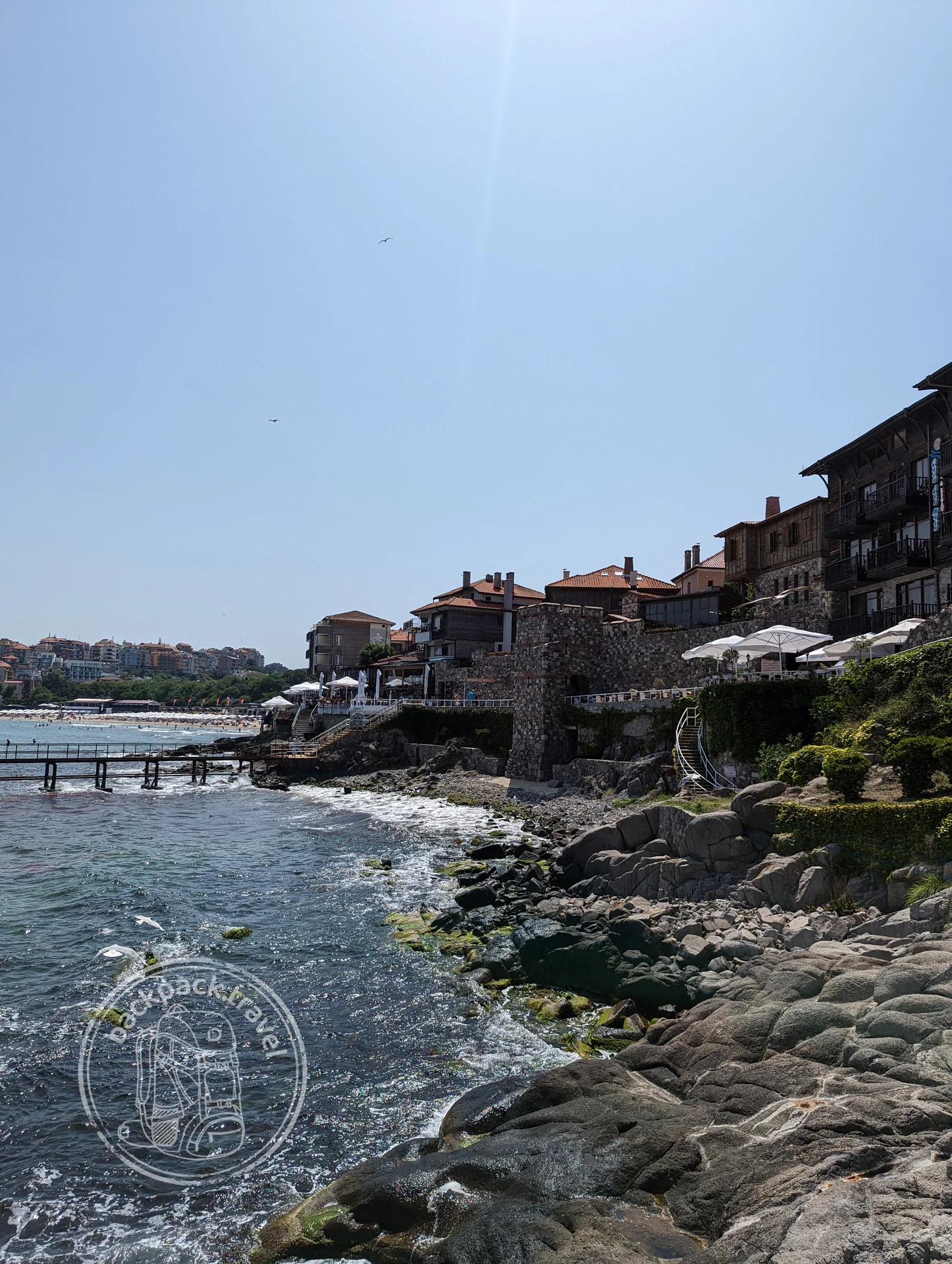
The old town is narrow paved streets and Black Sea houses of the eighteenth and nineteenth centuries: a stone ground floor, a timber upper storey with an overhanging bay, dark board cladding. Many hold guest houses and taverns, but the conversions have been done carefully and the quarter holds together.
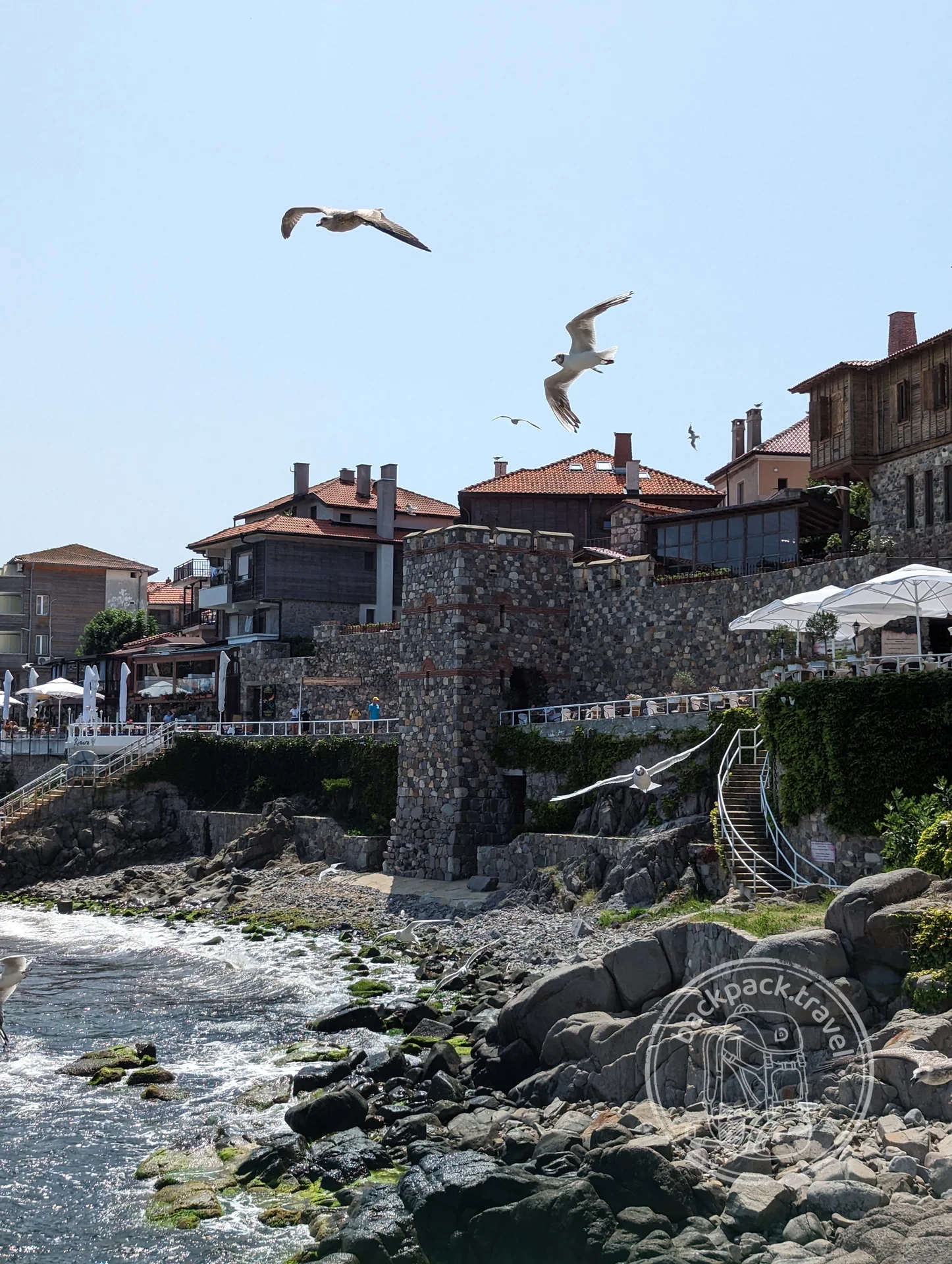
The fortress wall has been partly rebuilt and runs along the cliff edge above the water, with the waves striking the stone below it. A path follows the wall, with views of both the sea and the town; gulls nest on the rocks beneath and hang over the drop all day.
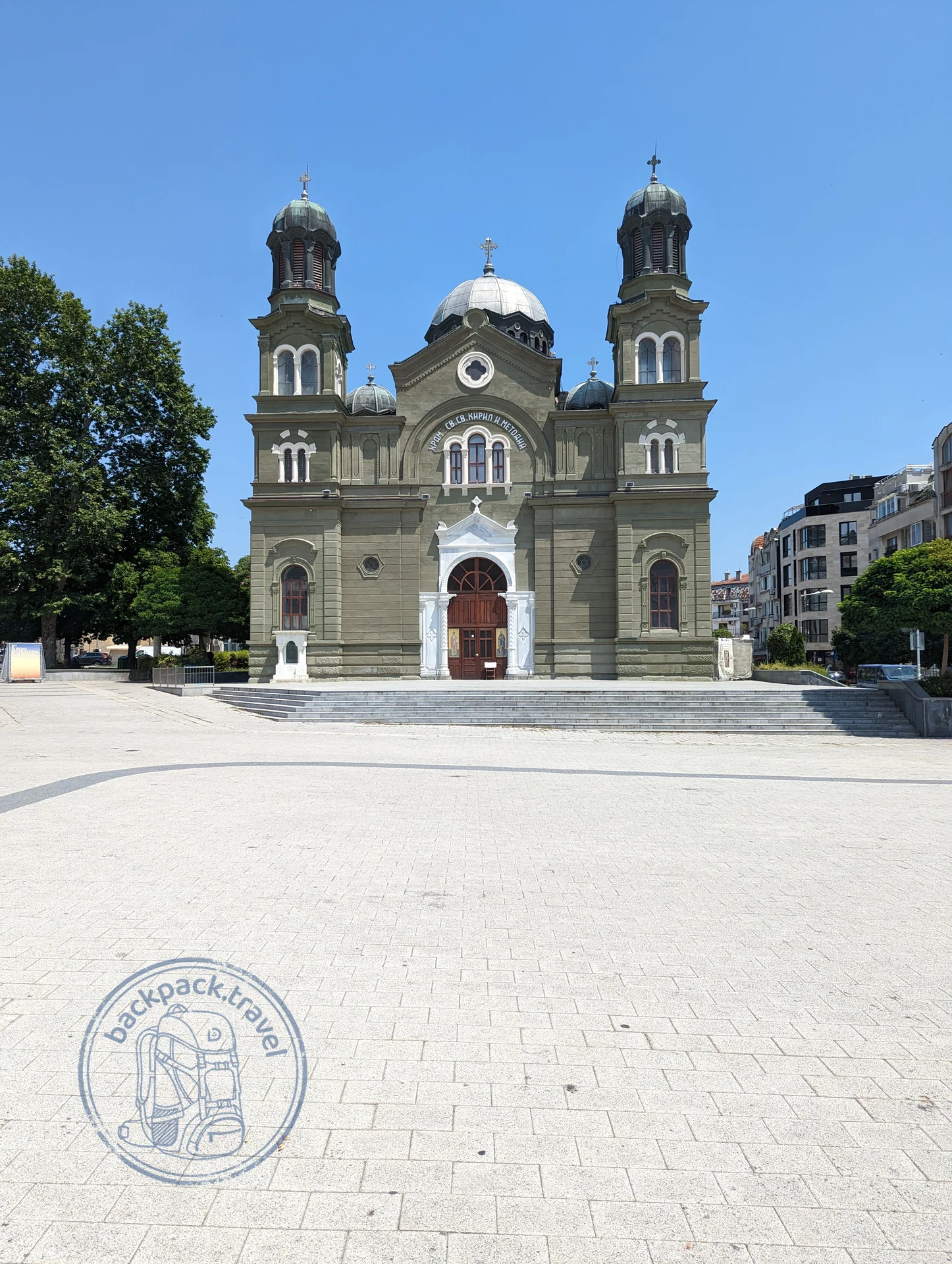
The archaeological museum keeps finds from Apollonia, among them a collection of Greek amphorae and anchors raised from the floor of the bay. A story of its own are the relics of John the Baptist, found in 2010 on St Ivan Island a couple of kilometres offshore; the reliquary is now kept in the church of Saints Cyril and Methodius in the new town.
Of the churches in the old town, the sixteenth-century church of the Holy Mother of God is worth seeing, half sunk into the ground because the Ottomans did not allow churches to be built taller than a man on horseback, and so is the wooden church of St Zosim.
Getting there and getting around
Burgas airport is thirty-five kilometres away, about forty minutes. Buses from Burgas run every half hour and arrive at the coach station by the entrance to the old town. Varna is about two hours off, Sofia six.
All movement inside the town is on foot. The old town can be walked in an hour, and the beaches of the new town are ten to fifteen minutes from it. In summer pleasure boats run between Sozopol and the neighbouring bays.
Where to stay
The old town has small guest houses in historic buildings, with wooden staircases and a view of the sea. There are not many, in summer they are booked ahead, and the car has to be left outside.
The new town offers ordinary resort hotels and apartments, cheaper and closer to the Harmani and Kavatsi beaches. Kavatsi is the largest in the area, with dunes and pine forest behind it. The campsites along the coast south of the town have been popular since socialist times and are still running.
Day trips
Nesebar, sixty kilometres to the north, is a direct comparison: the same format of an old town on a peninsula, but with forty churches and a far heavier flow of visitors.
Ropotamo, the mouth of the river with a reserve and boat trips among creepers and water lilies, is twelve kilometres to the south. Further down the coast are Primorsko and Tsarevo, and beyond them begins Strandzha, the wildest and emptiest nature park in Bulgaria. Burgas, with its lakes and bird colonies, is half an hour away.
When to come
The swimming season runs from June to September, with the water warming up towards the end of June. July and August are overcrowded, especially at weekends when people come out from Burgas and Sofia.
The best months are May, early June and September. It is warm, around twenty-five degrees, the old town is clear, and accommodation costs half what it does at the peak. In early September the town holds the Apollonia arts festival, with concerts and performances staged in the streets of the old town; that is the best time to come if the beach does not matter. In winter most places are closed.
Food and money
The base is fish and seafood: fried tsatsa, mussels, squid, red mullet. Taverns in the old town serve white wine from the neighbouring regions with the fish. Prices inside the walls are higher than in the new town, and the sea view is what you pay for.
Since January 2026 the currency here is the euro: the lev was converted at the fixed rate of 1.95583 to the euro and stopped being legal tender a month later. Cards are taken in most places, but cash is needed at the market, in small shops and with private landlords renting out rooms.
What to know
The streets of the old town are paved with large stones and run downhill; after rain they are slippery. The car park at the entrance is paid and packed in season.
Swimming off the rocks below the fortress wall is a bad idea — the water is rough there and the stones are sharp — and that is what the proper beaches are for. In Bulgaria a nod of the head means no. In season the Kavatsi and Harmani beaches have loud bars running until morning; if you want quiet, look for a room in the old town or back from the beach line.
Updated