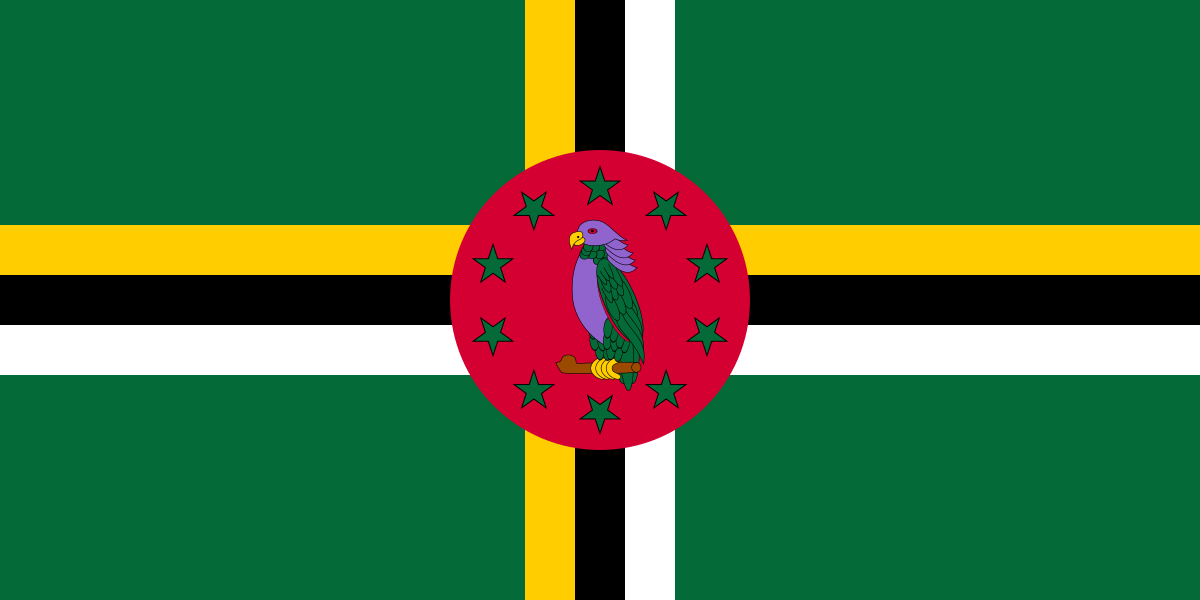
Dominica
DMThe Nature Island of the Caribbean — Dominica resembles no other destination in the region. There is no white sand and there are no mega-resorts; instead there is the Boiling Lake, nine potentially active volcanoes, 365 rivers, the longest hiking trail in the Caribbean and rainforest covering almost the whole island. It is a paradise for hikers, divers and anyone after untouched wilderness. Morne Trois Pitons National Park, the only UNESCO site in the eastern Caribbean, is here.
Where to go #
Roseau
The capital, worth a trip for its colonial architecture and loud markets. You can do the Botanical Gardens and the old town in a day before heading into the mountains. It is the main hub, and minibuses leave from here to everywhere on the island.
Portsmouth
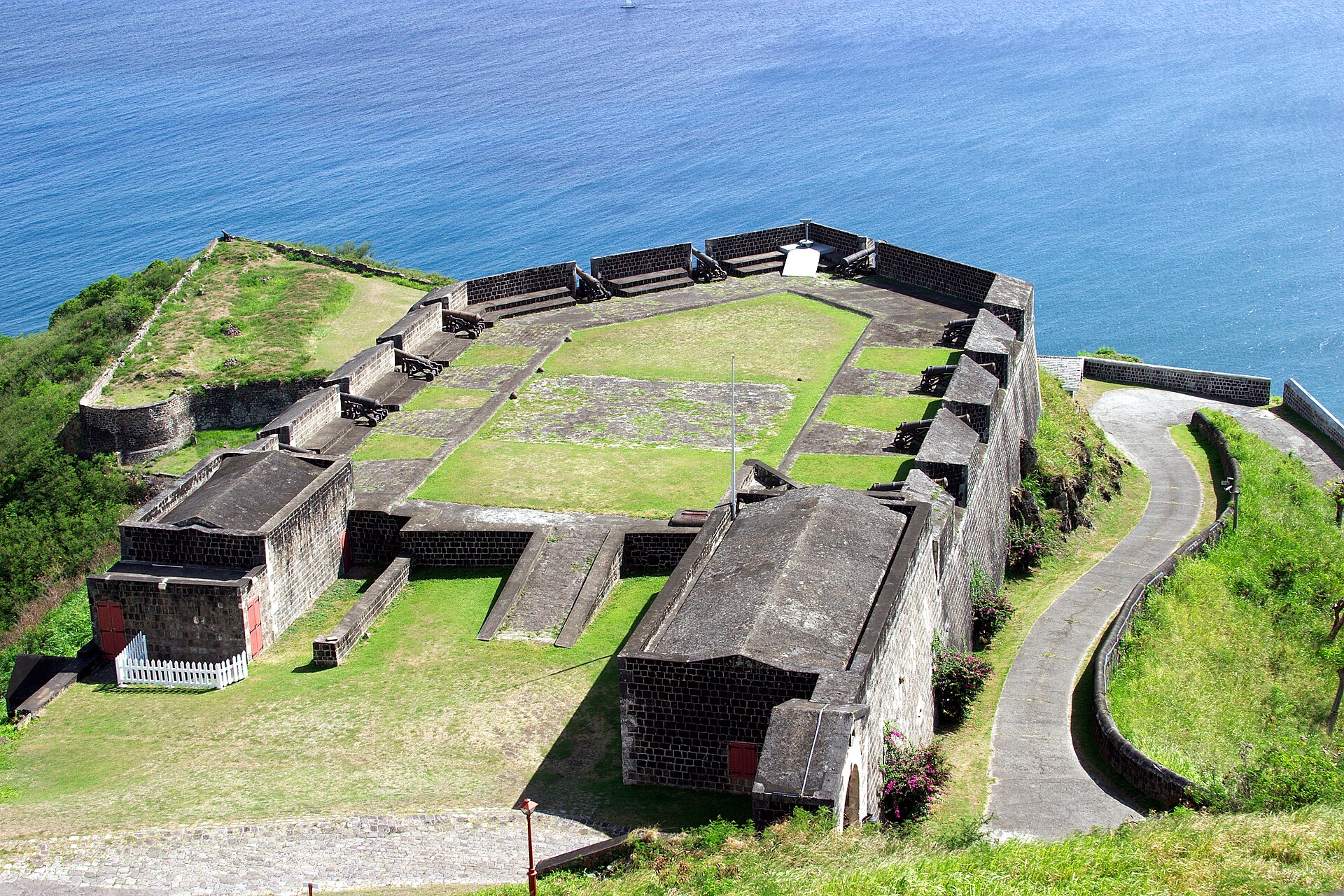
The second town, up in the north-west, where to go for the boat trips along the Indian River. The ruins of Fort Shirley at Cabrits are here, along with good dark-sand beaches. It feels calmer than the capital, and Prince Rupert Bay fills with yachts.
Calibishie
A scenic village in the north-east with dramatic views over the cliffs and the Atlantic. Worth a trip for the Red Rocks and the secluded coves. A good base for exploring the northern coast and its wilder trails.
Scotts Head
A tiny fishing village in the south, sitting on a narrow spit between the sea and the ocean. What to see first is the view from the hill over the point where the two waters meet. Best shore snorkelling on the island.
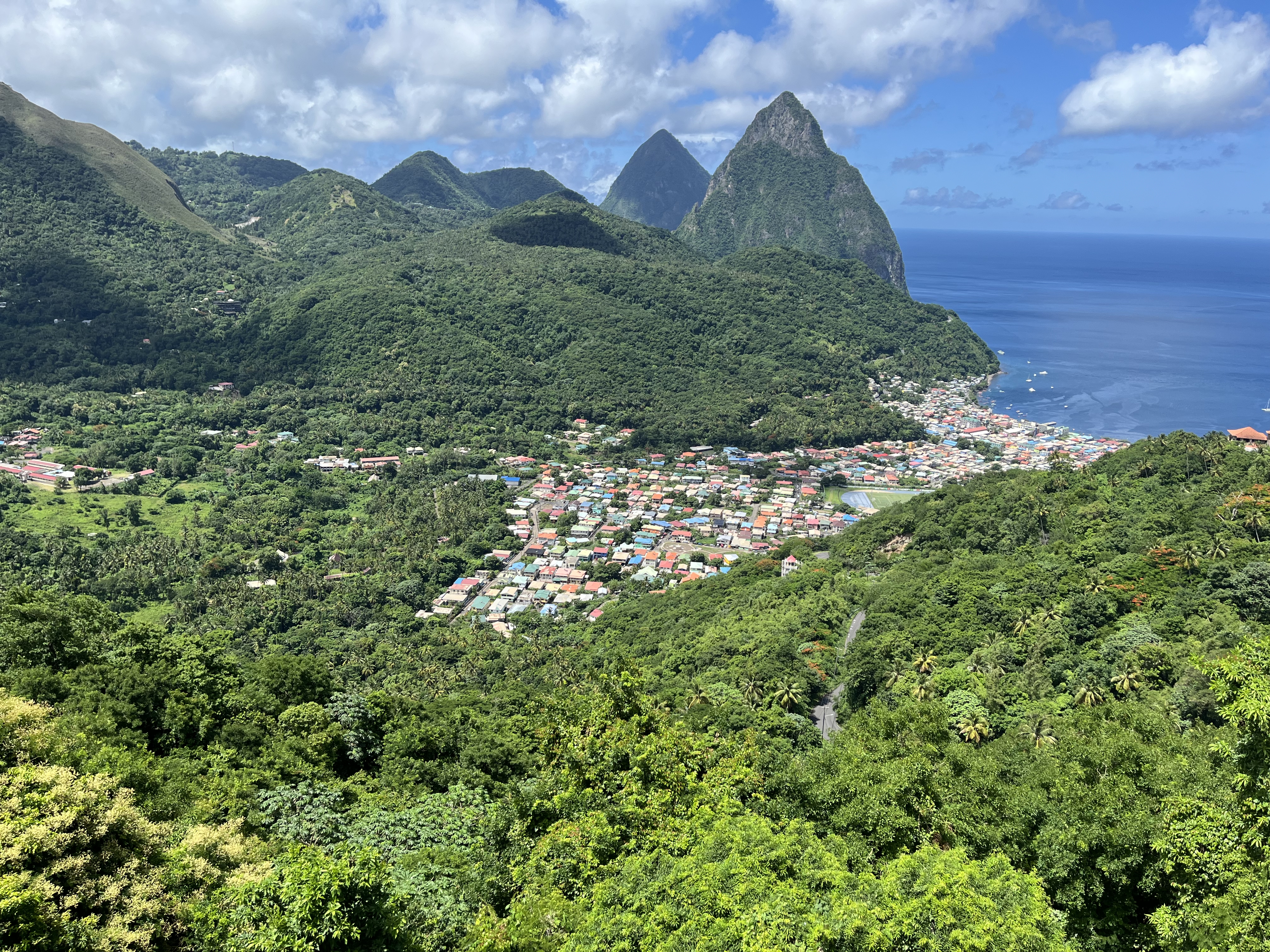
Soufrière
A comfortable settlement in the south-west, known for its sulphur springs and old church. Come here to swim in the warm effervescent water at Bubble Beach. The marine reserve next door has sheer underwater walls.
Mero
A popular coastal village with the best-known volcanic-sand beach. Easy to reach from Roseau for a day by the sea and a few hours in the beach bars. Also the place to eat freshly landed fish in creole sauce.
What to see #
Boiling Lake: The big challenge for hikers, and only to be attempted with a certified guide. The route through the Valley of Desolation takes about six hours and demands real fitness.
Trafalgar Falls: A pair of powerful cascades called Father and Mother, easy to do in a day from Roseau. At the foot there are natural sulphur pools to soak in afterwards.
Titou Gorge: A narrow volcanic canyon used as a location for major films. Swimming through it to the hidden waterfall is the thing you have to do here.
Champagne Reef: Snorkelling over volcanic gas vents rising through the water. The sensation of swimming in a glass of sparkling wine is what makes this reef memorable.
Waitukubuli Trail: The longest hiking route in the region, divided into fourteen segments. Pick the easier southern stretches or the hard jungle crossings through the centre.
Whale watching: Dominica is the only place where sperm whales live year-round. Boats leave from Roseau and the odds of an encounter are unusually high.
Indian River: A quiet paddle among mangroves and the buttressed roots of bwa mang trees. At the far end there is an atmospheric forest bar serving strong punch.
Emerald Pool: The classic Caribbean picture of a waterfall in dense forest. Go early in the morning, before the cruise-ship groups arrive.
Prices #
Currency: The East Caribbean dollar, pegged firmly to the US dollar. You do not need an exchange office, since US notes are accepted everywhere, though change comes back in local currency.
Cards: Plastic works only in the larger hotels and dive centres. For buses, street food and mountain guides you need cash and nothing else.
ATMs: Machines dispense local currency only and charge a fee per transaction. Look for them at bank branches in Roseau or Portsmouth, because villages have nothing.
Tipping: Around ten per cent in restaurants if a service charge is not already added. For guides on long, demanding treks, 15-20 dollars on top is the norm.
Prices: Dominica costs more than Southeast Asia because almost all food is imported. Save by buying seasonal fruit and root vegetables at the Saturday farmers' markets.
| Item | Price (USD) |
|---|---|
| Lunch in a local place | 7 |
| Dinner for two | 50 |
| Chicken roti | 4 |
| Bottle of Kubuli beer | 2 |
| Cappuccino | 3 |
| Minibus ride | 2 |
| Taxi airport to Roseau | 30 |
| National park day pass | 5 |
| Week park pass | 12 |
| Boiling Lake guide | 60 |
| Car hire per day | 45 |
| Whale watching trip | 75 |
| Litre of petrol | 1.2 |
| Dozen eggs | 4 |
| Loaf of bread | 2 |
Getting around #
Minibuses: The affordable way around, private vans marked with an H on the plate. They wait by the market in Roseau and leave when the seats fill up.
Timings: There is no timetable. Movement dries up after five in the evening and is almost nonexistent on Sundays, so plan your return from remote spots carefully.
Taxis: Fares are set by government tariff and no car has a meter. Confirm the price before your bag goes in the boot.
Car hire: A good choice for confident drivers who can handle driving on the left. You must buy a temporary local permit for 12 dollars from the police first.
Roads: Narrow, twisting and climbing steeply through jungle. Expect blind bends and no verge to pull onto across most of the network.
Ferries: Fast catamarans link Roseau with Guadeloupe and Martinique, a neat way to continue through the Caribbean without more flying.
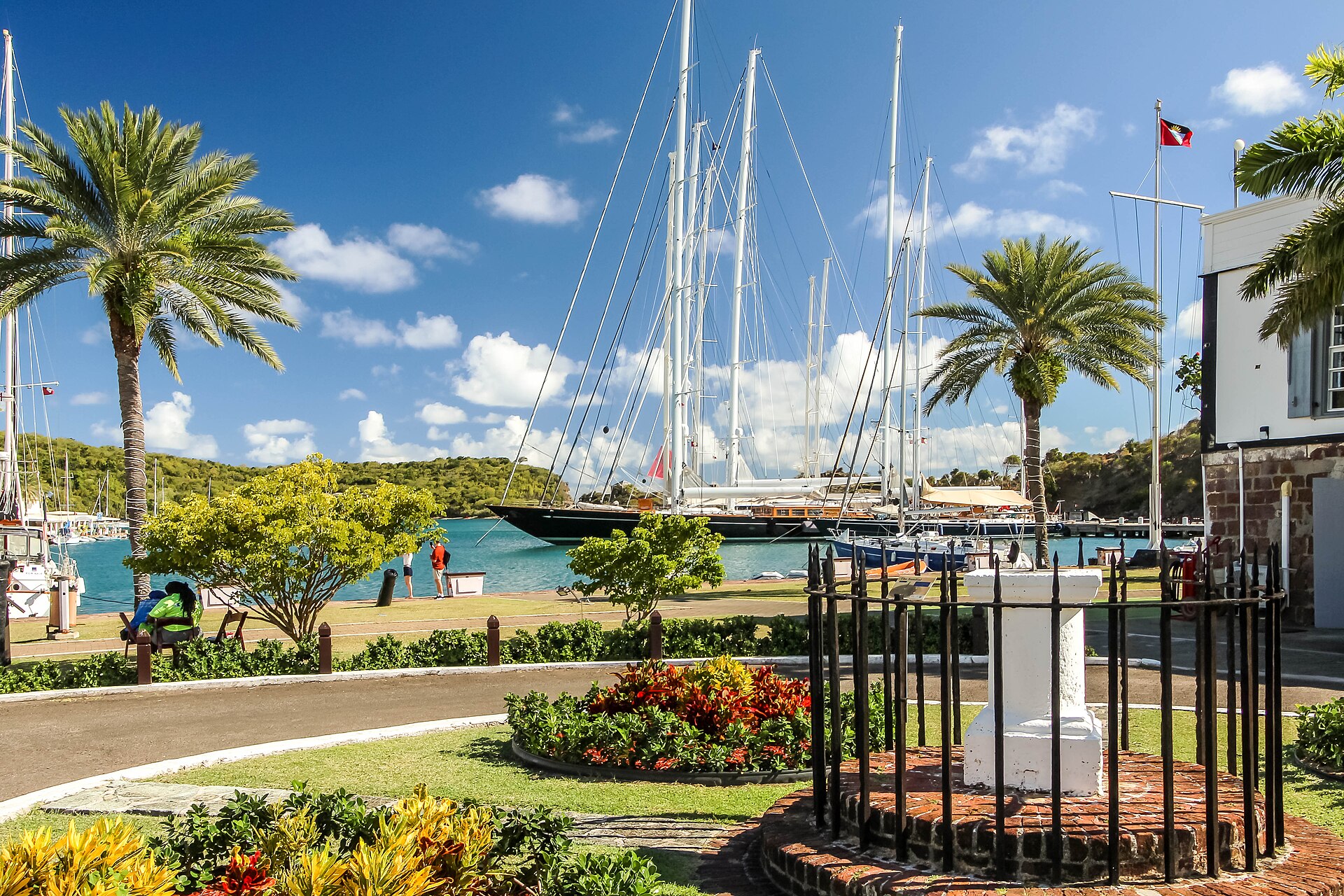
Getting there: There is no long-haul airport, so you connect through Antigua, Barbados, Guadeloupe or St Lucia on regional carriers. Baggage limits on the small aircraft are strict, so check them before packing.
Where to stay #
Guesthouses: The best option for an independent traveller who wants warmth and conversation. Many have a shared kitchen, which cuts the food bill considerably.
Eco-lodges: The island's signature, set right in the rainforest. They range from simple cabins by a river to villas with their own hot-spring pools.
In Roseau: Choice is limited to old colonial buildings converted into hotels. They are noisy because of the port, but everything and every bus is on your doorstep.
Picard: The area next to Portsmouth, formerly student housing, now full of affordable apartments with air conditioning and decent internet for longer stays.
Booking: In peak season from December to April, book a couple of months ahead. Outside that, you can find excellent places on arrival just by asking in bars.
Facilities: Expect no hot water in budget places, where it is rarely missed. Air conditioning is not universal either, replaced by ceiling fans and the breeze.
Off-grid: Many eco-lodges sit in areas with no mobile signal. It makes a fine digital detox, but download your routes while you are still in town.
What to eat #
Creole cooking: A mix of African and French traditions with plenty of spice. Dasheen, yam and plantain form the base of the plate alongside whatever meat is going.
Callaloo soup: A thick brew of taro leaves with coconut milk and crab. Filling, cheap, and what locals eat for lunch most days of the week.
Seafood: The catch of the day, usually tuna or mahi-mahi, is stewed with tomatoes. Fish here is not fried crisp but simmered slowly in sauce.
Roti: Flatbread wrapped around hot curry with chicken or vegetables. The ideal thing to eat on the move, sold at roadside kiosks and in markets.
Drinks: Try the local Kubuli beer, brewed with spring water. The rum is good too, particularly mixed with homemade ginger beer.
Mountain chicken: Once the national dish, this is actually a large frog. It is now strictly protected and eating it carries very heavy fines, so do not order it.
Fruit: Dominica is intensely green, so mango, papaya and avocado cost almost nothing. Buy at the Saturday market in Roseau, early in the morning.
Safety #
Overall: Crime is low and people are open and quick to help with directions. In Roseau, keep an eye on bags in a crowd and leave nothing visible in a car.
Weather: The real danger here is tropical rain rather than people. Downpours cause flash floods in the rivers and turn mountain trails lethally slippery.
Hurricane season: From June to November the storm risk climbs and roads close. Always check forecasts before heading into the forest.
Currents: On the Atlantic coast the waves and rips are dangerous even for strong swimmers. Swim on the western Caribbean side instead.
Hiking: Never go to Boiling Lake alone or without registering with the rangers. In the Valley of Desolation it is easy to lose your way in mist or burn yourself on hot vents.
Medical: Public clinics manage minor injuries, but anything serious means being flown out. Insurance covering adventure activities is genuinely essential here.
Insects: The jungle has plenty of mosquitoes and midges, most active after rain. Use repellent and wear long sleeves for evening forest walks.
Etiquette and culture #
The Nature Island: Dominica is proud of the title and deliberately avoids mass tourism. Quiet, conservation and traditional community life are what people value here.
The Kalinago: The eastern side of the island is Kalinago Territory, home to the indigenous Caribs. Visit the cultural village to see basket weaving and canoes being built.
Carnival: Held before Lent and considered the most authentic in the region. Bright costumes, calypso and night processions with paint.
Sunday: Most people are devout Catholics and Sunday is a day of rest. Many shops and cafés stay closed until evening, so shop the day before.
Dress: Camouflage-patterned clothing is illegal for civilians here. In towns, swimwear is not acceptable away from the beach itself.
Music: Reggae, bouyon and quadrille play everywhere, reflecting the mix of cultures. Locals are very musical and spontaneous jams break out on bar verandas.
Greetings: Dominicans are courteous and it is normal to greet strangers on a trail. Returning the greeting with a smile is the fastest way to a real conversation.
Connectivity #
Networks: Two main operators, Flow and Digicel. Buy a SIM at the airport or in a Roseau office, with your passport for registration.
Coverage: Mobile data is stable in the coastal towns and good enough for maps. Inland, especially on the forest trails, the signal drops out regularly.
Wi-Fi: Guesthouse connections can be slow and temperamental, particularly after a storm. Modern cafés in Roseau and Portsmouth are fine for email.
eSIM: A good option if you would rather not deal with a physical card. The main providers cover Dominica with data packages that activate on landing.
Offline maps: Critical for independent mountain travel. Download the sections you need in town so you are not dependent on a tower halfway up a ridge.
Language: English is official, but among themselves people often switch to Kwéyòl, a French-based creole that sounds musical and is close to impenetrable at first.
Plugs: British type G three-pin sockets. Buy the adapter before you arrive, though hotel reception desks often lend them out.
Phrasebook #
| English | Kwéyòl | Pronunciation |
|---|---|---|
| Hello / Good day | Bonjou | bon-ZHOO |
| Good evening | Bonswè | bon-SWEH |
| How are you? | Sa ou fè? | sa oo FEH |
| What's happening? (slang) | Sa ka fèt? | sa ka FET |
| Thank you | Mèsi | MEH-see |
| Please | Souplé | soo-PLAY |
| Yes / No | Wi / Non | wee / non |
| How much is it? | Konmen i kouté? | kon-MEN ee koo-TAY |
| That's expensive! | Sa chè! | sa SHEH |
| Water | Dlo | dloh |
| Food | Manjé | mon-ZHAY |
| It's good | I bon | ee BON |
| Where is...? | Ki koté...? | kee ko-TAY |
| Help me! | Ede mwen! | ay-DAY mwen |
| I'm lost | Mwen pèdi | mwen PEH-dee |
| Beautiful | Bèl | bell |
| Let's go! (slang) | An nou alé! | an noo a-LAY |
| Mate, love (slang) | Doudou | doo-DOO |
| Stop here | Rété la | ray-TAY la |
| See you later | A pli ta | a plee TA |
| Goodbye | Orevwa | oh-ray-VWA |
Good to know #
Your embassy: Very few countries have a mission on the island itself, and most cover Dominica from Barbados or Trinidad. Find and save your own country's nearest contact before you travel.
Websites: The main planning resource is discoverdominica.com, which lists certified guides. For hiking, waitukubuli.com carries current trail conditions.
Immigration form: Complete the online form on the official government portal before you fly and screenshot the confirmation, since airport internet is unreliable.
Flights: Connecting through Antigua, Barbados or Guadeloupe is the usual approach. Watch the baggage weight limits, which are strict on the small aircraft.
October: If you travel then you catch Creole culture week, which is the best time to see people in full national dress with music everywhere.
Health: Bring a basic kit with antiseptics and antihistamines. Mountain tap water is clean, but in towns bottled is the safer choice.
Electricity: 230 volts at 50 hertz. Check your chargers are rated for it, particularly if you are coming from North America.