
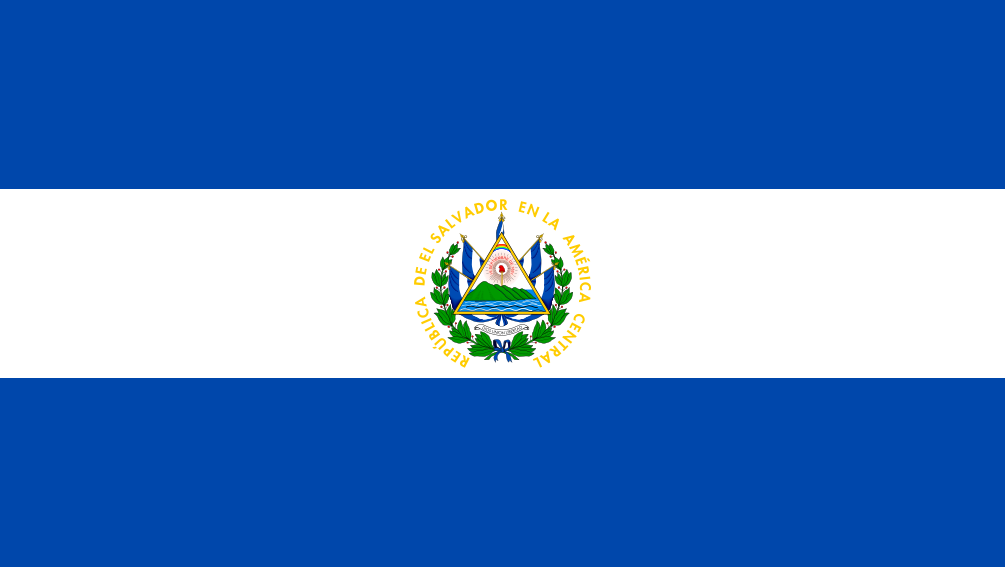
The smallest country in Central America, and one that has gone from among the most dangerous to among the most interesting to travel in. World-class Pacific surf, a chain of volcanoes, colonial towns and pupusas for 50 cents. El Salvador was the first country in the world to make bitcoin legal tender. The currency is the US dollar, which keeps budgeting simple, and prices are among the lowest in the region.
Where to go
#San Salvador
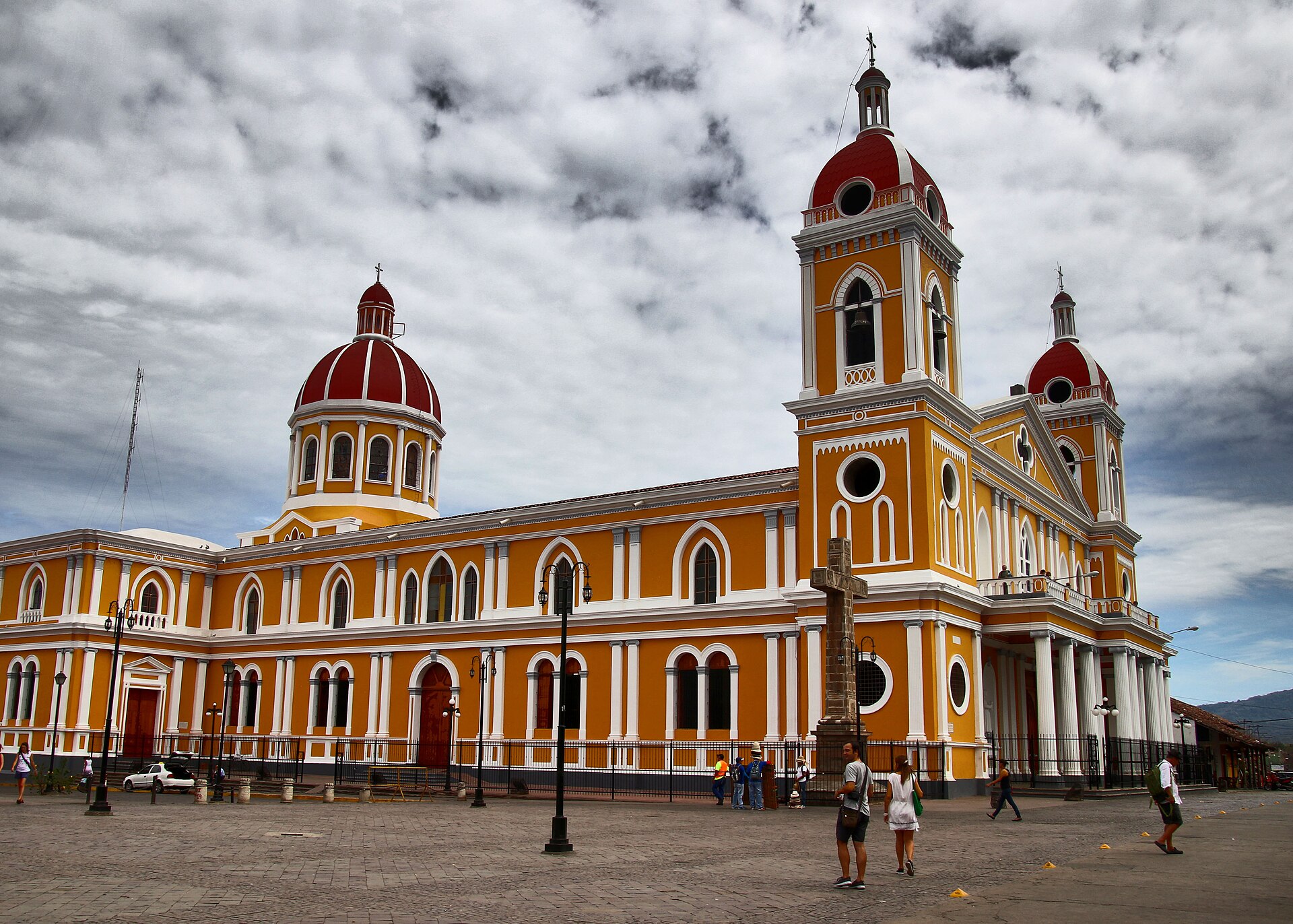
A loud capital sitting at the foot of a volcano, and the natural hub for trips around the country. Visitors stay in San Benito or Escalón, where the nightlife runs late and the best restaurants are. The restored historic centre and its cathedrals are worth an afternoon.
Santa Ana
The second city kept its colonial face and serves as the base for climbing the country's main volcano. From here the emerald crater lake and the mountain flower route are both within easy reach. The evening walk around the square by the cathedral is a genuine pleasure.
Suchitoto
The most photogenic town in El Salvador, where cobbled streets and white walls put you straight back into the colonial era. It is the cultural capital, with indigo dyeing workshops and a superb view over Lake Suchitlán. The place to slow down and buy something handmade.
El Tunco
The main party spot on the coast, where backpackers from everywhere converge for the surf. The village is known for black sand, beach bars and its sunsets. Despite the popularity it has kept a loose, easy atmosphere.
El Zonte
El Tunco's quieter neighbour, which became the centre of the world's bitcoin experiment. You can pay in crypto for a bottle of water here, and the beaches suit yoga and doing very little. The wave is good and the line-ups are noticeably thinner.
What to see
#Santa Ana Volcano: What to see first is the turquoise lake sitting inside an active crater. The climb takes about ninety minutes and is within reach of anyone in reasonable shape. From the top you look across neighbouring peaks all the way to the Pacific.
Lake Coatepeque: An emerald crater lake, where to go for kayaking or a long lunch at a lakeside restaurant. The water is warm and the views look like Switzerland relocated to the tropics.
Ruta de las Flores: Worth a trip for five mountain villages strung together by coffee plantations and street art. In Juayúa there is a food festival every weekend, heavy on grilled meat and things you will not recognise.
Joya de Cerén: A Maya village preserved under volcanic ash, often called the Pompeii of the Americas. It is not pyramids but real houses, showing you how ordinary people actually lived.
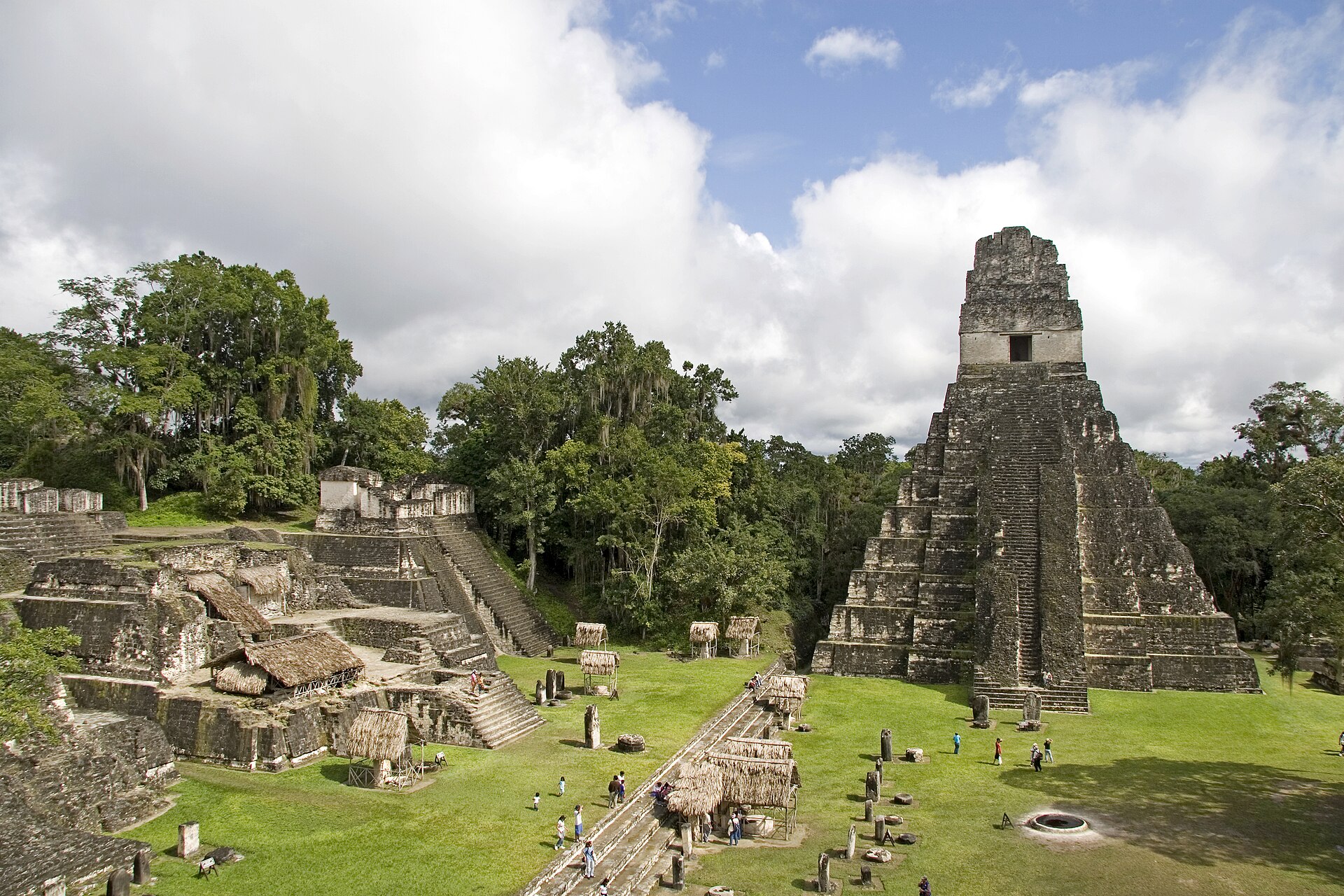
Tazumal: The largest pyramid in the country, sitting in the middle of a residential district in Chalchuapa. The stepped structures have survived well and the entry fee is trivial.
Malacatiupán waterfalls: A thermal river you can do in a day and should. The water is hot from volcanic activity, and the cascades form natural baths that photograph beautifully.
Prices
#Currency: El Salvador dropped its own currency in the early 2000s and uses the US dollar. Ordinary American banknotes circulate, though coins can be a mix of old local ones and current US issue.
Bitcoin: This was the first country in the world to make bitcoin legal tender. In developed tourist areas you can pay with it even for street food, using the official Chivo app or a third-party wallet, but acceptance is patchy in practice.
Cards: Visa and Mastercard work in chain hotels, big supermarkets and malls, and Amex less reliably. Buses, markets and rural comedores want small notes and nothing else.
ATMs: Machines are everywhere, though most charge a per-transaction fee. Keep a stock of ones, fives and tens, because getting change for a large note in a village is genuinely difficult.
Tipping: Around ten percent in restaurants, often already added to the bill as "propina", so check before doubling it. Always carry small cash, since card terminals in the mountains frequently fail on a weak signal.
| Item | Price (USD) |
|---|---|
| Classic pupusa | 0.80 |
| Lunch at a comedor | 4.00 |
| Dinner for two | 25.00 |
| Speciality coffee | 3.50 |
| Local beer | 2.00 |
| Bottle of water | 0.70 |
| Dorm bed | 12.00 |
| Guesthouse per night | 35.00 |
| City bus fare | 0.30 |
| Intercity chicken bus | 2.50 |
| Short Uber ride | 5.00 |
| Surf lesson | 30.00 |
| Museum ticket | 3.00 |
| Litre of petrol | 1.00 |
Getting around
#Getting there: San Salvador takes direct flights from Miami, Houston, Dallas, Los Angeles and New York on Avianca, United and American. From Europe you connect through Madrid, Miami or Panama City, and Avianca's Bogotá hub links the rest of Latin America.
Chicken buses: Retired American school buses reach every corner of the country. It is the cheapest way to get almost anywhere, usually for a couple of dollars.
Express coaches: Modern services with proper seats run between the capital and Santa Ana. They cost slightly more and save a great deal of time.
Car hire: Peer-to-peer platforms let you rent from private owners without a huge deposit blocked on your card. It is the practical option for the flower route and the coast.
In the capital: Uber remains the most dependable way around San Salvador. It removes any haggling with drivers and any argument about the route.
From the airport: The airport is forty kilometres out of town. Uber costs roughly half of what the taxi touts outside arrivals will quote you.
Shuttles: Private minibuses run between the surf spots and the mountains, dropping you at your hotel door. They cost more than the bus and save you a lot of effort.
Where to stay
#In the capital: San Benito and Escalón are the districts to stay in. Both are safe, well patrolled and set up for visitors, with everything within reach.
Surf villages: In El Tunco and El Zonte look for somewhere directly on the sand. You sleep to the sound of the ocean and get out first for the morning session.
Suchitoto: Choose a guesthouse in a colonial mansion. Green courtyards and antique furniture make these among the most atmospheric rooms in the country.
Santa Ana: Stay in the centre, which makes early departures for the volcanoes simpler and puts you on the main square for the evening.
Apartments: The private rental platforms work reliably here. It is the best way to find something with a kitchen for a longer stay.
Budget: A dorm bed costs around ten to twelve dollars a night. A private room in a family home runs three or four times that and is still excellent value.
What to eat
#Pupusas: The national dish is a thick corn flatbread stuffed with cheese, beans or pork. You eat them with your hands, dipping into sauce and pickled cabbage.
Street food: Fried yuca with pork crackling is a superb market snack. It is filling, cheap and sold on more or less every corner.
Soups: Thick broths of beef leg or turkey are cooked at weekends. They are a serious undertaking and stand in for a whole meal.
Coffee: El Salvador grows excellent arabica. Look for the small cafes in the hills along the Ruta de las Flores, where the beans are roasted while you wait, rather than the chains in the capital.
Desserts: The local quesadilla is not a tortilla but a sweet cheese cake eaten with coffee. Its mildness works perfectly against a strong brew.
Drinks: Horchata made from morro seeds is genuinely refreshing in the heat. Also try the exotic fruit juices sold in a bag with a straw in it.
Safety
#Overall: Crime has fallen dramatically in recent years and the country is now calmer than its neighbours. Tourist areas are visibly patrolled.
In the capital: Do not wander into the poorer outlying districts. Stay in the central neighbourhoods and keep expensive equipment out of sight in a crowd.
After dark: Rule out intercity travel once the sun goes down. Highway lighting is poor and animals on the road are a real hazard.
The ocean: The Pacific here is treacherous, with powerful rips. Never swim alone on an unpatrolled beach and pay attention to the warning flags.
Getting help: For any problem, look for the tourist police. Officers in the dedicated uniform are trained to help foreigners and often speak some English. Check your own government's travel advisory before you book.
Health: Do not drink the tap water even in expensive places. Buy bottled water for drinking and for brushing your teeth.
Etiquette and culture
#Bitcoin country: El Salvador was first in the world to make crypto official money. That is part of a deliberate rebrand that has drawn a steady stream of technology enthusiasts.
Indigo: In Suchitoto you can watch cloth being dyed deep blue by hand. The finished pieces make the best souvenir from this part of the country.
Religion: Festivals here are loud and elaborate. At Easter the roads are covered with carpets made of coloured sawdust, turning whole streets into artworks.
Pace: Life runs slowly, at tropical speed. Nobody hurries, so bring patience for restaurants and banks alike.
The pupusa: The flatbread is treated as a matter of national pride, to the point where there is a dedicated festival for it in November.
Hospitality: Salvadorans are open and quick to give directions. A genuine smile and a few words of Spanish will open essentially any door.
Connectivity
#Language: Spanish is the only working language here. English is spoken by a handful of people in capital hotels and almost nowhere else, there are few English menus, and a phrasebook or offline translator is not optional.
Mobile: Claro and Tigo lead the market. A SIM costs around five dollars from any phone shop, and you need your passport to register it.
eSIM: International eSIMs do work here and cover the cities well, which suits a short trip. For anything longer, a local SIM is cheaper and reaches further into the hills.
Coverage: 4G is stable in the towns but drops out in the mountains. Download offline maps before heading up the Ruta de las Flores.
Messaging: Everyone uses WhatsApp to reach hotels and guides. It is the most reliable way to book a tour or confirm a bus time.
Apps: Install Uber for the capital and Moovit for tracking buses. Both make independent travel around the country considerably simpler.
Phrasebook
#| English | Spanish | Pronunciation |
|---|---|---|
| Hi! | ¡Hola! | OH-la |
| Thank you | Gracias | GRA-syas |
| Please | Por favor | por fa-VOR |
| How much is it? | ¿Cuánto cuesta? | KWAN-to KWES-ta |
| The bill, please | La cuenta, por favor | la KWEN-ta por fa-VOR |
| Where is the toilet? | ¿Dónde está el baño? | DON-deh es-TA el BAN-yo |
| I don't understand | No entiendo | no en-TYEN-do |
| Help | Ayuda | a-YOO-da |
| Cool! (slang) | ¡Chivo! | CHEE-vo |
| Kid, mate (slang) | Cipote | see-PO-teh |
| You (local form) | Vos | vos |
| Cheese pupusa | Pupusa de queso | poo-POO-sa deh KEH-so |
| Beer | Cerveza | ser-VEH-sa |
| Water | Agua | AH-gwa |
| Delicious | Qué rico | keh REE-ko |
| Good vibes (slang) | Buena onda | BWEH-na ON-da |
| Straight ahead | Derecho | deh-REH-cho |
| To the right | A la derecha | a la deh-REH-cha |
| To the left | A la izquierda | a la ees-KYER-da |
| Goodbye | Adiós | a-DYOS |
Good to know
#Consular help: Few countries keep a mission in San Salvador, and many cover El Salvador from Guatemala City, Managua or Mexico City. Check which applies to your passport and save the number offline.
Sockets: El Salvador uses the American standard with two flat pins at 110 volts. Travellers from Europe, the UK and Australia need an adapter, and they are hard to find outside the capital.
Drinking water: Tap water is not potable. Use bottled water for drinking and for brushing your teeth to avoid stomach trouble.
Time zone: The country runs on GMT-6 with no daylight saving. Life follows the sun, so towns wind down early and things open early too.
Medical kit: Assemble what you need before you fly. Local pharmacies are expensive and finding an equivalent to a specific medicine can be difficult.
Photography: Always ask politely before photographing people. It heads off misunderstandings, particularly in the smaller indigenous villages.
Frequently asked questions
#Most European, British, American, Canadian and Australian passport holders enter visa-free for up to 90 days. Note that this period is shared across the CA-4 zone, so days spent in Guatemala, Honduras or Nicaragua count against the same total.
Around 500 to 700 dollars per person covers a straightforward independent trip. That includes simple rooms, eating in local comedores and getting around on public transport.
The security situation has changed dramatically and the country is now among the calmest in the region. Standard precautions still apply: avoid unfamiliar capital districts at night and do not leave valuables on the beach.
The La Libertad coast is the centre of it, specifically El Tunco and El Zonte. Both have surf schools, board hire and waves that suit beginners and experienced surfers alike.
Uber is the easiest and safest option and costs 15 to 20 dollars into the centre. Taxi drivers outside the terminal frequently quote double that.
It is legal tender, but acceptance is concentrated in larger chains and popular tourist spots. In mountain villages and at markets you will be asked for cash dollars, so do not rely on crypto alone.
Pupusas are the essential dish, stuffed with cheese, beans or pork. Also try fried yuca with pork, the rich weekend soups, and the coffee from the mountain plantations.
The dry season from November to April is ideal. The weather suits both volcano hiking and the beach, and you avoid the long tropical downpours of the wet months.
Yes, but with restrictions. Registration is mandatory for a drone of any weight. Drone registration, a pilot licence and insurance are required. Rules for other countries are in the drone ranking by country.
Updated
The data on this page goes out of date. Visa rules and permitted stays, border requirements, prices and budgets, transport and local conditions all change fast, and we do not re-check every page every day. We show the date of our last check where we have one, but before you travel, verify with official sources: the country’s consulate, its immigration service, its e-visa portal and your carrier.