
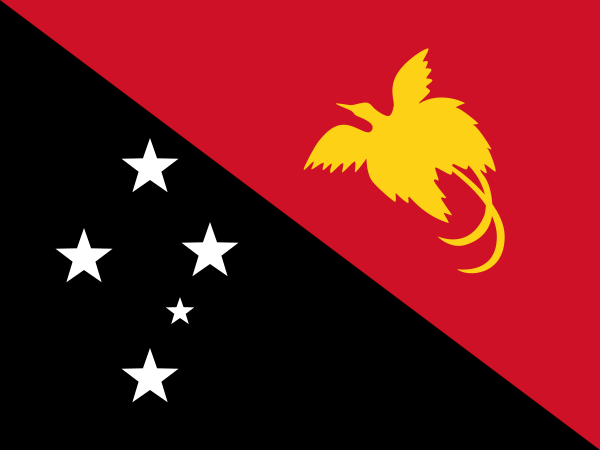
Papua New Guinea
The last genuinely wild country on the planet — the eastern half of the second-largest island on earth plus hundreds of smaller ones. More than 800 languages, tribes who first saw a European in the twentieth century, impenetrable jungle, active volcanoes, world-class coral reefs and a culture unlike any other. PNG is adventure in its purest form, but it demands serious preparation and caution.
Where to go
#Port Moresby
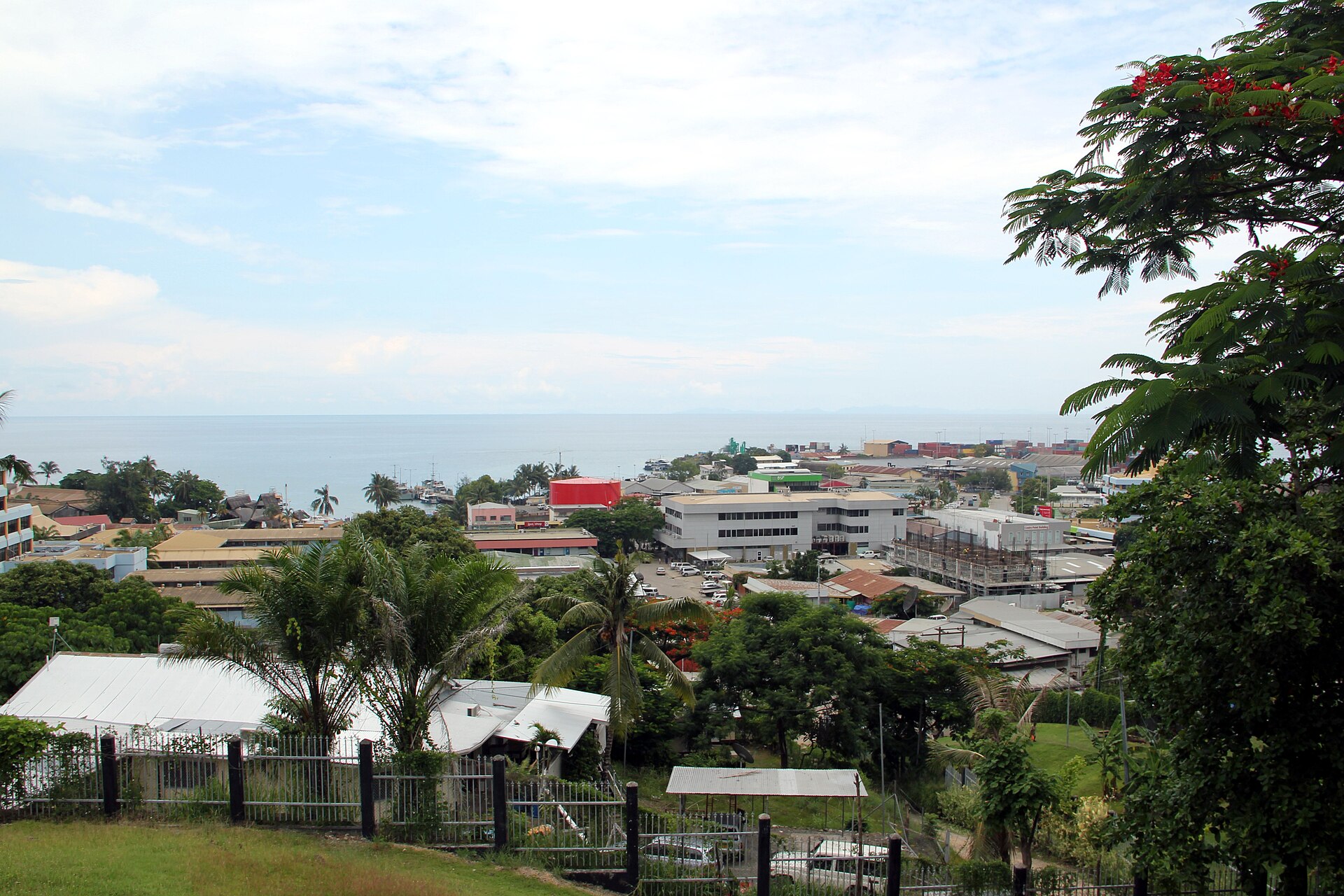
The capital and the country's main hub, worth a couple of days for the National Museum and a look at the Parliament building. It also appears consistently on lists of the world's least safe cities, so move between places by arranged car rather than on foot.
Mount Hagen
This highland town is the base for getting anywhere near the traditions of the interior tribes. The big event is the August festival, which draws hundreds of performers in full dress and feathers from across the highlands.
Goroka
A pleasantly cool climate and the famous September sing-sing. In the surrounding hills you can visit coffee plantations and buy excellent fresh arabica straight from the farmers who grew it.
Rabaul
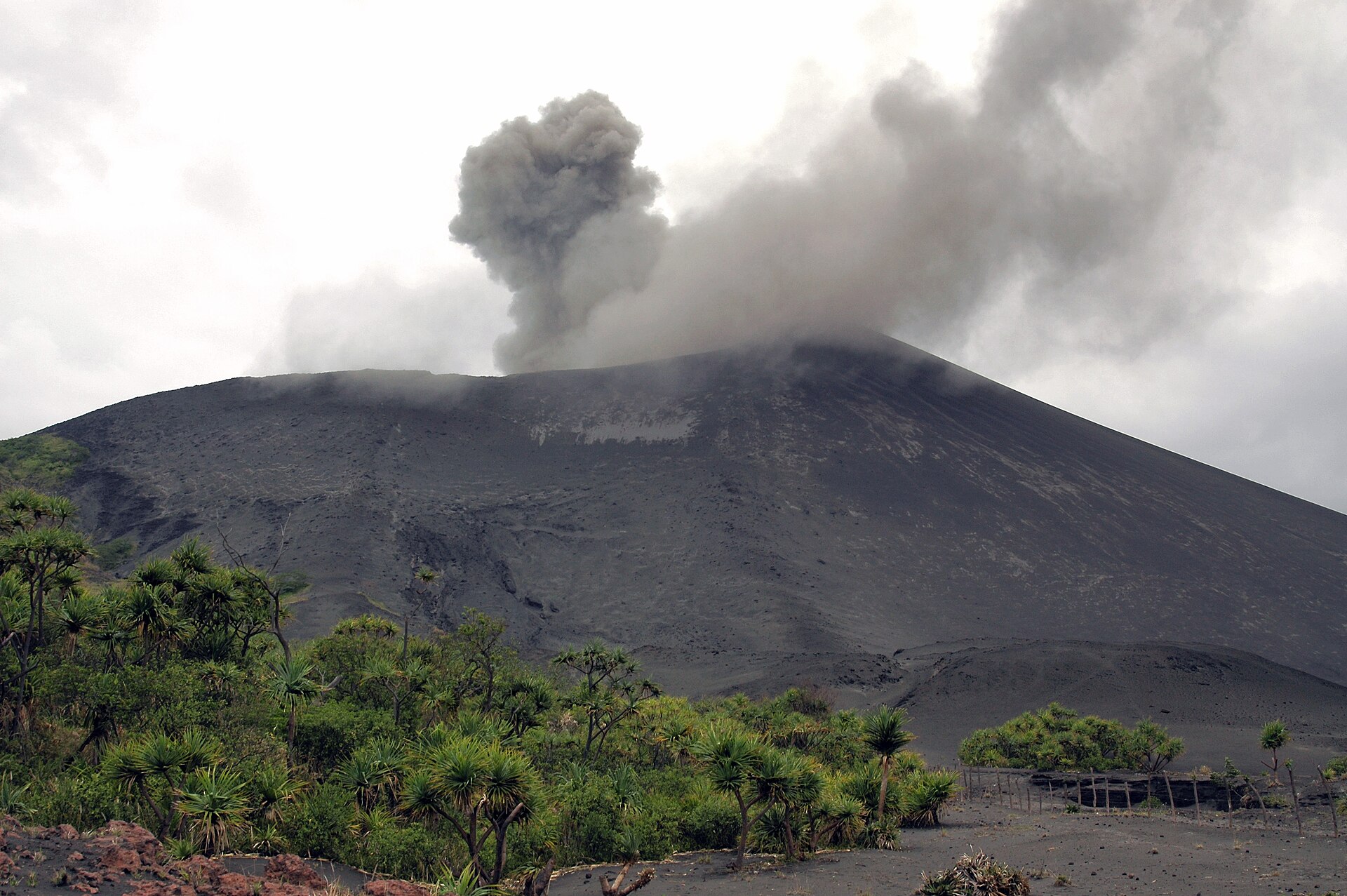
A town on New Britain, half buried in ash after the eruption at the end of the last century. People come to climb towards the smoking crater of Tavurvur and to walk through the concrete Japanese bunkers left from the war.
Alotau
A calm coastal town in the east and the gateway to the diving in Milne Bay. The canoe festival takes place here in November; the rest of the year it runs at an unhurried and notably safe island pace.
Wewak
The launching point for expeditions up the Sepik river, famous for its woodcarving and its spirit houses. The town itself is plain, but it is where you buy the last of your supplies before heading into the jungle.
What to see
#Where to go for culture: the Sing-sing shows at Goroka or Mount Hagen are unmissable. Dozens of tribes compete in dance, decorated with bird-of-paradise plumes, cowrie shells and elaborate face paint, and nothing else in the Pacific comes close.
What to see on the Sepik: a multi-day expedition by motorised canoe up the great river. You see the Haus Tambaran spirit houses and hear about the crocodile initiation ceremony, which leaves visible scars on the men who go through it.
A day in Rabaul: you can walk right up to the active crater of Tavurvur and swim in the hot springs at its foot. The enormous tunnel network dug by Japanese forces during the war is nearby and open to visitors.
Where to dive: Milne Bay is considered one of the best places on the planet for underwater life. Visibility reaches forty metres, and beneath the surface are coral gardens and sunken aircraft from the Pacific campaign.
The Kokoda Track, for the committed: 96 kilometres over mountain ridges and through wet jungle, and one of the hardest treks anywhere. It requires an official permit and a licensed guide, and preparation takes months rather than weeks.
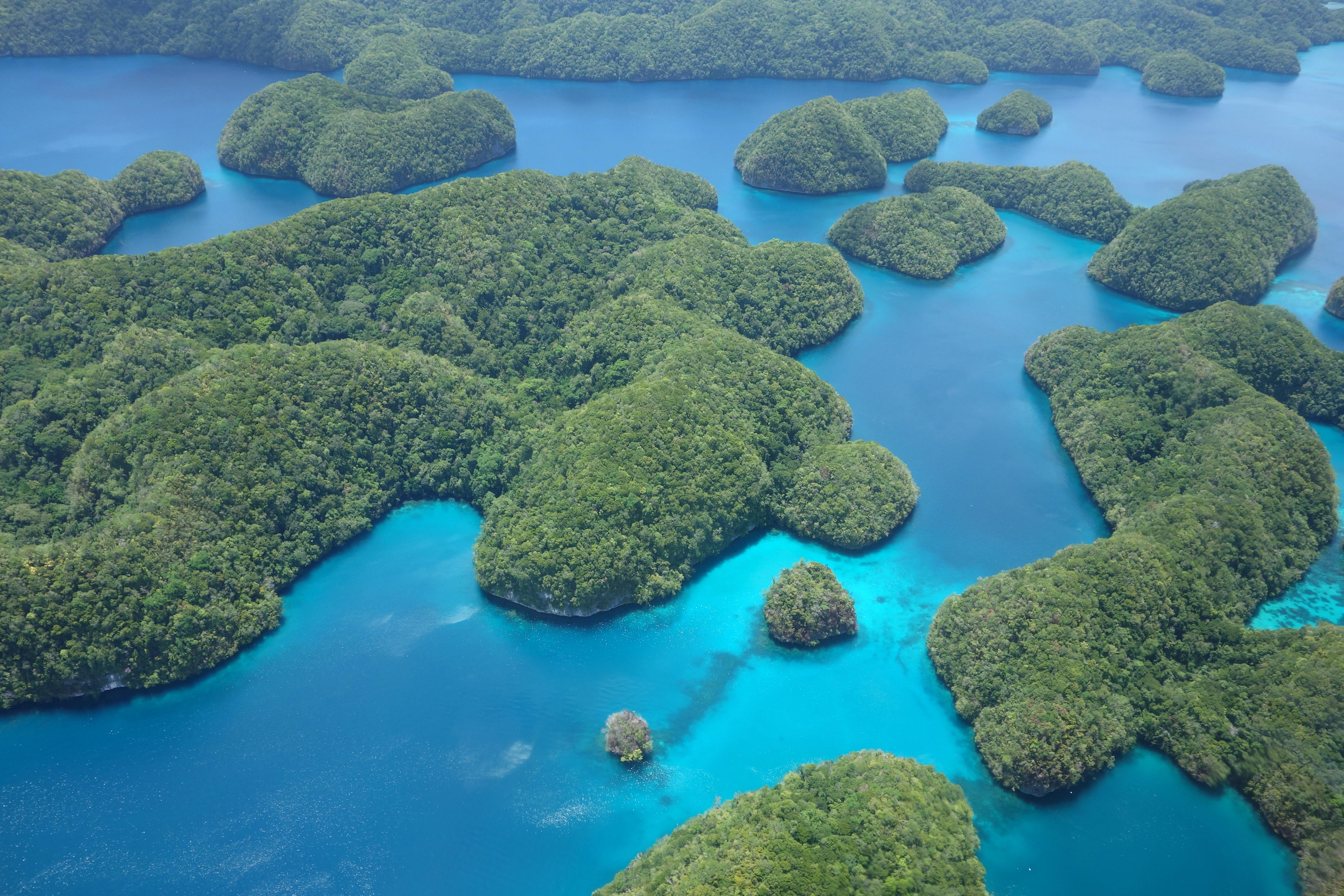
Worth a trip to the islands: for solitude, head to the smaller atolls of the Bismarck Archipelago. The environment there is close to untouched and the white-sand beaches have nobody on them at all.
Prices
#Currency: the local money is the kina (PGK), divided into 100 toea. It has been trading around 4.3 kina to the US dollar, though inflation moves it, so check the rate before you convert anything.
Cash: outside the capital only notes are accepted, so always keep a reserve of cash on you. The best place to change dollars, US or Australian, is at a bank in Port Moresby soon after you land.
Cards: card payment works only in the large chain hotels and a couple of shopping centres in the capital, and Amex is unheard of. ATMs are frequently empty or unwilling to take foreign cards, so do not build a trip around finding one.
Tipping and haggling: tipping is not part of the culture here and the figure on the bill is final. Haggling in markets is not expected either, and the price quoted is generally the price paid, foreigner or not.
| Item | Price (USD) |
|---|---|
| Street snack | 1.50 |
| 0.5L bottled water | 1.00 |
| SP Lager from a shop | 3.00 |
| Lunch in a local café | 7.00 |
| Fast-food combo | 8.00 |
| PMV minibus ride | 0.50 |
| Taxi across town | 10.00 |
| Digicel SIM card | 4.00 |
| 1 GB of mobile data | 3.00 |
| Bed in a village lodge | 50.00 |
| Room in a good hotel | 130.00 |
| Ticket to a cultural show | 25.00 |
| Litre of petrol | 1.40 |
| Bag of local coffee | 6.00 |
| Domestic flight | 180.00 |
Getting around
#Getting in: Port Moresby is reached almost entirely through Australia and Asia. Air Niugini and Qantas fly from Brisbane, Cairns and Sydney, and there are links from Singapore, Manila and Hong Kong. From Europe or North America that means two or three connections, so treat the journey itself as part of the trip's cost and length.
Flying is the default: the mountainous terrain means there is effectively no road network between provinces. Air Niugini and PNG Air connect the main centres, but tickets are expensive and need buying well ahead.
Expect disruption: flights are frequently delayed or cancelled because of cloud in the highlands or a fuel shortage at a remote strip. Build a spare day into any itinerary that has an international flight at the end of it.
PMV minibuses: how most people travel, in ageing minibuses that cost almost nothing. They are cramped and loud, and the pickpocketing risk on them is high enough that most visitors avoid them.
Taxis and transfers: use only the official yellow cars and agree the fare before you set off. Many hotels run free airport shuttles, and that is the safest option available to you.
Boats: on the coast and on the Sepik you travel by banana boat or dugout canoe. Life jackets and radios are rare, so understand what you are agreeing to before you push off.
Self-drive: hiring a car without a driver is strongly discouraged, because of both the roads and the risk of being stopped. If you do it anyway, remember that traffic keeps left and carry two spare wheels.
Where to stay
#Finding a bed: searching independently is hard, because many budget places do not appear on the global booking sites at all. For small lodges and guesthouses you will be emailing or phoning directly, and answers take days.
Security first: when choosing where to sleep, look for a fence, razor wire and round-the-clock guards. That is not paranoia in a large town here; it is the baseline for an undisturbed night.
City hotels: Port Moresby has international chains where the service meets the standard you would expect anywhere. Rates start around $150 a night and climb steeply from there.
Village guesthouses: on the Sepik or along Kokoda you get a hut, a mattress on the floor and a net. The toilet is a pit outside and the shower is a bucket of cool water or the nearest river.
Eco-lodges: the diving areas of Milne Bay and Kavieng have specialist lodges selling packages with all meals included, because sourcing food and transport yourself in those places is simply not possible.
Utilities: even in paid guesthouses the electricity often runs to a generator's schedule. Hot water is a bonus rather than an expectation, and ceiling fans usually stand in for air conditioning.
What to eat
#The staples: the cooking is simple and built on boiled root crops. Sweet potato (kaukau), taro and yam appear on the plate every day, from the highlands to the coast.
Mumu: meat and vegetables baked in an earth pit on hot stones under layers of leaves. The flavour is distinctive and heavily smoked, and the process itself is worth watching once.
Fish and seafood: buy only at morning markets or eat it in hotel restaurants. In the heat, with no refrigeration along the river, fish spoils fast and the consequences are serious.
Sago: in the swampy lowlands people eat a starch paste made from the sago palm trunk. On its own it tastes of very little, but it fills you up and usually accompanies fried fish or crocodile.
Betel nut: locals chew buai with lime constantly, which stains their teeth bright red. It is a mild stimulant and a deep-rooted habit, and the red spit marks on every pavement come from it.
Drinks and coffee: SP Lager, the national beer, does the job in tropical heat. PNG grows superb arabica, but decent coffee is served mostly in hotels, while everyone else drinks cheap instant.
Safety
#The picture: this is one of the more difficult countries in the world for personal security. High unemployment feeds street crime, and vigilance is required during the day as well as at night.
In the cities: never walk around Port Moresby or Lae, even if your destination is five hundred metres away. Use vetted transport and stay inside the guarded grounds of your hotel after dark.
Valuables: leave expensive watches and jewellery at home. Do not take your phone out on the street; step into a shop, a bank or a closed car if you need to check a map or make a call.
Tribal conflict: violent clan fighting flares up periodically in Enga and the Highlands provinces. Follow the local news, and if a road is closed because of a clash, do not attempt to drive it.
Women travelling alone: solo travel is strongly discouraged here because of the high risk of sexual violence. If you are travelling alone, join a group or hire a trusted local escort.
Medical care: there are no good hospitals outside the capital, and a helicopter evacuation costs thousands. Make sure your insurance covers that and includes emergency transfer to Australia, and check your own government's travel advisory before booking anything.
Etiquette and culture
#Eight hundred languages: the country speaks more languages than anywhere else on earth. The glue holding it together is Tok Pisin, a creole built on English vocabulary, which anyone can pick up quickly.
The wantok system: life is organised around obligatory mutual support within your own clan. A person is expected to share resources with their wantoks, and that obligation outranks any official law in practice.
Sing-sing as art: these are not just dances but a means of transmitting history and displaying strength. Performers use bright pigments, cowrie shells and feathers to build headdresses of extraordinary complexity.
The bilum: every woman carries a woven string bag suspended from her forehead. A bilum might hold a harvest of sweet potato or a sleeping baby, and it is the best souvenir you can take home.
Photography etiquette: in villages people frequently ask for a small payment before you take a picture. This is not extortion; it is a form of income and a fee for sharing their culture and personal space.
Beliefs: most people identify as Christian, but belief in magic and ancestral spirits remains powerful. Respect local taboos and never enter a spirit house without an explicit invitation from its owners.
Connectivity
#Operators: Digicel has by far the widest coverage. Its SIMs work in most towns, though even Digicel drops out a couple of kilometres into thick jungle.
Buying a SIM: do it at Port Moresby airport on arrival. Registration requires your original passport, and activating a data package can take half an hour of standing at the counter.
eSIM: the most convenient route for visitors now, with Airalo and similar providers offering PNG plans. It gets you online the moment you land, without the queue.
Internet quality: even in the cities 4G can be erratic, and hotel wifi is often slow and charged for. Download offline maps of every region you plan to visit before you leave home.
Off the grid: in the highlands and on the Sepik there is essentially no mobile signal. For a serious jungle expedition the only reliable option is renting a satellite phone.
Power: the supply is 240 volts through Australian-style sockets with three flat pins, so buy the adapter in advance. A power bank of 20,000 mAh or more is close to mandatory in the highlands.
Phrasebook
#| English | Tok Pisin | Pronunciation |
|---|---|---|
| Hello | Gude / Halo | GOO-deh / HAH-loh |
| How are you? | Yu stap gut? | yoo stap goot |
| Good, fine | Gutpela | GOOT-peh-lah |
| Thank you | Tenkyu | TENK-yoo |
| Please | Plis | plees |
| Yes | Yes | yes |
| No | Nogat | noh-GAT |
| I don't understand | Mi no save | mee noh SAH-veh |
| How much is it? | Hamas long en? | hah-MAHS long en |
| That's too expensive | Em i dia tumas | em ee DEE-ah too-MAHS |
| Food | Kaikai | kigh-KIGH |
| Water | Wara | wah-RAH |
| Where is the toilet? | Toilet i stap we? | TOY-let ee stap weh |
| Hotel | Haus slip | howss sleep |
| Hospital | Haus sik | howss seek |
| Clansman, mate (slang) | Wantok | wahn-TOK |
| Beautiful | Naispela | NIGHS-peh-lah |
| Loads, tons (slang) | Planti tumas | PLAN-tee too-MAHS |
| Goodbye | Lukim yu | LOO-kim yoo |
| Help me! | Helpim mi! | HEL-pim mee |
| Foreigner (slang) | Waitman | WHITE-man |
| Child | Pikinini | pee-kee-NEE-nee |
Good to know
#Consular cover: very few countries maintain a mission here. Australia has a high commission in Port Moresby, but most other nationalities are covered from Canberra or Jakarta, so save the relevant contact details before you fly.
Booking flights: use the Air Niugini and PNG Air websites directly for domestic legs. Payment can be awkward from abroad, and paying cash at the airline's town office is a common fallback.
Festivals: the calendar includes the crocodile festival at Ambunti in early August and the Mount Hagen show in mid-August. For those dates, book accommodation and flights at least six months ahead.
Trekking permits: for the Kokoda Track, the permit is arranged in advance through the Kokoda Track Authority. It costs around 350 kina per person and is checked at the trailhead.
Mosquitoes: malaria is a genuine threat throughout the lowlands. Buy strong DEET repellent and talk to a travel doctor about prophylaxis well before you go.
Customs: exporting antiquities over fifty years old, or anything made from parts of protected animals, needs a special permit. Keep every receipt when buying masks on the Sepik, because they get checked on the way out.
Frequently asked questions
#Most nationalities do, and it is applied for online through the immigration service's portal before travel. Processing usually takes five to ten working days and the fee is around $50, and your passport must have at least twelve months of validity left.
It is a high-risk destination, especially in cities such as Port Moresby. Walking around at night is out of the question, and anything into the interior requires a local guide who knows the area.
Digicel has the broadest national coverage and holds a signal in most sizeable settlements. For data, a travel eSIM bought before you fly is the simplest solution.
The dry season, May to October. August and September carry the main cultural festivals, which is also when prices are highest and beds hardest to find.
This is an expensive country: allow at least $150-200 a day excluding international flights. The bulk of it goes on secure accommodation, domestic flights and licensed guides.
Only in top-end hotels and a couple of the largest supermarkets in the capital. Everything else, including taxis, markets and provincial lodges, requires cash kina.
A yellow fever certificate is required if you arrive from an endemic country. Doctors also strongly recommend hepatitis and typhoid cover, plus malaria prophylaxis for the lowlands.
Arrange a transfer with your hotel in advance; it is the safest option by a wide margin. Using public PMV minibuses with luggage is not advisable given the risk of armed robbery.
Yes, but with restrictions. Registration is mandatory for a drone of any weight. Registration and authorisation are mandatory for foreign visitors, with no weight threshold. Rules for other countries are in the drone ranking by country.
Updated
The data on this page goes out of date. Visa rules and permitted stays, border requirements, prices and budgets, transport and local conditions all change fast, and we do not re-check every page every day. We show the date of our last check where we have one, but before you travel, verify with official sources: the country’s consulate, its immigration service, its e-visa portal and your carrier.