Description
Russia's first maritime trading port, on the White Sea, founded in the 16th century. Malye Korely is the largest open-air museum of wooden architecture in the country.
Wiki
Arkhangelsk, on the White Sea in Russia's far north, is not a resort or a weekend-break city: people come here for the Russian North in its honest form, with wooden houses on piles, the enormously wide Northern Dvina and white nights in June. It is a base for trips to Malye Korely, the Solovetsky Islands and Kiy Island, and at the same time a city in its own right with a port history going back to the 16th century.
Is it worth going, and for how long
The optimum is 2–3 days for the city and its surroundings. One full day covers the centre and the embankment, a second goes entirely on Malye Korely, and a third is spare capacity for Severodvinsk, the Novodvinsk Fortress or a trip out to the sea.
If Arkhangelsk is a staging post before the Solovetsky Islands, allow at least a full day in the city: the schedules for boats and flights to the islands are capricious, and "onward the same day" often does not work.
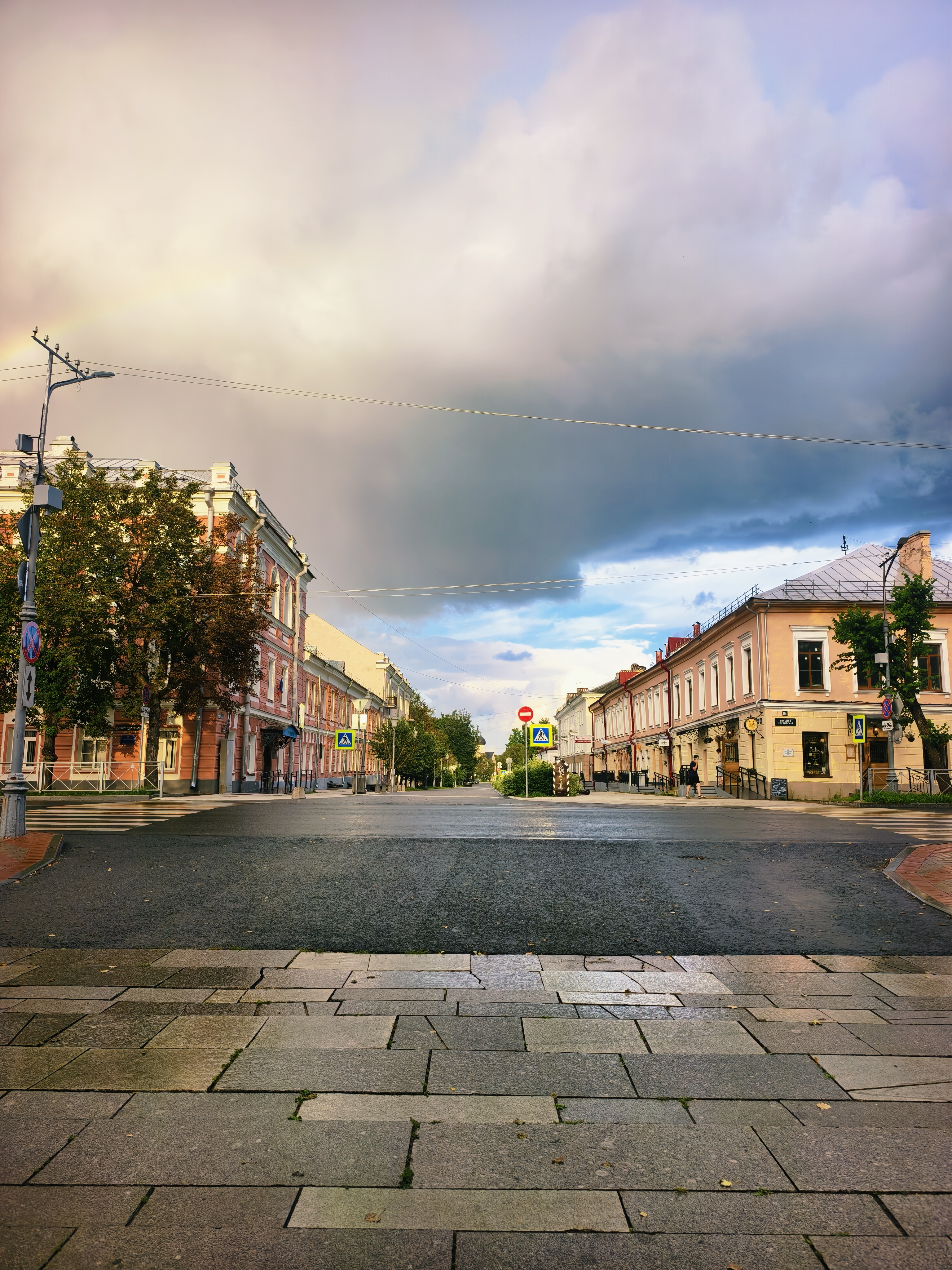
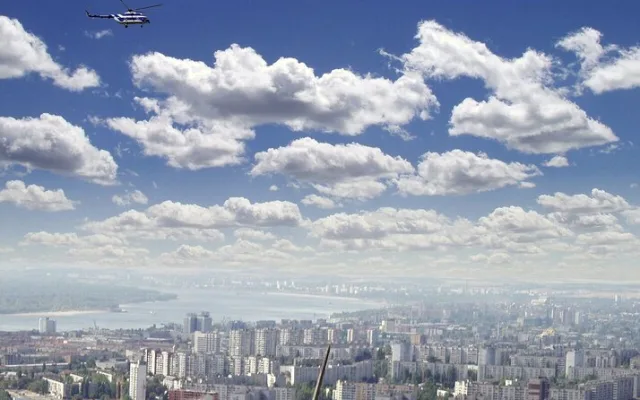
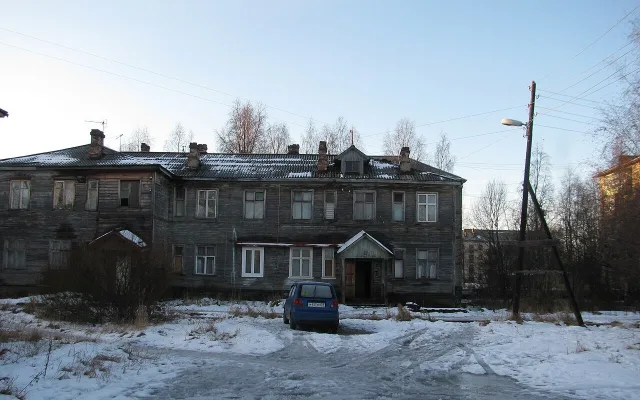
Understand one thing in advance: architecturally the centre is built up with late-Soviet standard housing blocks, and little of the old merchant city survives. People come not for postcard views but for wooden architecture, the Pomor theme (the Pomors are the Russian coastal people of the White Sea) and northern nature.
What is actually worth seeing
- Malye Korely — the main reason to plan the trip. Russia's largest open-air museum of wooden architecture: log houses, barns, windmills and tent-roofed churches moved here from villages and grouped into sectors that imitate villages. The grounds are huge and hilly — wear comfortable shoes and allow 3–4 hours plus travel time. The museum is outside the city, reached by bus from the centre or by taxi.
- The Northern Dvina embankment — the main promenade, running for kilometres. From here you grasp the scale of the river: at this point it is closer to a sea inlet than to a river.
- Chumbarova-Luchinskogo Avenue — a pedestrian street to which the city's wooden houses were moved and restored. A compact substitute for an "old town".
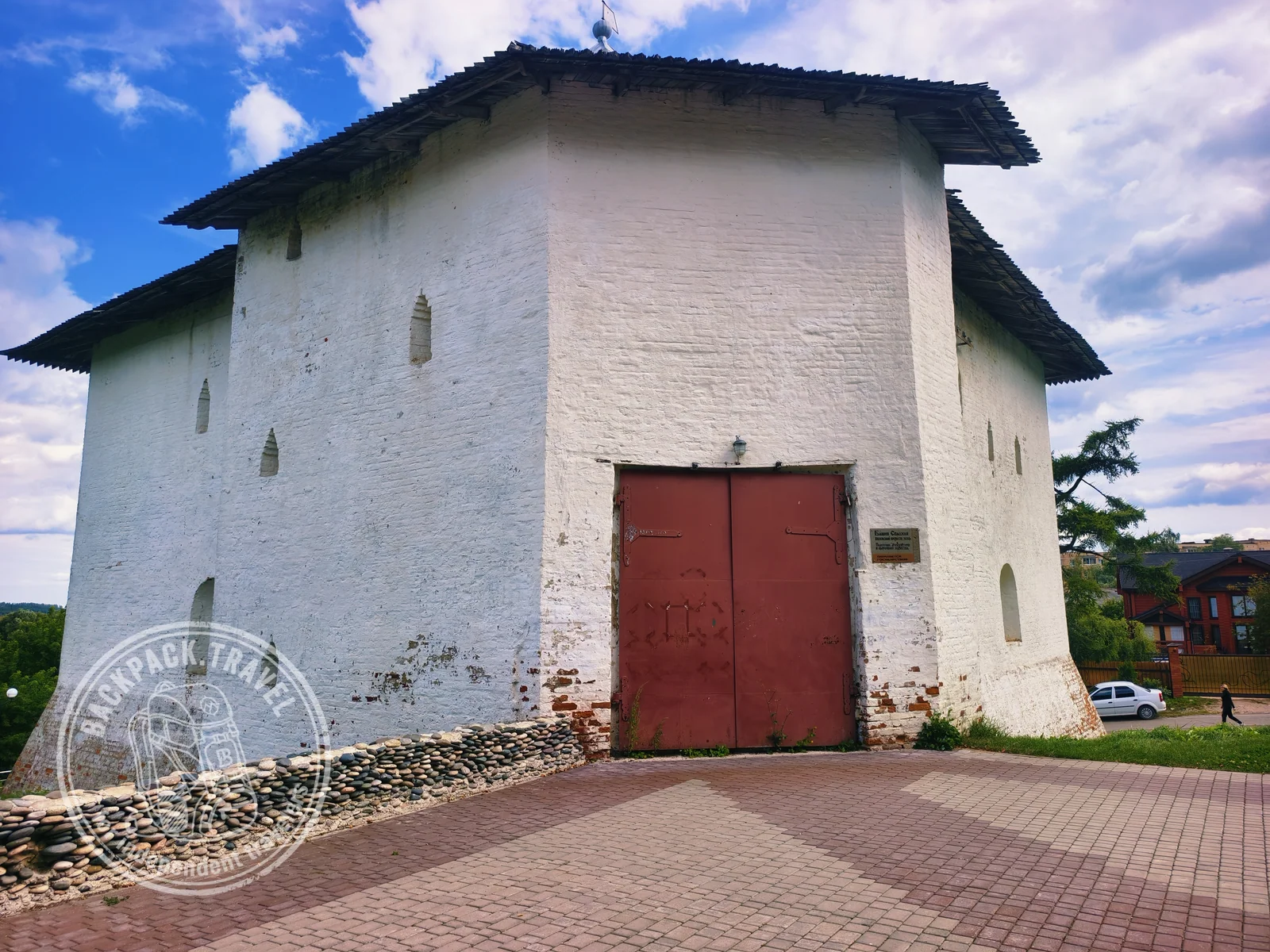
- The Gostiny Dvor — the oldest stone building in the city, the remains of a 17th-century trading complex, now housing museum displays on the history of the North.
- The Northern Maritime Museum — small but to the point: polar expeditions, Pomor seafaring, icebreakers.
- Solombala — the historic shipbuilding district out on the islands, with plainer buildings but the atmosphere of a genuine port suburb.
Outside the city: Severodvinsk (a nuclear shipbuilding centre; visits by foreign nationals are restricted and need a permit, but it is the nearest point to the White Sea), the Novodvinsk Fortress at the mouth of the Dvina, and in summer boats out to the islands in the delta.
Getting there and getting around
Talagi Airport is not far from the city, reached by bus or taxi in around half an hour. There are regular direct flights from Moscow and St Petersburg.
The train from Moscow takes about 24 hours — a workable option if you want to save on a night's accommodation. The railway and bus stations are next to each other, both within walking distance of residential districts but not of the centre itself.
Within the city, buses are the main transport, with dense routes along the main avenues. Taxis are inexpensive by capital-city standards and are often quicker. The centre is stretched out along the river — walking from one end to the other takes a while, but the embankment, Chumbarovka and the Gostiny Dvor are all close together.
An important detail: the city spreads over islands and both banks, with bridges between the districts, and in winter and the shoulder seasons the connection to some island settlements depends on the state of the ice and on boat services. If your accommodation is outside the main part of the city, check the logistics before booking.
Where to stay
- The centre (the embankment area and Troitsky Avenue) is best: everything on foot, and a convenient starting point for the bus to Malye Korely.
- Near the railway station — cheaper, but you will have to travel into the centre every day.
- Solombala — an option for those who want to live in an atmospheric district and do not mind using transport.
Island and outlying districts are best avoided: what you save on accommodation is eaten up in travel time.
When to go
June to early July — white nights, daylight almost round the clock, greenery, the liveliest time. This is also the peak for accommodation prices.
July to August — the warmest period, with boat services running to the Solovetsky Islands and along the Dvina. But northern weather is changeable: a warm jacket and a raincoat are needed even in July.
September — golden autumn, few tourists, but shorter days.
Winter — very dark (there is no polar night here, but the daylight hours are extremely short) and genuinely cold, with wind off the river. Malye Korely is beautiful in winter and stays open, but this is a trip for the well prepared.
April–May — the shoulder season of mud and river ice break-up, the worst time.
Food and money
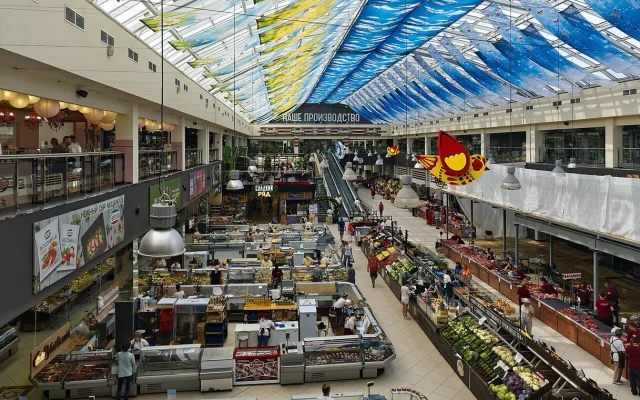
Look for the Pomor theme: fish (cod, halibut, navaga), fish soup, and northern berries — cloudberries, lingonberries, cranberries. A good find is kozuli, the local painted gingerbread, which also makes the best souvenir. Buy fish and bottled berry preserves in shops and at the market — noticeably cheaper than in restaurants.
The city feels inexpensive relative to Moscow and St Petersburg: cafés and transport are appreciably cheaper. Above average in cost are accommodation in high season and any trips out to the islands.
Ways to save: the bus rather than a taxi to Malye Korely, canteens and chain cafés for lunch, and booking accommodation early — the stock of rooms is small and in June everything goes.
Safety and common mistakes
Crime risks are noticeably lower than visitors expect: the city is calm and walking round the centre in the evening is fine. The real threats are practical ones.
- Mosquitoes and biting midges from June to August, especially outside the city and near water. Repellent is essential, and at Malye Korely it is critical.
- Dressing for the wrong weather. The wind off the Dvina makes +15 °C feel considerably colder. Layers and a windproof jacket all year round.
- Banking on the Solovetsky Islands as a day trip from Arkhangelsk. It will not work — that is a separate trip of at least two days, with its own logistics and a weather lottery.
- Coming for an "old town". Adjust your expectations in advance or disappointment is guaranteed.
- Underestimating Malye Korely. Half the visitors leave after an hour without reaching the far sectors — and miss the best of it.
- Slippery wooden walkways and pavements in rain and frost — shoes with a good tread are not a luxury.
In brief
Arkhangelsk repays the visit honestly if you come with the right expectations: not for the architecture of the centre, but for the wooden architecture of Malye Korely, Pomor history and the sense of a great northern river with the sea beginning beyond it. The best window is June and the first half of summer, the minimum is two full days, and repellent is a must.