

Timor-Leste
TLThe youngest state in Asia, independent only since 2002, and genuine terra incognita for travellers. World-class untouched coral reef off Atauro island, wild mountain scenery, Portuguese colonial heritage and coffee grown in the highlands. Timor-Leste is South-East Asia without the crowds, with sincere hospitality and prices that come as a pleasant surprise.
Where to go #
Dili
The capital and main way in, where the thing to do is walk the seafront at sunset. The city has kept its Portuguese feel, mixed up with market noise and modern shopping centres. You will spend your first couple of days here, adjusting to the heat and the local pace.
Baucau
The second city pulls people in with pink colonial buildings and an old market. What to see here are the natural swimming pools and the wild beaches nearby. The mood is far quieter and more provincial than in the noisy capital.
Atauro
This island is a paradise for divers and for anyone chasing complete silence. You cannot do it in a day, so budget at least two nights. The reefs around it are rated among the richest on earth for documented fish species.
Maubisse
A mountain settlement where the sight to see is the old Portuguese pousada up on the hill. It is noticeably cooler than the coast, and coffee plantations run in every direction. It makes a good base if you plan to climb the country's highest peak.
Com
A fishing village in the east, worth a trip for perfect white sand. This is where the tarmac ends and the real back country begins, with turquoise water. A fine place to feel like you are at the edge of the world with nobody around.
What to see #
Cristo Rei statue: The country's calling card, reached by nearly 600 steps. Climb at dawn so you do not burn and so you catch the bay panorama in golden light.
The Atauro reefs: A world-class snorkelling site where visibility often passes 30 metres. Worth the trip for the dolphins and whales that migrate through the Ombai Strait.
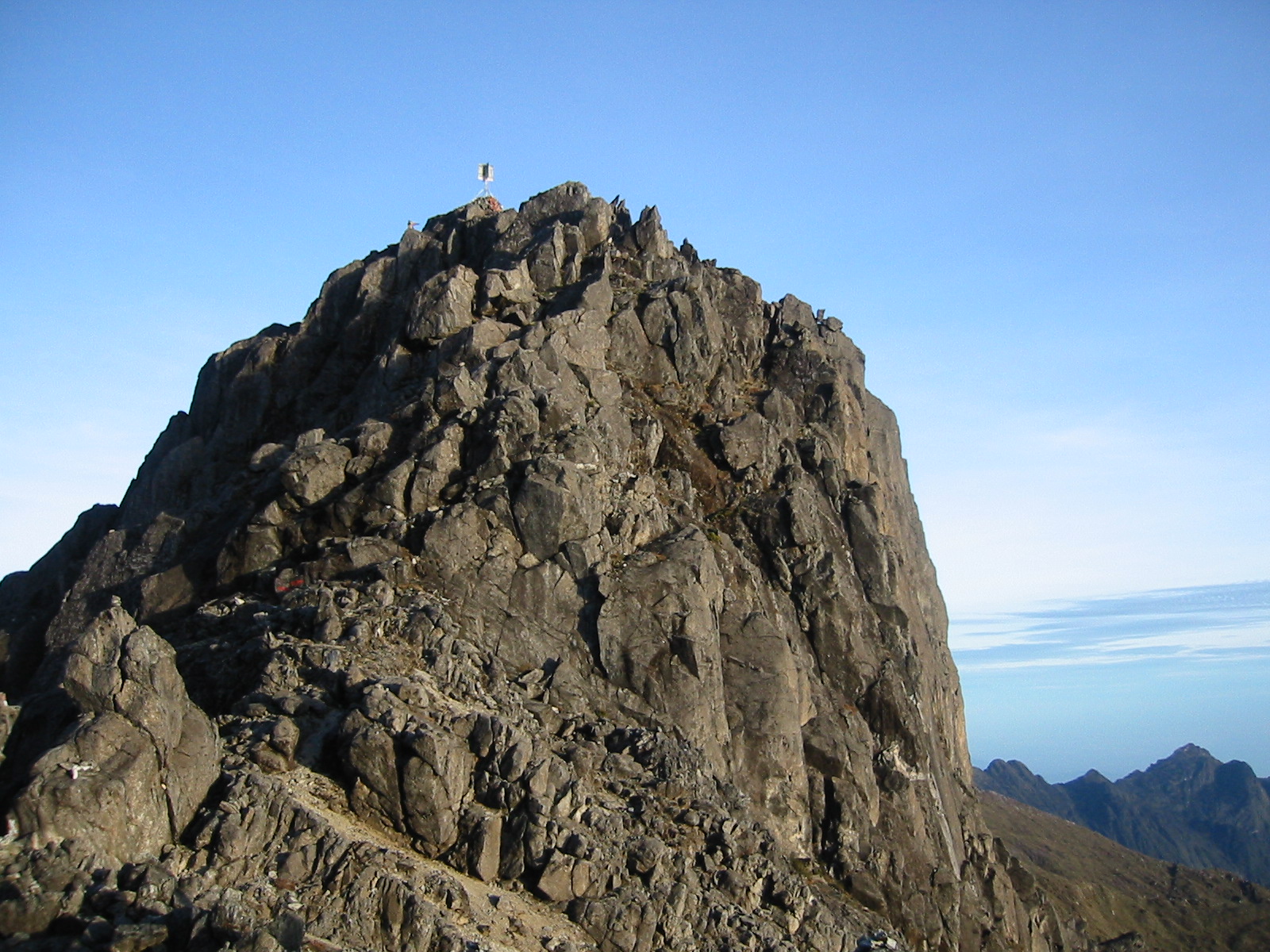
Mount Ramelau: The highest point, traditionally climbed overnight. A statue of the Virgin Mary stands at the summit, and the view over a sea of cloud at sunrise repays every bit of the effort.
Chega Museum: A former prison turned into a memorial to the independence struggle. It is a heavy visit but an essential one for understanding Timorese history and the resilience behind it.
Jaco Island: A sacred, uninhabited spot at the far eastern tip. Local fishermen will run you across by boat, but sleeping on the island is strictly forbidden because the ground is ancient holy land.
The tais market: This is where to hunt for handwoven traditional textiles with patterns you will not find elsewhere. Each cloth carries the story of its region and makes the most authentic souvenir of the trip.
Santa Cruz cemetery: A site of historical memory where events crucial to independence took place. The graves sit at every angle, forming a strange and slightly sombre visual maze.
Prices #
Currency: The country runs on ordinary US dollars, which replaced the local currency outright. Timor mints only its own centavo coins, and those circulate alongside American cents, so there is nothing to exchange when you arrive.
Cash: Forget cards; this is a paper-money country built on small change. Breaking a hundred-dollar note outside Dili is close to impossible, so bring plenty of tens and fives, and arrive with more cash than feels sensible.
ATMs: Machines exist in the capital but frequently reject foreign cards or simply sit empty. Each withdrawal costs around five dollars in local bank fees on top of whatever your own bank charges, so a Wise or Revolut card helps but will not save you.
Tipping: Nobody expects it in local eateries, though the smarter restaurants in Dili may add a service charge. Guides and drivers are usually given a couple of dollars extra for good work.
| Item | Price (USD) |
|---|---|
| Microlet ride | 0.25 |
| 1.5L bottle of water | 1.00 |
| Cup of local coffee | 1.50 |
| Grilled fish with rice | 3.00 |
| Beer from a shop | 2.50 |
| Roadside fresh coconut | 1.00 |
| Lunch in a Dili café | 8.00 |
| Lobster on the beach | 10.00 |
| Souvenir T-shirt | 7.00 |
| Guesthouse bed | 15.00 |
| Boat dive | 45.00 |
| Visa on arrival fee | 30.00 |
| Ferry to Atauro | 4.00 |
| Kilo of mangoes | 2.00 |
Getting around #
Microlets: These painted minibuses are the lifeblood of the city and cost just 25 cents a ride. Wave a hand to flag one down, and to get off, tap a coin against the metal handrail.
Taxis: The blue cars run on a meter, are considered reliable and can be booked by phone. Yellow taxis are private operators, so negotiate hard before getting in or the price will climb.
Between towns: Minibuses cross the country with no timetable, leaving the Becora or Tasi Tolu terminals when they fill up. Expect to be squeezed in, with loud music and endless stops along the way.
Hire: For the mountains take a 4x4, because the tarmac disappears the moment you leave a town. Renting a bike buys you freedom but demands experience on wet gravel, deep potholes and mud.
Ferries: The Nakroma and Success sail to Atauro island several times a week. Tickets are bought at the port on the morning of departure; online booking for these simply does not exist.
Flights: Small aircraft operated by a local carrier serve the Oecusse enclave. It beats the long road and border crossing for speed and comfort, but book well ahead because seats are few.
Where to stay #
The capital: Dili offers everything from plain rooms to expensive hotels with pools. To save money, look around Colmera or Lecidere, where the streets stay busy well into the evening.
Eco-lodges: On Atauro, bamboo bungalows sitting straight on the sand are the popular choice. Air conditioning and abundant fresh water are often missing, but a rich reef starts a couple of metres from your door.
Guesthouses: In the mountains and small towns these are the only option. Conditions are usually spartan: a mosquito net, a fan and a shared shower with bracingly cold water.
Staying with families: Through the ATKOMA association you can stay in a real Timorese village home. It is the best way to see daily life from the inside, though comfort will predictably be minimal.
Booking: The usual websites work in Dili, but in the provinces you are better off messaging owners directly. Many hosts reply slowly, so confirm a booking about a week ahead.
Practicalities: Village electricity may run only in the evenings off a diesel generator. Always carry a power bank and a torch, since street lighting is frequently absent altogether.
What to eat #
Fish: The seafood is as fresh as it gets, grilled over coals with spices right in front of you. Look for the stalls on the Dili waterfront serving ikan sabuko with a fiercely hot house sambal.
On the side: Rice is the foundation, along with katupa, coconut rice steamed in woven leaf pouches. Up in the hills people cook batar daan, a filling mash of corn, beans and pumpkin with herbs.
Coffee: Timor is famous for organic coffee with a soft chocolate note. Drink it in the small cafés where beans are roasted by hand, and take a couple of packs home with you.
Street food: In the markets look for cassava pastries and tapai, fermented rice. It is cheap, filling and safe enough as long as the food is hot and cooked in front of you.
Fruit: Markets overflow with papaya, mango and bananas for almost nothing. In the rainy season fresh durian appears, and its very particular smell fills entire blocks around the stalls.
Drinks: For something unusual, try tuak, the local palm wine. It is low in alcohol and spoils quickly, so it has to be drunk fresh in the villages where it is made.
Safety #
Night in the city: Dili shuts down after nine in the evening and the streets empty out. Solo travellers should not walk in the dark; have your hotel reception call a blue taxi instead.
Wildlife: Crocodiles live in rivers and along parts of the coast, and Timorese consider them sacred. Always ask local people whether it is safe to swim or dive at a particular spot.
Roads: This is the biggest genuine danger, thanks to landslides, potholes and hairpin bends without barriers. Never plan a drive between towns after sunset; it is a serious way to get killed.
Health: Mosquitoes carry dengue and malaria, particularly in the wet season. Use repellent with a high DEET content and always sleep under a net.
Water: Tap water is not drinkable even in expensive hotels, so stick to bottled. Ice in street drinks can be equally dubious, so treat it with caution when it is hot.
Theft: Petty stealing happens in market crowds and on packed microlets. Keep valuables in front of you and never leave a bag unattended on an empty beach.
Etiquette and culture #
Religion: This is a deeply Catholic country where Sunday mass is the week's main event. Dress modestly in churches, covering shoulders and knees, so as not to give offence.
Spirits: Christianity here is tightly interwoven with older animism. Villages still build uma lulik, sacred houses on stilts where relics belonging to many generations of ancestors are kept.
Malae: This is what any foreigner gets called, and it is not an insult but a plain statement of fact. Children will often run after you shouting it, and a friendly wave back is all that is needed.
Weaving: The art of making tais cloth passes from mother to daughter across centuries. Someone who knows can read the pattern and tell you exactly which community the weaver came from.
Greetings: Timorese are very polite and value a smile and a nod in return. Open any conversation with a short greeting and the tension drops immediately.
Betel: Many people chew betel nut, which stains teeth red and leaves distinctive marks on the pavement. If you are offered some, a polite refusal causes no offence at all.
Connectivity #
Languages: Tetum and Portuguese are official, but in practice everyone speaks a mixture of local tongues. English is understood only in hotels and dive centres in the central parts of the capital.
Tetum: It is a straightforward language with easy grammar that you pick up quickly by ear. Knowing a couple of dozen Tetum words turns you from an ordinary tourist into a welcome guest.
SIM cards: Buy a Timor Telecom or Telemor card at the airport or in town. A week's data package costs around six or seven dollars, and coverage is good only in the larger populated areas.
Internet: The signal disappears entirely in the mountains and on remote beaches. Do not count on stable Wi-Fi in guesthouses; keep a decent data allowance on the local SIM instead.
eSIM: If your phone supports it, an Airalo-style data plan can be loaded before you land and saves hunting for a shop on arrival, though it costs more than a local package.
Apps: Download offline maps without fail, because many roads are not marked in the popular services. For translation, pick software that works with no mobile signal at all.
Messaging: The whole country lives on WhatsApp, and it is the main tool for booking rooms and reaching drivers. Save the number of every useful person you meet along the way.
Phrasebook #
| English | Tetum | Pronunciation |
|---|---|---|
| Hello / Good morning | Bondia | bon-DEE-a |
| Good afternoon | Botardi | bo-TAR-dee |
| Good evening | Bonoiti | bo-NOY-tee |
| Thank you | Obrigadu | o-bree-GA-doo |
| How are you? | Di'ak ka lae? | dee-AK ka LA-eh |
| Good (reply) | Di'ak | dee-AK |
| Yes / No | Sin / Lae | seen / LA-eh |
| How much is it? | Folin hira? | FO-leen HEE-ra |
| Expensive | Karu | KA-roo |
| Cheap | Baratu | ba-RA-too |
| Where is the toilet? | Sintu iha ne'ebé? | SEEN-too EE-ha neh-BEH |
| Water | Bee | beh |
| Food | Han | han |
| Help | Tulun | TOO-loon |
| Foreigner | Malae | ma-LA-eh |
| Awesome! (slang) | Kapás | ka-PASH |
| Friend | Belun | BEH-loon |
| Stop here | Para iha ne'e | pa-RA EE-ha NEH-eh |
| I don't understand | Ha'u la komprende | HA-oo la kom-PREN-deh |
| Wait a moment | Hein lai | hayn LAI |
Good to know #
Consular cover: Very few countries keep a mission in Dili, and most travellers are covered by an embassy in Jakarta or a consulate in Darwin. Check where yours sits before you fly and keep digital scans of every document in cloud storage.
The airport: Dili's terminal is tiny but works fine, and it sits almost inside the city. A taxi to the centre should not cost more than ten dollars, and you should still negotiate with the driver.
Power: Sockets take both European and Australian plug types, so buy a universal adapter before you go. Voltage swings a lot, so protect anything sensitive you are carrying.
Free Wi-Fi: There is a free but very slow connection in the port building at Largo de Lecidere. It is usually swamped by local users, so do not build any plans around it.
Health: Local medicine is weak, and a serious injury generally means a flight to Darwin in Australia. Travel insurance that covers being flown out of the country is the one policy detail worth checking twice.
Time: The country runs on UTC+9, the same clock as Tokyo and Seoul. The sun rises and sets early, so plan your walking and driving for the first half of the day.