Description
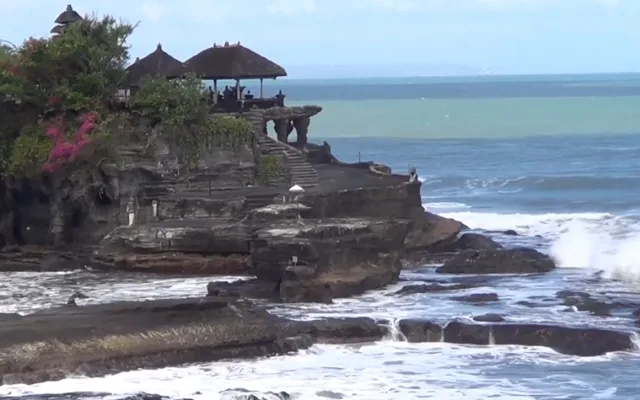
Bali is an island in Indonesia known for the rice terraces of Ubud, the beaches of Seminyak, the Uluwatu temple and its surfing.
Wiki
Bali is the best-known island in Indonesia, called the Island of the Gods for its thousands of temples and the living Hindu culture it has kept in a country that is overwhelmingly Muslim. In a compact space it holds emerald rice terraces, active volcanoes, jungle waterfalls, long ocean beaches with world-class surf breaks, and spiritual centres offering yoga and ceremony — a combination that draws millions of travellers every year.
Bali in brief
Bali is an island in the Malay Archipelago; its administrative centre is the city of Denpasar. More than four million people live here, most of them following Balinese Hinduism, a distinctive local form of the religion that absorbed elements of animism and ancestor worship. Faith shapes the look of the island: every house has a family temple, the streets each morning are dressed with woven canang offerings of flowers and rice, and the calendar is full of colourful ceremonies and festivals such as Nyepi, the Day of Silence, and Galungan.
Where Bali is
The island lies east of Java, separated by the narrow Bali Strait, and west of Lombok. Bali is relatively small — about 5,700 km² — and can be crossed by car in a few hours, though mountainous terrain and traffic stretch the journey considerably. The north and centre are taken up by volcanic ridges, the south by lowlands and tourist resorts, while the east and west keep a quieter, agricultural character.
Climate and weather
The climate is equatorial and warm all year: daytime temperatures hold at 28-32°C and the ocean never drops below 27°C. There are two clear seasons. The dry season runs roughly from May to September — sunshine, lower humidity and reliably clear water. The wet season falls between October and March: tropical downpours are usually short and come in the afternoon, but the humidity is high. Upland areas such as Ubud, Bedugul and Kintamani are noticeably cooler and greener than the coast.
When to go
The best time is the dry season, especially May to June and September, when there are fewer visitors and less rain. July and August are peak season, with the highest prices and the fullest hotels. The wet season suits anyone after cheaper accommodation and the greenest rice fields; surfers, meanwhile, pick their spot by month, since different coasts work at different times — the west coast is better in the dry season, the east in the wet.
Getting to Bali
The island's air gateway is Ngurah Rai International Airport (Denpasar), between Kuta and Jimbaran. There are direct flights from across Asia and Australia; from Europe, most routes connect through hubs in the Middle East (Doha, Dubai, Abu Dhabi), South-East Asia (Kuala Lumpur, Singapore, Bangkok) or China, and the whole journey usually takes the best part of a day including the connection. Many nationalities can enter visa-free or buy a visa on arrival — check the current rules and permitted length of stay before you travel.
Getting around
Public transport on the island is poor, so people move mainly by:
- Scooter — the most popular and cheapest option, but it takes experience, an international driving permit and real care in dense, chaotic traffic.
- Car with a driver — convenient for longer trips and for seeing several places in a day; usually hired for the whole day.
- Ride-hailing apps (Grab, Gojek) — taxis and motorbike taxis at a fixed price, though in some tourist areas local taxi associations restrict where they can operate.
Distances look short, but narrow roads and traffic mean the run from Kuta to Ubud easily takes an hour and a half to two hours — worth allowing for when planning.
Where to stay
Types of accommodation
The choice is enormous, from cheap hostels and guest houses to villas with private pools and luxury resorts. A popular format is the villa with a pool, available from around 900,000 IDR (about $50) a night, along with boutique hotels set in rice fields and family homestays where the hosts live next door. Many travellers combine areas: a few days in the cultural centre and a few on the coast.
Popular areas
- Ubud — the cultural heart of the island among jungle and rice fields: galleries, craft villages, yoga retreats and spas.
- Seminyak and Canggu — fashionable beach clubs, restaurants, coffee shops and a digital-nomad community; Canggu is younger and more relaxed.
- Kuta and Legian — cheap accommodation, beginner surfing, noisy nightlife and crowded beaches.
- Nusa Dua and Jimbaran — calm resort areas with five-star hotels, groomed beaches and lagoons.
- Uluwatu (the Bukit peninsula) — cliffs, secluded coves and breaks for experienced surfers.
What to see
Nature
Waterfalls
The jungle of the central and northern island is rich in waterfalls, usually reached by steps and trails through tropical forest. Among the best known are the powerful Sekumpul in the north, widely held to be the most beautiful, the scenic Tegenungan near Ubud, and Gitgit, Aling-Aling and Tukad Cepung, where sunbeams cut down into a narrow gorge. Swimming in the natural pools at the foot is a popular pastime, but respect the strength of the current after rain.
Volcanoes
Bali is a volcanic island and its mountains hold a sacred role. Active Batur (about 1,717 m) in the Kintamani area is a popular pre-dawn climb, to meet the sun over the caldera and the lake of the same name. The highest peak is the sacred volcano Agung (about 3,000 m), with the island's principal temple at its foot. Batukaru rises in the west of the island. Climbs are made with a guide; volcanic soils, incidentally, are what make the Balinese rice fields so fertile.
Rice terraces
Stepped rice fields are Bali's calling card and part of the traditional subak irrigation system, inscribed on the UNESCO World Heritage list. The most photogenic are the Tegallalang terraces near Ubud, with their curving tiers and viewpoints (entry to the best spots is nominal, a few dollars), and the extensive Jatiluwih terraces in the west, less crowded and also UNESCO-listed. Early morning is the best time to walk them.
Beaches
The best surf beaches
Bali is one of the world's great surfing destinations, with reliable swell all year:
- Kuta and Legian — a gentle sandy bottom, ideal for beginners and first lessons.
- Canggu (Echo Beach, Batu Bolong) — intermediate waves and a lively beach scene.
- Uluwatu and Padang Padang — powerful reef barrels for experienced surfers.
- Bingin and Dreamland on the Bukit peninsula — striking coves beneath the cliffs.
Beaches for swimming and sunsets
For calm swimming and sunset watching, people choose Jimbaran, with its fish restaurants on the sand, elegant Nusa Dua, and the white-sand beaches of neighbouring Nusa Penida with its famous Kelingking and Broken Beach viewpoints. Sunset on the west coast is an occasion in itself, and visitors gather by the sea for it in the evening.
Culture and history
The temples
Temples (pura) are the soul of the island, and you should see at least a few. Tanah Lot stands on a rock in the sea and is at its finest at sunset — one of the best photo spots in Bali. Uluwatu temple sits on a 70-metre cliff above the ocean, with the kecak fire dance performed here in the evenings. Pura Ulun Danu Beratan appears to float on the surface of mountain Lake Beratan. Majestic Besakih on the slope of Agung is considered the mother of all temples, and Tirta Empul is famous for its holy springs, where a purification ritual is performed. Covered clothing and a sarong are required at temples.
The Monkey Forest
The Sacred Monkey Forest in Ubud is a protected grove of ancient mossy temples, giant banyan trees and the long-tailed macaques that live among them. It is a natural and a spiritual site at once, in the middle of town; keep an eye on the animals and do not leave food or small belongings in view.
Water palaces and cultural sites
In the east of the island stand the exquisite water palaces of the former rajas — Tirta Gangga, with fountains, carp ponds and stepping stones across the water, and Taman Ujung, with mirror pools against the backdrop of Mount Agung. In Ubud, the Royal Palace (Puri Saren), the Goa Gajah temple complex (the "Elephant Cave") and the many carving, painting and silver workshops in the surrounding villages are all worth time.
Trips from Bali
Fast ferries run from the east coast to the Nusa islands (Penida, Lembongan, Ceningan) and to the Gili Islands off Lombok, where there are no cars and the water is known for turtles and coral gardens. These sea trips combine well with snorkelling and diving.
Practical advice and a seven-day route
A week is enough to cover the island's main facets. A rough plan: three or four days in Ubud (rice terraces, the Monkey Forest, waterfalls, temples and the climb up Batur), then across to the coast — Canggu or Seminyak for beaches, surfing and sunset at Tanah Lot; a separate day on the Bukit peninsula for Uluwatu and its coves; and a boat trip to Nusa Penida or the Gilis. Eating is inexpensive: lunch at a local warung costs from about 35,000 IDR ($2) and coffee much the same. Prices are as of 2026. It is worth carrying cash, a sarong for temples, sun protection, and respect for local customs and offerings — they are part of everyday Balinese life.