Description
Foz do Iguaçu is a Brazilian city next to Iguazu Falls, offering sweeping panoramic views of the cascades and home to a renowned bird park.
Wiki
Foz do Iguaçu is a city in south-western Brazil, in the state of Paraná, at the confluence of the Iguazu and Paraná rivers where the borders of three countries meet. It is best known as the Brazilian gateway to one of the world's greatest waterfalls and serves as a convenient base for exploring the natural and engineering wonders of the region.
Overview and geography
The city sits at what is known as the Triple Frontier (Tríplice Fronteira): across the Paraná river lies the Paraguayan city of Ciudad del Este, while the Iguazu river marks the border with the Argentine town of Puerto Iguazú. This position has made Foz do Iguaçu genuinely multinational — Brazilian, Paraguayan, Argentine, Arab and Asian cultures all mix here, visible in the streetscape, places of worship and food. The climate is humid subtropical: summers are hot and rainy, winters mild. The surrounding landscape is covered by remnants of the Atlantic rainforest.
Iguazu Falls
The main reason to come is Iguazu Falls, part of Iguazu National Park, a UNESCO World Heritage Site. The complex comprises hundreds of individual cascades stretched along an arc several kilometres wide. The Brazilian side is prized for its sweeping panorama: the trails and viewpoints running along the clifftop look out over dozens of curtains of water at once, culminating in the Garganta do Diabo (Devil's Throat), where the bulk of the river plunges with a roar. A walkway leads right into the cloud of mist — a light rain poncho is worth having.
The Argentine side, reachable as a day trip from the city, offers the opposite experience: a network of upper and lower trails that bring you right up to individual falls. Many travellers make a point of seeing both sides — the Brazilian for scale and the full picture, the Argentine for closeness to the water.
Bird Park
Just outside the entrance to the national park is the Parque das Aves, a private ornithological park dedicated to tropical birds. Walkways wind through lush greenery inside large aviaries that visitors enter directly, offering close-up encounters with toucans, vivid macaws and other parrots, flamingos, birds of prey, reptiles and butterflies. The park is involved in conservation of Atlantic Forest species and rehabilitation of rescued animals, giving the visit an educational dimension. It is one of the few places where both children and adults are equally captivated by the proximity to exotic wildlife.
Itaipu and other sights
To the north of the city, on the Paraná river, stands the Itaipu hydroelectric dam — one of the world's largest power stations by energy output, built jointly by Brazil and Paraguay. Overview and technical tours of the dam are available, and in the evenings the structure is illuminated. Other points of interest include a Buddhist temple on a hilltop with views over the border area, the Omar Ibn Al-Khattab Mosque, which reflects the city's sizeable Arab community, and the Marco das Três Fronteiras (Triple Frontier obelisk), from which all three countries and the meeting point of the two rivers are visible simultaneously.
Food and drink
The cuisine reflects the city's border position. Classic Brazilian churrasco — spit-roasted meat served rodízio-style — is everywhere, alongside freshwater fish dishes such as surubim. Paraguayan influence shows up in corn flatbreads and chipa; Argentine influence in a culture of beef and wine. A large Middle Eastern diaspora has brought kibbeh, sfeeha and other Levantine pastries. Chilled tereré (cold-brewed mate) is consumed all over the city as the local antidote to the heat.
Practical information
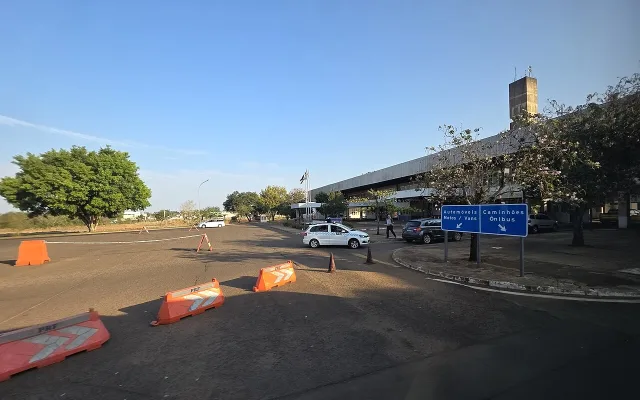
The international airport connects Foz do Iguaçu with major Brazilian cities; city buses run to the national park entrance and organised transfers are also available. For trips to the Argentine side or into Paraguay, check the current visa and border requirements for your passport and carry your documents. Two days is enough to cover the highlights:
- Day 1 — Brazilian side of the falls, with the panoramic trails and Devil's Throat, followed by the neighbouring Bird Park.
- Day 2 — Argentine side with the up-close cascade trails, or a visit to the Itaipu dam and the Triple Frontier obelisk.
The best time to visit requires some thought about the rainy season: river levels and the height of the falls change throughout the year, so the spectacle looks markedly different from one month to the next. Comfortable shoes, sun protection and a rain poncho are the basic kit for a comfortable visit to the area.