Description
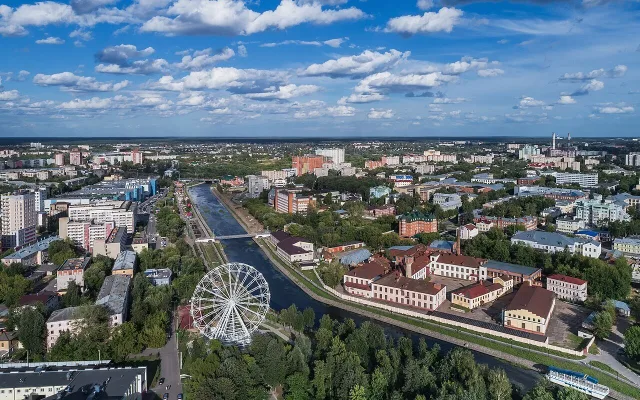
The "city of brides" and the textile capital of Russia, with a remarkable heritage of 1920s constructivist architecture. One of the few cities in the country to have preserved buildings of the Soviet avant-garde.
Wiki
Ivanovo is a rare case where the main reason to come lies not in antiquity but in the concrete and glass of the 1920s and 1930s: experimental "ship houses" and "horseshoe houses" were built here when the city was being made into the country's model "third proletarian centre". It is also a convenient base for trips to Plyos, Suzdal and Kostroma — only a few hours from Moscow by train.
How many days to allow
At a brisk pace the city itself can be covered in one full day, or a day and a half taken calmly. If Ivanovo is your base for the Golden Ring — the classic tourist route around the medieval towns north-east of Moscow — take 2–3 nights: a day for the constructivism and the museums, a day for Plyos, a day for Suzdal or Kostroma. There is no point coming here for a week for the city alone; the impressions start to repeat.
Getting there and getting around
The most practical option from Moscow is the train from Yaroslavsky station: there are fast daytime services, the journey takes a few hours, and the station is not far from the centre. Buses run more often but take longer and are more tiring. The airport is small with few flights — flying only makes sense if you are not coming from Moscow.
Within the city:
- On foot. The core around Lenin Avenue and the Uvod River is compact, and the key buildings stand along a few streets.
- Buses and shared minibuses are the main transport, covering the whole city; card payment usually works.
- Taxis are cheap by capital standards, and a ride across the centre costs very little. Order through an app.
- Car hire is only needed for trips around the region; in the city itself it is an extra headache over parking.
One caveat: the interesting buildings are scattered rather than gathered into one quarter. Mark the points on a map in advance and build a route as a single thread, or you will be going back and forth.
What to see: constructivism
This is the main thing and the reason to come. The key buildings:
- The Ship House — a building with a rounded "bow" and a glazed "stern", the most recognisable symbol of the Ivanovo avant-garde.
- The Horseshoe House — a residential block of distinctive curved form, built for employees of the OGPU, the Soviet state security service of the period.
- The Bird House (the "Bird School") — a building whose plan resembles a bird with outspread wings.
- The Collective House — experimental housing with communal areas, an embodiment of the idea of the "new way of life".
- The bank, the main post office, the factory-kitchen buildings (mass catering halls built to free workers from cooking at home) and the workers' settlements — the background that makes the picture whole.
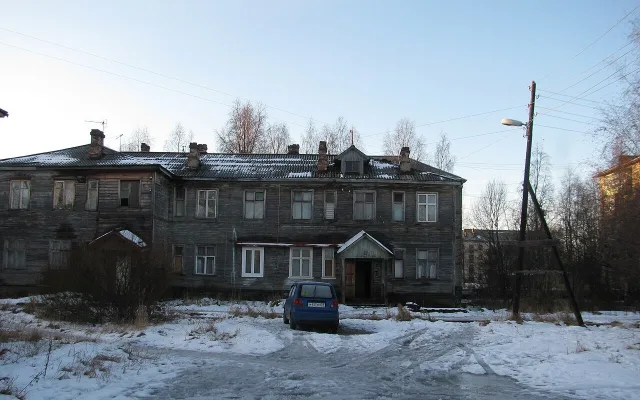
To be honest: many of them are ordinary residential buildings still in use, peeling in places, with no floodlighting and no plaques. For the most part you cannot get inside. If you expect museum polish you will be disappointed. If architecture as such interests you, this is a rare chance to see the avant-garde in the flesh and in quantity, rather than one building per city.
The rest of the city
- The Museum of Ivanovo Chintz — a case where a local subject is treated well: printed cotton textiles, block printing, the history of the mills, and a hall devoted to the fashion designer Slava Zaitsev, a native of the city.
- The Museum of Local History, with a strong collection — it gives the context for why the city turned out as it did.
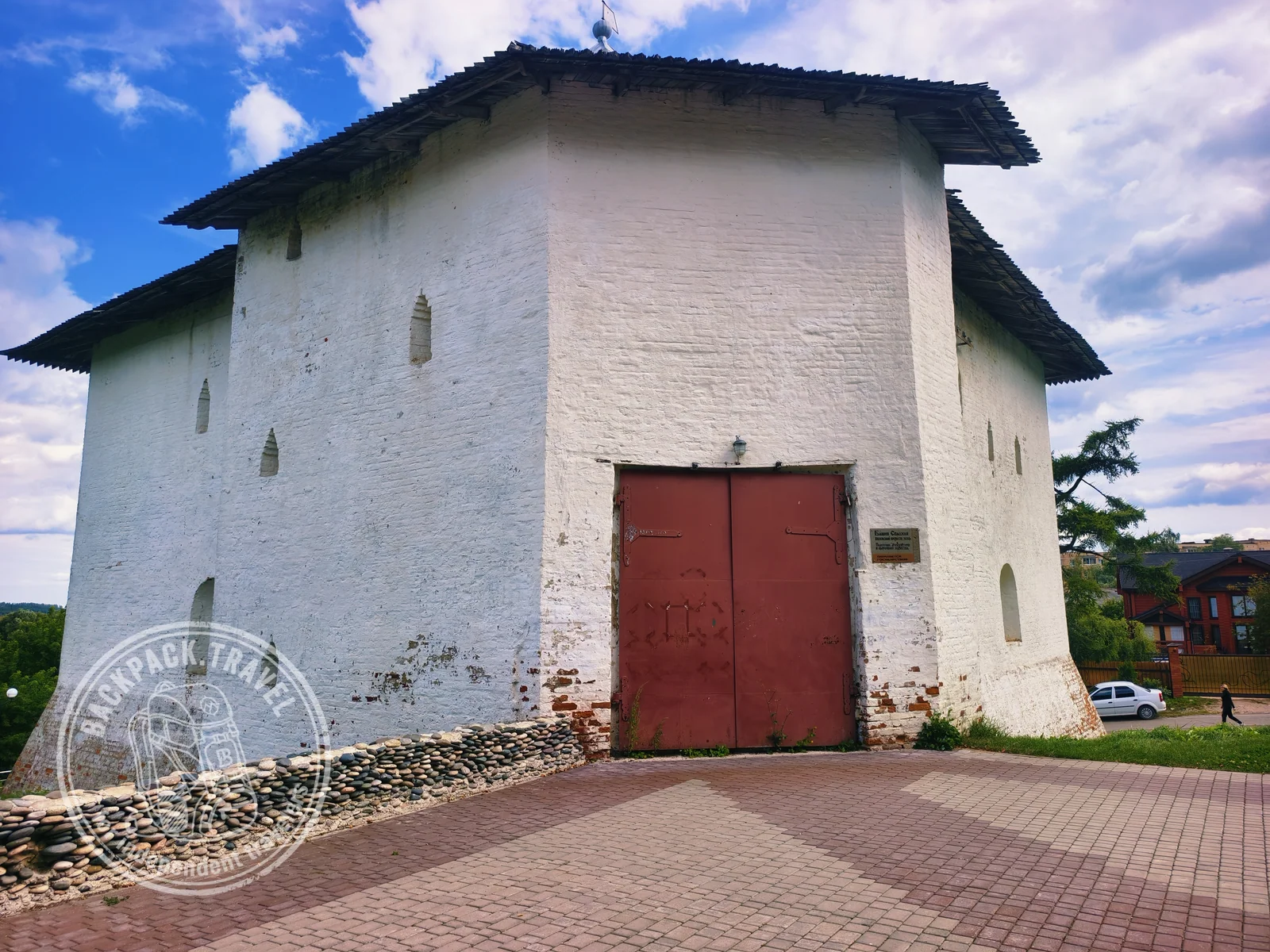
- The Shchudrovskaya Palatka — the oldest building in the city, tiny and almost lost among the later development.
- The Presentation Monastery and several churches — to dilute the concrete.
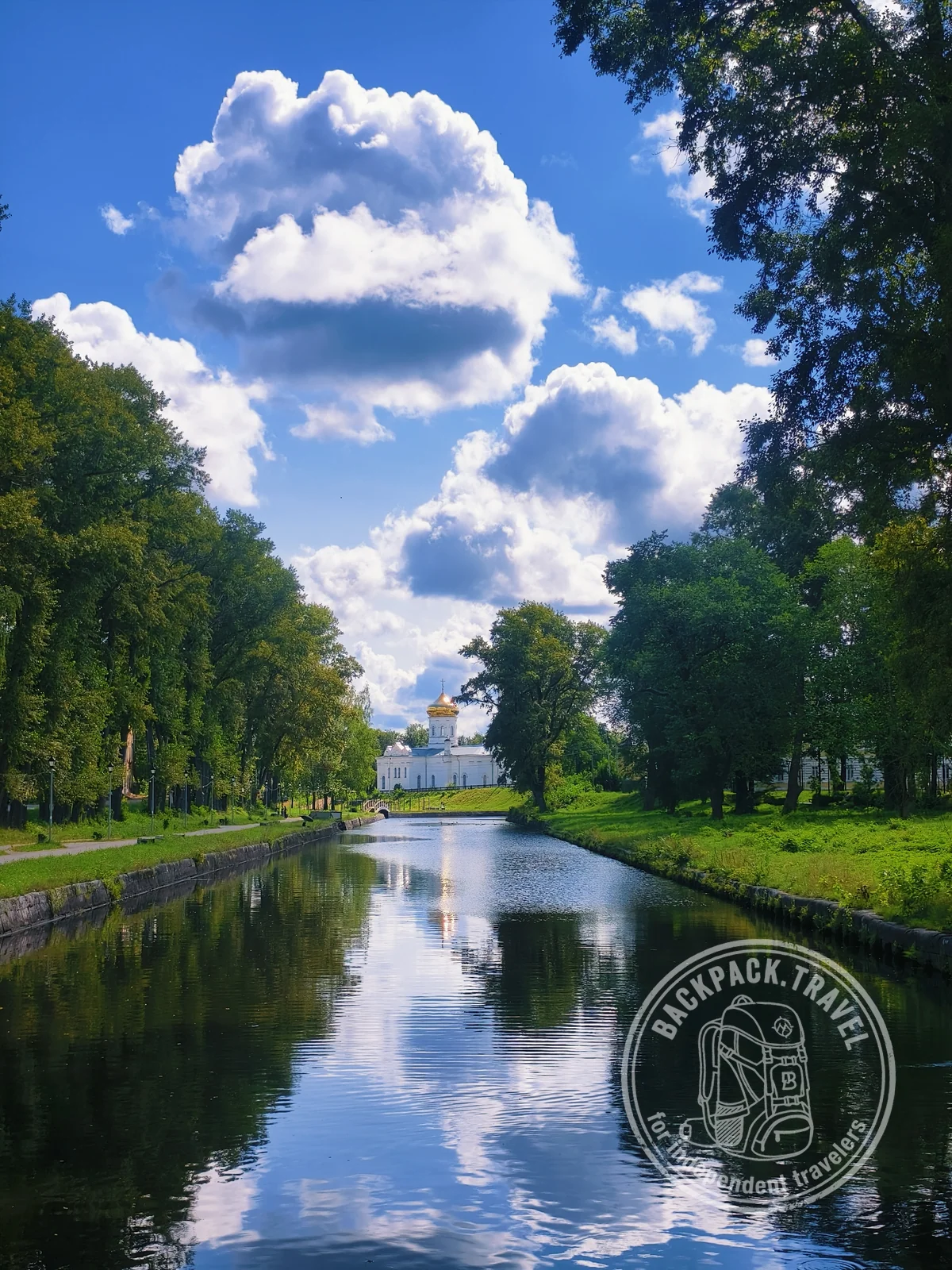
- The Uvod embankment and the parks — fine for an evening walk, no more.
The nickname "city of brides" arose from the demographic imbalance of the textile industry. Today it is more a souvenir brand than a reality — do not build expectations on it.
Where to stay
Stick to the centre: the area of Lenin Avenue, Pushkin Square and around the railway station. Most of the points are walkable from there, and the cafés and shops are there too. The hotel choice is modest — a few mid-range chain hotels, Soviet-era hotels of varying quality, and short-let flats. A flat often beats a hotel of the same price on both cost and condition. Outlying districts such as Sortirovka or the Melanzhevy Kombinat area are cheaper but add 30–40 minutes of travel to every outing.
Booking ahead is only worth it in high season and over public holidays; usually there are rooms.
When to go
- May–September — optimal: long daylight, and you can combine the trip with Plyos and Volga excursions.
- Golden autumn — a good option for photography, with fewer tourists.
- Winter — constructivism in the snow looks expressive, but the short day cuts into the route; allow more travel time and fewer walking legs.
- The shoulder seasons (November, March–April) are the least rewarding: grey and slushy, and the city does not flatter itself at that time.
Money and food
Ivanovo feels noticeably cheaper than Moscow and St Petersburg on almost every count: accommodation, taxis, lunches. The workable options are canteens and cafés with set-price business lunches in the centre, which give the best ratio of price to quantity: a business lunch runs 400-700 roubles (about $5-9), dinner in a café 900-1,500 roubles ($11-18), and a taxi across the centre 200-350 roubles ($2.50-4). Prices are as of 2026. There is no distinct "Ivanovo cuisine" and you should not expect gastronomic discoveries — think ordinary Russian and Caucasian food.
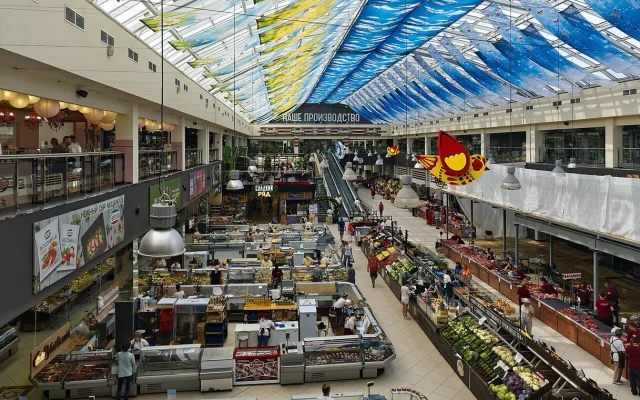
The real saving here is something else: textiles. The city remains a major centre for the manufacture and wholesale of bed linen, towels and dressing gowns. Markets and factory outlet shops offer prices well below those in the capital. If you plan to shop, leave room in your bag and bring cash — it is simpler that way at the markets.
Mistakes and things to note
- Coming without a prepared list of addresses. The constructivist buildings are not labelled or highlighted — without a map you will simply not notice them among the ordinary buildings.
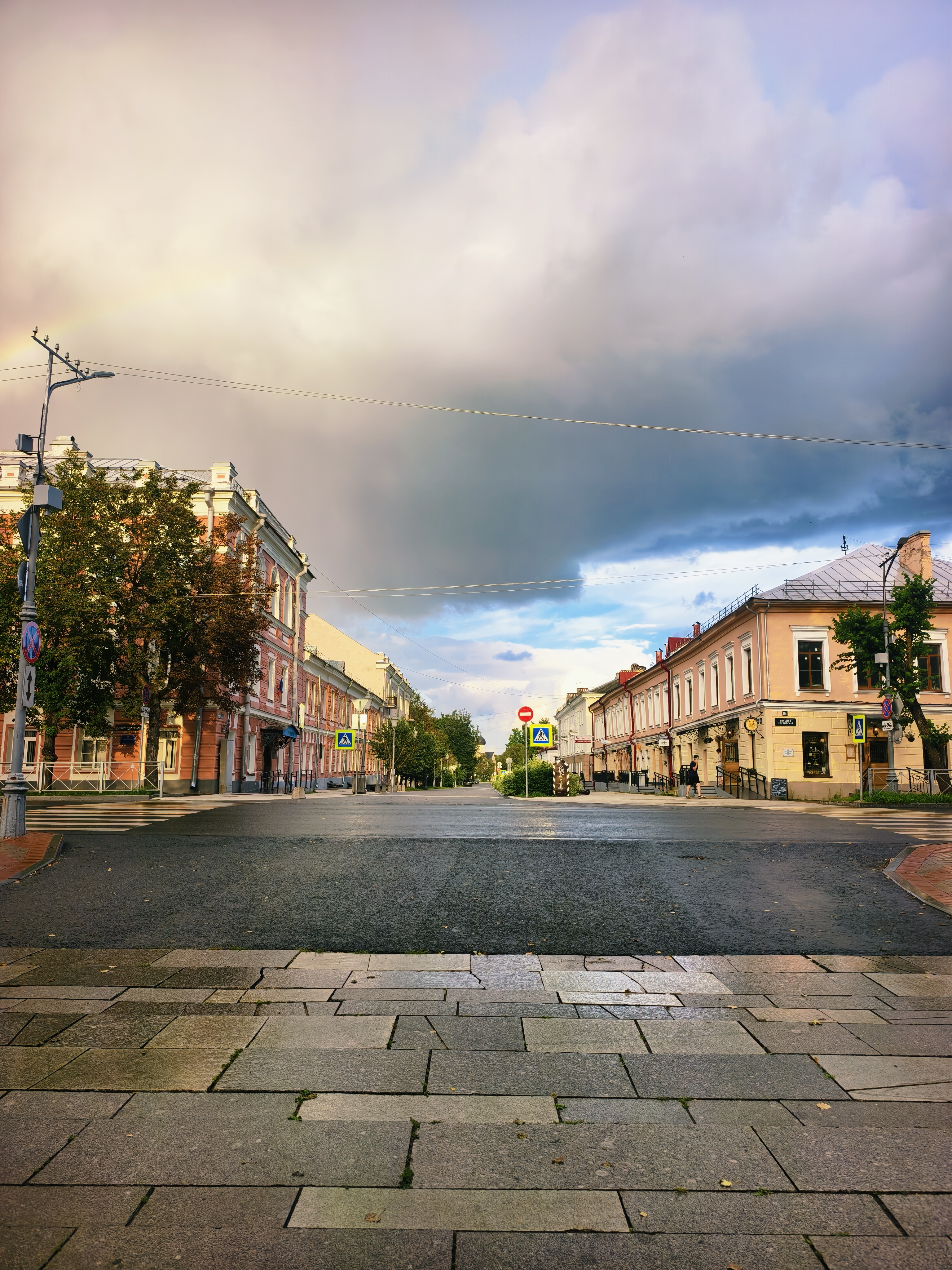
- Expecting a handsome historic centre. There is none: the city grew out of factory villages, and the fabric is mixed and neglected in places.
- Ignoring the region. Plyos is an hour and a half away and is one of the most scenic little towns on the Volga; many people rate it above Ivanovo itself.
- Planning everything for a Monday. Museums take the usual Russian day off at the start of the week; check schedules in advance.
- Safety is standard for a Russian regional capital: the centre is calm, and in the evening it is better not to wander the far outskirts without reason. There are no particular "bad" areas for tourists.
In sum: Ivanovo is a city for those with a specific interest (avant-garde architecture, textiles) or those who need a cheap base near Plyos and Suzdal. Coming "just to see a pretty old town" is not what this is.