Description
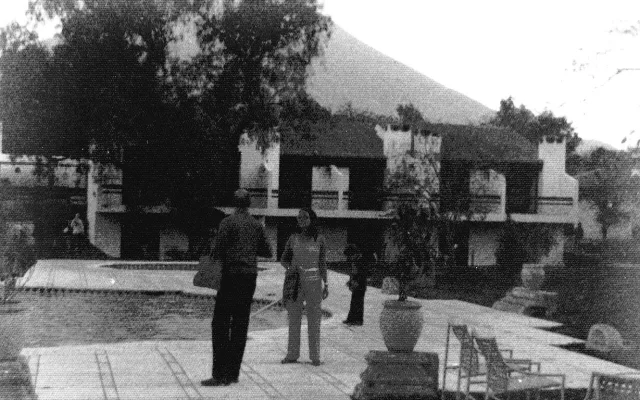
Panajachel is a town on the shore of Lake Atitlan and the jumping-off point for the Maya villages and the volcanoes around it.
Wiki
Panajachel is the gateway to Lake Atitlan, one of the most beautiful mountain lakes in the world, ringed by three volcanoes. The town itself is small and touristy: people come to recover from the journey, stock up at the market and set off by boat to the Maya villages scattered along the shore.
Is it worth coming, and for how long
Panajachel — Pana to everyone local — is a base, not a destination in itself. The value is the lake and the villages around it: San Pedro la Laguna (cheap, sociable, language schools), San Marcos (yoga, alternative living, quiet), Santa Cruz (secluded, reachable only from the water), Santiago Atitlan (the most authentic Maya culture). There is little to do in Pana itself beyond a walk along the waterfront and some shopping.
Two days are enough to get the feel of the place: one for the town and the views, one for a boat trip to a village or two. If you want to go deeper — trek, settle in a quiet village, study Spanish — allow four to seven days and move from Pana to San Pedro or San Marcos.
Getting there
Most people come from Antigua or Guatemala City. The standard option is a shuttle minibus run by tourist agencies: book it at any hostel and it takes you door to door in a few hours. Dearer, but simpler than working out the connections.
The budget alternative is the chicken bus, a converted American school bus. Cheap and full of character, but with a change (usually at Los Encuentros) and no guarantees on timing. With a big rucksack and no Spanish, the shuttle is easier the first time.
The road into Pana is a series of hairpins with a steep drop to the lake; if you are prone to motion sickness, keep something to hand.
Getting around the town and the lake
- On foot. Pana is compact. The main axis is Calle Santander, and it is a ten to fifteen minute walk from there down to the jetty.
- Tuk-tuks. Motor rickshaws run people around town for very little; useful with luggage or uphill.
- Boats (lanchas). The key transport of the region. Public boats leave the main jetty and call at the villages in turn. You buy the ticket on the spot and they depart when full. Agree the fare before boarding: visitors are often quoted more, so take your cue from what locals pay. The last boats leave towards evening — do not get stuck in a distant village after dark.
Where to stay
- Calle Santander and around — the tourist epicentre: hostels, cafés, exchange offices, shops. Everything to hand, but noisy.
- Nearer the waterfront (Calle del Lago) — views of the lake and the volcanoes, and a little calmer.
- If quiet and nature are the point, consider staying not in Pana but in San Marcos or Santa Cruz.
Accommodation in Pana is mostly budget — hostels and simple guest houses. Book ahead in high season and around local festivals.
When to go
The dry season, roughly November to April, is the most dependable time: clear views of the volcanoes and less rain. In the wet season (May to October) the downpours usually arrive in the afternoon and the mornings stay clear — plan boat trips for the first half of the day. The lake sits high in the mountains, so the evenings are cool all year; bring something warm even if the day is hot.
Food and money
Eating is simple and cheap. At the market and in the comedores go for the local dishes: desayuno chapin (eggs, beans, plantain, tortillas), soups, fresh juices. The tourist cafés on Santander are pricier and more international — you are paying a premium for the atmosphere and the lake view.
- Cash is king. There are ATMs in Pana, but they are scarce in the villages; withdraw quetzals in advance.
- Haggling over textiles and souvenirs at the market is normal and expected.
- The general price level for a traveller is cheap by European standards; you save by using the public boats, the chicken buses and street food.
Safety and common mistakes
The region is generally calm and used to visitors, but the usual rules apply: do not flash your electronics or your money, stick to lit streets in the evening, leave valuables at the hotel.
- Do not swim just anywhere. The lake water blooms with cyanobacteria in places, and quality varies by season and by stretch — ask locals where it is safe.
- Watch the boat timetable so you are not stranded in a village overnight.
- Do not judge Atitlan by Pana alone — leave without visiting the villages and you miss the point.
- Respect the Maya communities: in many villages people are wary of being photographed — ask permission, especially in Santiago Atitlan.
- Allow slack in your timings for journeys: schedules in Guatemala are approximate.