Description
The country's oil capital in the Niger Delta: a busy port, a green botanical garden and a convenient starting point for the labyrinths of the mangrove forests.
Wiki
Port Harcourt is one of the largest cities in Nigeria and the administrative centre of Rivers State, situated in the south of the country in the delta of the Niger River. Known above all as the nation's "oil capital" and, for its greenery, as the "Garden City", it combines the functions of an industrial hub, a seaport and a gateway to the unique ecosystems of the mangrove thickets and river creeks.
Overview
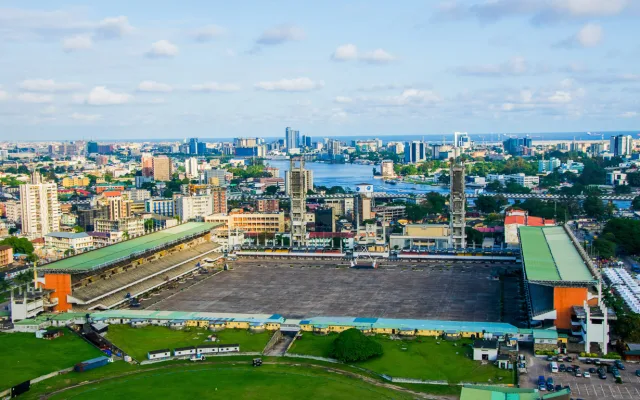
The city stands on the bank of the Bonny River, which flows into the Gulf of Guinea in the Atlantic Ocean. This position made it a convenient harbour for seagoing vessels, and its proximity to the oil and gas fields of the delta determined the settlement's economic fate. Port Harcourt is among the most populous cities in Nigeria; its metropolitan area has grown rapidly on the influx of labour connected with the extractive and refining industries.
The main language of communication is English, the country's official language, though local tongues are also widely heard, above all Ikwerre, Ogoni and other languages of the delta peoples. The climate is equatorial and humid: hot all year round, with a long rainy season falling roughly between spring and autumn, and drier winter months.
History
Port Harcourt was founded at the beginning of the 20th century by the British colonial administration and named after Lewis Harcourt, then Secretary of State for the Colonies. The harbour was originally created to export coal from the mines of the interior, along with palm oil and agricultural produce. The building of a railway linking the coast with the hinterland confirmed the city's role as a transport and trading centre.
The turning point was the discovery and industrial exploitation of oil in the Niger Delta in the second half of the 20th century. From then on the city became the heart of the country's oil industry. A dramatic chapter in its history was the Nigerian civil war (the war over Biafran independence) at the turn of the 1960s and 1970s, when the region found itself at the epicentre of the fighting.
The economy and the port
The economy of Port Harcourt is closely tied to hydrocarbons: there are refining facilities, service companies and petrochemical plants here. The seaport remains one of the most important in the whole country, handling cargo, equipment for the fields and export flows. Besides the extractive sector, ship repair, metalworking and trade are well developed.
What to see
Two days will cover the main points of interest:
- The University of Port Harcourt Botanical Garden — a green oasis within the city, holding tropical plants of the delta. A calm place for a walk and for getting to know the local flora.
- The mangrove forests of the Niger Delta — the most important natural attraction of the surrounding area. Boat trips along the creeks let you see the interwoven roots, the waterbirds and the distinctive landscape of the tidal zone.
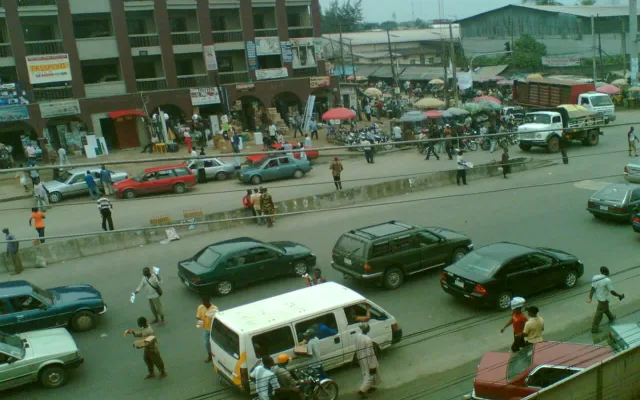
- The city markets — colourful trading rows selling fresh fish, tropical fruit, spices and craftwork; the best way to feel the rhythm of everyday life.
- The waterfronts and river views — panoramas of the Bonny River with its busy shipping.
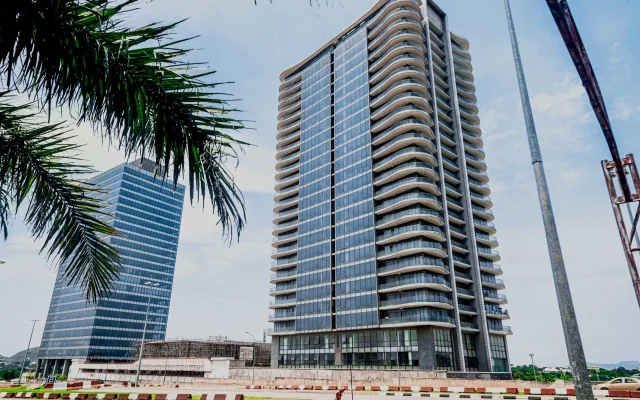
The city's fabric combines business districts holding company offices, busy residential areas and old colonial buildings recalling the early period of its history.
Culture and food
Cultural life reflects the diversity of the delta peoples. Music, dance and colourful festivals are popular, and traditional rites sit alongside a modern urban environment. The local cuisine is rich in the produce of river and sea. The staples are fish and seafood, along with dishes made from yam, cassava and plantain. Rich soups are popular — pepper soup, for instance, and stews made with palm oil, served with a side of pounded root vegetables. Hot seasonings and fiery pepper are a characteristic feature of the cooking here.
Practical information
The most convenient way to reach the city is by air: there is an international airport nearby connecting Port Harcourt with Lagos, Abuja and a number of destinations abroad. Within the city and between districts, people travel by taxi and shared minibus.
When planning a trip, several points are worth bearing in mind:
- The rainy season brings downpours and high humidity — light waterproof clothing will be useful.
- A visa is required to enter the country; check current requirements and vaccination recommendations in advance, including malaria prophylaxis.
- It is better to choose bottled drinking water.
- As in any large city, reasonable caution and attention to personal belongings will not go amiss.
Two days are enough to form an impression of Port Harcourt: to see its port life, relax in the botanical garden, try the local dishes and get out to the mangrove forests, which are the reason a traveller interested in the nature and culture of the Niger Delta should look in here.
Updated