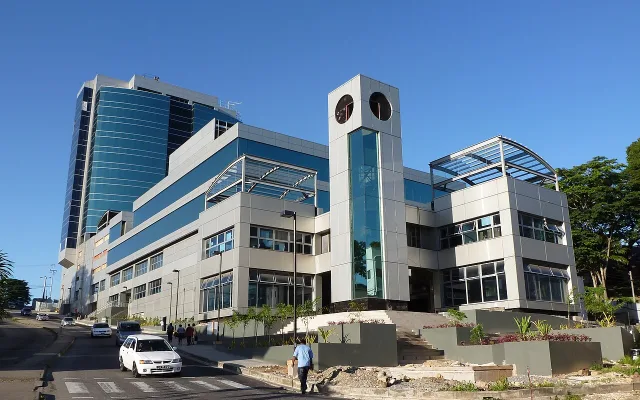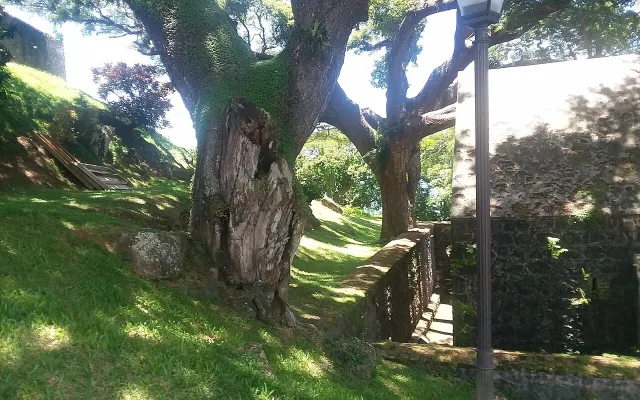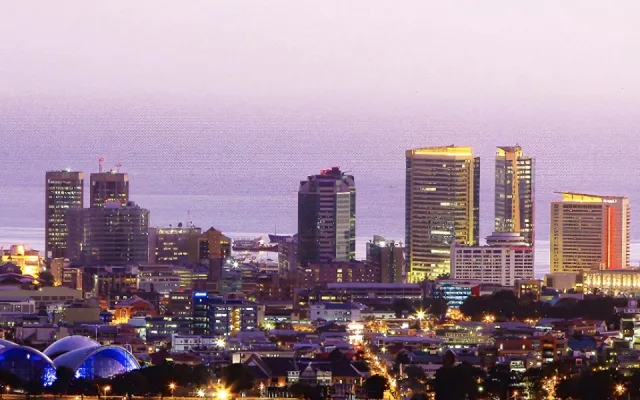
Port of Spain
Trinidad and TobagoDescription
Birthplace of carnival and the steel pan: the Caribbean's most spectacular carnival, the Aripo biosphere, and a cuisine shaped by a fusion of cultures.
Wiki
The capital of Trinidad and Tobago and the Caribbean's premier carnival city — around 40,000 residents in the city proper and 280,000 in the wider metropolitan area. Unlike the beach resorts of the Caribbean, Trinidad is an industrial, oil-producing nation with a unique multicultural identity: 35% Indian (descendants of sugar-plantation labourers), 35% African, plus Chinese, Lebanese, Spanish and British communities. Birthplace of calypso, limbo, soca and steelband. The main event is Carnival (held two days before Lent), the greatest carnival in the Caribbean.
Main Sights
- Queen's Park Savannah — reputedly the world's largest roundabout, with a perimeter of 3.7 km around this park-square, the city's central gathering place.
- Magnificent Seven — seven early-20th-century mansions in contrasting architectural styles lining the Savannah's perimeter; the most notable are Knowsley, Mille Fleurs, Roomor and Killarney.
- Botanical Gardens — among the oldest in the Western Hemisphere (founded 1820), with 70 species of palm.
- Royal Botanic Garden and the President's House — the official residence of the President.
- National Museum and Art Gallery — the country's principal museum.
- Brian Lara Promenade — the main pedestrian street, named after the cricket legend.
- Maracas Bay — Trinidad's most popular beach, 40 minutes away over the Northern Range mountains. Famous for shark and bake, a fried-fish sandwich.
- Caroni Bird Sanctuary — a mangrove wetland where thousands of scarlet ibis (Trinidad's national bird) roost at sunset.
- Asa Wright Nature Centre — a nature station in the hills, home to hummingbirds and trogons.
- Pitch Lake — the world's largest natural asphalt deposit, in the south-west of the island.
- Tobago — the sister island, 30 minutes by plane, more beach-focused and laid-back.
- Carnival — held two days before Lent, the highlight of the tourist calendar.
Food and Prices
Trinidadian cuisine is richly multicultural — one of the most interesting in the Caribbean: doubles (curried chickpeas in flatbread — the staple breakfast), roti, callaloo, pelau, bake and shark, oil down (the national dish) and chow (fruit with pepper). The Indian culinary heritage runs deep. A café lunch runs $8–15, dinner at a restaurant $25–50. A bottle of Carib beer costs $3–4. A litre of petrol is $0.50; a maxi-taxi (minibus) costs $1–3, a taxi $6–15; Drop Coin is the local ride-hailing app. Prices are as of 2026.
Getting Around
Piarco International Airport (POS) is 25 km from the city, served by American, JetBlue, British Airways and Caribbean Airlines. A taxi to the centre costs $35–45. To Tobago: flights take 30 minutes ($60–100) or the ferry 2.5–4 hours ($15–30). Around the city use maxi-taxis, regular taxis or a hire car ($35–50/day). Tobago is easier to navigate without a car than Trinidad.
When to Go
January to May is the dry season, with temperatures of 24–30 °C. Carnival falls in late February or early March (dates vary). The hurricane season runs June to November, but Trinidad lies at 11° north and usually sits below the main hurricane belt. For Carnival, book your hotel and costume 6–12 months in advance.