Description
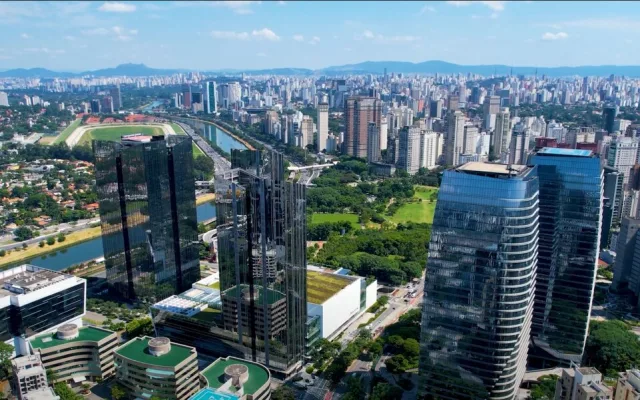
Sao Paulo is the economic capital of Brazil, known for world-class food, art and an energetic nightlife.
Wiki
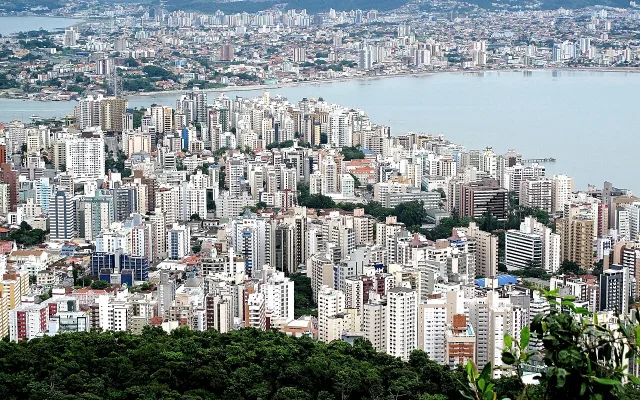
Sao Paulo is the largest city in Brazil and in the whole southern hemisphere, the financial and industrial heart of the country. Unlike coastal Rio de Janeiro, this metropolis has no beaches, but it offers an intense cultural life, food of world standing and a kaleidoscope of ethnic quarters formed by waves of immigration.
General character and history
The city was founded in 1554 by Jesuit missionaries and named after the Apostle Paul. For a long time it was a modest settlement on the plateau, but the coffee boom of the late 19th century and the industrialisation that followed turned Sao Paulo into the economic engine of Brazil. Settlers came here from Italy, Portugal, Japan, Lebanon, Germany and elsewhere — and their descendants have largely shaped the look of the modern city. Today around 22 million people live in the metropolitan area. Local residents are called paulistanos, and Brazilians often refer to the city simply as Sampa.
Main sights
- Ibirapuera Park — a green oasis of 158 ha, the city's lungs, opened in 1954 for the 400th anniversary of Sao Paulo. It holds lakes, cycle paths and running tracks, along with pavilions designed by Oscar Niemeyer. The famous art Biennial takes place on its grounds.
- MASP (Museu de Arte de Sao Paulo) — the symbol of Avenida Paulista, a building by Lina Bo Bardi "suspended" on red concrete supports. The collection holds works by Raphael, Rembrandt, Degas, Van Gogh and other European masters; the canvases are displayed on transparent glass easels.
- The Pinacoteca do Estado — the oldest art museum in the city, housed in a neo-Renaissance building beside Luz park. The display is devoted mainly to Brazilian art of the 19th and 20th centuries.
- Liberdade — the historic Japanese quarter, the largest centre of the Japanese diaspora outside Japan. Red torii-like arches, shops of Asian goods, sushi bars and weekend fairs.
- Vila Madalena — the bohemian artists' district, with galleries, bars and the famous Beco do Batman alley, covered from end to end in graffiti and murals.
- The Mercadao (Mercado Municipal) — the municipal covered market in neo-Gothic style with stained glass. It is famous for its mortadella sandwich and its salt cod pastries (pastel de bacalhau).
It is also worth walking through the historic centre: the Se cathedral, the monastery of Sao Bento, the Banespa building with its viewing deck (Farol Santander) and the busy pedestrian stretch of Avenida Paulista, which is closed to traffic for residents on Sundays.
Food and restaurants
Sao Paulo is deservedly considered the gastronomic capital of Latin America. This is where D.O.M. works, the restaurant of chef Alex Atala, who explores the produce of the Amazon, along with the critically praised A Casa do Porco and the convivial Bar da Dona Onça. The culinary range reflects the city's many nationalities: Italian pizzerias and pasta, Lebanese shawarma and kibbeh, Japanese and Korean food, and traditional Brazilian Bahian dishes and feijoada. Among street food, crisp pastel with fillings and farofa, coxinha, churrasco and chilled coconut water are popular. Bar culture is a point of pride in itself: from the classic botecos with cold beer to cocktail places of international standing.
Transport
The city metro has several lines and is complemented by a monorail, CPTM suburban trains and an extensive bus network. The traffic jams in Sao Paulo are legendary, so many people use apps such as Uber. The main air gateway is Guarulhos International Airport, about 25 km from the centre; a CPTM line links it to the city. Closer in is Congonhas airport, which handles domestic flights.
Practical advice
- The best time to travel is the dry season from April to October. The climate is mild, with temperatures holding between 18 and 28 °C, but the weather is changeable and a cool evening is possible even in summer.
- Three days are enough to cover the essentials: a day for the museum axis of Paulista and Ibirapuera, a day for Liberdade, the centre and the market, a day for bohemian Vila Madalena and the food.
- As in any large city, it is worth watching your belongings in crowds and avoiding deserted streets in the centre after dark.
- Cash is handy for markets and street food, though cards are accepted almost everywhere.
Sao Paulo rarely charms at first sight, but it opens up through detail — a flavour, the sound of live music in a bar, and the energy of a city that never stops.
Photos