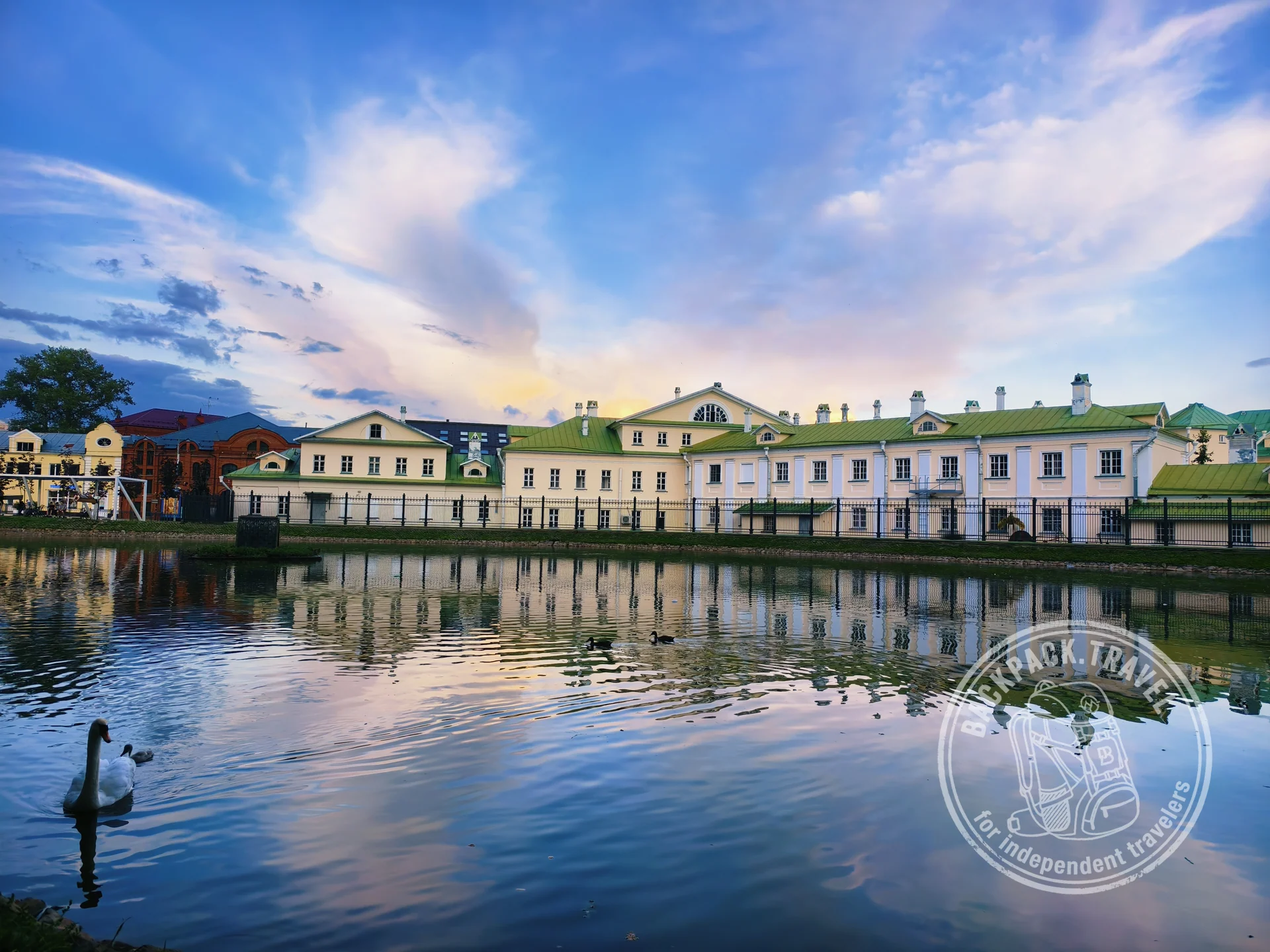
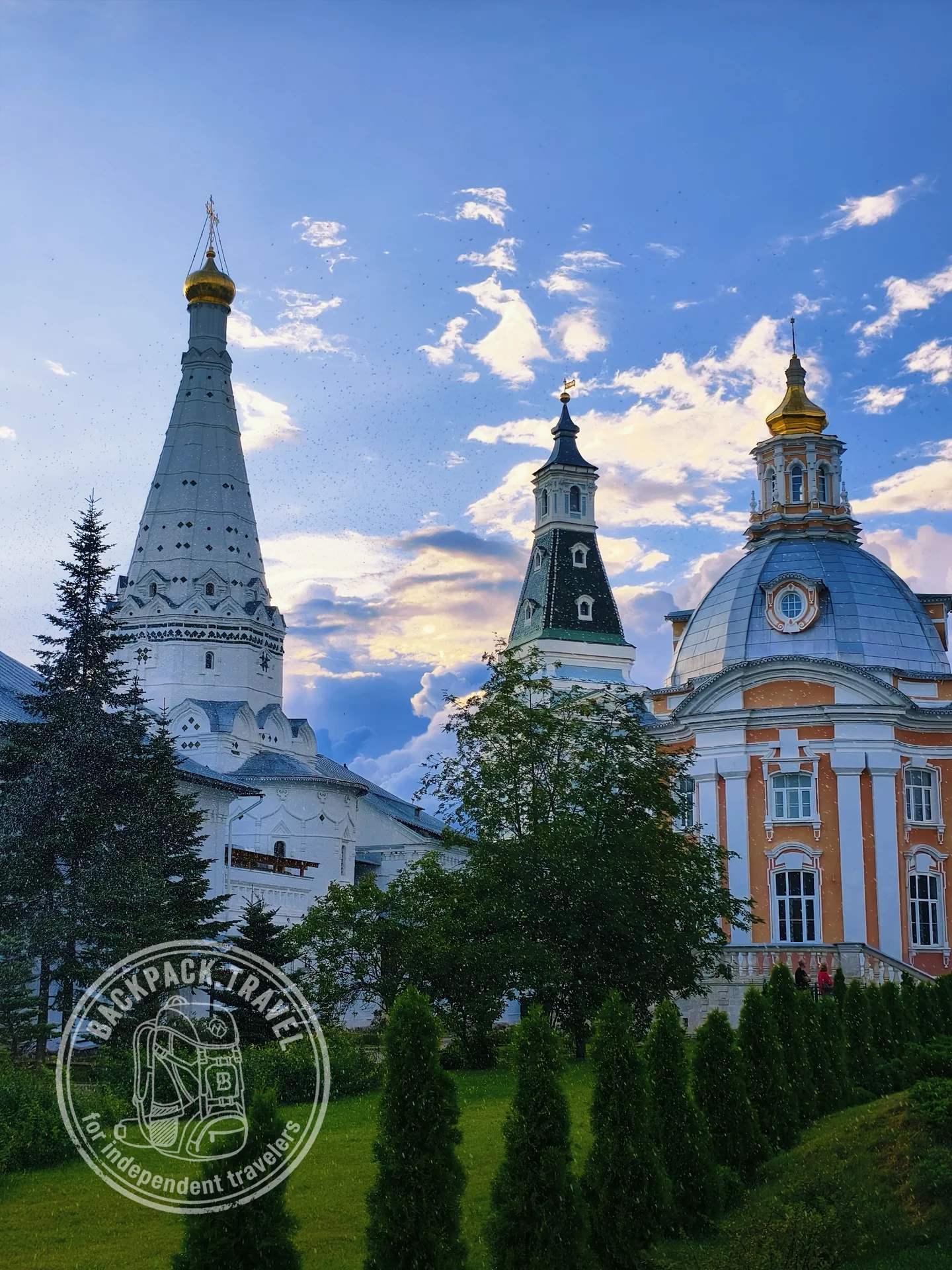
Description
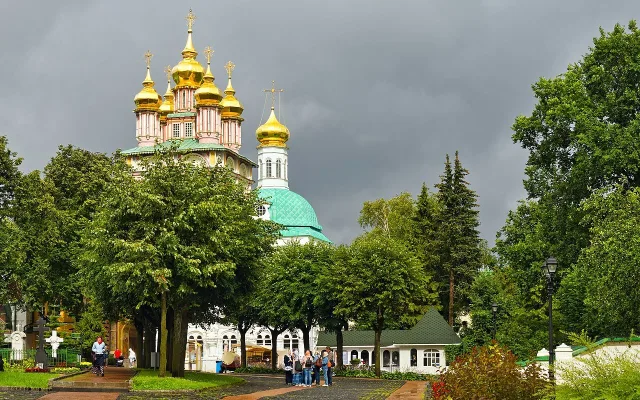
The spiritual capital of Russia, home of the Trinity Lavra of St Sergius, the country's foremost monastery with its golden domes. A town of pilgrims and tourists 70 km north-east of Moscow, with a deep history of Orthodoxy.
Wiki
The Trinity Lavra of St Sergius is the magnet for everyone who comes to Sergiyev Posad, and frankly it is the reason to make the trip. The town is small, but the Lavra complex is so powerful that pretending there is much else to the visit would be disingenuous — though there is enough around it to fill the time.
Why come, and what to see
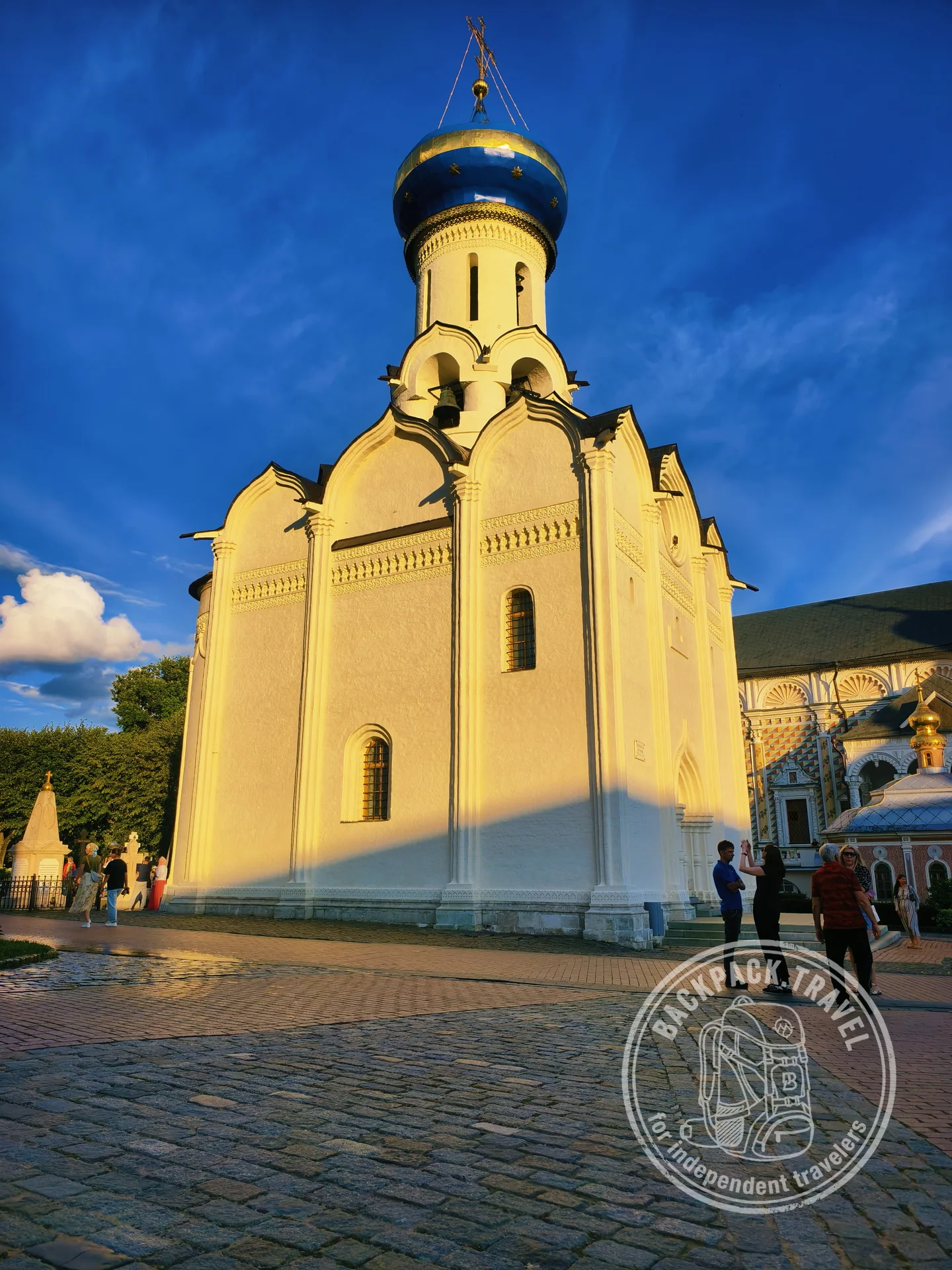
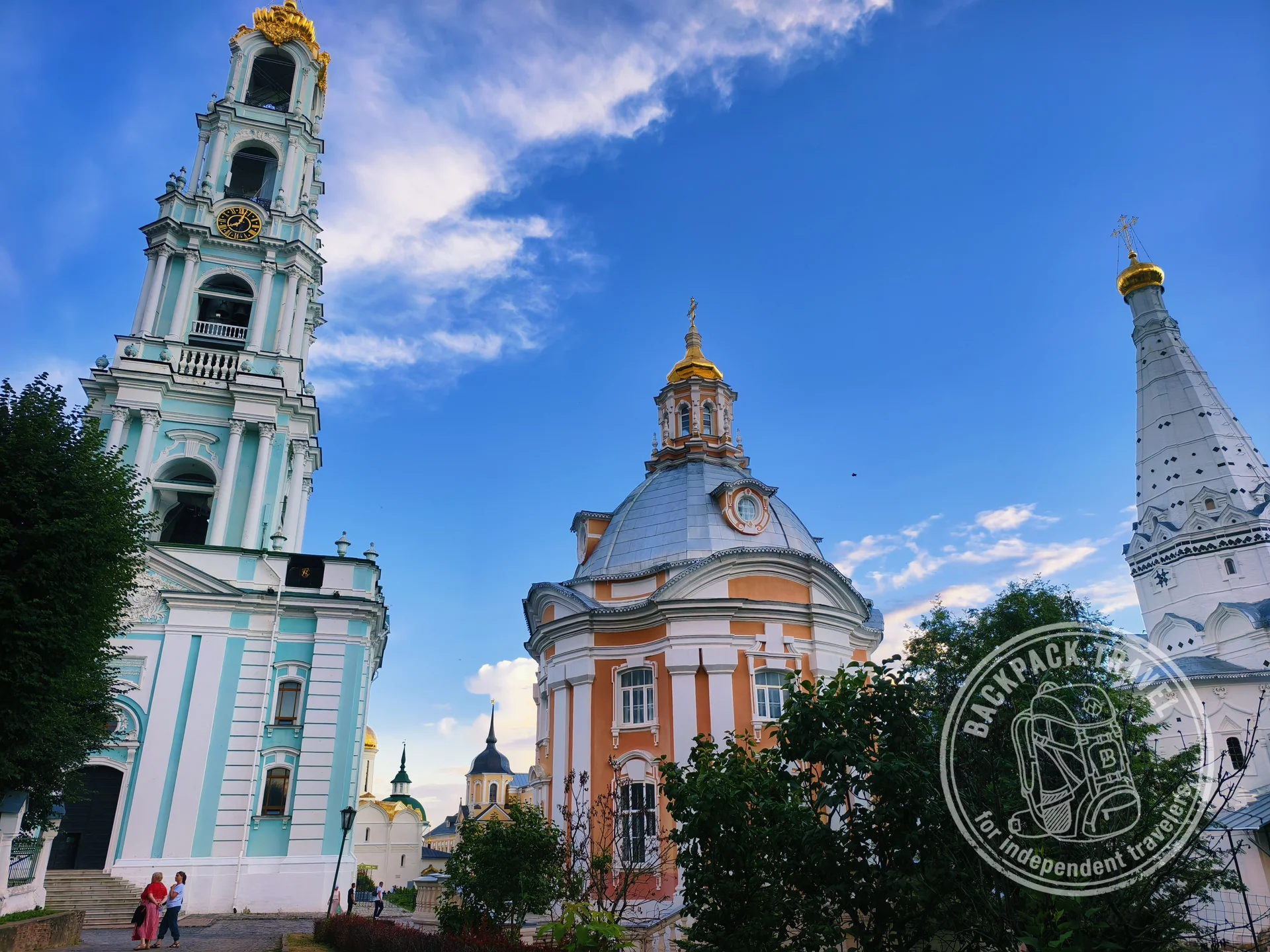
The main thing is the ensemble of the Trinity Lavra of St Sergius, a UNESCO site and a working monastery for men, founded by St Sergius of Radonezh in the 14th century. A lavra is the highest rank of Orthodox monastery, and there are only a handful in the Russian tradition. Inside is a concentration of architecture from many periods on a compact site:
- The Trinity Cathedral — the heart of the Lavra, holding the relics of St Sergius of Radonezh. This is where the pilgrims go, and where there are queues.
- The Dormition Cathedral with its blue and gold domes — the most recognisable building, the one on all the postcards.
- The bell tower — one of the tallest in Russia, a landmark visible from far off.
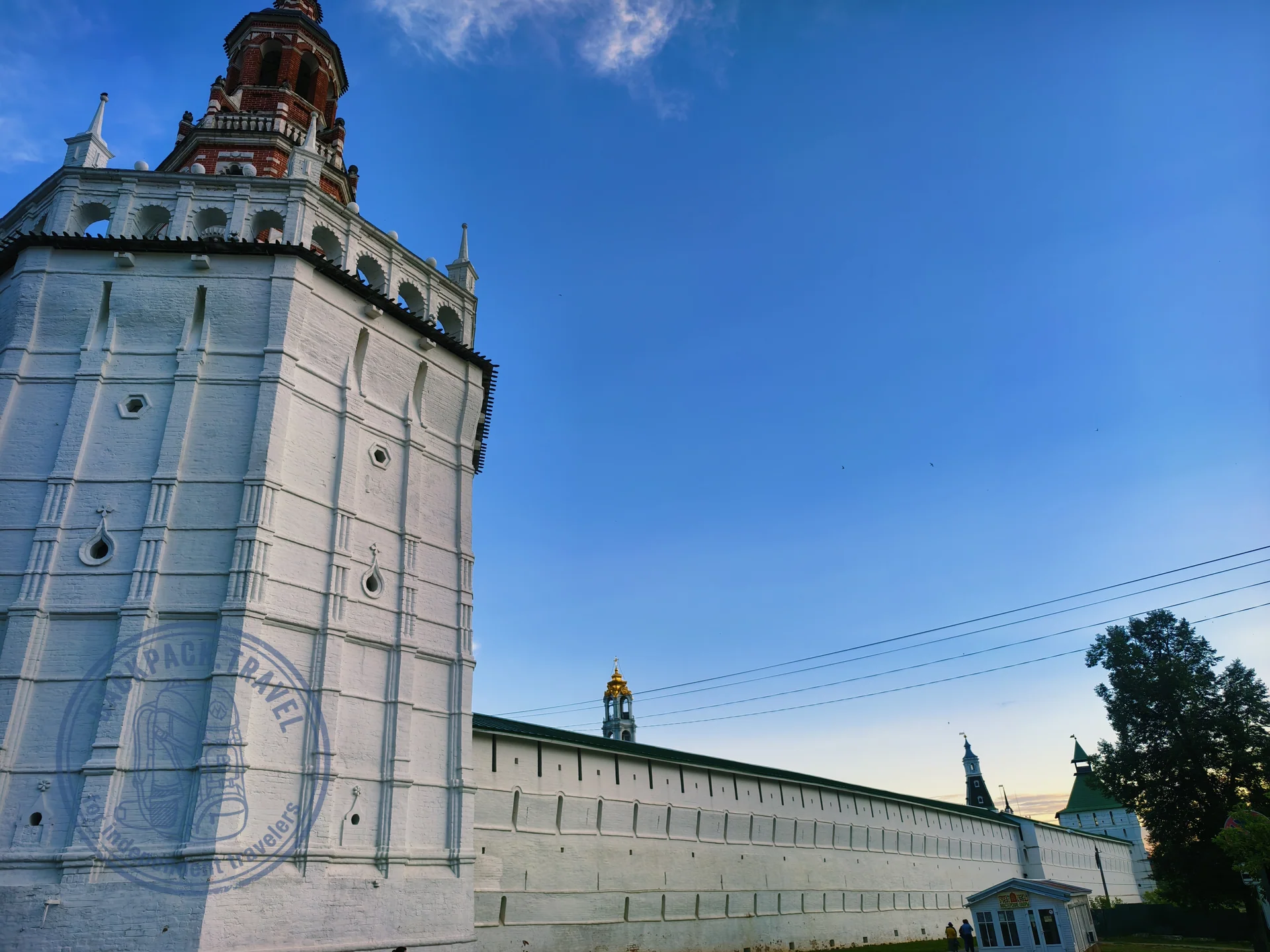
- The refectory chamber, the walls and towers, and the sacristy museum.
Allow 2–3 hours to see the Lavra itself at a calm pace, more if you want to visit the museums or stand through a service. Entry to the grounds is free; individual museums and displays are charged.
If time remains, the town has a Toy Museum (Sergiyev Posad is the historic centre of matryoshka nesting-doll and wooden-toy making) and the Blinnaya Gora viewpoint opposite the Lavra, from which the postcard view of the whole ensemble opens up. Do not miss this angle: from below, the scale does not read.
How much time to allow
The honest answer is that Sergiyev Posad can be done in one day from Moscow. Arrive in the morning, walk the Lavra, have lunch, take in the views, and go back. Staying overnight makes sense if you want to catch an early service without the crowds, or to combine the trip with other Golden Ring towns — the classic tourist circuit of medieval towns north-east of Moscow; Pereslavl-Zalessky, Rostov and Yaroslavl lie further along the same road.
Getting there from Moscow
The town is 70 km to the north-east, and there are two main ways to reach it:
- Suburban train from Yaroslavsky station — the most predictable option, taking about an hour and a half. Services are regular, and from the Sergiyev Posad station it is a 15–20 minute walk uphill to the Lavra. There are also faster trains, quicker and with a guaranteed seat.
- Bus from VDNKh metro station — it goes direct, but depends on traffic leaving Moscow, so it is less reliable on timing.
By car, take the Yaroslavskoye highway; on weekend mornings the exit from Moscow is reliably jammed, so allow extra time.
Getting around the town
Everything of interest is compact and walkable. From the station to the Lavra is the only route you really need, and it is short. Public transport is practically unnecessary for sightseeing. The road from the station goes uphill, which is worth bearing in mind if you have limited mobility.
When to go
- Summer and golden autumn — the most rewarding time for photographs: the domes look their best in sunshine and among the foliage.
- Winter gives a postcard picture with snow, but the daylight is short — come early.
- Church feast days (especially the days commemorating St Sergius of Radonezh) mean the maximum number of pilgrims and queues. Atmospheric, but crowded; if you want a quiet visit, choose an ordinary weekday.
Weekdays overall are noticeably freer than weekends — the crowds of tour coaches come on Saturdays and Sundays.
Food and money
The town feels inexpensive relative to Moscow. A subject of its own is the monastery baking and kvass: honey cakes, pies and honey mead are sold right by the Lavra, serving as both a snack and a souvenir. (Kvass is a lightly fermented drink made from rye bread, barely alcoholic.) You can have a full lunch in the refectories and cafés nearby — look for places a little away from the main entrance, as right by the gates there is a premium for the view.
Saving is easy: snack on the baked goods instead of a restaurant meal, and at the Lavra itself pay only for the museums that genuinely interest you.
Things to note
- Dress code. This is a working monastery: women need a headscarf and covered shoulders and legs; men should remove hats, and shorts are unwelcome. Headscarves can often be borrowed at the entrance, but it is better to have your own.
- Photography inside the churches and during services is sometimes restricted — photograph the architecture outside, and inside follow the signs and do not disturb people at prayer.
- The queue to the relics in the Trinity Cathedral can be long at peak times — if your purpose is specifically a pilgrimage, arrive at opening.
Common mistakes
- Coming at the weekend or on a major feast day and then being surprised by the crowds — weekdays are more comfortable.
- Planning a whole full day for Sergiyev Posad alone: the town is seen in a few hours, so it is better to add a second stop or return to Moscow.
- Forgetting the views from Blinnaya Gora — many people walk round the Lavra from the inside and leave without ever seeing it whole from outside.
- Arriving without allowing for the dress code and then having to solve the problem at the gates.