Description
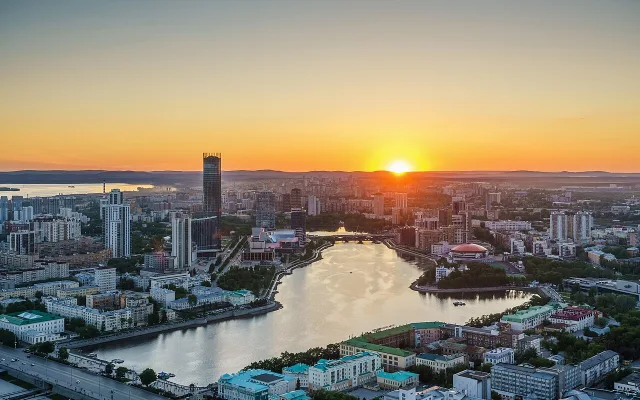
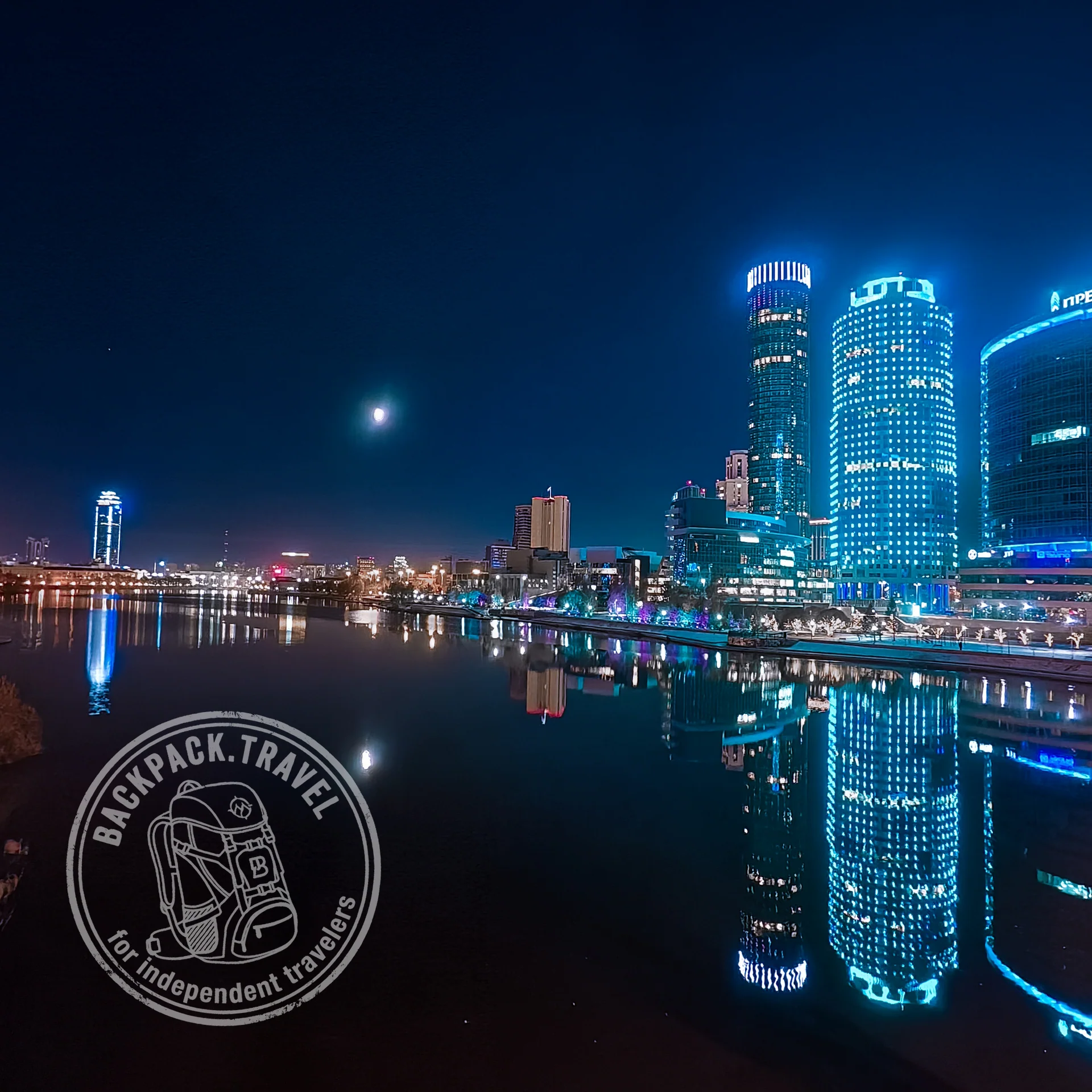
The capital of the Urals — the Church on the Blood on the site where the Romanovs were killed, the Yeltsin Center and the border between Europe and Asia.
Wiki
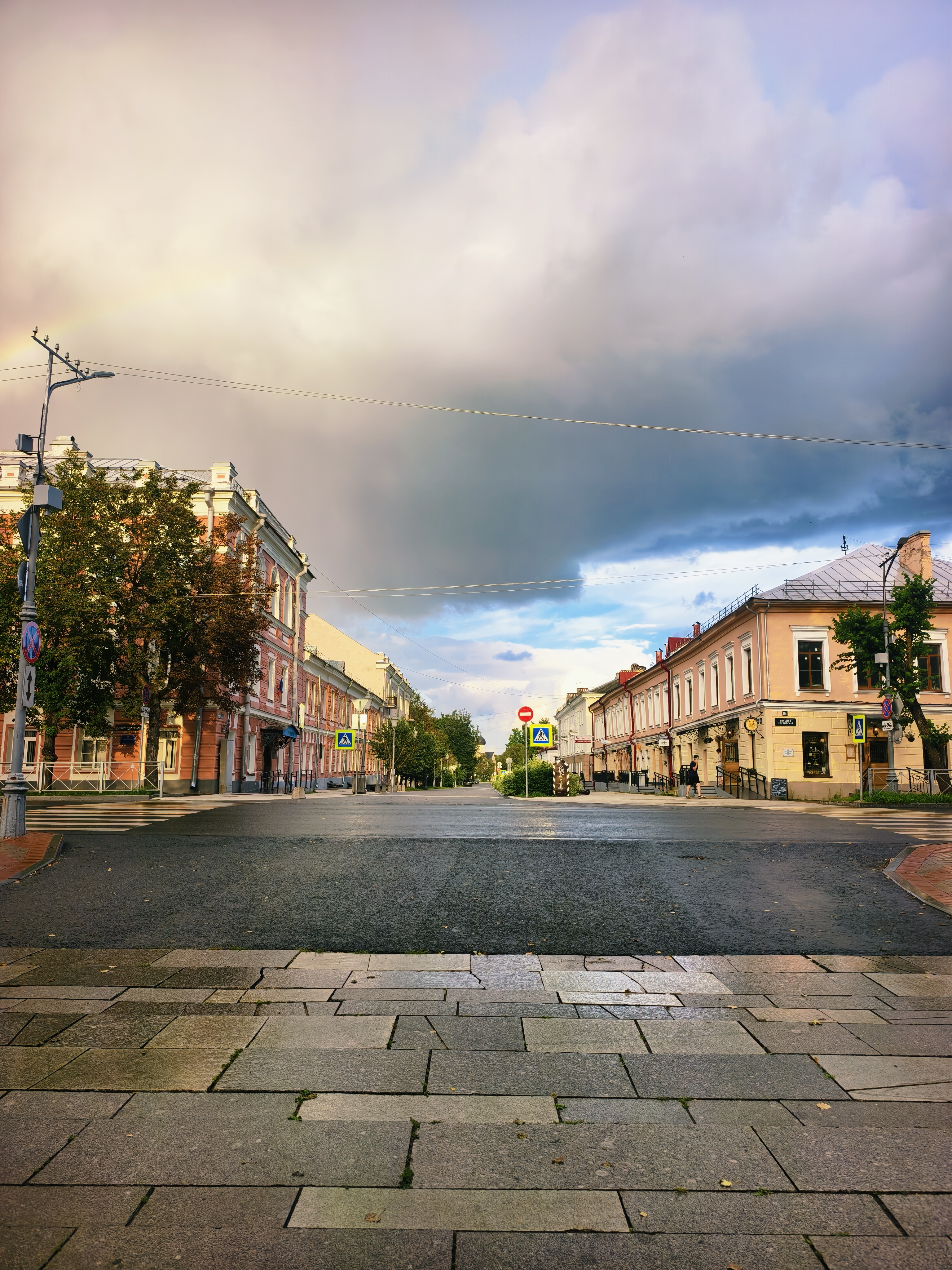
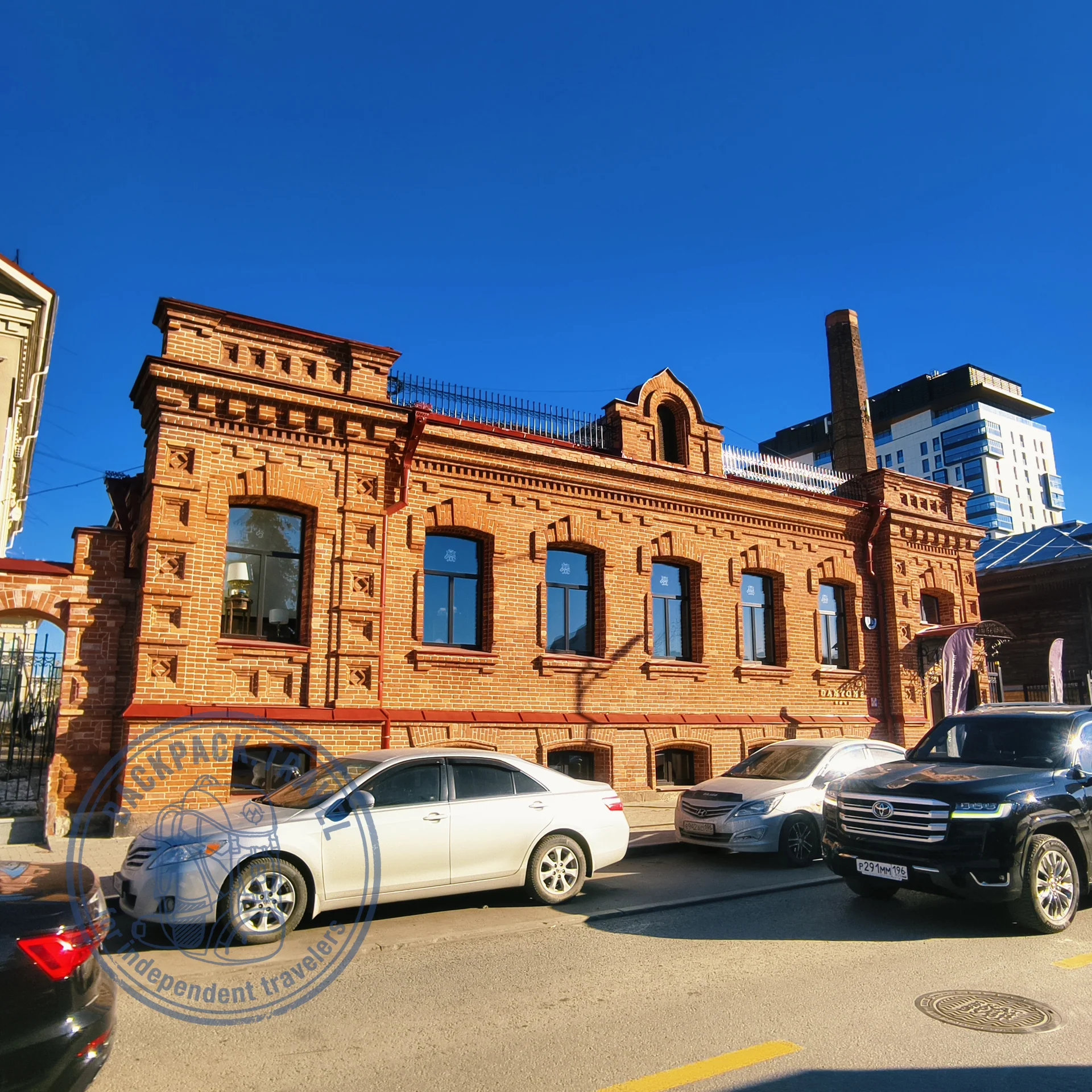
The capital of the Urals is a rare case in Russia of a city that is interesting not for individual "sights" but for its urban fabric itself: working factories stand next to museums of international quality, and constructivist blocks of the 1930s are interspersed with merchant mansions. Two days is an honest minimum: in that time the centre can be walked, leaving an evening for the bars and half a day for a trip out of town.
Why come, and what to see
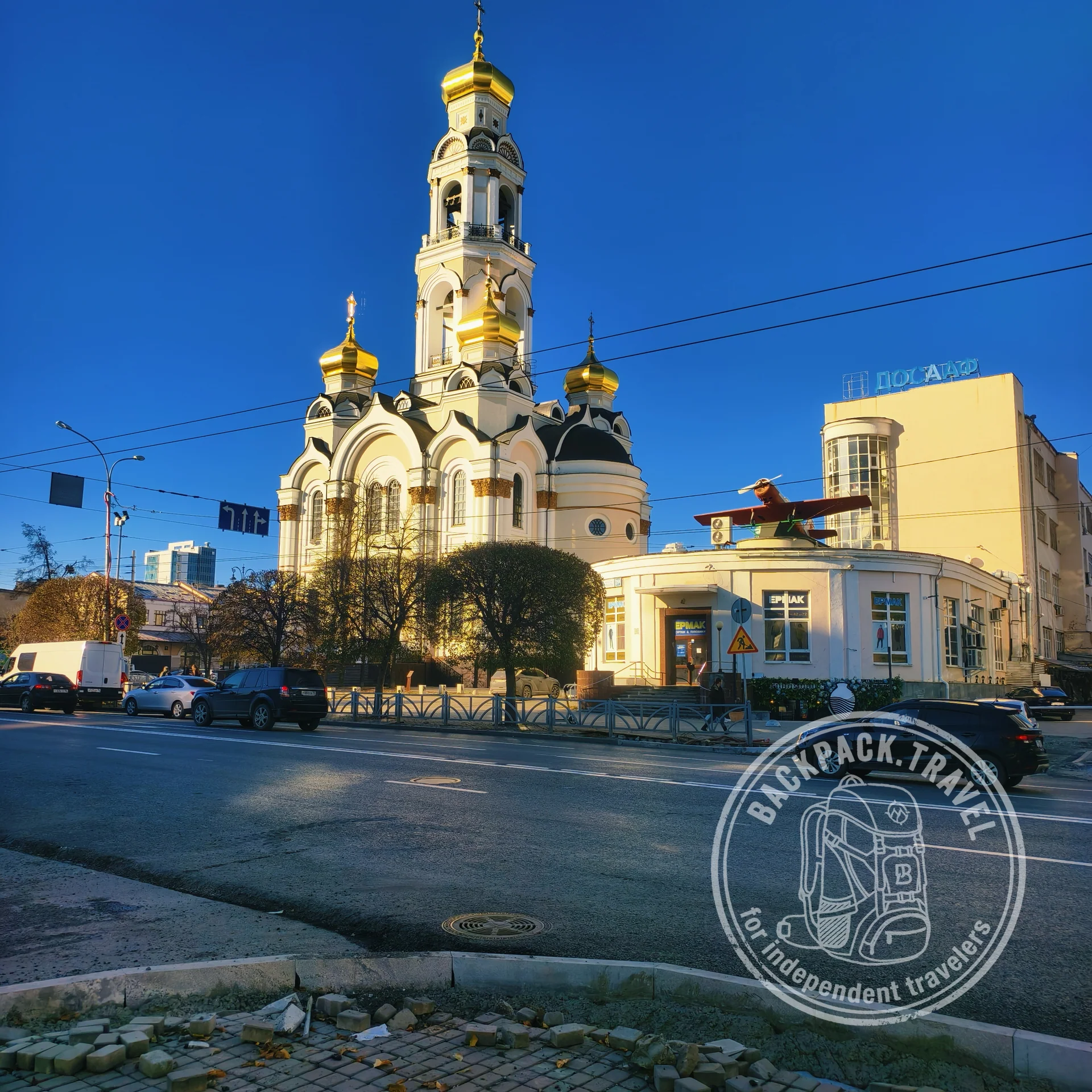
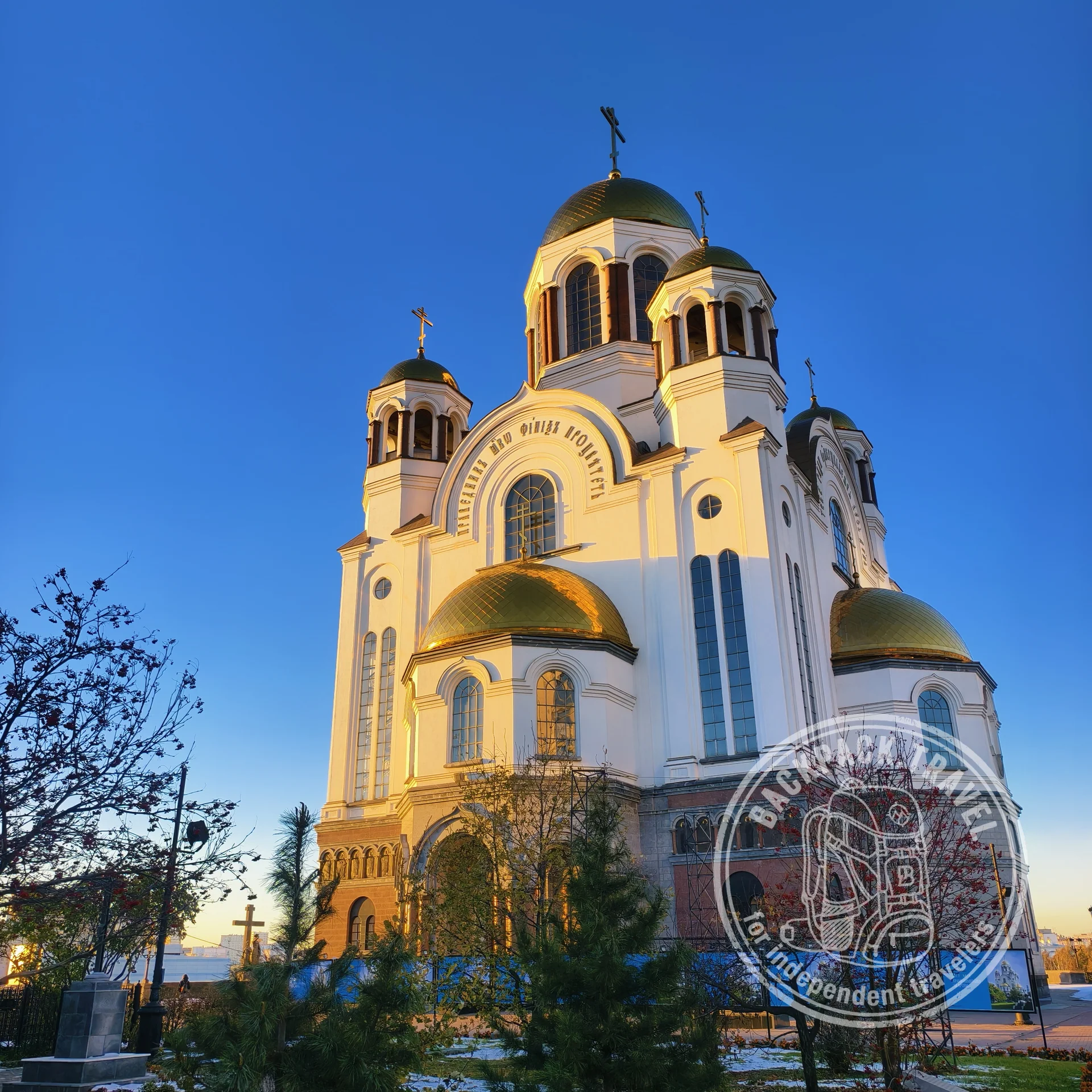
- The Church on the Blood — built on the site of the Ipatiev House, where the family of Nicholas II was shot in 1918. Even without an interest in religion, this is the key point for understanding what the city is known for worldwide. Inside there is a lower church at the level of the room where the shootings took place, with a small display about the last days of the Romanovs. Nearby are Voznesenskaya Hill and the Rastorguev-Kharitonov mansion with its park, which are convenient to combine.
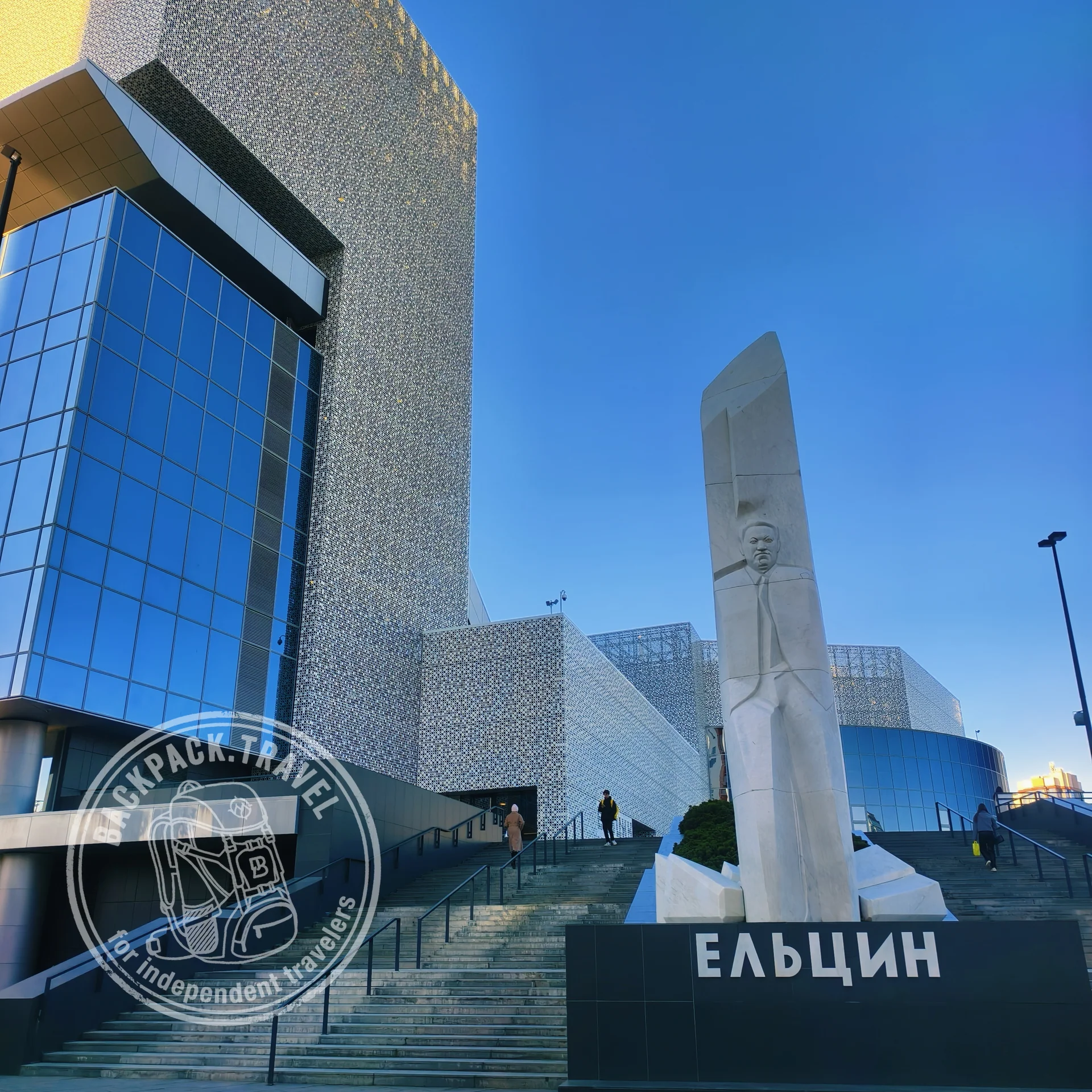
- The Yeltsin Center — one of the best modern museums in the country. Its "Seven Days" exhibition about the 1990s is done honestly and vividly, with a reconstructed apartment, a trolleybus and a hall devoted to August 1991. Allow two to three hours. There are also coffee shops, a bookshop, a cinema and a free viewing platform on the top floor — a convenient place to start the day.
- The "Red Line" — a walking route through the centre marked out in paint on the pavement, linking the main sights. It has about thirty points and starts at 1905 Square. The ideal way to see the city independently in a day, with no guide and no tour costs.
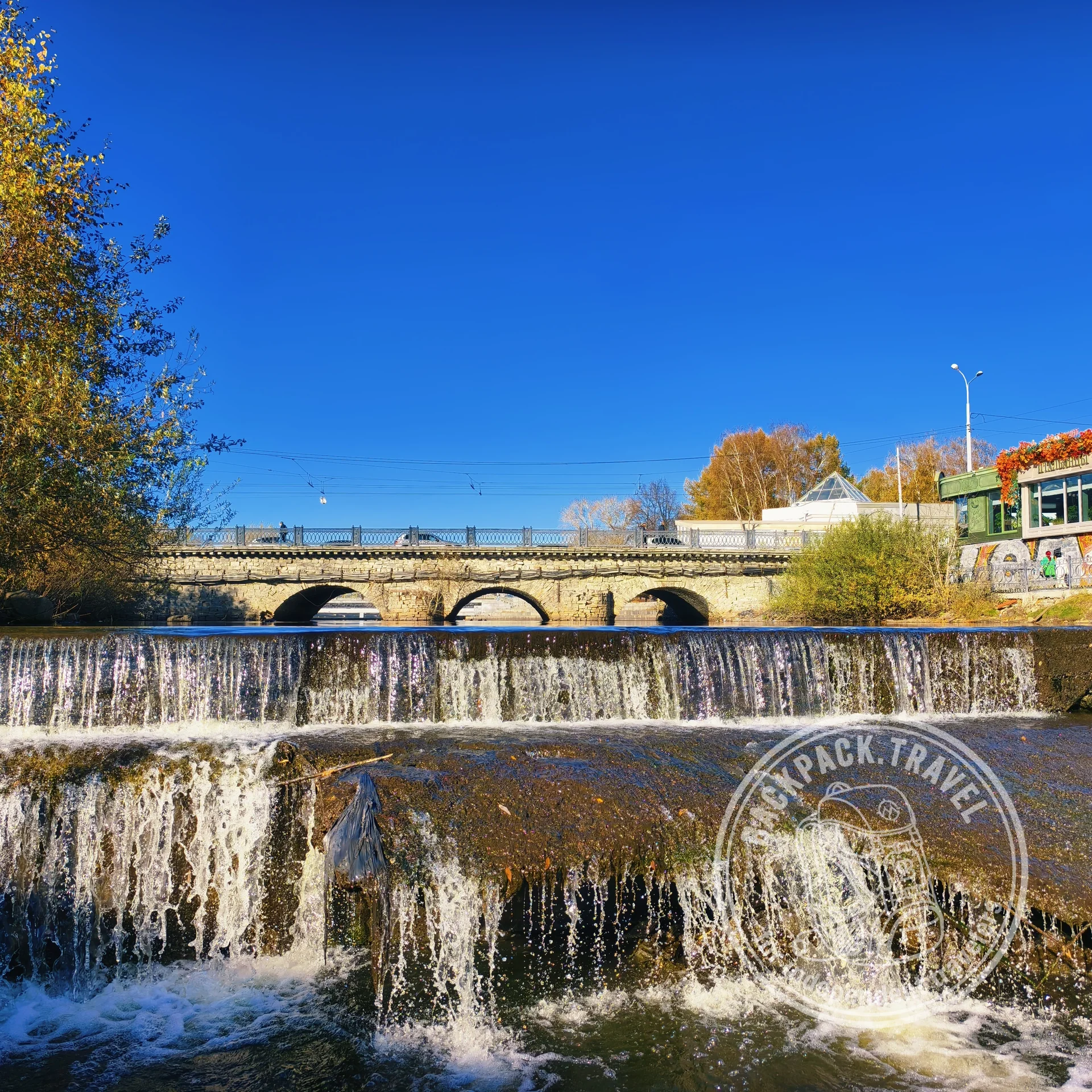
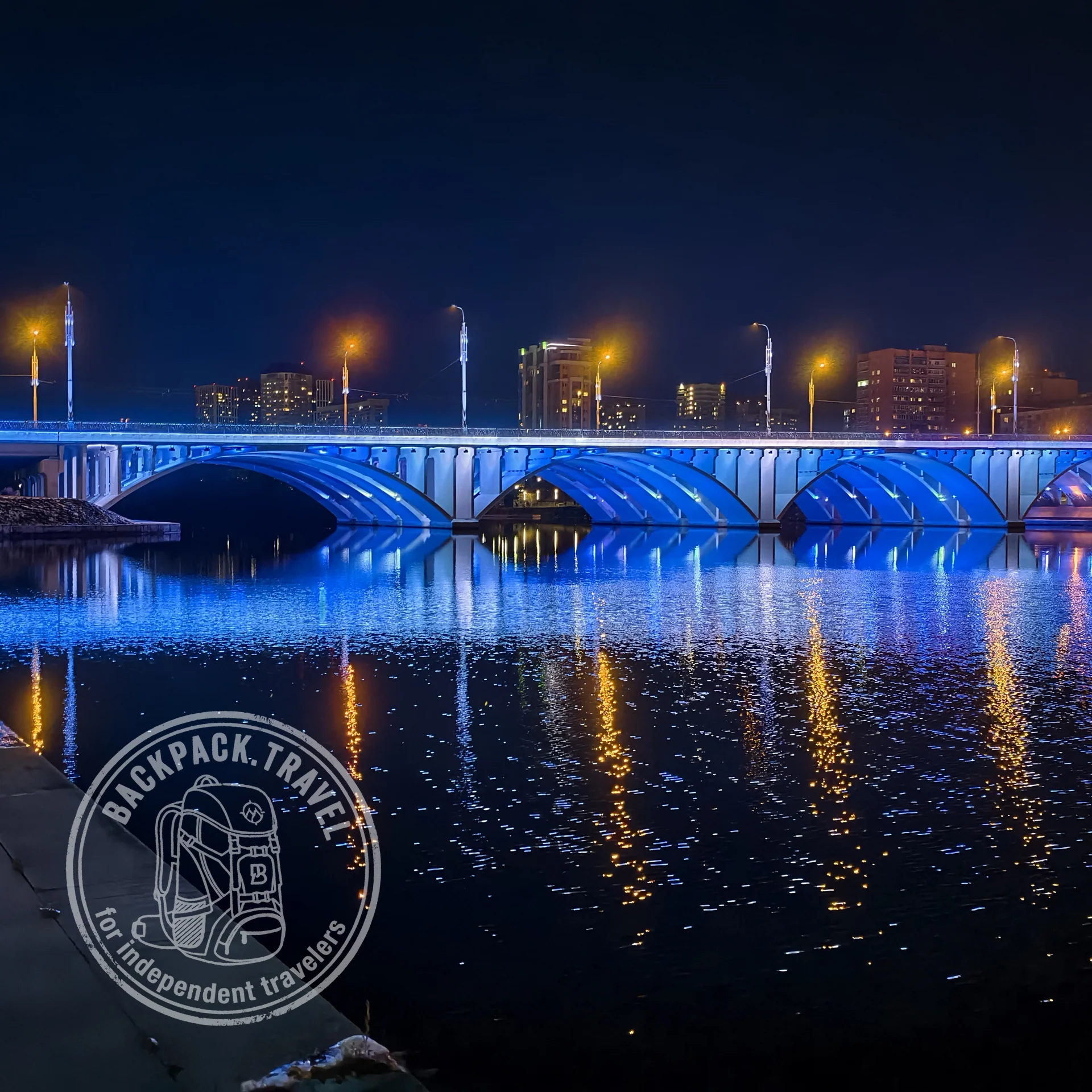
- The Plotinka (the dam of the City Pond) — the historic heart: the city grew up around an ironworks, and the water here was not scenery but the engine. Below is the Historical Garden, with a museum of architecture and open-air industrial machinery.
- Constructivism — what architecture enthusiasts come for. The Chekists' Town (with the horseshoe-shaped Iset Hotel), the "Ship House", the Dynamo sports complex and the White Tower at Uralmash. Much of it is half-ruined — it needs to be seen now.
- Vainera Street — the local "Arbat", pedestrianised, with sculptures. It takes 15 minutes to walk and is not worth a special trip, but you will pass along it anyway.
- Ganina Yama and the Europe–Asia border — outside the city. A monastery on the site where the Romanovs' bodies were taken, and marker obelisks on the notional boundary between the continents; the nearest is on the Novomoskovsky highway, reachable by taxi or on a tour.
Getting there and getting around
Koltsovo Airport is a major hub with direct flights from most Russian cities and some abroad. It is about half an hour to the centre: city buses and shared minibuses run to the railway station, and there are taxis, inexpensive by Moscow standards. At night a taxi is the most convenient.
The railway is one of the city's strengths: it sits on the Trans-Siberian and trains run constantly in both directions. From Moscow it is roughly 24 hours, with fast named services available. It makes sense to build Yekaterinburg into a route running Moscow – Kazan – Yekaterinburg – Tyumen/Tobolsk and on eastwards.
Within the city: there is a metro, only one line running north to south, but it genuinely helps — it links the station, the centre and Uralmash. Payment is by card at the turnstile. Otherwise there are trams, trolleybuses and buses, and city apps show transport in real time. But the main thing is that the historic centre is compact and can be walked in its entirety; transport is only needed for trips to Uralmash, VIZ and out of town.
Where to stay
- The centre (around 1905 Square, Lenin Avenue, Vainera Street) — the optimum for two days: everything on foot, and somewhere to go in the evening.
- The Yeltsin Center and embankment area — quieter but just as close, with many new apart-hotels.
- By the railway station — cheaper and convenient for early trains, but a dull area and rather empty in the evening.
- Uralmash and the outlying residential districts are not worth taking: the saving does not repay the travel time.
Accommodation is generally cheaper than in the capital; there are plenty of hostels and apartments, and prices jump in summer and during major trade fairs, so book ahead.
How many days, and when to go
Two days are enough: the first for the Red Line, the Plotinka, the Church on the Blood and the Yeltsin Center; the second for the constructivism and a trip to Ganina Yama with the Europe–Asia border. A third day is justified if the industrial theme interests you — Nevyansk with its leaning tower, Nizhny Tagil, or the Olenyi Ruchyi nature park.
The best time is late May to September. Summer is warm but changeable: rain and sharp cold snaps are normal, so a raincoat is essential. Winter is a proper Ural one, down to −25 °C and below; you can come and the city functions, but walking round the constructivism will be hard going. The shoulder seasons are mud and greyness, the worst option.
Food, prices and safety
Prices are noticeably lower than in Moscow: set business lunches in the centre are cheap and the coffee shops are good and inexpensive. Essential to try are Ural pelmeni (here it is food, not a brand), posikunchiki (small fried meat pasties), shangi (open-topped pastries), and anything involving local fish and mushrooms. There is a developed third-wave coffee and craft bar scene — the city is lively in the evenings, especially around Lenin Avenue and Vainera.
Safety is normal for a large Russian city: the centre is calm, and late at night it is worth avoiding outlying industrial zones and dark courtyards. One particular point is the roads: cross at pedestrian crossings carefully here, as drivers do not always give way.
Common mistakes
- Coming "only for the Romanovs" and missing the constructivism — that loses half the point of the city.
- Planning Ganina Yama and the Europe/Asia border separately: they are in the same direction and are more sensibly combined into half a day.
- Underestimating the weather: even in July you need a windproof jacket.
- Paying for a tour of the centre — the Red Line does the same thing for free.
- Expecting "Ural nature" within the city limits: for rocks and forest you need to go out for at least a day.