Canada
CAThe second-largest country in the world — from the Rockies and their glaciers to cities with some of the best street food on the planet. Canada wins you over with nature: Niagara Falls, the turquoise lakes of Banff, forest without end. It is thoroughly multicultural, with 200 nationalities sharing Toronto alone. One of the safest and most comfortable countries to travel in, if not the cheapest.
Where to go #
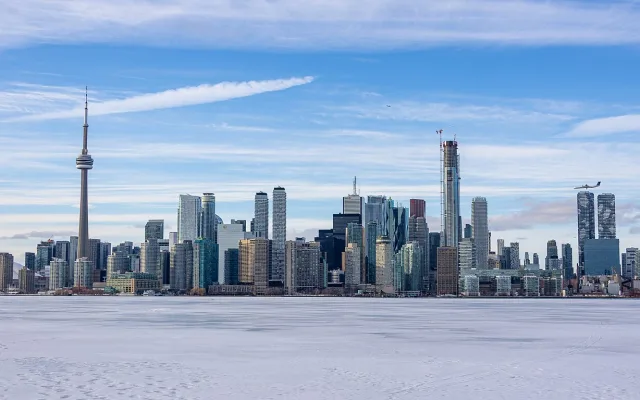
Toronto
Toronto is known for its skyscrapers, above all the CN Tower, for historic buildings such as Casa Loma, and for shopping quarters such as Kensington Market. Niagara Falls is close by.
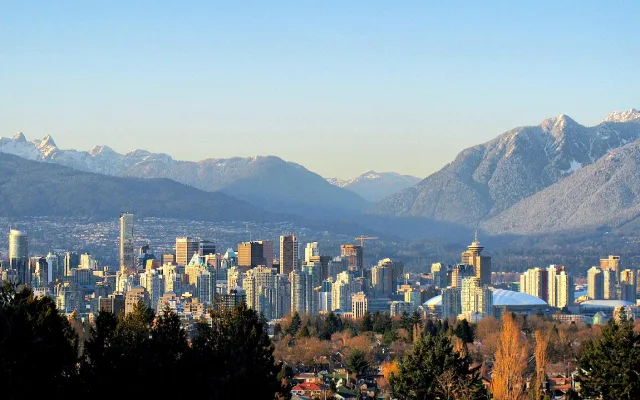
Vancouver
Vancouver is a city ringed by mountains and ocean, home to Stanley Park, Gastown, Granville Island, with Whistler close by.
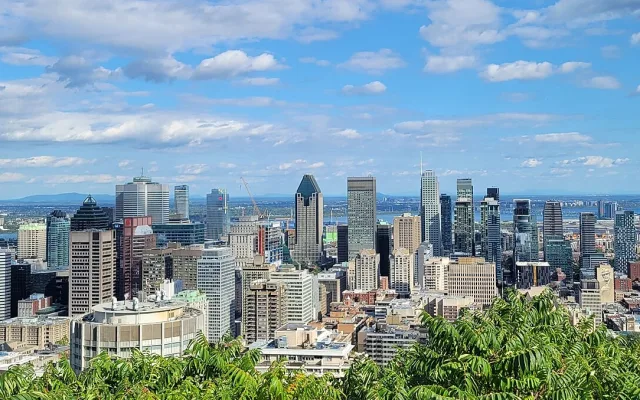
Montreal
Montreal is a Canadian city with a distinctly French flavour. It hosts jazz festivals, and you can explore the historic districts of Old Montreal and Mont Royal.
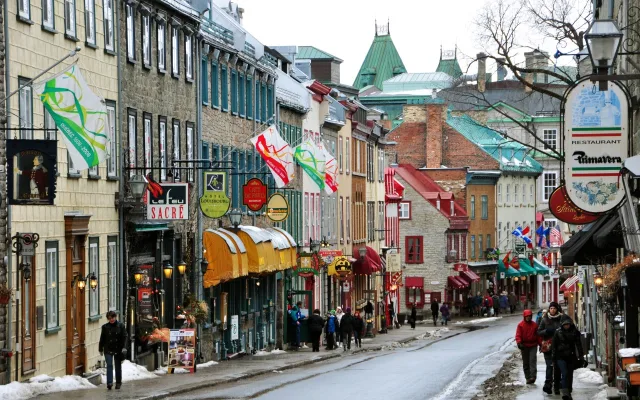
Quebec City
The only walled city north of Mexico with Old World charm in the New World: Château Frontenac, Petit-Champlain and the Winter Carnival.
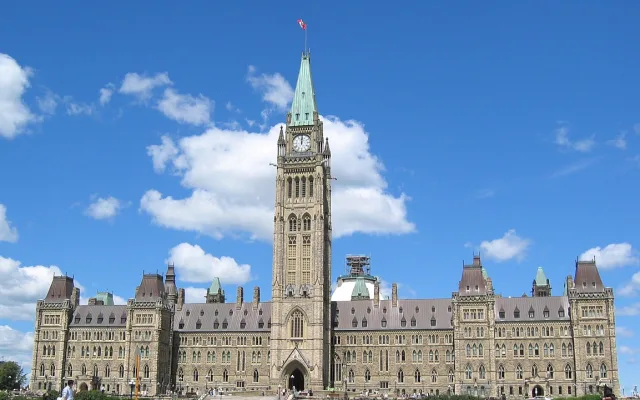
Ottawa
Ottawa is Canada's bilingual capital, known for the National Gallery of Canada, the neo-Gothic Parliament Hill, and the Rideau Canal — the world's longest skating rink in winter.
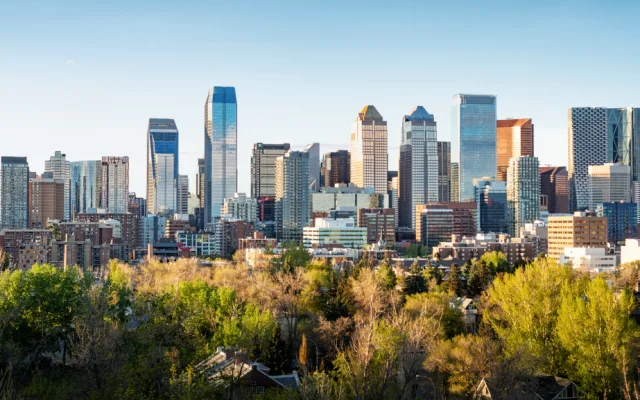
Calgary
Calgary is Canada's energy capital, sitting at the gateway to Banff National Park. It hosts events like the Stampede rodeo and serves as a base for skiing in the Rocky Mountains.
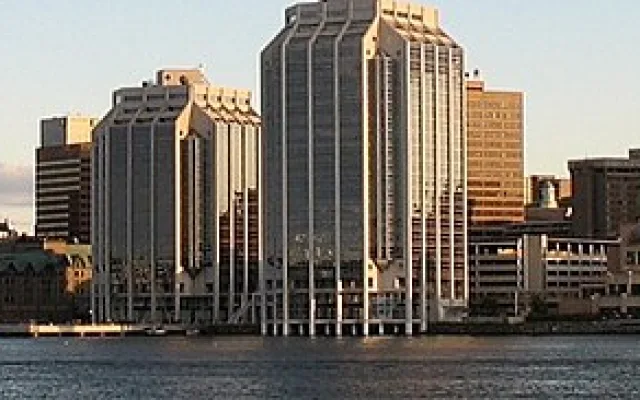
Halifax
Halifax is an Atlantic port city in Canada, known for its historic citadel, fresh lobster, the pubs of Argyle Street, and the lighthouse at Peggy's Cove.
What to see #
Niagara Falls: What to see on the Canadian side is the Horseshoe Falls, and the view from here is objectively the better one. Take the boat trip or go down into the Journey Behind the Falls tunnels to feel the weight of the water on your skin.
Banff National Park: This country of turquoise lakes like Louise and Moraine is where to go for hiking and wildlife. You cannot do it in a day, so allow at least three to take in the Rockies and the hot springs.
The CN Tower: Toronto's most recognisable landmark offers an edge walk at bird height for those who want it. The revolving restaurant is frequently overrated, but the open observation deck earns the ticket for the panorama alone.
Stanley Park: In Vancouver this is a huge space where you can walk the Seawall for hours without paying anything. Genuine First Nations totem poles stand here, and the views across the inlet to the snow-covered mountains are the best in the city.
Old Quebec: Worth a trip for wandering the lanes of Petit Champlain and the seventeenth-century atmosphere. It is a living open-air museum that fully justifies its popularity with independent travellers.
Roadside waterfalls: The route from Toronto west is full of stops like Kakabeka and Rainbow Falls. These natural sights leave a stronger impression than most of the paid attractions in the big cities.
Prices #
Currency: The Canadian dollar is worth less than the US one, which quietly reduces your costs when the bill arrives. In 2026 the rate sits around 1.39 CAD to one US dollar, and a little cash is handy for small purchases.
Cards: Visa and Mastercard are accepted absolutely everywhere, including tiny shops and remote farmers' markets, and contactless is universal. Amex is taken more selectively, so carry a backup card rather than relying on it.
Getting cash: ATMs are everywhere, though independent machines in bars and corner shops charge painful fees; use a bank's own machine instead. A Wise or Revolut card avoids your home bank's conversion markup, and you should always decline the machine's offer to convert for you.
Taxes: The price on the shelf is never the final price, because sales tax is added at the till. Depending on the province, expect to pay another five to fifteen percent on top of what the label says.
Tipping: In restaurants this is a genuine obligation, with fifteen to twenty percent of the pre-tax bill the accepted range. Leaving nothing is read as a serious breach of manners, since tips form a real part of staff income.
| Item | Price (USD) |
|---|---|
| Cappuccino | 4 |
| Poutine at a diner | 10 |
| UP Express ticket | 9 |
| Subway fare | 2.5 |
| Night in a hostel | 35 |
| Smoked meat sandwich | 12 |
| Coffee and donut at Tim Hortons | 5 |
| Litre of petrol | 1.2 |
| Lunch in a cafe | 15 |
| Beer in a bar | 6 |
| CN Tower ticket | 31 |
| National park day pass | 8 |
| Short taxi ride | 10 |
| Bottle of water | 2 |
Getting around #
Getting in: Toronto, Vancouver and Montreal all take direct flights from London, Frankfurt, Paris, Amsterdam and Dublin, and Vancouver is the natural entry point from Asia and Australia via Tokyo or Hong Kong. From the US, cheap cross-border hops run constantly from New York, Chicago, Seattle and Los Angeles.
Domestic flights: The country is enormous, so crossing between east and west is best done with a budget carrier like Flair or Porter. Book Toronto to Vancouver a month out and you can keep it near a hundred dollars.
The railway: VIA Rail is more a luxury experience than a practical way to travel. Crossing the country takes four days and costs more than flying, although the views through the dome cars are extraordinary.
Coaches: For short hops such as Toronto to Montreal, FlixBus and Megabus do the job well. This is the cheapest option for a backpacker, with tickets often around thirty dollars if booked early.
City networks: The big cities run good subway and tram systems paid for with a PRESTO or Compass card. One fare covers free transfers for two hours, which suits a day of sightseeing perfectly.
Car hire: A car becomes necessary for Banff or the Atlantic coast, where public transport thins out badly. Bring an International Driving Permit alongside your home licence if the licence is not in English or French.
Ride-hailing: Uber and Lyft operate reliably in every major city and often undercut traditional taxis. At airports, look for the marked pickup zones rather than the regular taxi rank.
Where to stay #
City hotels: Chain properties downtown put you in the middle of everything but cost accordingly. For July or August, book six months out or you will be left with either very expensive rooms or something far from the centre.
Apartments: Airbnb is heavily used, especially in Montreal and Vancouver, where a full kitchen is easy to find. That saves serious money on food if you shop at the big city markets.
Guesthouses: In smaller towns and tourist areas, family-run bed and breakfasts are common. They are a good way to get a feel for the place and to be told about trails you would never have found.
Camping: In the national parks this is the cheapest way to sleep, but sites vanish within minutes of the booking window opening. A tent in Banff is its own experience and demands strict discipline about bear safety.
Motels: Classic roadside motels line the highways and suit a long drive perfectly. They are clean, functional and almost always include free parking, which is rare downtown.
Hostels: Solo travellers do well at the HI Canada network, where you meet people from everywhere. A dorm bed averages 35 to 40 dollars, which by Canadian standards counts as a bargain.
What to eat #
The local classic: Poutine is fries with squeaky cheese curds and gravy, and it is the country's great calorie bomb. Montreal does the best version, but any food truck will sell you a decent one.
Smoked meat: Montreal smoked meat means a mountain of cured beef on rye, and the queues never really go away. It looks plain and tastes magnificent, and it will carry you through the rest of the day.
Coffee shops: Tim Hortons is a national religion where coffee and donuts cost very little by local standards. It is not fine dining, it is a fast stop and an atmosphere that unites Canadians without exception.
Seafood: In the Atlantic provinces hunt down lobster rolls, fresh lobster meat in a soft buttered bun. In Vancouver lean into sushi and Asian cooking, which is considered among the best anywhere in the world.
Bagels: Montreal bagels differ from the New York kind by being noticeably denser and sweeter. They are baked in wood-fired ovens, and the smell drifting around the Plateau Mont-Royal is impossible to walk past.
Sweet things: For dessert, take a Nanaimo bar or maple syrup in any of its forms. Buy the syrup at a farmers' market, where it is the real thing and usually cheaper than in an airport gift shop.
Safety #
In the cities: The country is one of the calmest in the world and evening walks are entirely normal. Violent crime is rare, though in Vancouver it is sensible to steer around the East Hastings area.
In the wild: In the national parks the real threats are bears and sudden weather changes. Always carry bear spray and never keep food in your tent, because that mistake can cost you your health or your life.
Medical costs: Treatment for visitors is astronomically expensive, so travelling here without insurance is a bad idea. A simple clinic visit runs to hundreds of dollars and an ambulance call into the thousands.
Winter conditions: From December to March the country becomes an ice kingdom of blizzards and hard frost. Check the forecast before any intercity drive, since highways get closed at short notice for snow.
On the roads: Large animals such as moose and deer are common on the highways, especially at dusk. Hitting a moose at 110 km/h is fatal for a normal car, so stay alert on forest roads.
Your belongings: Pickpockets are genuinely rare, though leaving a laptop unattended on a cafe table is still a bad idea. Otherwise the level of safety is high enough that plenty of people do not lock their front doors.
Etiquette and culture #
Politeness: Canadians are almost pathologically polite and will apologise even when you stepped on their foot. The same is expected back, and a smile with a "sorry" opens doors and dissolves small problems fast.
Multiculturalism: Highlighting national differences is not the done thing; everyone shares one large and peaceable pot. Racist jokes or discrimination are the shortest route to public condemnation and, quite possibly, legal trouble.
Rules and queues: Queues are sacred, and nobody tries to slip forward or "just ask a quick question". Keeping your voice down in public and behaving properly on transit is the baseline of local manners.
Smoking and cannabis: You can smoke almost nowhere, including restaurant patios and the areas around building entrances. Cannabis is legal, but the rules for using it in public are set province by province and enforced.
Quebec and French: In Quebec the language is a matter of pride, so a couple of French phrases immediately win people over. Open with "Bonjour" and they will happily continue in English, having noted the respect.
In someone's home: Take your shoes off when entering a Canadian house, even if your hosts say there is no need. It is an old habit tied to cleanliness and snowy winters and it is observed everywhere.
Connectivity #
Mobile plans: Canadian tariffs are among the most expensive on earth, and a SIM with a data bundle runs 40 to 50 dollars. For a short trip an eSIM from an international provider such as Airalo saves both time and money.
Free Wi-Fi: Every library, every Tim Hortons and most large shopping centres have it. Hotels normally include internet in the rate, but speeds at the budget end can be disappointing.
Coverage: Signal along the major highways is excellent, but drive ten kilometres into the mountains and it disappears. Download offline maps if you are planning anything ambitious through the parks or forests.
Open internet: There are no censorship restrictions, and every social network and messaging app works normally. Maps, email and video all behave exactly as they do at home.
Useful apps: Install Transit for real-time bus tracking, which is more accurate than the map apps. For hiking, AllTrails is indispensable, with every route listed and current reports on trail conditions.
Local numbers: Some services, bike hire among them, want a Canadian phone number to register. If you are staying more than two weeks, a SIM from Fido or Koodo starts to make sense.
Phrasebook #
| English | French (Quebec) | Pronunciation |
|---|---|---|
| Hello | Bonjour | bon-ZHOOR |
| Hi (informal) | Salut | sah-LEW |
| Thank you | Merci | mair-SEE |
| Please | S'il vous plait | seel voo PLAY |
| Sorry | Excusez-moi | ex-kew-zay MWAH |
| Yes / No | Oui / Non | wee / non |
| Do you speak English? | Parlez-vous anglais? | par-lay voo on-GLAY |
| I don't understand | Je ne comprends pas | zhuh nuh kom-PRON pah |
| How much is it? | C'est combien? | say kom-BYEN |
| The bill, please | L'addition | lah-dee-SYON |
| Washroom | Les toilettes | lay twa-LET |
| Water | De l'eau | duh LOH |
| Beer | Une biere | ewn BYAIR |
| Corner shop (slang) | Depanneur | day-pah-NEUR |
| Car (slang) | Char | shar |
| Girlfriend / boyfriend (slang) | Blonde / Chum | blond / tchum |
| To go shopping (slang) | Magasiner | mah-gah-zee-NAY |
| It's fine, no problem (slang) | C'est correct | say ko-REKT |
| Cool, great (slang) | C'est le fun | say luh FUN |
| Winter hat | Tuque | tewk |
| Help! | A l'aide! | ah LED |
| Goodbye | Au revoir | oh ruh-VWAR |
Good to know #
Consular cover: Nearly every country keeps an embassy or high commission in Ottawa, with consulates in Toronto, Montreal and Vancouver. Note down which one covers you before you fly, in case of lost documents or any other emergency.
Plugs: Canada uses type A and B sockets at 110 volts, so bring an adapter. European and Australian plugs will not fit anything without one, and it is cheaper to buy it at home than at the airport.
Time zones: The country stretches across six of them, so flying Toronto to Vancouver gains you three hours. Always check the local times on your ticket, since departure and arrival are each given in local time.
Units: The system is officially metric, but pounds, inches and Fahrenheit persist in daily life. Forecasts are in Celsius while groceries in an ordinary shop may well be priced by the pound.
National parks: Entry to Banff or Jasper needs a Discovery Pass or a daily ticket. If you intend to visit more than three parks, the annual pass pays for itself very quickly.
Emergency calls: Dial 911 for police, fire or ambulance and the operator answers almost instantly. Interpreters can be brought onto the line, so say which language you need if English is difficult for you.