Indonesia
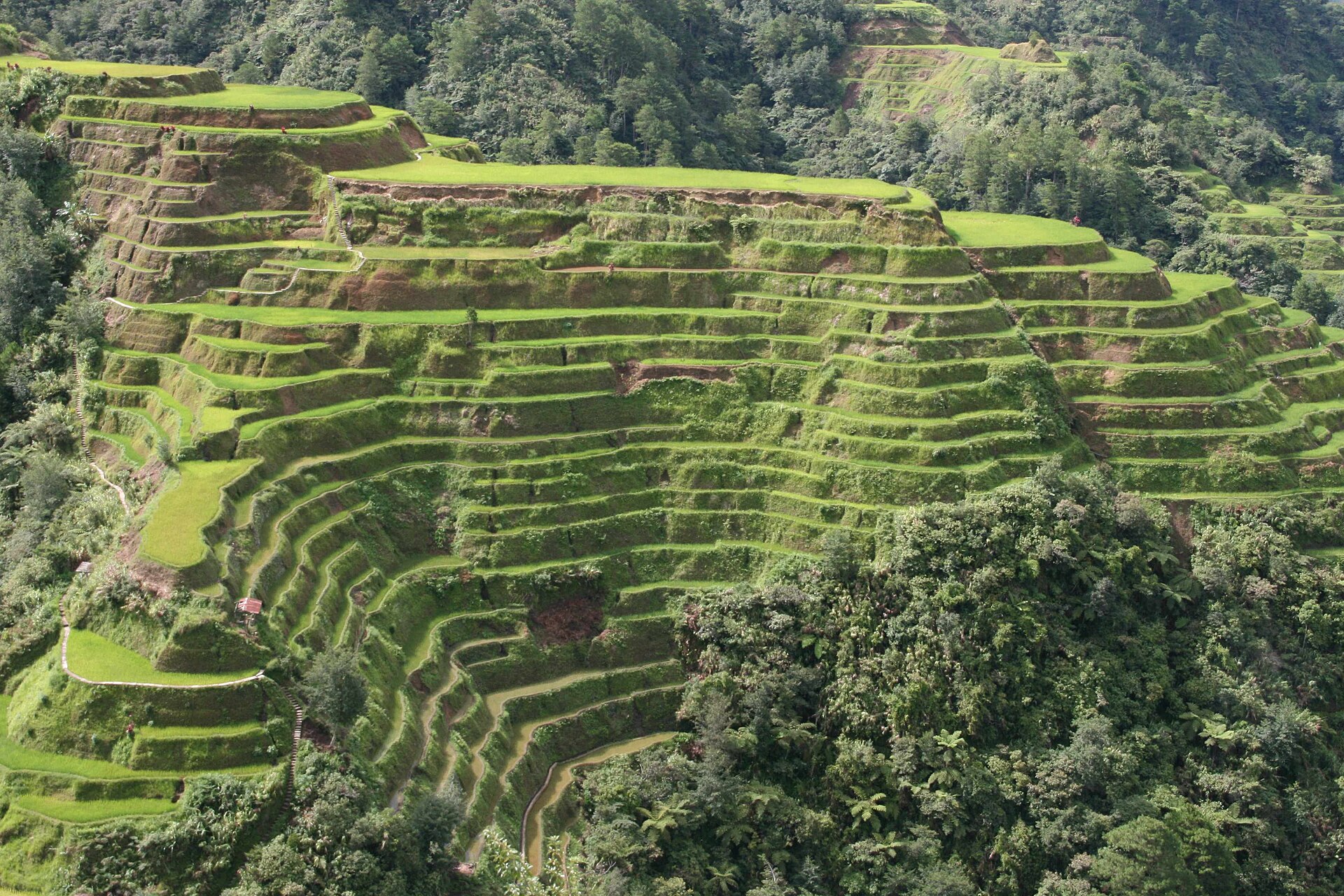
IDThe largest archipelago in the world — 17,000 islands from Sumatra to Papua, where volcanoes smoke above emerald rice terraces and the reefs below are the finest on the planet. Bali is only the tip of it: Yogyakarta and the temple of Borobudur, wild Komodo, the underwater paradise of Raja Ampat. Street food costs 20,000–35,000 IDR ($1–2), a villa with a pool goes for 900,000 IDR ($50), and the people are among the friendliest in Asia. A backpacker gets by on 450,000 IDR ($25) a day.
Where to go #
Bali
Bali is an island in Indonesia known for the rice terraces of Ubud, the beaches of Seminyak, the Uluwatu temple and its surfing.
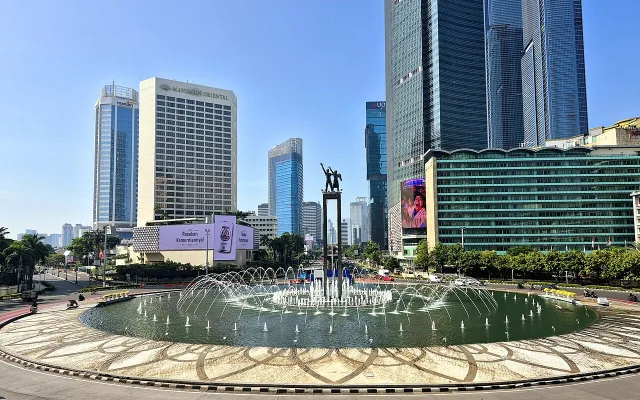
Jakarta
Jakarta is the capital of Indonesia, a huge metropolis with museums and traditional street eateries known as warungs.
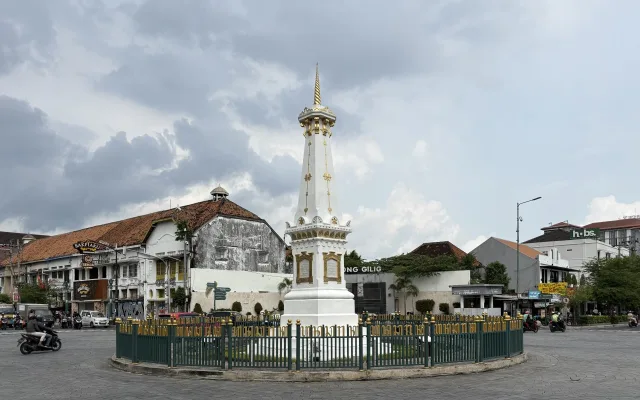
Yogyakarta
Java's cultural capital — Borobudur, Prambanan, the sultan's kraton, Taman Sari and the batik workshops.
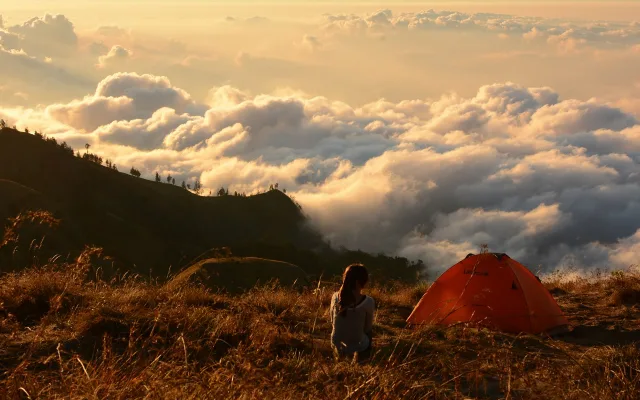
Lombok
Bali's quieter neighbour — Mount Rinjani, the Gili islands, the surf beaches of the south and Sasak villages.
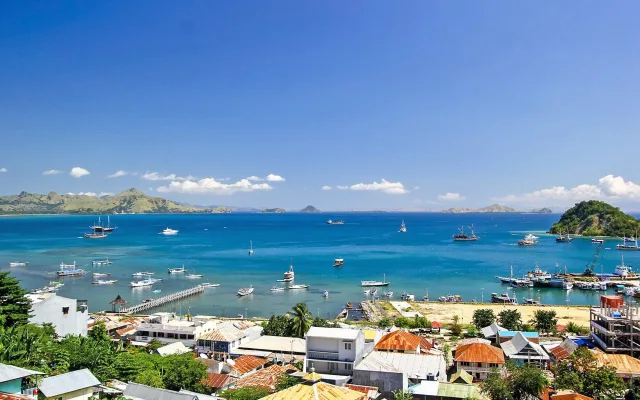
Labuan Bajo
The gateway to Komodo National Park — dragons on Rinca, the Padar viewpoint, Pink Beach and world-class diving.
What to see #
Borobudur: The great Buddhist complex, and the place to arrive right at opening. Sunrise here is often oversold because of the crowds, but the scale of the stone carving impresses absolutely everyone.
Prambanan: The Hindu counterpart sits close to Yogyakarta and astonishes with its sharp spires. Come in the afternoon to see the towers lit by the setting sun.
Mount Bromo: Worth the trip for genuinely alien landscapes and the chance to look into an active crater. To save money, walk across the sea of sand rather than paying for a jeep.
Ijen: Where you can see the sulphur lake and the workers with their baskets in a single day. The climb is hard, but the view over turquoise water in the crater justifies all of it.
Komodo: Not only enormous monitor lizards but pink beaches and the best snorkelling around. Decide your boat route in advance, since day tours cover all the top spots in the archipelago.
Kelimutu: On Flores, go to this volcano with its three coloured lakes. The water changes shade unpredictably, which gives the whole place a genuinely uncanny atmosphere.
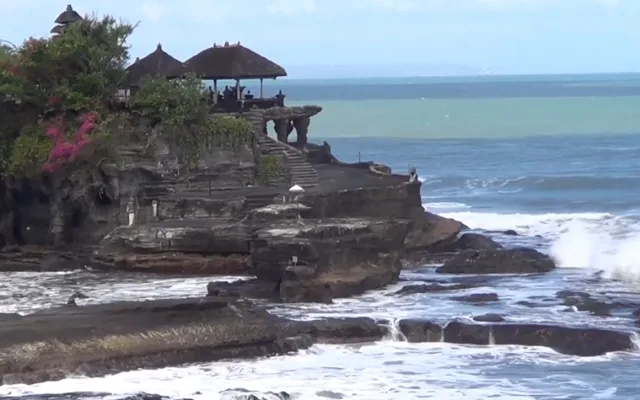
Tanah Lot: The photogenic clifftop temple in Bali, best seen at low tide. It is extremely popular, so be ready for dense ranks of visitors and vendors.
Prices #
Cash: In Indonesia cash rules, especially at warungs, markets and parking attendants. For exchange, bring new 50 and 100 dollar notes, since older series may be refused or changed at a reduced rate.
ATMs: Withdraw in large amounts at Mandiri or BCA bank branches to keep fees down. Ignore standalone street machines, where the skimming risk is genuinely high.
Cards: Visa and Mastercard work only in large malls, chain supermarkets and expensive hotels, and Amex barely at all. Everywhere else it is cash, so never assume you can pay by card at a beach warung or a temple gate.
Exchange scams: Always count the money yourself at the counter, and use licensed offices. Small booths lure you with a great rate then skilfully shortchange you as they hand the notes over.
| Item | Price (USD) |
|---|---|
| Meal at a warung | 1.5-3 |
| Luwak coffee | 3-5 |
| 0.6L Bintang beer | 2.5-4 |
| Scooter hire | 5-8 |
| Litre of petrol | 0.8 |
| Visa on arrival | 30 |
| Domestic flight | 40-80 |
| Borobudur ticket | 21 |
| Speedboat to the Gilis | 20-30 |
| Grab taxi, 5 km | 2-4 |
| Massage, one hour | 6-10 |
| 25 GB SIM card | 12-18 |
| Guesthouse night | 12-25 |
| Coconut on the beach | 1 |
Getting around #
Flights: Budget carriers Lion Air, Batik and AirAsia connect the islands, and tickets are cheaper booked ahead. Check baggage allowances carefully, because excess charges are steep.
Ride apps: Install Grab and Gojek, which are the answer to getting around cities by motorbike or car. Fares are fixed, and you can link a foreign card or pay the driver in cash.
Trains: Java's railways are a comfortable and scenic way to move between Jakarta, Yogyakarta and Surabaya. Book the top class, where the seats are good, the air conditioning works and it is clean.
Scooter hire: Hugely popular on Bali and Flores and it costs almost nothing. To ride legally you need an international licence with the motorcycle category plus a helmet, or the police will fine you heavily.
Boats: Pelni state ferries and private speedboats link the islands. On the Bali to Gili run the boats pitch badly in swell, so take something for seasickness before you board.
Bemos: Minibuses connect small villages but run without a timetable, leaving only when full. It is the most characterful and slowest transport there is, and you will be sitting very close to your neighbours.
Where to stay #
Guesthouses: Family-run losmen are the best choice on a budget, giving you a room with breakfast for about fifteen dollars. The owners usually live on site and will always help with a bike rental.
City hotels: Big centres like Jakarta have plenty of chain hotels. They deliver reliable wifi, air conditioning and hot water, which matters after long journeys through humid heat.
Something different: In Ubud and northern Bali you can find inexpensive bungalows overlooking jungle or rice fields. These often cost less than a hotel and give you total privacy.
Booking: Use the aggregators to search, but on arrival you can frequently negotiate a discount for paying cash. For long stays, look through local messaging groups instead.
What to expect: In cheap places on Java, instead of a shower you may find a mandi, a tank of water and a scoop. Do not be surprised by the absence of hot water either; in the tropics it is normal.
Where to base yourself: On Bali, choose Canggu for nightlife, Uluwatu for surfing and Nusa Dua for quiet beaches. On Flores, stay in Labuan Bajo near the port so you are not paying for transfers.
What to eat #
Street food: The foundation is the warung, cooking nasi goreng and mie goreng. It is simple, filling and costs a couple of dollars, and the best quality indicator is a solid queue of locals.
Meat: Sate are miniature skewers with peanut sauce, sold straight off street carts. On Bali you must try babi guling, spit-roast suckling pig, which is the island's signature dish.
Soups: Bakso is a broth with meatballs and noodles that Indonesians eat at any hour. Soto ayam is a spiced turmeric chicken soup and it is excellent for putting yourself back together.
Drinks: Never drink tap water and never buy homemade arak spirit, which is genuinely dangerous. Stick to bottled water from shops and fresh coconuts on the beach.
Fruit: Mangosteens, rambutans, salak and passion fruit cost almost nothing at markets. Do try durian, but remember it is strictly banned from hotels and transport because of the smell.
Spice: Indonesian food can be extremely hot thanks to sambal. If you do not enjoy chilli, always specify "tidak pedas", or lunch becomes a serious trial by fire.
Safety #
Traffic: Scooters are the main source of injury, since the rules are loosely observed. Never ride without experience and a helmet, and keep bags tucked in so they cannot be snatched by passing riders.
The ocean: Strong rip currents can pull even a confident swimmer out, particularly on Bali's southern beaches. Swim only where there are lifeguards and pay attention to the warning flags.
Theft: Petty stealing of phones and wallets from bike baskets is common in tourist areas. Temple monkeys are accomplished robbers too, lifting sunglasses, jewellery and food from your hands.
Nature: Indonesia sits in a seismically active zone and earthquakes do happen. At the first tremors move into open space and follow the official alerts.
Healthcare: Insurance is not a formality but a hard necessity, since private clinics are expensive. After any bike accident see a doctor immediately to avoid tropical infection.
Touts: Fake guides and "helpers" operate at ports, pushing services at inflated prices. Decline politely and go to the official ticket windows, or order a car through an app.
Etiquette and culture #
Etiquette: In Indonesia the head is considered sacred, so never touch anyone on the head. The left hand is unclean, so use only your right for money, objects and food.
Religion: Indonesia is a Muslim country, but Bali lives by Hindu custom. Respect prayer times and do not disrupt ceremonies, which frequently close roads entirely.
Dress: In temples shoulders and knees must be covered, and a sarong is usually provided at the entrance. In Muslim regions of Java, dress modestly and keep revealing clothes for the beach.
Nyepi: Once a year Bali observes a day of silence and the island stops for 24 hours. You cannot go outside, make noise or use lights, and even the airport closes, so plan your dates around it.
Photography: Indonesians are extremely friendly and will often ask to be photographed with you. Always ask before photographing people, especially during religious rites.
Offerings: Small leaf baskets sit all over Bali's pavements. Try not to step on them, because they are a daily part of how Balinese people communicate with the spirit world.
Connectivity #
SIM cards: Buy Telkomsel, which has the best coverage even on remote islands like Flores. Registration needs your passport and takes fifteen minutes at an official shop.
IMEI registration: If your phone will use a local SIM for more than 90 days, you must register its IMEI at the airport. Without it your service is cut off, and unlocking it in town costs more.
The easier route: An eSIM through an international service avoids the device registration problem altogether. Wifi in Bali cafés and hotels is usually fast and stable.
Messaging: WhatsApp is the main tool here, used for booking hotels, arranging guides and reaching drivers. A local number becomes your key to every useful service.
Apps: Download Traveloka for tickets, Grab for taxis and Google Maps for navigation. A translator helps in rural Java, where only a few younger people speak English.
Plugs: Indonesia uses European type C and F sockets, so continental chargers need no adapter while UK, US and Australian ones do. Voltage is the standard 230.
Phrasebook #
| English | Indonesian | Pronunciation |
|---|---|---|
| Good day | Selamat siang | se-LA-mat SEE-ang |
| Thank you | Terima kasih | te-REE-ma KA-see |
| You're welcome | Sama-sama | SA-ma SA-ma |
| Yes / No | Ya / Tidak | yah / TEE-dak |
| How much is it? | Berapa harganya? | be-RA-pa har-GA-nya |
| Expensive! | Mahal! | ma-HAL |
| Where is the toilet? | Di mana toilet? | dee MA-na toy-LET |
| Not spicy | Tidak pedas | TEE-dak pe-DAS |
| Delicious | Enak | e-NAK |
| Help! | Tolong! | TO-long |
| I don't understand | Saya tidak mengerti | SA-ya TEE-dak me-NGER-tee |
| Drinking water | Air minum | ah-EER MEE-noom |
| The bill, please | Minta bon | MIN-ta bon |
| Foreigner (slang) | Bule | BOO-leh |
| Awesome! (slang) | Mantap! | MAN-tap |
| Hang on (slang) | Bentar | ben-TAR |
| Sister / Brother | Kak / Bang | kak / bang |
| Goodbye | Sampai jumpa | SAM-pai JOOM-pa |
| Spicy | Pedas | pe-DAS |
| Left / Right | Kiri / Kanan | KEE-ree / KA-nan |
Good to know #
Consular help: Most countries keep an embassy in Jakarta, and many also run a consulate in Denpasar on Bali. Note the contacts before you travel in case you lose documents or hit an emergency.
Apps worth having: Traveloka is indispensable for buying train and plane tickets at local prices. MyTelkomsel lets you watch your balance and top up data quickly.
Multi-island routes: The 12Go site is useful for planning complicated journeys combining ferries and buses. Always double-check timetables, since weather changes them.
Health: Chain pharmacies exist in every town and sell basic medicines without prescription. For anything serious on Bali, go to the international clinics BIMC or Siloam.
Navigation: Google Maps knows almost every track, but keep an offline version for the jungle. Maps.me often shows walking trails to waterfalls and hidden viewpoints more accurately.
Calling home: Use messaging apps over wifi, since roaming charges are painful. Telkomsel gets signal even on the summits of several popular volcanoes.