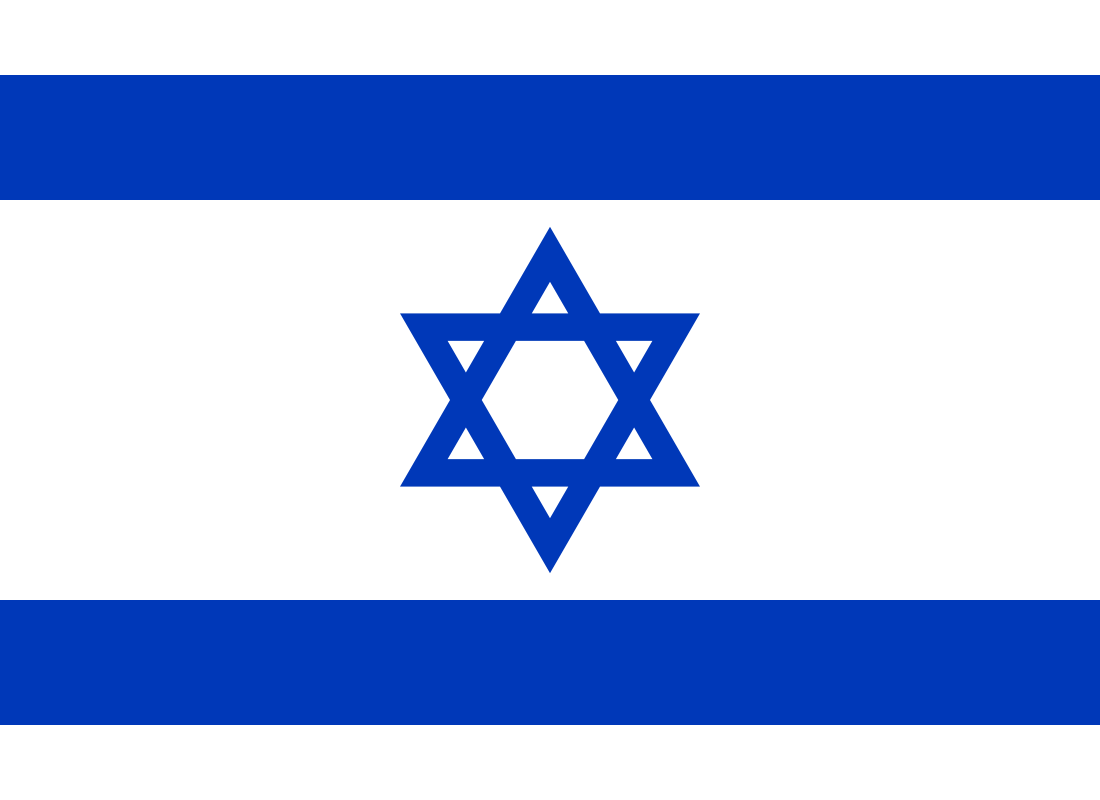
Israel
ILA country of three world religions where Europe, Asia and Africa meet — compact but extraordinarily dense. Jerusalem with the Temple Mount and the Western Wall, the Dead Sea 430 m below sea level, the Negev desert, the beaches of Tel Aviv and the kibbutzim of Galilee. Israel is high tech and deep antiquity, hummus and innovation, all charged with the energy of a small country with an outsized history.
Where to go #
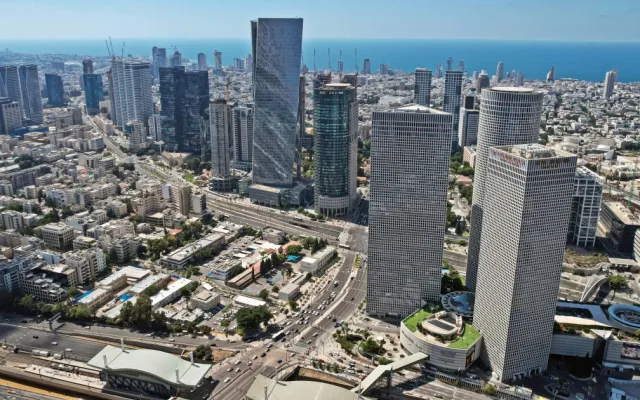
Tel Aviv
Tel Aviv is a Mediterranean metropolis known for its beaches, Bauhaus architecture and nightlife, with old Jaffa and the Carmel Market at its edges.
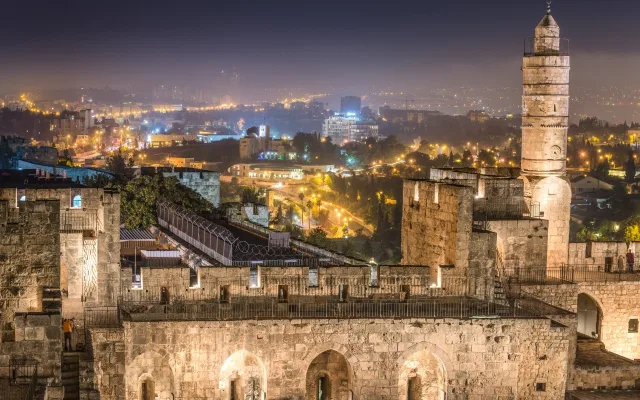
Jerusalem
Jerusalem is a holy city for three faiths: the walled Old City, the Western Wall, the Church of the Holy Sepulchre and the Dome of the Rock on the Temple Mount.
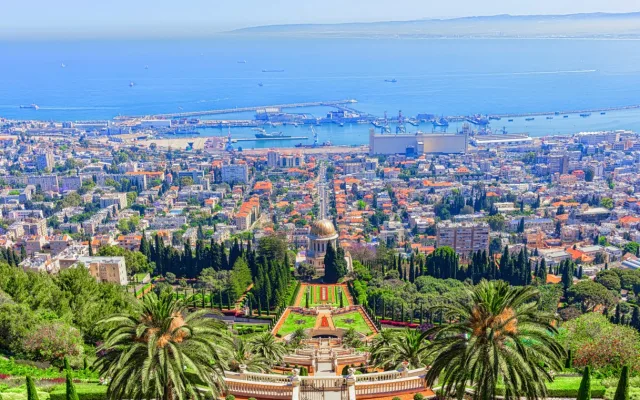
Haifa
Haifa is a port city on the slopes of Mount Carmel: the UNESCO-listed Bahai Gardens, the German Colony, the underground Carmelit funicular and a mixed Arab-Jewish daily life.
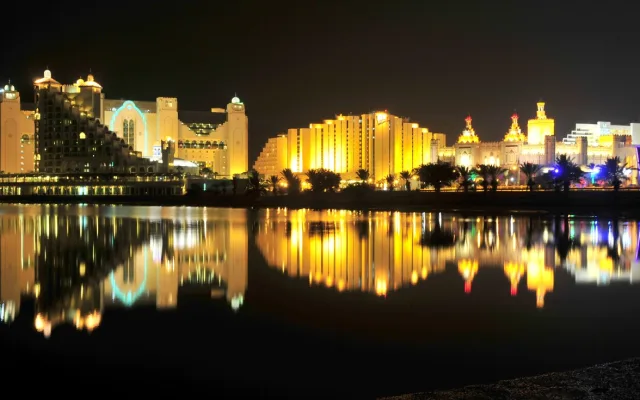
Eilat
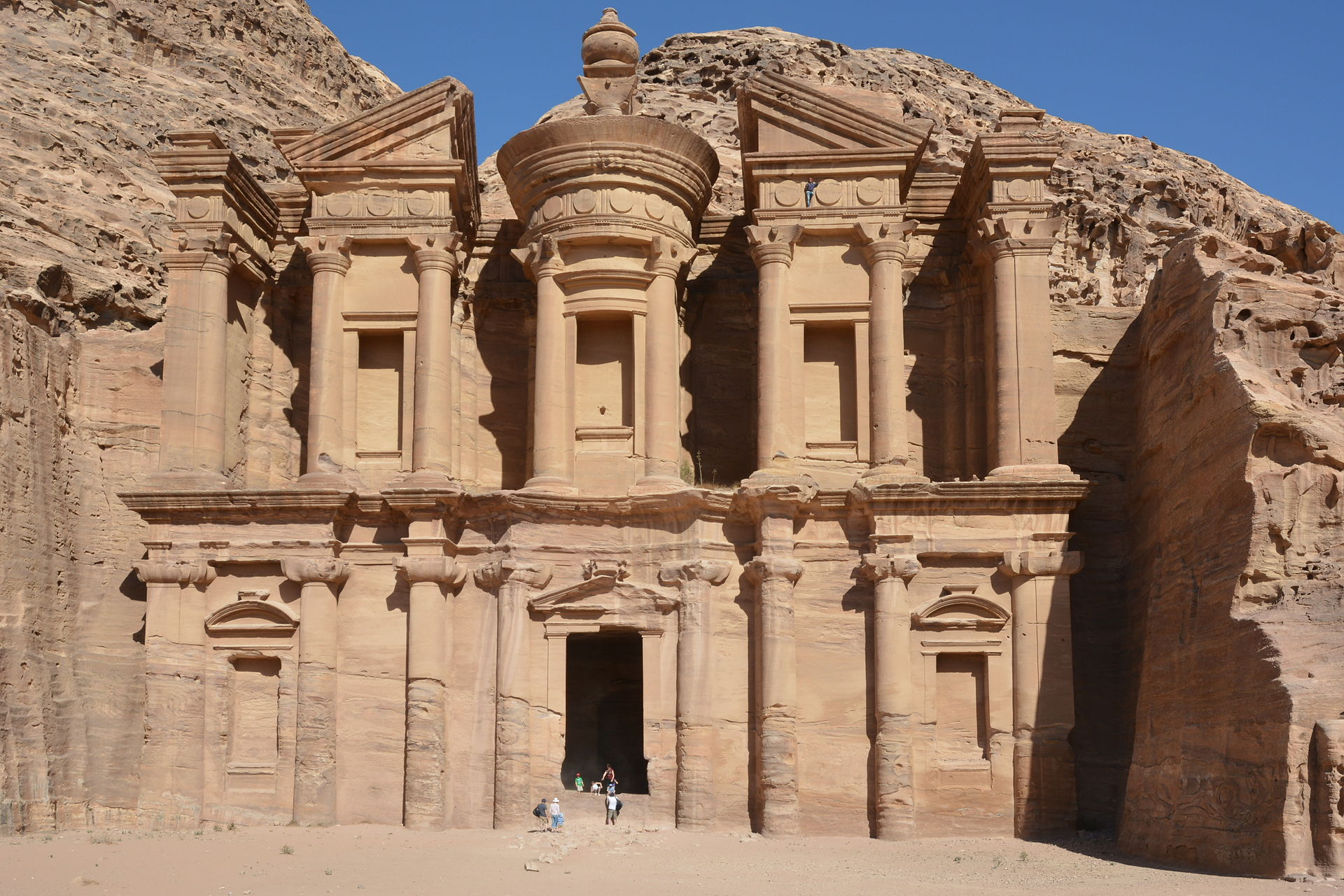
Israel's Red Sea resort — a coral reef right off the beach, year-round diving, Timna Park, and the border crossing to Petra.
What to see #
The Old City of Jerusalem: This is where you go for the Western Wall and the Church of the Holy Sepulchre. It is a tight labyrinth across four quarters where history is literally underfoot, and entry to most of the holy sites costs nothing.
The Dead Sea: Head for Ein Bokek beach, where the saltiest water on earth lets you lie on the surface without moving. It is an open-air spa at the lowest point on the planet.
Masada: The ancient clifftop citadel is a symbol of defiance and the classic move is to be up there for sunrise. The Snake Path takes about an hour on foot, or you can save your legs and take the modern cable car.
The Bahai Gardens: In Haifa, see the nineteen terraces stepping down towards the sea. It is one of the most photogenic spots in the country and free to visit, though walking the inner gardens requires booking ahead.
Yad Vashem: The Holocaust memorial and museum in Jerusalem leaves a mark on everyone who goes. It is not an exhibition so much as an architectural and emotional argument, and admission is free for all.
The markets: To get the real taste of Israel, spend a day at Carmel Market in Tel Aviv. The street food is the best in the city, the fruit is fresh and the noise is exactly what people come looking for.
Prices #
Currency: The country runs on new Israeli shekels, trading at roughly 3.1 to the US dollar in 2026. Prices in shops and cafes are steep and Israel sits consistently among the world's most expensive countries.
Cards: Visa and Mastercard are accepted almost everywhere, including small food stalls, and contactless is standard. Amex is patchier outside hotels and larger restaurants, so do not rely on it as your only card.
Exchange: Change money at licensed city bureaux with a Change sign, where the rate always beats Ben Gurion airport. US dollars and euros both convert well; other currencies get a worse deal.
Tipping: Ten to fifteen percent is expected in restaurants, since it forms the bulk of the waiting staff's income. Leaving less is understood as an explicit complaint rather than an oversight.
Withdrawing cash: Bank ATMs are widespread and reliable; travel cards from Wise or Revolut work fine and spare you the double conversion. Keep a little cash for markets and for the smallest hummus places.
| Item | Price (USD) |
|---|---|
| Falafel in pita | 6 |
| Shawarma in laffa | 11 |
| Hummus with pita | 8 |
| Shakshuka breakfast | 12 |
| Cafe lunch special | 24 |
| Dinner for two | 75 |
| Beer in a bar | 9 |
| Cappuccino | 4 |
| Hostel bed for a night | 45 |
| Three-star double room | 140 |
| Bus or tram ticket | 2 |
| Airport train to the city | 7 |
| Taxi across town | 15 |
| Compact car hire per day | 50 |
| Litre of 95 petrol | 2 |
Getting around #
Rav-Kav card: This smart card is the key to moving around; without it you cannot pay for buses or trams at all. Buy an anonymous one at the airport or at any station and top it up through the mobile app.
Trains: The rail network links the airport with Tel Aviv and Jerusalem, and the carriages are clean and fast. The Jerusalem line is a feat of engineering that gets you to the capital in 25 minutes, bypassing every jam on the highway.
Buses: Coverage reaches the whole country, but you will want Moovit to navigate it. Drivers no longer take cash, so your Rav-Kav balance has to be topped up before you get on.
Shabbat: From Friday evening to Saturday evening state transport stops completely. The only way to move is a shared sherut minibus or a taxi, both at a higher weekend rate.
Taxis: Order through Gett or Yango so the price is agreed up front. If you flag one down, insist the meter goes on, or a few kilometres can cost you the price of a restaurant dinner.
Car hire: A car is worth it only for the Dead Sea or trips up north. In Tel Aviv it becomes a liability, with no parking anywhere and eye-watering fines for getting it wrong.
Getting in: Ben Gurion near Tel Aviv handles almost all arrivals, with dense links to European capitals and direct routes from North America. Ramon airport in the far south occasionally has cheap seasonal charters for the Eilat beaches.
Where to stay #
Prices: Accommodation is expensive, and even a modest room in Tel Aviv can run to 100 dollars a night. Book hotels and apartments a couple of months out, particularly if your dates fall over a religious holiday.
Hostels: Abraham Hostels is the strongest chain for solo travellers, with shared kitchens, good common areas and a real social scene. They also run their own tours, often cheaper and better than the standard operators.
Apartments: A flat booked through Airbnb usually beats a hotel because you get a kitchen. Shopping in supermarkets and markets rather than eating out every night cuts the trip cost dramatically.
Kibbutz guesthouses: For a look at a different side of the country, stay at a guesthouse attached to an agricultural community. It is quiet, rural, and a traditional farm breakfast is often included.
Location: In Jerusalem, base yourself in the western part of the city or near Jaffa Street to stay close to transport. In Tel Aviv, look a few blocks back from the beachfront, where prices drop and the promenade noise does not reach.
Check the details: Make sure the listing mentions air conditioning, which in an Israeli summer is a survival issue. Note too that many older buildings have no lift and you will be hauling luggage up narrow stairs.
What to eat #
The basics: Hummus is made everywhere, but the best comes from the small hummusiyot in the markets, served warm with whole chickpeas and olive oil. Falafel in a pita is the cheapest and most democratic way to eat on the move.
Breakfast: Shakshuka, eggs poached in a spiced tomato and pepper sauce, arrives with a pile of fresh bread. It has become a cult dish, and it is worth seeking out a specialist place rather than settling for the hotel buffet version.
Street food: Try sabich, an Iraqi-Jewish sandwich of fried aubergine, egg and amba mango sauce. The combination sounds wrong and tastes brilliant, and plenty of locals rate it above shawarma.
Kosher rules: Most places observe kashrut and will not serve meat and dairy together. Many cafes close for Shabbat, so plan your meals or head for Arab-owned restaurants, which stay open.
Markets: Mahane Yehuda in Jerusalem and Carmel in Tel Aviv are the gastronomic centre of gravity. Buy fresh halva, dates and rugelach, and eat street food cooked in front of you from stock bought two stalls away.
Drinks: Order limonana, iced lemonade blended with a huge quantity of fresh mint. Local wine from the Golan Heights or the Negev is not cheap, but it has long since caught up with good European bottles.
Safety #
The general picture: Israel lives in a state of permanent readiness, so armed personnel and bag checks at mall entrances are ordinary. The security is there for your protection and is handled professionally.
Sirens and shelters: If you hear a siren, you have between 15 and 90 seconds to reach cover. Modern flats have a reinforced room called a mamad; in older districts look for Miklat signs or step into a stairwell.
Photography: Never photograph military bases, soldiers on duty, airports or power stations. A selfie in front of a razor-wire fence can turn into a long conversation with the police.
Petty crime: Serious street crime is rare and the cities are comfortable to walk at night. The main irritations are drivers quoting a flat fare instead of using the meter, and pickpockets in the busiest markets.
The Dead Sea: Do not dive in and keep the water out of your eyes. If it gets in, rinse immediately with fresh water, because the burn will otherwise ruin the rest of your day.
Where not to wander: Do not walk deep into ultra-Orthodox neighbourhoods in revealing clothing, and stay out of villages beyond the tourist areas and away from border fences. Check your own government's travel advisory before you finalise a route, as the picture changes region by region.
Etiquette and culture #
Shabbat: From Friday midday the country slows down, with shops and transport shutting until Saturday evening. In religious districts, do not smoke in the street or play music loudly during those hours.
How people talk: Israelis are extremely direct and skip the softening phrases that Anglophone visitors expect, which reads as rudeness at first. The trait is called chutzpah, and behind it sits genuine warmth and a readiness to help.
Dress at holy sites: Shoulders and knees must be covered at the Western Wall and in churches. Men need a kippah, available free at the entrance, and women in Orthodox districts should avoid trousers and low necklines.
The army in daily life: Soldiers carrying rifles in cafes and on buses are part of the ordinary scenery. Conscription is near-universal, so the attitude towards them is respectful and almost familial.
Haggling: In the eastern-style bazaars, bargaining is a form of conversation as much as a way to cut the price. Never accept the first number, unless you are in a supermarket where prices are fixed.
Language: Hebrew and Arabic are the languages of the street, but English is spoken widely and confidently, especially in Tel Aviv and in anything tourist-facing. Menus and signage in English are the norm rather than the exception.
Connectivity #
SIM cards: Buying at the airport is expensive; get into the city and walk into a Partner or Cellcom shop instead. A generous monthly data package costs about 15 to 20 dollars and 5G coverage is close to universal.
eSIM: By 2026 eSIMs are the default for visitors, letting you connect through Airalo or Yesim before you have even boarded. It saves hunting for a shop and swapping physical cards in your phone.
Wi-Fi: Free wireless is available at every railway station, on buses and in most cafes. For navigating the tangle of Jerusalem's alleys or calling a cab, though, you want your own data.
English: Almost everyone speaks English to a usable level, and younger Israelis speak it fluently. In a pharmacy, hospital or electronics shop you will always find someone who can sort your problem out.
Apps to install: Moovit for buses, Gett for taxis. The Home Front Command app is worth having too, since it pushes real-time safety alerts based on where you actually are.
Local groups: Facebook and Telegram host active expat and traveller communities for every city. They are the fastest source for which cafes are open on a holiday or whether the train timetable has changed.
Phrasebook #
| English | Hebrew | Pronunciation |
|---|---|---|
| Hello / peace | שלום | sha-LOM |
| Thank you | תודה | to-DA |
| Thank you very much | תודה רבה | to-DA ra-BA |
| Please | בבקשה | be-va-ka-SHA |
| Sorry | סליחה | sli-KHA |
| Yes | כן | ken |
| No | לא | lo |
| How are you? | מה נשמע? | ma nish-MA |
| Good | טוב | tov |
| Great (slang) | אחלה | AKH-la |
| Come on, let's go (slang) | יאללה | YAL-la |
| How much is it? | כמה זה עולה? | KA-ma ze o-LE |
| Expensive | יקר | ya-KAR |
| The bill, please | חשבון בבקשה | khesh-BON be-va-ka-SHA |
| Where is...? | ?...איפה | EY-fo |
| Water | מים | MA-yim |
| Delicious | טעים | ta-IM |
| See you | להתראות | le-hit-ra-OT |
| Good luck | בהצלחה | be-hats-la-KHA |
| Mate, bro (slang) | אחי | a-KHI |
| Nonsense (slang) | שטויות | shtu-YOT |
| No problem | אין בעיה | eyn be-a-YA |
Good to know #
Health cover: The standard of medicine is world class, but a bill for an uninsured visitor runs into thousands of dollars fast. Arrange a policy with a high limit before you fly, because even something minor is costly here.
Electricity: Sockets are type C and type H with three round pins. European two-pin plugs fit without trouble; anything from the UK or North America needs an adapter.
Drinking water: Tap water is thoroughly treated and safe to drink. Cities have plenty of public fountains for refilling a bottle, which matters when summer afternoons hit forty degrees.
Sun: The Israeli sun is deceptive and will burn you on an overcast day. Wear a hat and sunglasses and use SPF 50 if you plan to be outside for more than ten minutes in the middle of the day.
Tax back: Spend 400 shekels or more in one shop and ask for a VAT Refund form. At Ben Gurion you can reclaim 17 percent in cash or to a card, but only if the goods are still sealed and you present them.
Entry paperwork: Israel issues a paper entry slip rather than stamping passports, so keep the blue card safe for the whole trip. Hotels sometimes ask for it, and it is your proof of legal status.