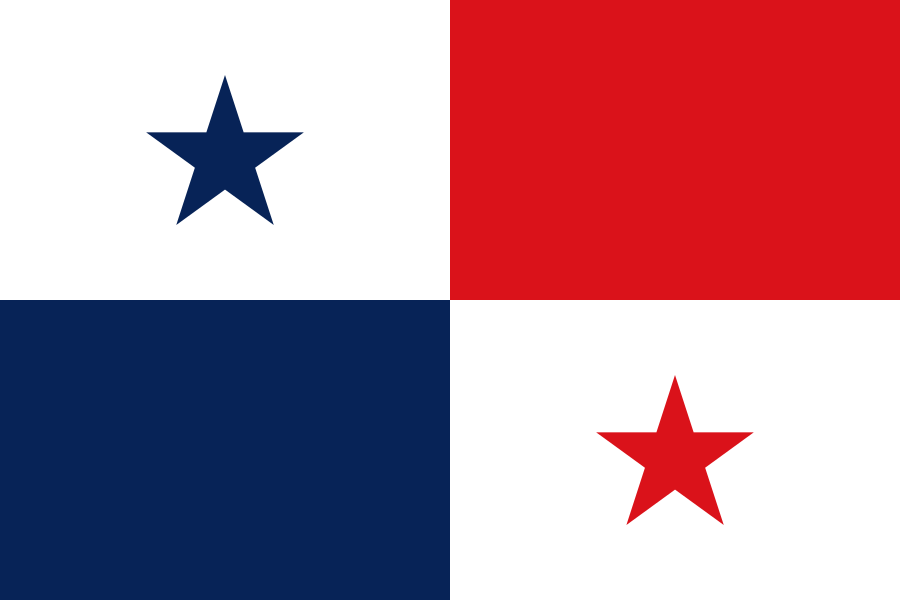
Panama
PAA bridge between two Americas and two oceans, famous for the Panama Canal, one of the greatest engineering works in history. Panama is a country of contrasts: the towers of the capital next to the jungle of the Darién, the Caribbean islands of San Blas next to Pacific beaches, mountain Boquete next to tropical lowland. The currency is the US dollar, which is convenient for travellers. Small, but extraordinarily varied.
Where to go #
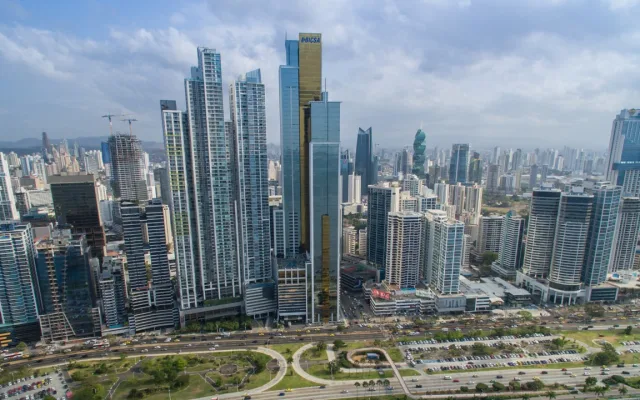
Panama City
Contrast squared: the downtown skyscrapers facing the Spanish ruins of Panama Viejo, the Miraflores locks on the canal, and the Darien jungle next door.
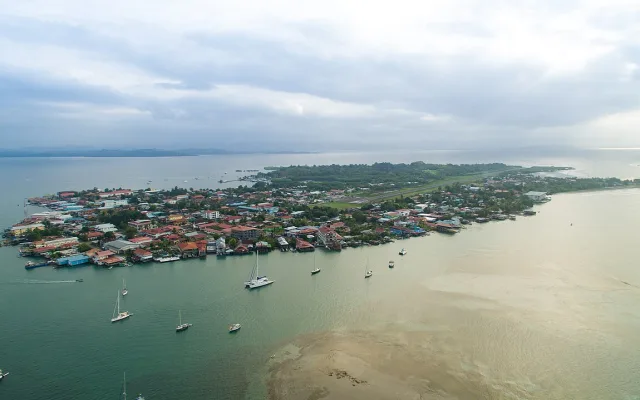
Bocas del Toro
Caribbean archipelago with Star Beach and Red Frog Beach — snorkelling, surfing and a laid-back island vibe.
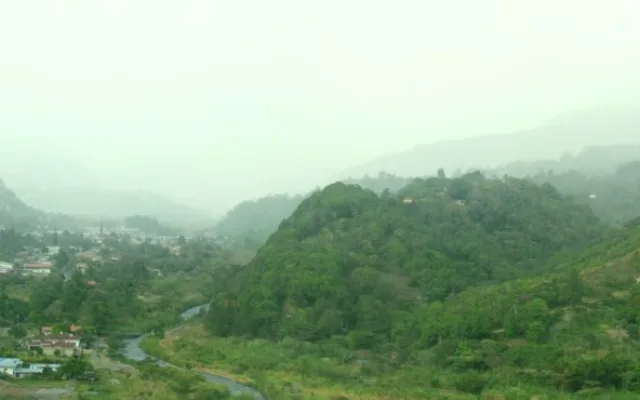
Boquete
A mountain village in Chiriquí province — coffee plantations, trekking, and a comfortable climate year-round.
What to see #
Miraflores locks: the place to see the Panama Canal working, with vast ships easing through the chambers. From the museum viewing deck you follow every manoeuvre of container ships crossing from one ocean to the other. Come in the morning, when traffic through the locks peaks.
Casco Viejo: the colonial quarter, worth a trip for its churches and rooftop restaurants. It comes alive in the evening, and by day you can spend hours among restored buildings under UNESCO protection. It is also the most photogenic corner of the capital, with the modern skyline behind it.
San Blas archipelago: hard to do justice to in a day, so take a tour with an overnight stay in a Guna community. These are hundreds of tiny Caribbean islands with no internet and impossibly clear water. If you want a genuine digital detox, this is where to go.
Coiba island: a former maximum-security prison turned into the best diving in the region. In the clear water of the national park you have a real chance of whale sharks, turtles and dolphins. Get there by boat from Santa Catalina, leaving early.
Volcán Barú: the overnight climb to the country's highest point is hard work rewarded by a view of both oceans at once. The trail from Boquete is steep and stony, but sunrise above the cloud justifies every step. You can also hire a 4x4 to get you up in time for first light.
Soberanía National Park: half an hour from the skyscrapers there is genuine jungle with monkeys and sloths in it. You can walk Pipeline Road unaccompanied, watching hundreds of tropical bird species in near silence. Ideal if you have a spare day in the city.
Prices #
The currency paradox: two currencies are legal tender, but every banknote is a US dollar. The local balboa exists only as coins, identical in value and size to American cents, which makes arithmetic effortless.
Cards: Visa and Mastercard are accepted almost everywhere in the capital and larger towns, including supermarkets and hotels, while Amex is patchier. ATMs charge a fixed fee of around five dollars per withdrawal regardless of the amount, so take out more, less often.
Cash on the islands: heading to San Blas or the remoter Pacific beaches, carry small-denomination notes. There are no cash machines out there, and no card payment even at the most expensive cabin on the island.
Tipping and service: around ten percent in restaurants is standard, and it often already appears as a separate line on the bill. Taxi drivers do not expect extra; rounding up to the nearest dollar is enough.
Getting dollars: since the country runs on US currency, there is no exchange step at all for American travellers, and everyone else simply withdraws dollars from an ATM or brings them. A Wise or Revolut card avoids the double conversion your home bank would otherwise apply.
| Item | Price (USD) |
|---|---|
| Lunch at a local fonda | 6.00 |
| Dinner for two in Casco Viejo | 50.00 |
| Cup of Geisha coffee in Boquete | 8.00 |
| 1.5L bottled water | 0.90 |
| Beer from a supermarket | 1.00 |
| Panama City metro fare | 0.35 |
| Uber across the centre | 5.50 |
| Bus from the capital to Boquete | 18.00 |
| Day tour to San Blas | 130.00 |
| Miraflores canal museum entry | 15.00 |
| Dorm bed in a good hostel | 16.00 |
| Night in a budget guesthouse | 40.00 |
| Water taxi in Bocas del Toro | 5.00 |
| Local SIM with data | 8.00 |
| Kilo of mangoes at the market | 1.50 |
Getting around #
Getting in: Tocumen airport is the biggest hub in Central America, with Copa connecting almost everywhere in the Americas. There are nonstop flights from Madrid and Amsterdam in Europe and from Miami, Houston, New York and Los Angeles in North America, which makes Panama one of the easier countries in the region to reach.
In the capital: there is a modern, clean metro and a bus network, both using a single rechargeable card. It is the cheapest way to move and it bypasses the traffic, but you have to buy and top up the card at a terminal first.
Taxis and apps: Uber works well in Panama City and costs little, which spares you the negotiation. Street taxis routinely quote inflated fares to foreigners and do not use meters, so agree the price before getting in.
Intercity buses: the enormous Albrook terminal in the capital sends buses to every corner of the country. Popular routes such as David or Boquete run frequently and tickets are sold at the counter on the day.
Domestic flights: if time is tight, Air Panama flies small aircraft to Bocas del Toro and David. They leave from Albrook airport inside the city, which is far quicker than any of the overland alternatives.
Car hire: book through the large international agencies rather than a private arrangement. For the mountains or the remoter beaches, take a proper high-clearance 4x4 from the start.
Boats: on the archipelagos, motorboats are how you get around. In Bocas del Toro the water taxis run constantly between islands, with fixed fares depending only on how far you are going.
Where to stay #
In the capital: stay in Casco Viejo for the atmosphere or El Cangrejo for the metro access. Both have plenty of small guesthouses in old colonial buildings restored for travellers rather than gutted.
Over the water: in Bocas del Toro the wooden lodges built on stilts let you swim straight off your own terrace. It is a genuinely unusual experience, but boat engines and slapping water are your soundtrack all night.
In the mountains: Boquete is dominated by comfortable family-run pensions surrounded by coffee trees. Nights up there get cool, so check there are warm blankets or a heater before you book.
San Blas minimalism: on the Guna islands the accommodation is a bamboo hut with a sand floor and no electricity. You are paying not for comfort but for waking up on a tiny island in the middle of the Caribbean.
Booking: the usual platforms work everywhere except indigenous territory. For the Guna islands you book through messaging apps directly, or the room comes bundled into an organised 4x4 transfer from the capital.
Practicalities: the cheapest places do not always have hot water, since in this climate it is considered a luxury. Air conditioning on the coast, on the other hand, is essential unless you enjoy fighting humidity all night.
What to eat #
Sancocho: the foundation of the local diet, a golden broth with big pieces of chicken, yuca and corn. It comes with a plate of white rice and it is the right thing to eat when you need to recover cheaply after a long day.
Ceviche: the Mercado de Mariscos in the capital is compulsory. A large cup of fish cured in lime juice costs almost nothing and comes from that morning's catch, which you can watch being unloaded.
Street snacks: go carefully with carimañolas, deep-fried cassava fritters, if your stomach is not used to that much oil. They are excellent but heavy, as are patacones, green plantain rounds fried twice.
Ropa vieja: literally "old clothes", this is beef stewed until it falls into threads. It is cooked slowly with tomato and pepper and served with the inevitable rice and dark beans.
Coffee: Panama grows Geisha, among the most expensive and decorated coffee varieties on earth. In Boquete's cafés you can drink it prepared properly, with the floral notes the auction prices are paid for.
Fruit: the markets overflow with ripe papaya, pineapple and passion fruit at very low prices. Order the fresh juices, but ask for them without sugar, because Panamanians make them sweeter than most visitors expect.
Safety #
Districts to avoid: stay out of El Chorrillo and Curundú in the capital, even in daylight. They sit close to the tourist centre, but street crime there is consistently high and foreigners stand out.
Outdoors: register with the rangers at the park entrance before any jungle hike or volcano climb. Mountain weather changes in minutes and thick tropical fog disorients even experienced walkers.
The Colombian border: the Darién is impassable jungle worked by smugglers and people traffickers. Independent travel there is illegal and lethal, so stay on established routes without exception.
Currents: Pacific beaches have rip currents that are not visible from the sand. If there is no lifeguard or you are unsure, do not swim out, particularly around Santa Catalina.
Theft: in crowded places and on the beaches of Bocas del Toro, keep an eye on small valuables. Do not leave a backpack unattended on the sand while you swim, since opportunistic theft is the most common complaint here.
Health: tap water is drinkable in the big cities, but stick to bottled on the islands. Keep strong sunscreen and insect repellent permanently in the daypack, and check your own government's travel advisory before heading anywhere remote.
Etiquette and culture #
Carnival: the Panamanian carnival is four days of water-throwing and dancing in punishing heat. If your trip falls in February, expect towns to shut down and every room to cost several times the normal price.
Guna heritage: Guna women still make molas, intricately hand-stitched panels sewn into their clothing. Buying one directly from the maker in San Blas is the best and fairest way to support the community.
The pollera: the national dress is among the most expensive folk costumes in the world, thanks to the hand embroidery and fine lace. You see them at festivals and at the parades in the rural province of Los Santos.
Autonomous rules: indigenous territories have their own laws, and visitors are expected to follow them without argument. On some islands, drones are banned and photographing people requires consent and a small payment.
Time: Latin American looseness rules here, and a bus can leave late for no reason anyone will explain. Getting worked up changes nothing, so adopt the local pace and use the waiting.
Religion: most Panamanians are practising Catholics and Sunday mass in the Casco Viejo cathedrals matters to them. Dress modestly when entering churches rather than wandering in from the beach.
Connectivity #
Operators: +Movil has the widest coverage across the country and suits visitors best. You can buy a SIM at the airport, but data bundles cost several times less in a shop in town.
eSIM: the fastest way to be online on arrival is installing an eSIM before you fly. Five or ten gigabyte plans are cheap and remove any need to queue at a counter.
Island isolation: in San Blas there is effectively no mobile signal because of the distance from the mainland. There is no wifi in the huts either, so tell people at home you will be offline.
Public wifi: Panama City has free connections in many parks and at some metro stations. Cafés hand out the password without fuss, though speeds sag in the evening when everyone is on.
Apps: download detailed offline maps, since navigation in the hills around Boquete or the back streets of David will otherwise fail you. Uber is close to indispensable in the capital, letting you pay by card rather than hunting for small notes.
Language: in tourist areas younger Panamanians speak decent English, but away from them you will need basic Spanish. Install an offline translator before you go so you can manage in a shop or at a bus stop.
Phrasebook #
| English | Spanish | Pronunciation |
|---|---|---|
| Hello | Hola | OH-lah |
| How's it going? | ¿Qué tal? | keh tahl |
| Thank you | Gracias | GRAH-syas |
| Please | Por favor | por fah-VOR |
| How much is it? | ¿Cuánto cuesta? | KWAN-toh KWES-tah |
| The bill, please | La cuenta, por favor | lah KWEN-tah por fah-VOR |
| Too expensive | Muy caro | mwee KAH-roh |
| Where is the toilet? | ¿Dónde está el baño? | DON-deh es-TAH el BAH-nyoh |
| Help! | ¡Ayuda! | ah-YOO-dah |
| Left / right | Izquierda / derecha | ees-KYER-dah / deh-REH-chah |
| Beer | Cerveza | ser-VEH-sah |
| Water | Agua | AH-gwah |
| Tasty | Rico | REE-koh |
| What's up! (slang) | ¡Qué xopá! | keh soh-PAH |
| Mate, buddy (slang) | Pasiero | pah-SYEH-roh |
| Money (slang) | Plata | PLAH-tah |
| Car | Carro | KAH-rroh |
| Foreigner (slang) | Gringo | GREEN-goh |
| Hang on (slang) | Aguanta | ah-GWAN-tah |
| All good | Todo bien | TOH-doh byen |
| I don't understand | No entiendo | noh en-TYEN-doh |
| Do you speak English? | ¿Habla inglés? | AH-blah een-GLES |
Good to know #
Consular help: most countries maintain an embassy or consulate in Panama City, many of them in the Obarrio and Marbella business districts. Look up the address and number for your own nationality before you travel, because a lost passport is the moment you will need it.
Getting help: dial 911 anywhere in the country for police or an ambulance. Medical care in the capital is genuinely good, but outside the big cities expect basic first aid and nothing more.
Power: Panama uses American-style flat-pin sockets at 110 volts. Buy an adapter beforehand or pick one up for a couple of dollars in any hardware shop in the capital.
Seasons: plan for December to April, the dry season. Outside those months tropical downpours wash out mountain roads and make boat trips to the further islands unpleasant or unsafe.
The fish market: for the cheapest and freshest ceviche in the capital, go to the Mercado de Mariscos. It runs from early morning to evening and there is always a free plastic table among the fishermen.
Metro card: buy the transit card at any large metro station or at Tocumen airport. One card can be used by a whole group, tapping through the barrier one after another, which is convenient for friends travelling together.