

Tanzania
The country of Kilimanjaro, the Serengeti and Zanzibar — the three great magnets of East Africa. Tanzania offers the best safari on the continent: the wildebeest migration across the Serengeti, the Ngorongoro crater with its extraordinary concentration of animals, and afterwards the white beaches, spices and turquoise water of Zanzibar. Climbing Kilimanjaro (5,895 m) is on trekkers' lists worldwide. It is not a budget destination, given park fees and safari costs, but the experience is worth every dollar.
Where to go
#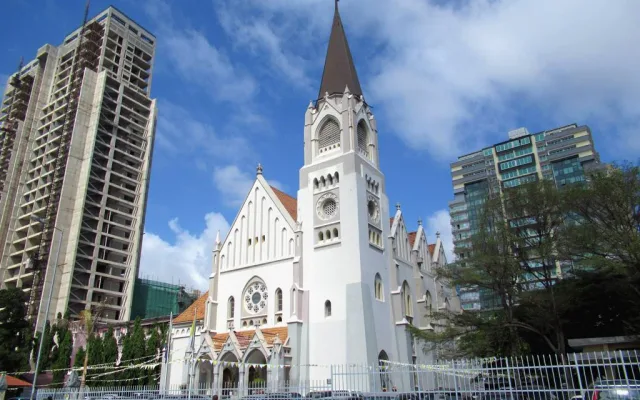
Dar es Salaam
Tanzania's largest city on the Indian Ocean — the National Museum, the Msasani waterfront and boat trips to the islands.
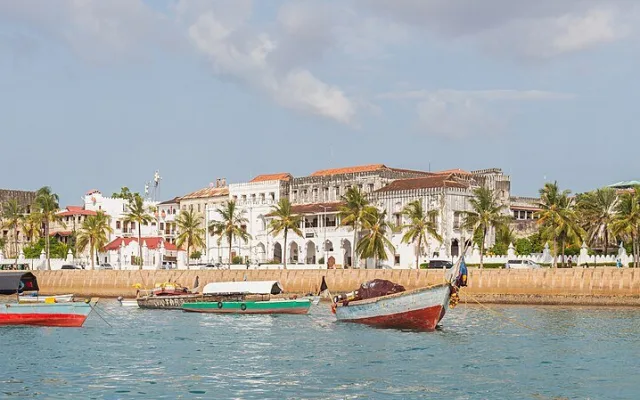
Zanzibar
The spice island in the Indian Ocean — UNESCO-listed Stone Town, the white sands of Nungwi and Kendwa, and diving.
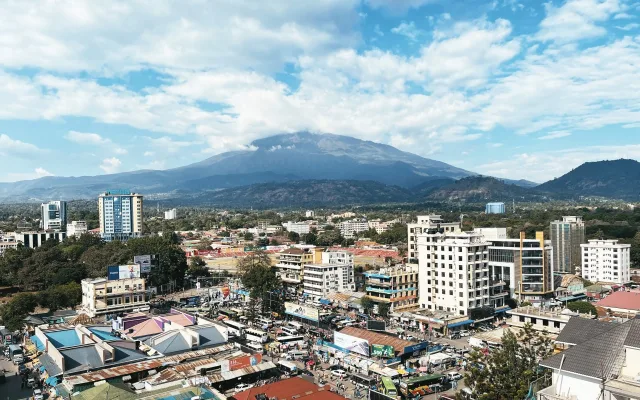
Arusha
The gateway to the Serengeti and Ngorongoro — the safari organising centre, Mount Meru and coffee plantations.
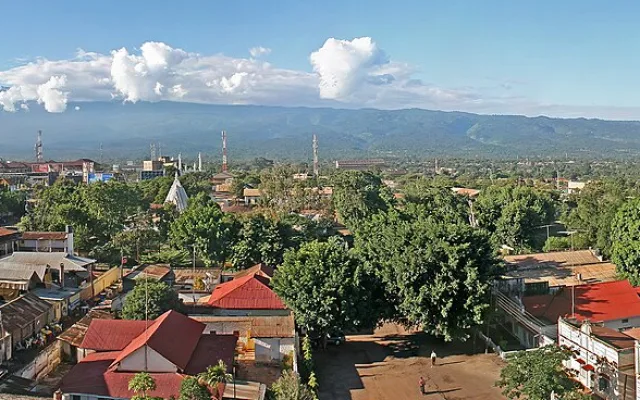
Moshi
The base for climbing Kilimanjaro — at the foot of Africa's highest mountain, with the snow summit in view.
What to see
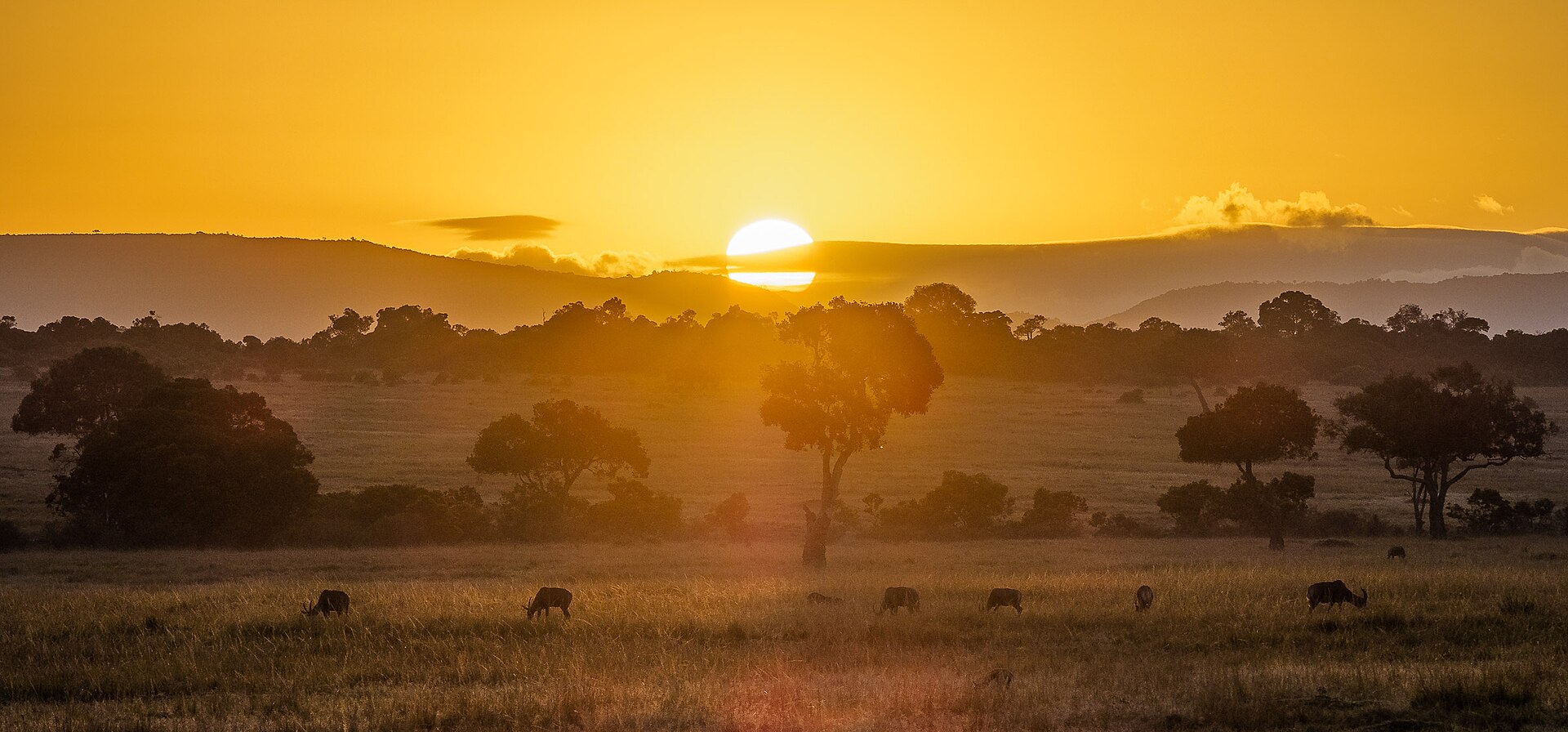
#National parks: The endless plains of the Serengeti are what to see first, above all for the Great Migration. Entry runs 82 dollars a day and you want at least three days in the field. Enormous herds of wildebeest and zebra are everywhere, especially in the south early in the year.
Ngorongoro Crater: Worth a trip to see black rhino and lion inside a natural bowl. Taking a vehicle down costs 300 dollars, so find people in Arusha to share it with. Nowhere else has this density of animals per square kilometre.
Kilimanjaro: Climbing the roof of Africa is a lifetime ambition for many, but it is expensive and takes a week minimum. Choose the Machame route for better acclimatisation if you are set on Uhuru Peak. You will not be allowed onto the mountain without an official guide and support team.
Beaches: On Zanzibar, Nungwi and Kendwa are the places to go if you do not want your swimming dictated by the tide. White sand and turquoise water look exactly like the brochure. The infrastructure is the best on the island, and so are the crowds.
Tarangire: Frequently overlooked, which is a mistake given the concentration of elephants among the giant baobabs. You can do it in a day if you leave Arusha at dawn in a hired 4x4. It is at its best in the dry season when animals come down to the river.
Spices and history: The clove plantation tour on Zanzibar is genuinely interesting even if it feels packaged. Afterwards head back to Stone Town for Prison Island with its giant tortoises. Getting lost in the old town for a couple of hours is time well spent.
Prices
#Currency: The local money is the Tanzanian shilling, but the tourist economy runs largely on US dollars. In 2026 the rate sits around 2600 shillings to the dollar. Shillings work for markets, dollars for park fees and accommodation.
Exchange: Change money only at official bureaus or banks such as CRDB and NMB. Do not deal with street changers in the cities, which almost always ends badly. Rates for small denomination notes are worse than for fifties and hundreds.
Cards: Visa and Mastercard work in Arusha, Dar and the bigger Zanzibar hotels, but not much beyond that, and Amex is rare. ATMs are reliable in the cities, though daily limits are low, so keep a good cash reserve.
Tipping: This is built into how the country works. Safari guides expect 15 to 20 dollars a day from the group and hotel porters a dollar or two. In restaurants around ten percent is normal.
Cash notes: Always keep small bills for minibuses and fruit. Bring US dollars in perfect condition, with no writing, stains or creases. Notes printed before 2006 get a terrible rate or are refused outright.
| Item | Price (USD) |
|---|---|
| Visa on arrival | 50 |
| Compulsory Zanzibar insurance | 44 |
| Serengeti, per day | 82 |
| Ferry to Zanzibar | 35 |
| Lunch at a local cafe | 5 |
| Litre of petrol | 1.3 |
| Bottle of beer | 2 |
| Seafood dinner | 18 |
| Motorbike taxi in town | 2 |
| Water 1.5 l | 0.5 |
| SIM card with data | 10 |
| Scooter hire per day | 15 |
| Hotel levy per night | 4 |
| Spice farm tour | 20 |
Getting around
#Getting there: Dar es Salaam and Kilimanjaro airports take flights via Doha, Dubai, Istanbul, Addis Ababa and Amsterdam. KLM flies direct from Europe to both, and from North America you connect through Amsterdam or a Gulf hub. Book Kilimanjaro rather than Dar if your trip is safari-focused.
Long-distance buses: Services like Kilimanjaro Express are the economical way between the main hubs. Buy at the official counter in the bus station a day ahead. Dar es Salaam to Arusha takes about ten hours.
Dala-dala: The city minibuses are always overloaded and cost almost nothing. It is the best way to feel the place if you do not mind being squeezed. Route names are written on the windscreen, but ask the conductor anyway.
Ferries: Azam Marine runs between the mainland and Zanzibar four times a day. The 40-dollar business class is worth it for air conditioning and a proper seat. The crossing takes a little under two hours in calm weather.
Boda-boda: Motorbike taxis save you in traffic but carry real risk. Always wear a helmet and fix the price firmly before you set off. After dark, switch to a proper car.
Ride hailing: Uber and Bolt operate in the big cities and remove the haggling entirely. They are safer and more transparent, especially for an airport run with luggage.
Domestic flights: Light aircraft connect every significant tourist point. Arusha to Zanzibar saves an enormous amount of time, but book ahead and mind the strict baggage weight limits.
Where to stay
#In town: Arusha and Moshi are full of budget guesthouses at 15 to 30 dollars. Look for a mosquito net over the bed and check the hot water actually works. For an independent traveller this is the honest, affordable option.
Zanzibar levy: On the island a compulsory accommodation tax is added to the room rate. In three-star hotels it is 4 dollars per person per night and paid in cash. Ask whether it is included when you book online.
Long stays: If you plan to spend a season here, Zanzibar rentals start around 500 dollars a month. Owner taxes on tourist lettings are high, which is why nothing is truly cheap. Negotiating directly with a guesthouse owner is often better value.
Safari camping: Independent travellers often use the public campsites inside the national parks. These run 20 to 50 dollars and you sleep in your own or a rented tent, with a cook who travels with your group.
Booking: Use the standard platforms but always confirm by message with the owner. Overbooking does happen, and a direct contact saves the argument at check-in. Good places in high season are gone months ahead.
Security: In cheaper hotels do not leave valuables in sight even behind a locked door. Use the reception safe, or carry your passport and main cash reserve with you.
What to eat
#Ugali: Maize flour porridge is what people here eat almost daily. You roll it into a firm ball and dip it into sauce or stew. It fills you up completely, though it can taste unnervingly plain at first.
Nyama choma: Grilled meat over coals is the great social dish. Be wary of unusually cheap portions at roadside stalls unless you want to spend the day near a bathroom. Choose places where they grill a fresh cut in front of you.
Chipsi mayai: A chip omelette cooked on every corner for a couple of dollars. It is the fastest, most straightforward snack for an independent traveller, usually served with chilli sauce and a bit of salad.
Island food: On Zanzibar you have to try the local pizza, a thin stuffed pancake. The best place for it is the Forodhani evening market in Stone Town, which also does fresh octopus and crab on skewers.
Seafood: Lobster and tuna on the beaches at Nungwi cost sensible money. Look for places that lay the catch out on ice so you can pick your own, and take it grilled.
Drinks: Tanzanian coffee from the Kilimanjaro region is superb and best drunk freshly brewed. Kilimanjaro and Safari are the popular local lagers, and mango and papaya juice costs almost nothing anywhere.
Safety
#Street crime: In Dar es Salaam do not flash expensive phones or cameras in crowds. Pickpockets here are highly skilled, especially in markets. Carry bags in front of you and keep nothing in a back pocket.
After dark: Take a taxi in the cities once the sun goes down, even for short distances. Side streets can be unsafe and street lighting is poor across the country.
Health: Malaria is a serious threat, so use repellent and sleep under a net. At the first sign of fever, get a test at the nearest hospital, because early diagnosis makes all the difference.
Wildlife: On safari never leave the vehicle without your guide's say-so. This is not a theme park, and even herbivores can turn aggressive. Follow the driver's instructions and never feed monkeys.
The sea: On Zanzibar's beaches watch for sea urchins, which are everywhere at low tide. Buy reef shoes for swimming, and take the strong currents on the east coast seriously.
Water: Drink sealed bottled water only, and brush your teeth with it too. Avoid ice in dubious bars, since it may well be tap water. Read your own government's travel advisory before booking.
Etiquette and culture
#Dress: Zanzibar is a Muslim island, so cover shoulders and knees away from beach hotels. Respect local feeling, especially during Ramadan, and modest clothing will spare you disapproving looks.
Greetings: Tanzanians do not go straight to business; you exchange pleasantries first. A simple "jambo" opens doors and makes every interaction easier. Calm and a smile count for far more than efficiency here.
Photography: Always ask before pointing a camera at someone. Maasai will usually want a small fee, and photographing military or government buildings is prohibited outright.
The left hand: Never pass things or eat with the left hand, which is considered unclean. It is a small rule, but observing it changes how people read you.
Pole pole: The country's guiding principle means "slowly, slowly". Do not expect quick service in a cafe or punctuality from a minibus. Accept the rhythm or the waiting will spoil your trip.
The Maasai: The people in the red shukas belong to a proud culture with ancient customs. Village visits often become a performance, but that is a legitimate way for them to earn. Be tactful and do not treat them as an attraction.
Connectivity
#SIM cards: Vodacom and Airtel are the main operators and sell everywhere. Registration requires your passport and a fingerprint scan. Ten gigabytes of data costs around 10 dollars and works almost everywhere.
eSIM: If your phone supports it, loading a data package before departure gets you online at the airport without the registration queue. It costs more than a local SIM but saves an hour.
Coverage: Signal in the national parks is weak, so download offline maps in advance. Budget guesthouse wifi often works only in the common area and only intermittently.
Language: Everyone in the tourist trade speaks English, and menus and signs in tourist areas are in English. Outside the cities, basic Swahili becomes genuinely important, and even ten phrases visibly changes how people treat you.
Messaging: Use WhatsApp for guides and property owners. It is the fastest free way to book a transfer or confirm details, and locals run all their business through it.
Apps and post: Install Google Translate with the offline Swahili pack for markets, plus Uber and Bolt for Dar es Salaam. If you want to send a postcard, the central post offices still work, though delivery can take six weeks.
Phrasebook
#| English | Swahili | Pronunciation |
|---|---|---|
| Hello | Jambo | JAM-bo |
| How are you? | Habari? | ha-BA-ree |
| Good | Nzuri | n-ZOO-ree |
| Thank you very much | Asante sana | a-SAN-teh SA-na |
| Please | Tafadhali | ta-fa-DHA-lee |
| Yes | Ndio | n-DEE-o |
| No | Hapana | ha-PA-na |
| How much is it? | Bei gani? | bay GA-nee |
| Expensive | Ghali | GHA-lee |
| Water | Maji | MA-jee |
| Food | Chakula | cha-KOO-la |
| The bill, please | Bill, tafadhali | bill ta-fa-DHA-lee |
| Slowly | Pole pole | PO-leh PO-leh |
| No worries | Hakuna matata | ha-KOO-na ma-TA-ta |
| Mate, bro (slang) | Mshikaji | m-shee-KA-jee |
| Foreigner, westerner | Mzungu | m-ZOON-goo |
| Let's go! (slang) | Twende! | TWEN-deh |
| Sorry | Pole | PO-leh |
| Goodbye | Kwaheri | kwa-HEH-ree |
| Help | Saidia | sa-ee-DEE-a |
Good to know
#Consular help: Most countries with a mission keep it in Dar es Salaam, and others cover Tanzania from Nairobi. Note the number down before you travel in case you lose your passport.
Sockets: Tanzania uses British Type G plugs with three flat pins. Adapters cost a couple of dollars in any shop, though bringing your own is easier. Voltage is standard but surges and cuts are frequent.
Plastic bags: Plastic carrier bags are banned outright and you can be fined for carrying them. Use cloth bags or a rucksack. The rule is enforced seriously at airports and park gates.
Medical kit: Pack rehydration salts, broad-spectrum antibiotics and plasters. Quality medicine is hard to find in remote areas and prices are inflated. Bring high-factor sunscreen too.
Flights: Local carriers are frequently delayed with no explanation. Never plan a connection under three hours, and remember the baggage limit on Zanzibar hops is often just 15 kg.
What you cannot take home: Shells, coral and anything made from ivory are strictly prohibited for export. Customs check bags thoroughly and the fines are severe. Stick to coffee, spices and Maasai fabric.
Frequently asked questions
#Most nationalities need one, obtainable on arrival at the airport or in advance through the official e-visa portal. The fee is 50 dollars and the stamp allows up to 90 days, but check the rules for your own passport.
Bring US dollars in cash, and specifically notes printed after 2006 in immaculate condition. Change some into shillings straight away for transport, street food and market purchases.
You cannot drive the parks in an ordinary car, only a properly equipped 4x4. It is simpler and safer to hire a private guide with a vehicle in Arusha than to organise the whole thing yourself.
The certificate is officially required only if you arrive from an endemic African country or spend long enough transiting one. Getting the vaccination anyway is sensible, since border practice varies.
The Azam Marine fast ferries from Dar es Salaam port take a little under two hours and are the popular choice. Light aircraft also fly to the island from several towns and save considerable time.
Visa and Mastercard work in city hotels, restaurants and larger shops, but not in markets, on buses or at park gates. ATMs are dependable in Arusha, Dar and Stone Town only.
The state insurance policy costs 44 dollars per person and must be bought online through the official portal before you fly. Without it you will be refused entry to the archipelago.
June to October is ideal for both safari and beaches, with January to February a strong second window. April and May bring long rains that make park roads difficult.
Yes, but with restrictions. Registration is mandatory for a drone of any weight. You need TCAA registration and an import permit; filming in national parks costs extra and is expensive. Rules for other countries are in the drone ranking by country.
Yes — renting a car requires an international driving permit alongside your national licence. Traffic drives on the left. Car rental starts at 23. An IDP or a local permit is required and traffic drives on the left. Rules for other countries are in the driving and rental table.
You can rent a bike, but you need an international driving permit. Crucially, your licence must include category A. Category B is not enough — this is what catches most riders out. A helmet is compulsory. Bike rental usually starts at 18. Rules for other countries are in the driving and rental table.
Middling: tourist areas are calm, but some districts are best avoided. Intentional homicides: 3.301 per 100,000 a year (UNODC, 2024 data). Road deaths run at 15.8 per 100,000 a year — traffic is more dangerous here than crime. After dark people do not walk — they take taxis. Do not drink tap water — stick to bottled. The general emergency number is 112. Ratings for other countries are in the safety table.
Updated
The data on this page goes out of date. Visa rules and permitted stays, border requirements, prices and budgets, transport and local conditions all change fast, and we do not re-check every page every day. We show the date of our last check where we have one, but before you travel, verify with official sources: the country’s consulate, its immigration service, its e-visa portal and your carrier.