United States
USA country of sheer scale — from the towers of New York to the canyons of Arizona, from New Orleans jazz to the tech valleys of California. Travelling in America means a road trip through dozens of quite different countries inside one.
Where to go #
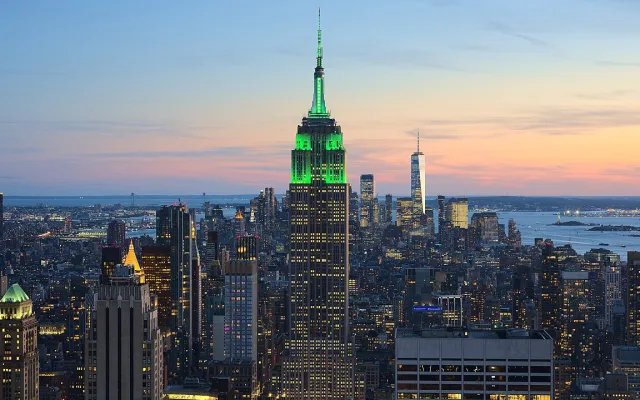
New York
The Big Apple — Central Park, the Statue of Liberty, Broadway and Times Square.
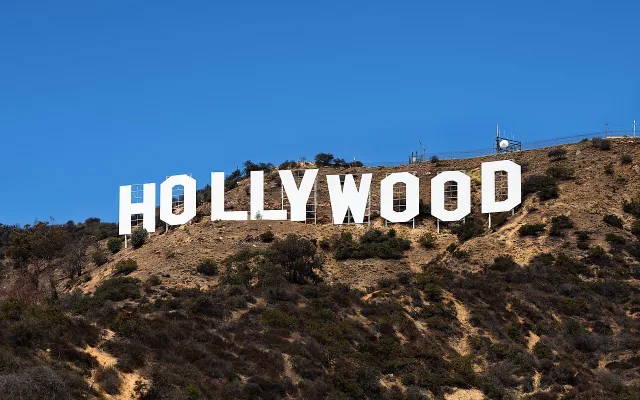
Los Angeles
Hollywood, Malibu, the Getty Center, Disneyland and endless palm trees.
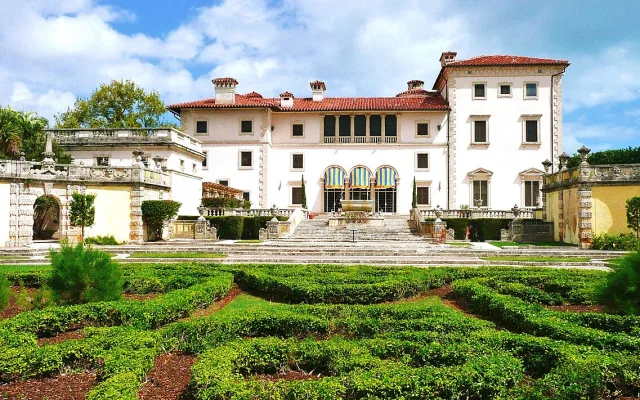
Miami
Art Deco, South Beach, Little Havana and the best salsa in Florida.
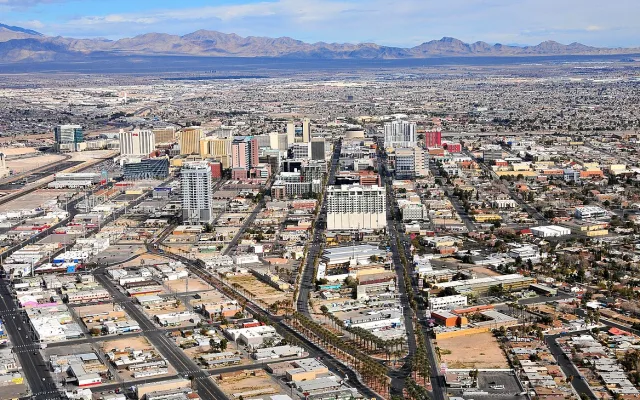
Las Vegas
A dream city in the desert — casinos on the Strip, Cirque du Soleil shows and the Grand Canyon nearby.
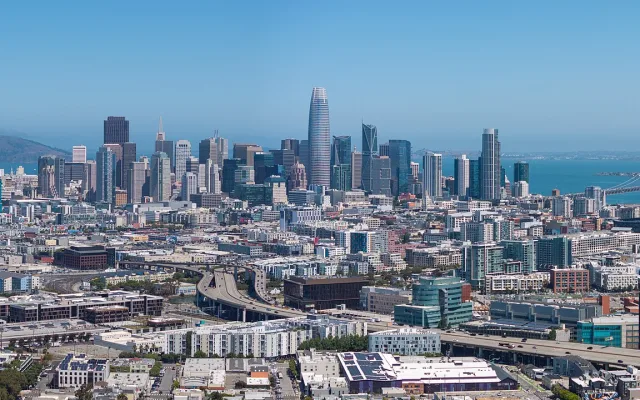
San Francisco
The Golden Gate Bridge, Alcatraz, Chinatown and the fog over the bay.
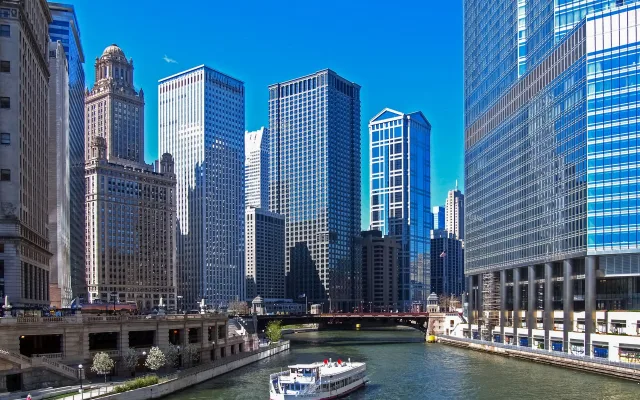
Chicago
The Windy City of skyscrapers: Millennium Park with Cloud Gate, the blues and jazz clubs of the South Side, deep-dish pizza, and an architecture cruise along the river.
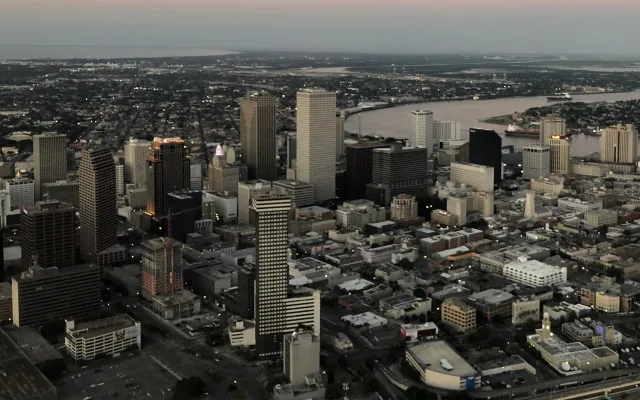
New Orleans
America's jazz capital: the French Quarter, jambalaya and gumbo, Mardi Gras, and live music on Frenchmen Street until dawn.
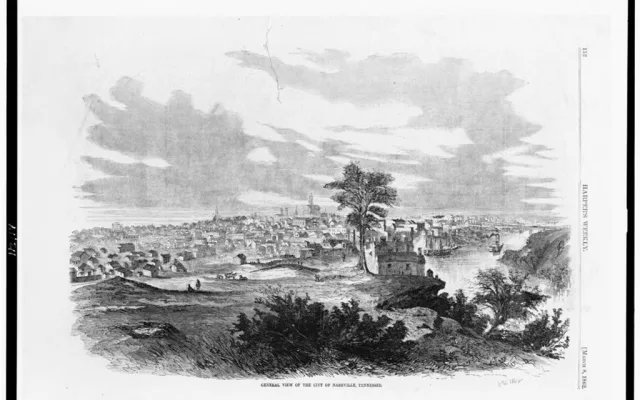
Nashville
The capital of American country music, home to the Grand Ole Opry, the live-music bars of Lower Broadway, and famous hot chicken and barbecue.
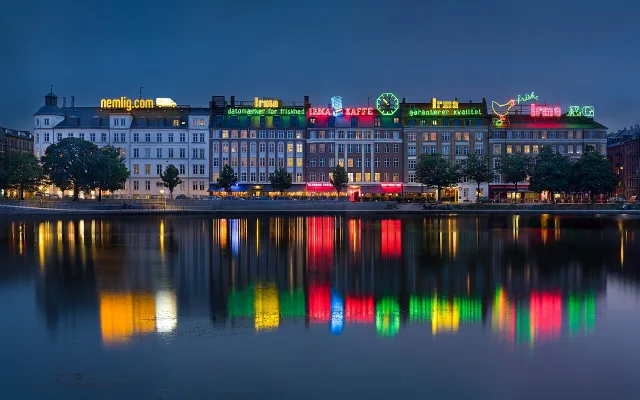
Washington DC
The US capital, home to free Smithsonian museums, the White House, the Capitol, and the sweeping National Mall.
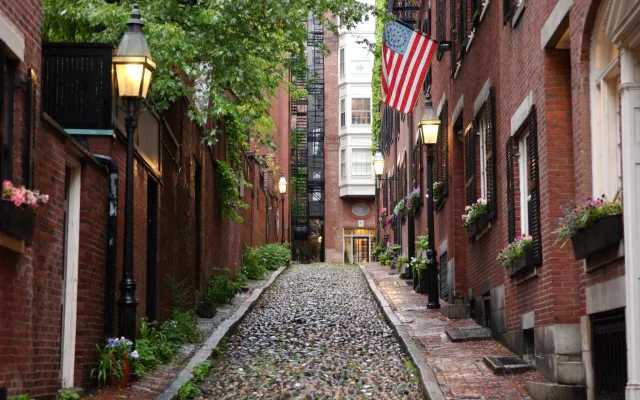
Boston
America's oldest major city, home to the Freedom Trail, Harvard in Cambridge, lobster rolls at Quincy Market, and the legendary Boston Red Sox.
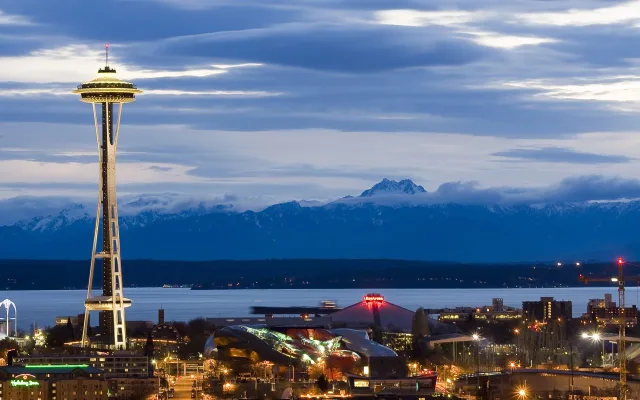
Seattle
Birthplace of Starbucks and Amazon, home to Pike Place Market, the Space Needle, big-tech campuses, and the overcast but vibrant spirit of the Pacific Northwest.
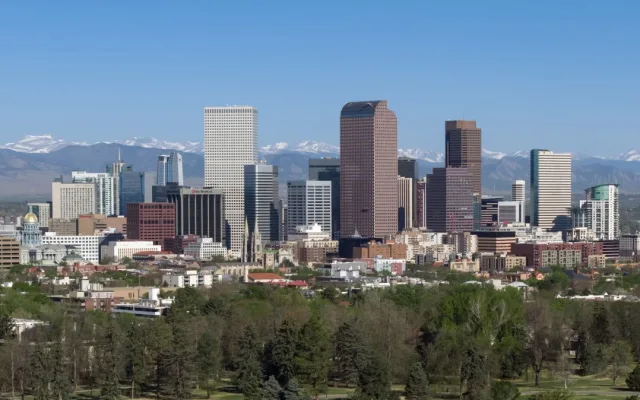
Denver
A city a mile above the Rockies: Colorado's gateway, with craft breweries, Red Rocks Amphitheatre and ski resorts an hour's drive away.
What to see #
Grand Canyon: The most heavily marketed natural site in the country, and in 2026 non-US visitors pay a surcharge of around 100 dollars on top of the entry fee. It is genuinely staggering, though the crowds on the South Rim can dent the experience. Arrive at dawn to see more before the buses.
Statue of Liberty: The national symbol, reached by ferry from Battery Park. Book crown access three months out or you will only get the pedestal. Ellis Island next door is underrated, and its immigration museum is deeply atmospheric.
Yellowstone: Geysers and wildlife in one place, but without your own car there is nothing you can do here. Buy the 250-dollar annual pass if you plan more than three of the big parks. See Grand Prismatic Spring from the upper trail, not the boardwalk.
Smithsonian museums: A gift to any independent traveller in Washington, because entry costs nothing. You could spend a week and not see half the collection, and the Air and Space Museum is the runaway hit.
Hollywood: Honestly, the Walk of Fame is overrated, dirty, loud and full of hustlers. Spend the day on the Warner Brothers studio tour instead, where you see working sound stages and come away actually understanding how films get made.
The Met: One of the world's great galleries, in New York, with a 30-dollar ticket. The Egyptian halls and the armour collection justify every cent. Allow at least five hours so you are not sprinting past masterpieces.
Yosemite: Granite walls and waterfalls, with timed entry reservations required in peak season. Without a booking in 2026 you simply will not be let in. The valley is beautiful, but the trails up towards the glaciers give you better views and far fewer people.
Prices #
Cards: Visa and Mastercard are accepted essentially everywhere, and Amex is widely taken too, though small independents sometimes refuse it. Contactless is standard. Bring a card with no foreign transaction fee, or a Wise or Revolut card, since the mark-ups otherwise add up quickly over a long trip.
Sales tax: Prices on shelves and on menus never include sales tax. It gets added at the till and varies by state, usually around 7-10%. Some states, Oregon among them, charge nothing, which is worth knowing if you plan to shop.
Tipping: Leaving 18-20% at a table-service restaurant is not optional here, it is basic etiquette. At a bar, one or two dollars cash per drink is the norm. Skipping the tip is read as an insult and can lead to an unpleasant conversation.
Cash: You can bring up to 10,000 dollars per family without declaring it. Keep a stack of ones and fives for parking meters and for housekeeping. Hundred-dollar bills are often taken reluctantly by small businesses.
ATMs: Bank-branded machines charge less than the standalone ones in convenience stores, which can take 3-5 dollars a withdrawal on top of your own bank's fee.
| Item | Price (USD) |
|---|---|
| Fast food combo meal | 10-15 |
| Casual cafe lunch | 20-30 |
| Restaurant dinner with wine | 50-80 |
| Large coffee | 5-7 |
| Gallon of gas (3.8 l) | 2.90 |
| Single subway ride | 2.90 |
| Uber ride, 5 km | 15-20 |
| Economy car hire per day | 30-50 |
| Roadside motel night | 90-130 |
| New York 3-star hotel | 220-300 |
| Disneyland ticket | 150-180 |
| Prepaid SIM card | 40-50 |
| Slice of pizza in NY | 4-5 |
| Major museum entry | 25-30 |
| National parks annual pass | 250 |
Getting around #
Getting there: New York, Los Angeles, Miami, Chicago and Dallas take nonstop flights from London, Frankfurt, Paris, Amsterdam and most of Asia, and a transatlantic fare booked early is often the cheapest part of the trip. Fly into the coast you plan to start on rather than routing through the middle of the country.
Domestic flights: Flying is the quickest way to move between coasts and big cities. Budget carriers such as Spirit look cheap but charge painfully for any carry-on. Book about six weeks out for the best fares.
Trains: Amtrak frequently costs more than flying and is not famous for punctuality, so treat it as a scenic choice. It genuinely makes sense in the Northeast on the Boston to Washington run, a pretty ride of about four hours.
Buses: Greyhound and FlixBus move you between states cheaply. They are not comfortable for sleeping, but tickets cost very little when bought early, and there are usually power sockets and working wifi.
Car hire: Outside New York, without a car you are effectively confined to a few blocks around your hotel. Take the full insurance, because the cost of an accident otherwise is enormous. On the East Coast, watch for toll roads and bridges that only accept electronic payment; rental firms add a daily fee for the transponder on top of the tolls, so set your navigation to avoid tolls if you can.
Gas stations: Paying at the pump usually requires a ZIP code, which foreign cards do not have. Walk inside, tell the cashier your pump number and prepay an amount; the unused balance comes back automatically.
Where to stay #
Motels: The classic choice for a road trip, with parking right outside your door. Motel 6 and Super 8 are cheap and basic, and that is exactly the point when you only need somewhere to sleep.
City hotels: Downtown rates in the big cities bite in 2026, New York above all. Staying in an adjacent area such as Jersey City and riding in is often better value. Quality is consistent, but the rooms are small.
Guesthouses: In tourist areas, small guesthouses with an owner on site are popular and give you breakfast and real conversation with locals. They have few rooms, so book ahead.
Hostels: There are far fewer than in Europe, and they are not always cheaper than a budget hotel split between two. In popular spots dorm beds go months in advance. This is an option for solo travellers happy to trade quiet for twenty dollars.
Resort fees: In resort towns many hotels charge a daily resort fee that is not in the price you see online, often 30-50 dollars a night for facilities you may never use. Always check the final total with taxes and fees before confirming.
Deposits: At check-in the hotel puts a hold of 50 to 200 dollars on your card. It clears one to two weeks after you leave, so keep enough headroom that a string of holds does not strand you mid-trip.
What to eat #
Portion sizes: Restaurant plates are enormous and can reasonably be shared. If you cannot finish, ask for a box; taking leftovers away is completely normal and nobody thinks less of you for it.
Burgers: A genuine cultural icon, best pursued at Five Guys or Shake Shack. Avoid the cheapest chains, where the patty tastes like shoe leather. A good burger in the right place is a proper meal, not a snack.
Steak: For a classic ribeye go to a dedicated steakhouse and expect the bill to start around 60 dollars. In the central states, Texas especially, the meat is better and cheaper than in New York. Medium is the local default.
Fast food: Chick-fil-A and Chipotle are the best of the quick options for quality. In California, look for the Mexican taquerias, where the tacos and burritos are cheap, filling and the most authentic street food in the region.
Brunch: At weekends people spend hours over pancakes and eggs benedict with bottomless coffee. It is a real ritual, so popular cafes have queues on Saturday morning. Turn up early or book a table through an app.
Supermarkets: At Whole Foods you can build a meal at the hot bar and eat it at a table there. It works out cheaper than a restaurant and healthier than another burger, with salads, soups and hot dishes always available.
Water: Anywhere you sit down, iced tap water arrives free and gets refilled indefinitely. There is no need to order bottled water, and the tap water is completely safe across the country.
Safety #
It depends on the street: Personal safety varies block by block rather than city by city. Tourist areas are patrolled, but a couple of wrong turns changes the picture fast. Look at a map of which neighbourhoods to avoid before you set off walking.
Your car: Never leave bags, shopping or electronics visible inside a hire car. In San Francisco and Los Angeles a window goes in within seconds for any backpack. Put valuables in the boot before you arrive at the car park, not after.
Police stops: If you are pulled over, stay in the car with both hands visible on the wheel. Answer politely, do not try to be funny and do not reach for documents suddenly. Failing to follow an officer's instructions is treated as a serious threat here.
Health costs: Care is astronomically expensive for anyone uninsured; without cover of at least 100,000 dollars even a walk-in clinic can run into thousands. Make sure your policy includes hiking and adventure activities if you are heading to the mountains.
Guns: Concealed carry is legal in many states and is part of the everyday reality. Do not escalate a road-rage incident or provoke a drunk in a bar; walk away from any argument that is heating up.
Rough sleeping: West Coast cities have large tent encampments on the pavements. People are usually harmless but can behave unpredictably. Walk around such areas and do not make an issue of it, and check your own government's travel advisory before you go.
Etiquette and culture #
Small talk: Get used to strangers smiling and asking how you are. It is a politeness formula, so answer briefly and positively without going into detail. Ignoring it reads as rude from a visitor.
Personal space: People value their boundaries and dislike being crowded. In queues and on public transport keep your distance and avoid touching anyone. Apologise even if you only brushed someone with the corner of a bag.
Alcohol: The age-21 rule is enforced absolutely, and ID is demanded from anyone who looks under fifty. In some conservative states alcohol is not sold on Sunday mornings, and drinking from an open container in the street is banned nearly everywhere.
Units: Forget Celsius and kilometres; it is Fahrenheit, miles and pounds here. You will be re-learning gallons at the pump and ounces in coffee shops. Seventy degrees is pleasantly warm, not hot.
Religion: Faith is taken seriously, especially in the centre and the South. Respect local traditions and do not be surprised by the number of churches in a small town. Religion and politics are best left out of casual conversation with strangers.
Patriotism: Flags fly on every other house and the feeling behind them is sincere. The anthem is sung before any sporting fixture, including school games. Criticising the country to locals is bad form and will close the conversation down.
Connectivity #
Networks: The big three are T-Mobile, AT&T and Verizon. Verizon has the widest coverage in remote states and national parks but costs more; for city use T-Mobile is usually the best value.
eSIM: The easiest way to be connected the moment you land, without hunting for a store. Airalo and similar services sell a data package in advance for 10-20 dollars that you activate at the airport, which saves you looking for wifi to order a ride.
Prepaid SIM: If you need a local number for Uber or banking apps, buy a prepaid plan at Best Buy or Target with no contract. Around 40-50 dollars gets you a month of unlimited data and domestic calls.
Wifi: Free access is standard in every Starbucks and McDonald's and in public libraries nationwide. Hotels include it, though cheap motels can be slow, and airport wifi is often capped by session length.
Apps: Download offline Google Maps, because coverage disappears in the mountains and deserts. Yelp is useful for finding decent food, GasBuddy for comparing fuel prices, and Recreation.gov for national park bookings.
Tethering: Many tourist and prepaid plans limit hotspot use. Check the plan description if you intend to work from a laptop, because tethering sometimes costs extra.
Phrasebook #
| English | American English | Pronunciation |
|---|---|---|
| Hello | Hey! | hay |
| How's it going? | How are you? | how-ar-YOO |
| The bill, please | Check, please! | chek pleez |
| Is the tip included? | Is gratuity included? | is gra-TOO-i-tee in-KLOO-did |
| Free refill | Refill | REE-fill |
| Do you take cards? | Do you take cards? | doo yoo tayk kardz |
| Where's the toilet? | Where is the restroom? | wair iz tha REST-room |
| That's amazing | This is awesome! | this iz AW-sum |
| Have a good day | Have a good one! | hav a good WUN |
| Understood | Got it / Sounds good | got it / sowndz good |
| Cash | Cash | kash |
| Takeaway | To go | too GOH |
| Change | Change | chaynj |
| Excuse me (in a crowd) | Excuse me | ek-SKYOOZ mee |
| Slang: seriously? | For real? | fer REEL |
| Slang: mate | Dude / Bro | dood / broh |
| No problem | No worries | noh WUR-eez |
| You're welcome | You're welcome | yor WEL-kum |
| Say that again? | Come again? | kum a-GEN |
| Late checkout | Late checkout | layt CHEK-owt |
Good to know #
Your consulate: Most countries maintain an embassy in Washington and consulates in New York, Los Angeles and a handful of other cities. Save the addresses and the emergency number offline before you fly.
At the border: Answer the officer's questions directly and without jokes. Border officers have the legal right to inspect your phone and laptop if they have doubts, so keep printouts of your bookings and return ticket to hand.
Insurance: Choose a policy with direct settlement so you are not paying doctors out of pocket and claiming later. Check that it covers injury while hiking in national parks. Medical costs here are extreme even for minor procedures.
Time zones: The country spans several, so factor that into flight planning; there are three hours between the East and West coasts. Remember the daylight saving switch, which can quietly wreck a transport plan.
Electricity: Sockets are Type A and B with flat pins, running at 110 volts. Bring an adaptor from home, since they cost more here and are not stocked in every supermarket.
Calling for help: Dial 911 for police, fire or an ambulance. Dispatchers can usually connect an interpreter quickly if you do not speak English. Use it only in genuine emergencies.