
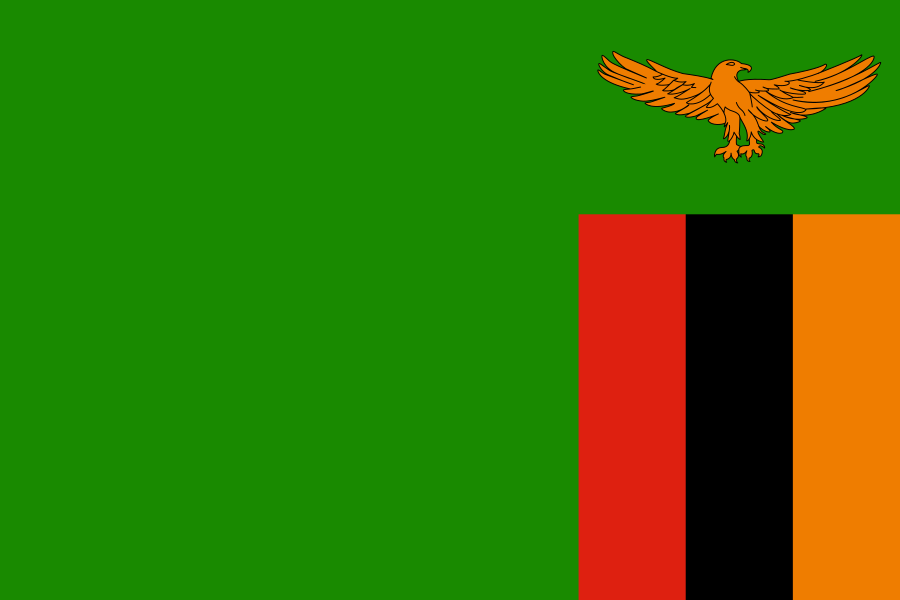
Zambia
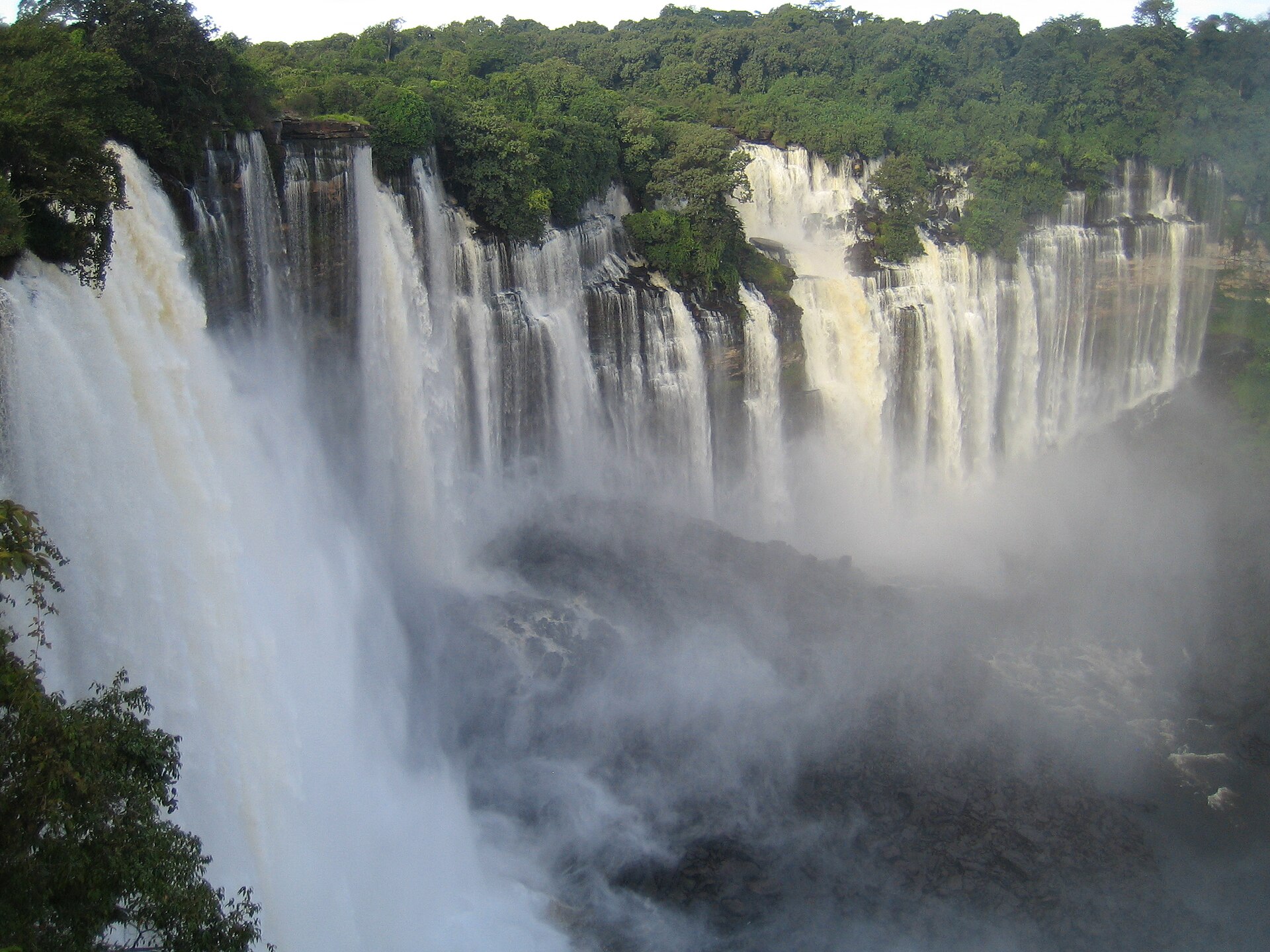
The country of Victoria Falls, one of the seven natural wonders of the world, where a wall of water 1.7 km wide drops into the gorge and throws spray 300 metres into the air. Zambia also offers first-rate safari in South Luangwa and the Lower Zambezi, walking among elephants and leopards, and friendly people whose motto, One Zambia, One Nation, captures the country's peaceable character. English is the official language, and US dollars are accepted in most tourist places.
Where to go
#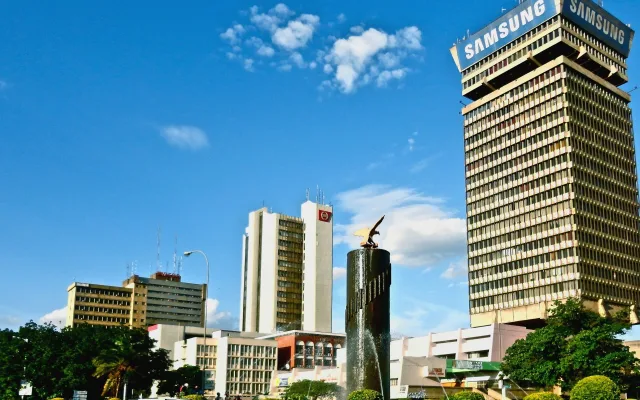
Lusaka
Lusaka is the capital of Zambia, home to the National Museum and the Kamwala market. Many trips to South Luangwa and Lower Zambezi national parks begin here.
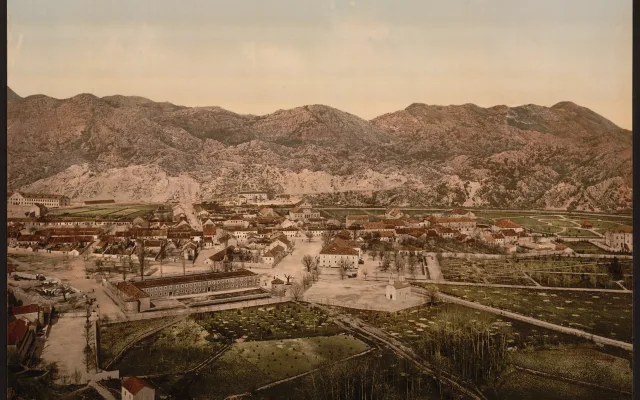
Livingstone
Livingstone is a town in Zambia known for its closeness to Victoria Falls. It offers rafting, a bungee jump over the gorge and the Livingstone Museum.
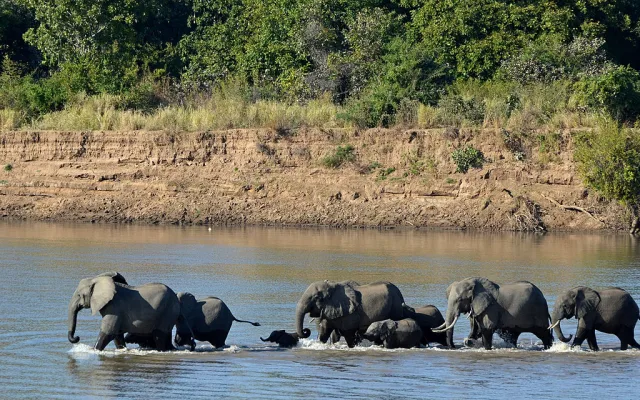
Mfuwe
Mfuwe is the settlement at the gateway to South Luangwa National Park in Zambia, birthplace of the African walking safari.
What to see
#Where to go: The obvious draw is Victoria Falls, which Zambians call Mosi-oa-Tunya. The view from the Zambian side is more intimate and more vertical, and it gives you a proper sense of the scale of the Batoka Gorge below.
What to see: Devil's Pool is the one everyone talks about, open roughly September to December. Swimming right on the lip of the drop is about as bold as adventure travel gets on this continent.
Can you do it in a day: Walking the Knife-Edge Bridge guarantees a thorough soaking from the spray, but you will almost certainly get a rainbow out of it. The Livingstone statue and the steep path down to the Boiling Pot are right there too.
Wildlife: South Luangwa is the birthplace of the walking safari and the best place on the continent for leopard sightings. In Lower Zambezi you can paddle a canoe past elephants and hippo instead of sitting in a vehicle.
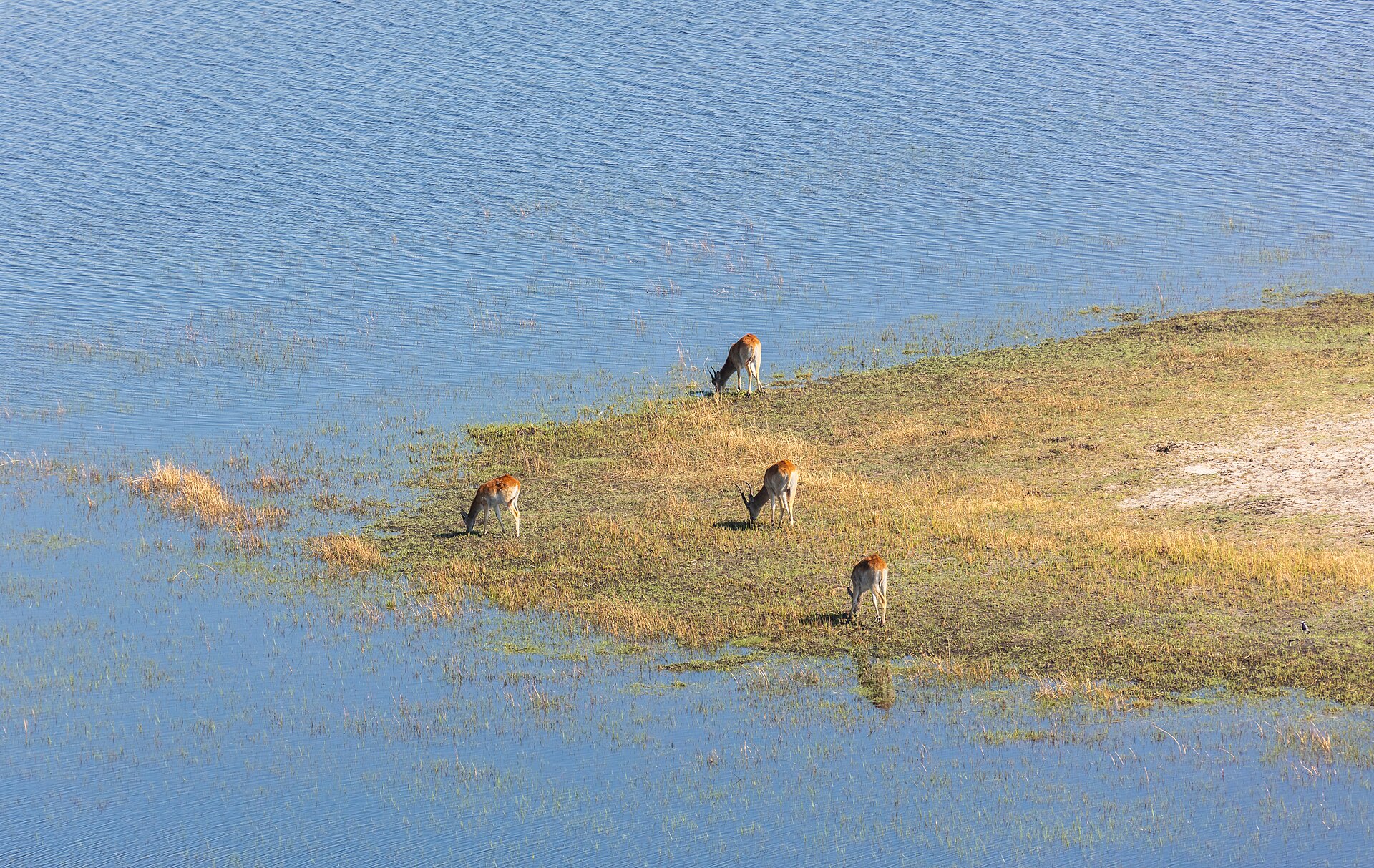
Off the beaten track: Kafue National Park is enormous and barely visited, which suits anyone who wants genuine wilderness silence. Rare lechwe antelope and cheetah are both possible here without another vehicle in sight.
Worth a trip: Lake Kariba delivers superb tilapia fishing and what many people call the finest sunsets in the region. It is a good place to slow down for a couple of days in the middle of a longer route.
Prices
#Currency: The local money is the Zambian kwacha, trading around 19 to the US dollar in 2026. Notes run from 2 to 100 and coins are rarely seen in practice.
Dollars: US cash is accepted at almost every lodge, park gate and tour operator. Bring newer notes without writing on them, and keep small denominations for paying for things quickly.
Cards: Visa and Mastercard work fine in supermarkets and better hotels in the main cities. Outside Lusaka and Livingstone terminals barely exist, so carry enough cash to see you through.
Getting cash: ATMs in the cities dispense kwacha and generally accept foreign cards, though daily limits are low and fees add up. A Wise or Revolut card keeps the exchange margin honest, but never rely on plastic alone in the bush.
Tipping: Around ten percent in restaurants is standard where service is not already added. Safari guides and rangers usually receive 10 to 20 dollars for a full day's work.
| Item | Price (USD) |
|---|---|
| Lunch at a local diner | 4 |
| Dinner for two | 30 |
| Street food snack | 1.5 |
| Bottle of Mosi lager | 1.5 |
| Water 1.5 l | 0.7 |
| City taxi ride | 6 |
| Long-distance bus ticket | 20 |
| Domestic flight | 150 |
| Victoria Falls entry | 30 |
| Safari park entry | 25 |
| Devil's Pool trip | 120 |
| Bungee jump | 160 |
| Hotel room | 45 |
| Dorm bed | 20 |
| Local SIM card | 0.5 |
| Data bundle | 4 |
Getting around
#Getting in: Most travellers connect through Johannesburg, Addis Ababa, Nairobi, Doha or Dubai. From Europe an Ethiopian or Gulf carrier gets you to Lusaka overnight; from North America you will usually route via Johannesburg and pick up a short hop from there. Livingstone also takes regional flights directly.
Between cities: For overland legs stick to the larger operators such as Shalom or Mazhandu Family. They actually depart on schedule and the coaches are reasonably comfortable.
Domestic flights: Proflight Zambia saves enormous amounts of time on runs like Lusaka to Mfuwe. It costs real money, but ninety minutes in the air replaces a full punishing day on a bus.
Around town: For short hops use the blue and white minibuses. Routes are not signposted, so you simply ask the driver at the stop where he is heading and climb aboard.
Ride hailing: Bolt and Uber both work well in the capital, which removes all haggling. In Livingstone taxis wait outside every hotel, but agree the fare before you set off.
Rail: Trains run rarely and very slowly, crawling across the Victoria Falls bridge at walking pace. Treat it as an experience rather than an efficient way to reach anywhere.
On water: The Kazungula crossing at the four-country border is now a bridge. Canoes and boats on the Lower Zambezi are only for organised safari trips, not casual transport.
Where to stay
#City hotels: Lusaka and Livingstone both offer clean rooms in the 30 to 60 dollar range. The usual booking sites cover them well, but reserve a couple of weeks ahead in high season.
Backpacker lodges: Established places like Jollyboys sell far more than a bed. Pools, shared kitchens and social areas pull in solo travellers from everywhere, which makes splitting tours and transfers easy.
Safari camping: Campsites near the park gates charge 15 to 25 dollars a night. You end up sleeping at the edge of genuine wilderness without paying hundreds for a luxury tented suite.
Guest houses: In smaller towns look for the Guest House signs, where facilities are simpler and prices lower. These are usually family businesses and the owners will happily sort out transport and tell you where to eat.
Splashing out: If the budget stretches, spend one night in a tented camp on the Zambezi bank. It is expensive, but hippo grazing below your deck at dawn is worth doing once on any trip.
Longer stays: For anyone settling in for weeks, Kabulonga in Lusaka is the district of choice. There are plenty of rental apartments and shops carrying imported goods nearby.
What to eat
#The staple: Nshima, a stiff porridge of maize meal, is the centre of every plate. You eat it with your hands, pinching off lumps and dipping them into relish made from vegetables, beans, meat gravy or fish.
Freshwater fish: Tilapia, sold as bream, is at its best grilled or smoked. It comes straight out of the Zambezi and a restaurant portion runs roughly 7 to 10 dollars.
Greens: Ifisashi is finely chopped pumpkin leaves or spinach in a thick groundnut sauce. It is filling, genuinely good for you and turns up on the menu of every town canteen.
Street snacks: Try vitumbuwa, deep-fried sweet fritters made from banana dough. They are cheap and enormously calorific, and make a perfect breakfast eaten on the move if the stall looks busy and clean.
Chikanda: Sometimes called African polony, this is made from wild orchid tubers with groundnuts and spices. The texture is sausage-like and it is served in banana leaf, with a flavour that takes some getting used to.
Drinks: Mosi, the national lager, is named after the falls and does exactly what you need in the heat. Tea is served the British way here, very strong with plenty of milk and sugar.
Safety
#Crime: Zambia is one of the most peaceful countries in the region and there is no general sense of disorder. That said, watch for pickpockets in Lusaka's markets and avoid unlit side streets after dark.
Health: Malaria is the main threat everywhere in the country, especially in the rainy season. Take prophylaxis seriously and use repellent from dusk until morning without exceptions.
Wildlife: Never walk close to the water's edge on river banks because of crocodiles. Hippos are equally lethal, surprisingly fast on land and often aggressive around dusk when they come out to graze.
Water and hygiene: Drink only sealed bottled water. Swimming in still water is off limits because of bilharzia, so keep your washing to showers and hotel pools.
Night driving: Do not travel between towns after sunset. Poor lighting, deep potholes and animals stepping onto the tarmac combine into a very real accident risk.
Police and rules: Officers treat visitors correctly, but carry your passport with its entry stamp. Photographing government buildings, bridges and military personnel is prohibited and will cause you trouble. Check your own government's travel advisory before booking.
Etiquette and culture
#National spirit: The slogan "One Zambia, One Nation" reflects a genuinely peaceful coexistence of 72 ethnic groups. People are proud of the absence of internal conflict and of an easy everyday tolerance.
Religion: Zambia is constitutionally a Christian nation and it shows in daily life. On Sundays most shops close and people head to church in their best clothes.
Greetings: Open any conversation with a smile and an enquiry about how someone is; rushing straight to business reads as rude. Handshakes are firm, and you greet the eldest person present first.
Photography: Ask before pointing a camera at a person or their home. In villages this matters especially, and a polite question heads off most misunderstandings before they start.
Dress: Cities are relaxed about clothing, but in rural areas cover shoulders and knees. Women in short shorts may get comments, so it is easier to respect the more conservative view.
Music and ceremony: In February or March you may catch the spectacular Kuomboka ceremony of the Lozi people. Also seek out 1970s Zamrock, a genre that built a cult following far beyond Africa.
Connectivity
#Local operators: Airtel and MTN dominate and give the best national coverage. You can buy a SIM at the airport or in an official shop, and registration needs nothing more than your passport.
eSIM: If your phone supports it, Airalo or a similar provider is the simpler option. Buy the data package before you fly and you are online the moment you land, with no queue at arrivals.
Cost: The SIM itself costs pennies and 3 to 4 dollars buys roughly 3 GB of data. That covers maps, messaging and general searching for most of a trip.
Signal quality: Solid 4G reaches Lusaka, Livingstone and the main highways. Deep inside the national parks the signal usually disappears entirely, so download offline maps in advance.
Hotel wifi: Almost every guesthouse has wifi, though the speed will frustrate anyone hoping to stream. Safari lodges often provide it only in the common area near reception.
Topping up: You add credit with scratch cards sold by street vendors or through the operator apps. In remote villages keep a healthy balance loaded before you leave the last town.
Phrasebook
#| English | Nyanja | Pronunciation |
|---|---|---|
| Hello | Moni | MO-nee |
| How are you? | Muli bwanji | MOO-lee BWAN-jee |
| I'm fine | Ndili bwino | n-DEE-lee BWEE-no |
| Thank you | Zikomo | zee-KO-mo |
| Please | Chonde | CHON-de |
| Yes | Inde | EEN-de |
| No | Ayi | AH-yee |
| How much is it? | Ndi zingati | ndee zin-GA-tee |
| That's expensive | Ndi okwera | ndee o-KWE-ra |
| Discount | Discount | dis-KOWNT |
| Water | Madzi | MAD-zee |
| Food | Chakudya | cha-KOO-dya |
| Friend | Bwenzi | BWEN-zee |
| Help me | Thandizeni | tan-dee-ZE-nee |
| Beautiful | Chokongola | cho-kon-GO-la |
| Goodbye | Pitani bwino | pee-TA-nee BWEE-no |
| Foreigner, white person | Muzungu | moo-ZOON-goo |
| The falls | Mosi-oa-Tunya | MO-see-oa-TOON-ya |
| Tilapia fish | Bream | breem |
| Fried fritters | Vitumbuwa | vee-toom-BOO-wa |
| Maize porridge | Nshima | n-SHEE-ma |
| No problem, it's fine | Palibe vuto | pa-LEE-be VOO-to |
Good to know
#Medical care: Private clinics in the capital are perfectly decent, but finding a doctor in the provinces is hard. Carry a well-stocked kit with antiseptic, painkillers, rehydration salts and dressings.
Insurance: Take a policy that covers rescue from remote areas. If something serious happens out in the bush you will need to be flown to Lusaka or even South Africa, and that gets expensive fast.
Sockets: Zambia uses British Type G plugs with three rectangular pins. Bring the adapter with you, or buy one cheaply in any supermarket on your first day.
Consular contacts: Not every country keeps a mission in Lusaka, so check whether yours covers Zambia from here or from Pretoria. Save the number and email offline in case documents go missing.
Climate: In the June and July winter, night temperatures can drop close to freezing, so pack something warm. Daytime highs still hit 30C, which makes layers the sensible strategy.
Shopping: Shoprite and Pick n Pay in the larger cities stock everything you might need, including familiar groceries. In villages the range narrows to bread, water and tinned goods.
Frequently asked questions
#Most nationalities can get a visa on arrival at the airport or land border, and many can apply in advance through the immigration e-Services portal. A single entry is typically 50 dollars, paid in cash, but confirm the rules for your own passport.
It is a single 50-dollar visa that lets you move freely between Zambia and Zimbabwe for a month. It is issued at the border or airport and is ideal if you want to see the falls from both sides.
Water peaks between February and May, when the falls are at their most powerful and spray rises hundreds of metres. For swimming at Devil's Pool, come in the dry season from September to December.
The risk is high across the whole country, so prophylaxis is strongly advised. Use the mosquito net in your room and cover up after sunset, whichever tablets you are taking.
The tourist hubs have coverage, but inside the parks themselves the signal often vanishes. Safari lodges usually offer wifi in the common areas, though not at a speed that handles large files.
No, not even in expensive hotels in the capital. Buy bottled water, check the seal is intact, and use bottled water for brushing your teeth as well.
Visa and Mastercard issued by international banks are accepted in Lusaka and Livingstone, and Amex much less widely. Once you head into the provinces, carry cash in kwacha and dollars instead.
The lit central streets are relatively safe, but walking after dark is generally not advised. Ordering a taxi through an app costs very little and removes the risk in unfamiliar areas.
Yes, but with restrictions. Registration is mandatory for a drone of any weight. You need a remote pilot licence, drone registration and ZCAA approval for temporary import with customs clearance. Rules for other countries are in the drone ranking by country.
Updated
The data on this page goes out of date. Visa rules and permitted stays, border requirements, prices and budgets, transport and local conditions all change fast, and we do not re-check every page every day. We show the date of our last check where we have one, but before you travel, verify with official sources: the country’s consulate, its immigration service, its e-visa portal and your carrier.