 Города и дороги
Description
A city of two million in southeastern Turkey, known for two things: the world's largest collection of ancient mosaics, rescued from the Roman city of Zeugma, and a kitchen recognised by UNESCO.
Wiki
Gaziantep is a large city in southeastern Turkey, home to around two million people and 60 km from the Syrian border. It used to be plain Antep; the prefix "gazi", meaning "valiant", was awarded for the defence of 1920–1921, when the townspeople held out against French troops for ten months. The site has been lived in since Hittite times, but visitors come for two things: the Zeugma mosaics and the food. Gaziantep is recognised as the country's best city for cooking and belongs to the UNESCO Creative Cities Network for gastronomy.
Why come and what to actually see
The Zeugma Mosaic Museum holds the largest collection of ancient mosaics in the world. They were lifted from the Roman city of Zeugma on the Euphrates when the reservoir behind the Birecik dam flooded it in 2000: the rescue excavation was rushed, and what was saved now fills three floors. The centrepiece is the "Gypsy Girl", a fragment of a face whose eyes seem to track the viewer; it gets a darkened room of its own. Beyond the mosaics there are frescoes, statues and reconstructed villa interiors.
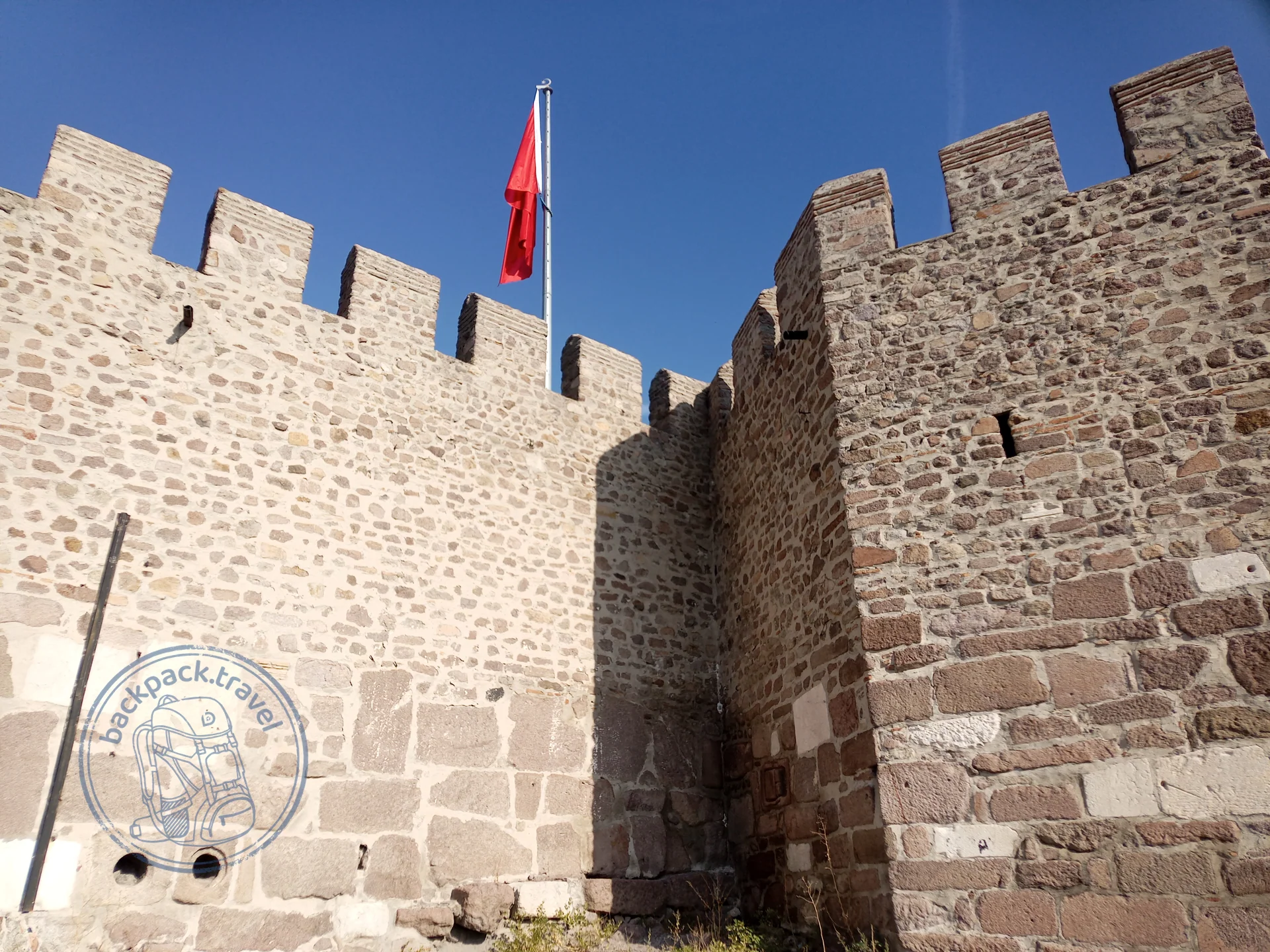
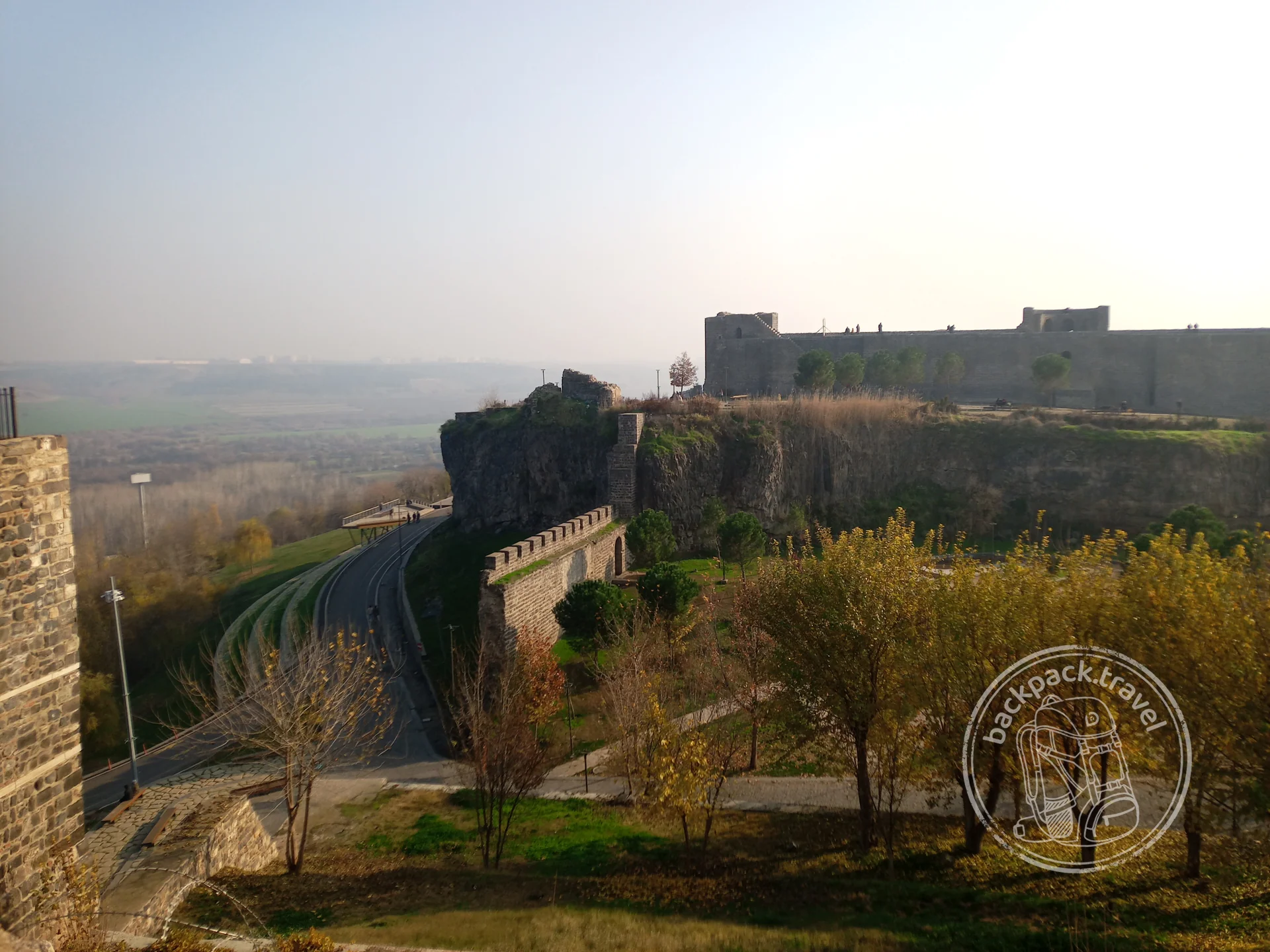
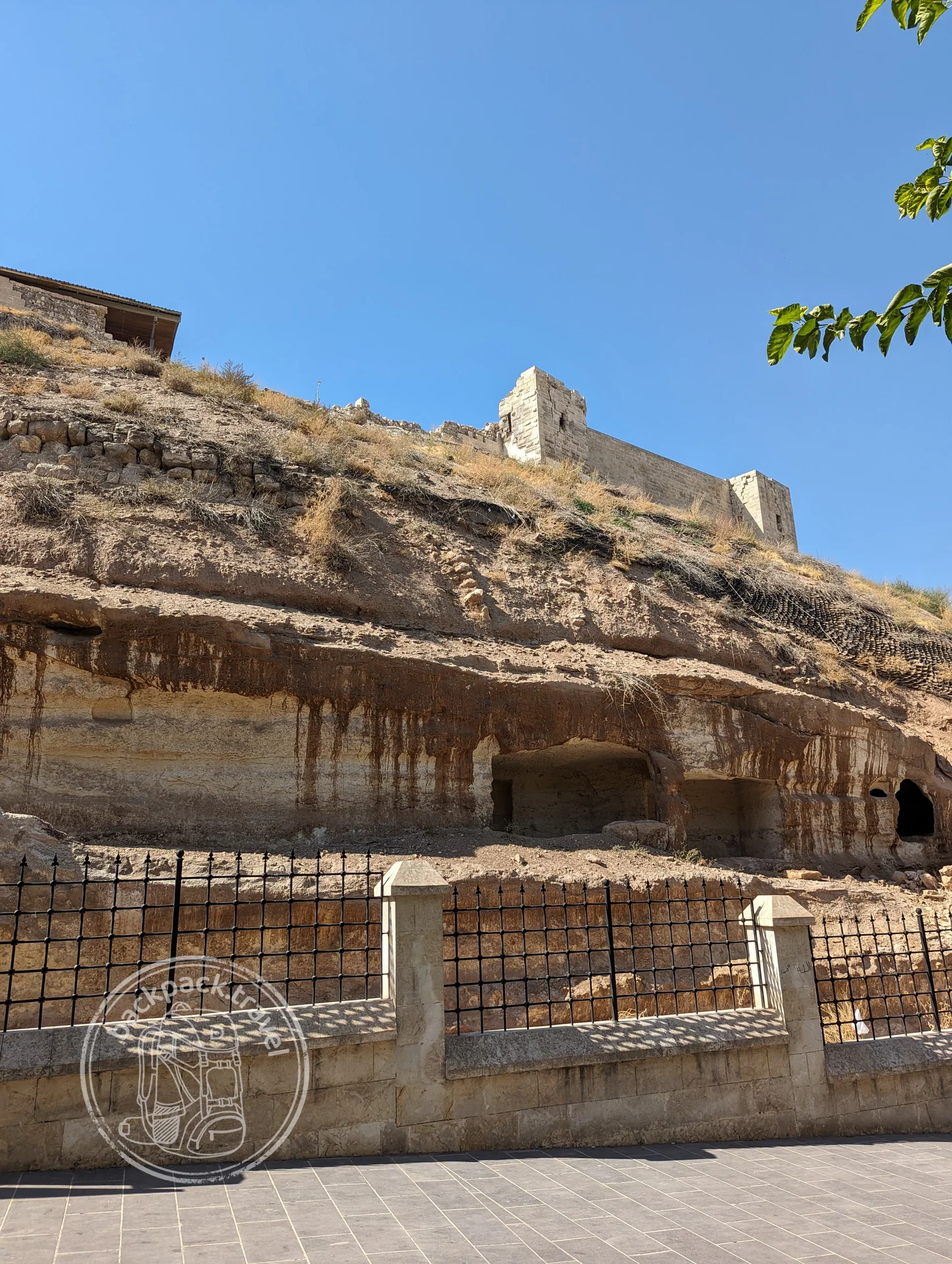
The citadel on the hill in the centre was founded by Justinian in the sixth century and built up further by the Seljuks and Mamluks: circular in plan, about 120 metres across, with twelve towers. The earthquake of February 2023 brought down part of the walls. Authorities reported reopening after restoration in September 2025. Confirm current indoor access before visiting.
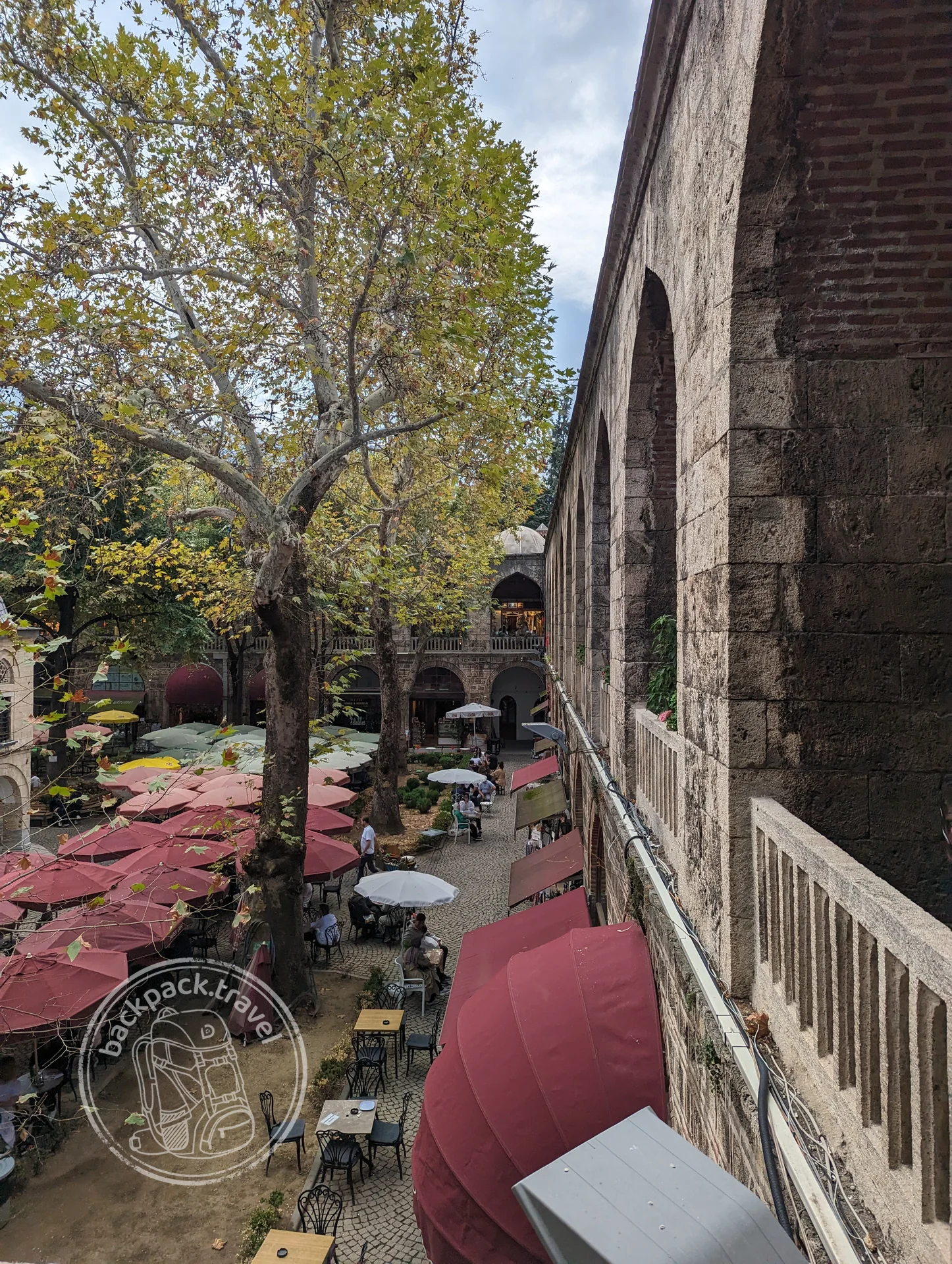
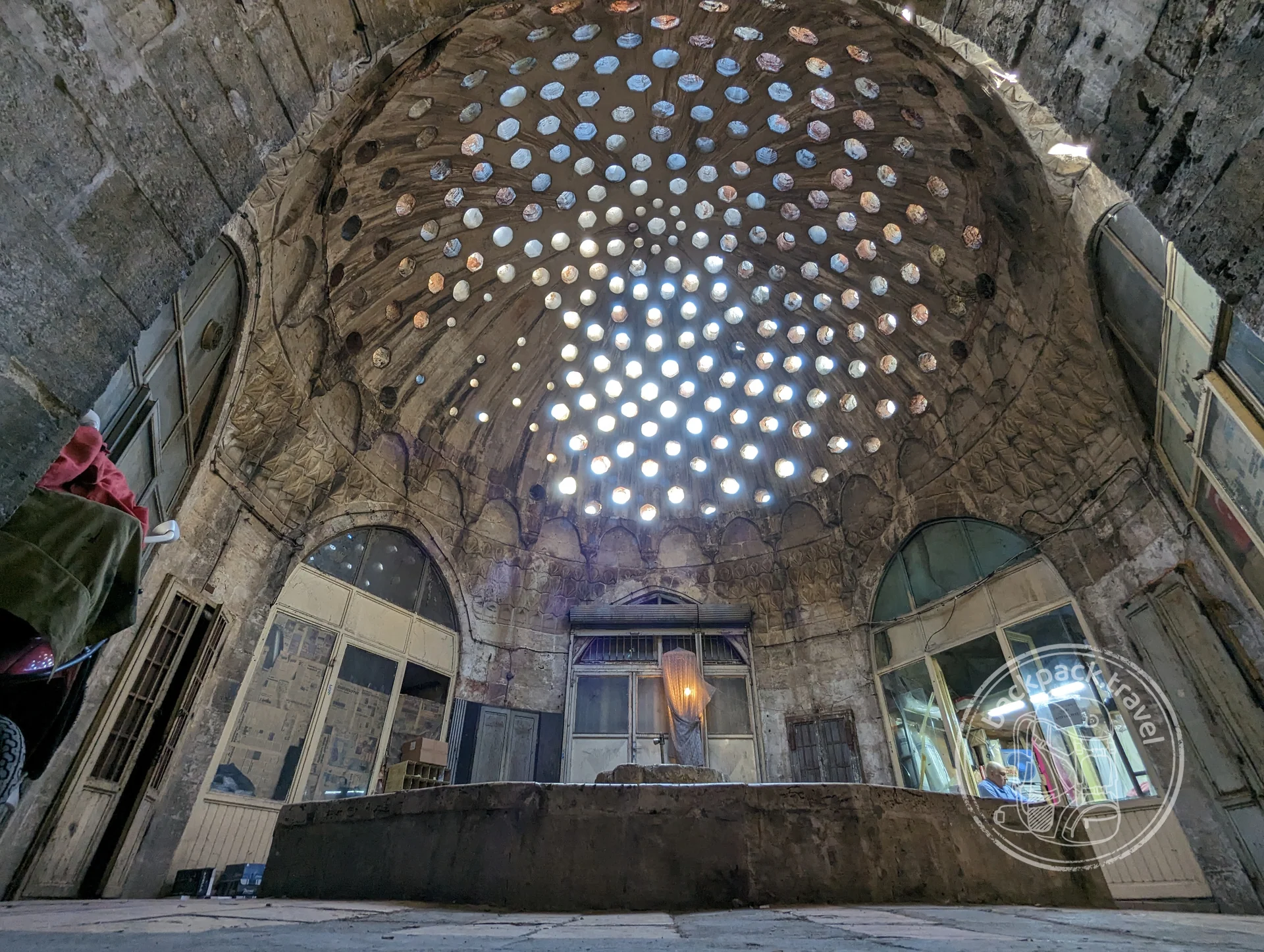
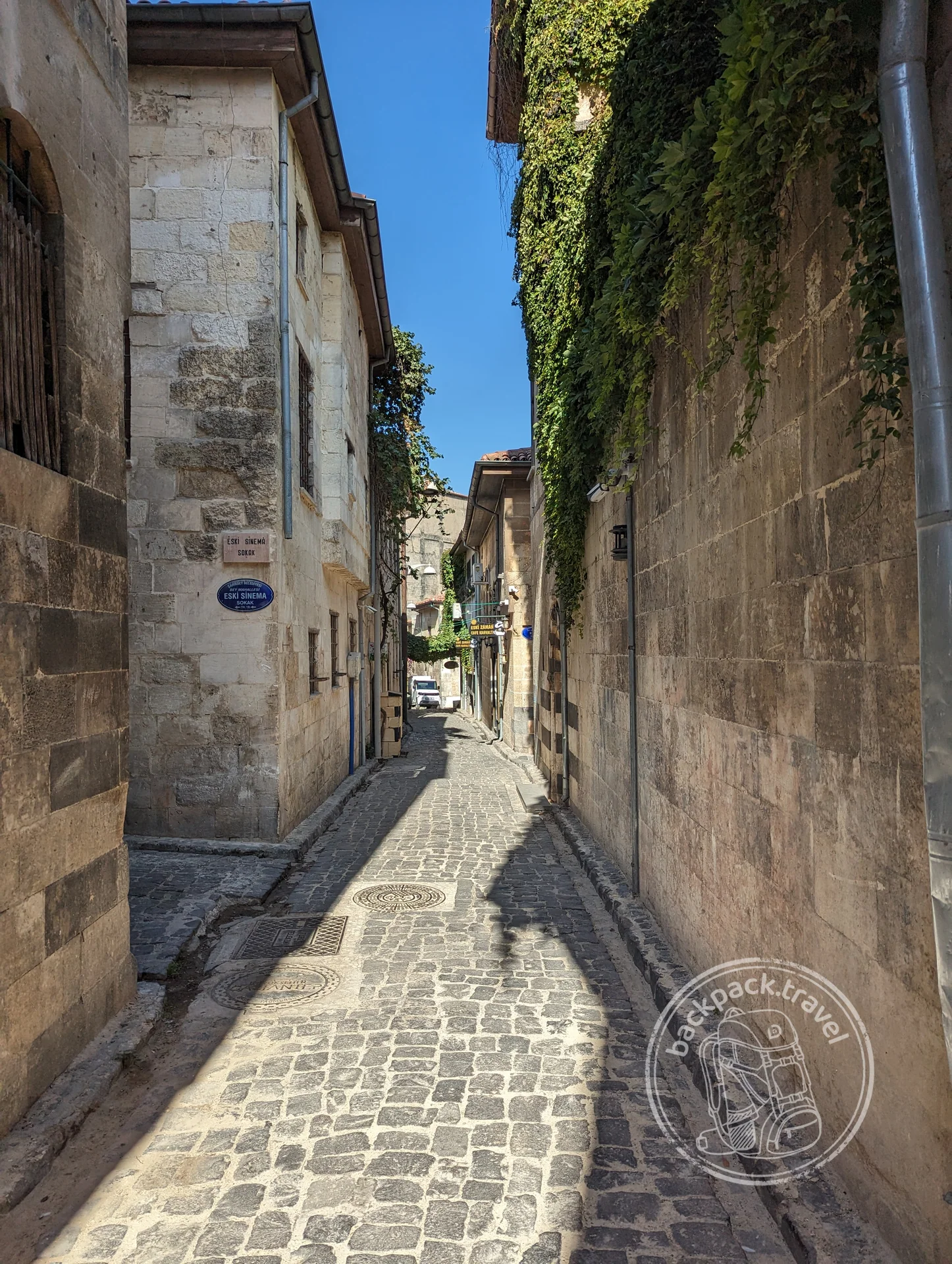
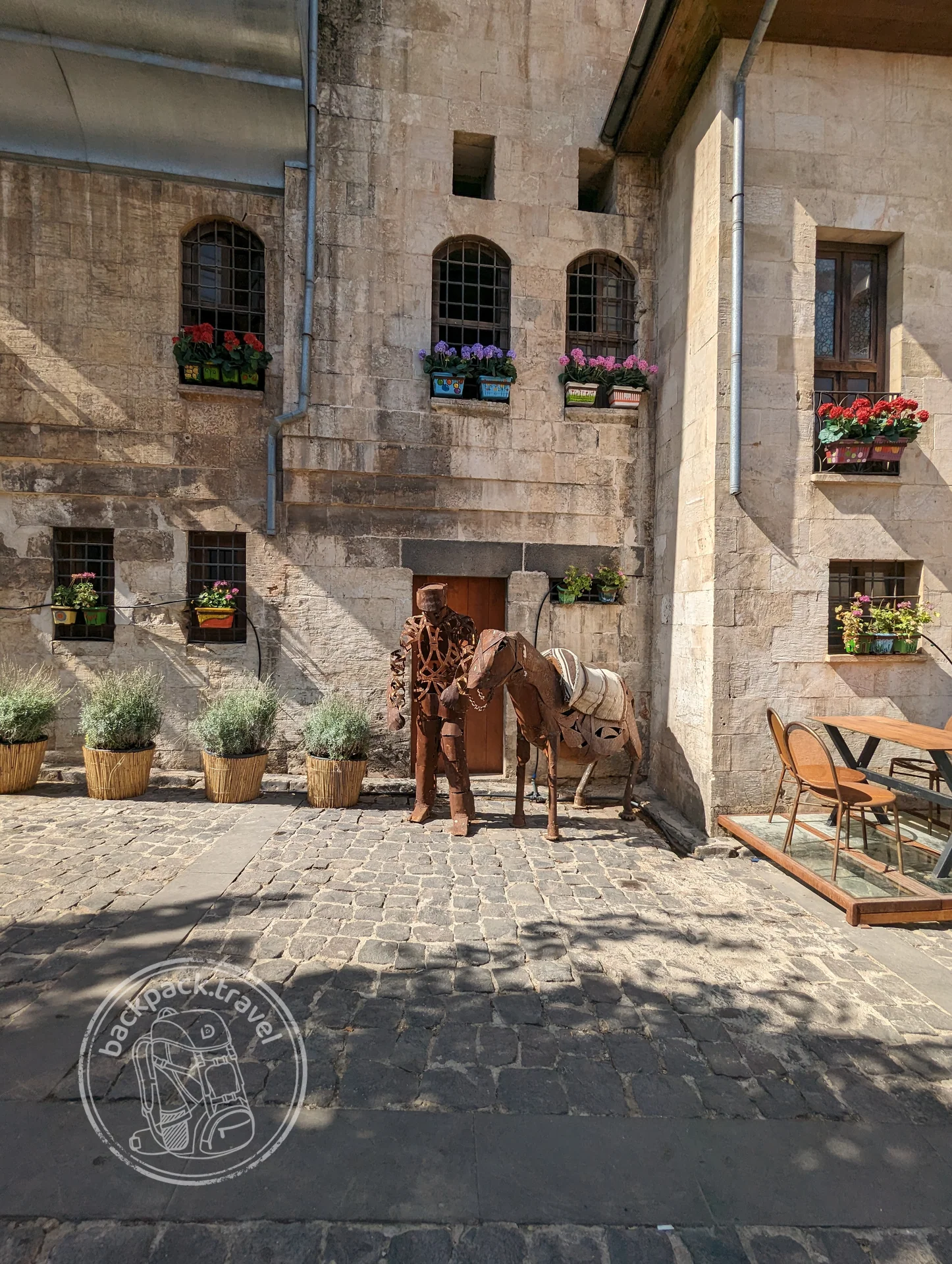
Around the citadel lies the old town — nineteenth-century houses of soft pale limestone, carved façades and inner courtyards. The trading quarter starts there: a chain of sixteenth-century hans and bedestens under domes pierced with scatterings of round openings. Coppersmiths, leatherworkers and mother-of-pearl inlayers still work in them.
The Emine Göğüş Culinary Museum earns a stop of its own, as does the Defence Museum if it reopens after repairs.
Getting there and getting around
The airport handles flights from Istanbul, Ankara and Izmir, about two hours in the air; it sits 20 km from the centre. Buses connect the city with Şanlıurfa (two hours), Adıyaman (two and a half) and Adana (four).
The citadel, old streets and bazaar can form one walk through the centre. The Zeugma Mosaic Museum is separate: save the route to it and allow for a transfer.
Where to stay
The most interesting rooms are in boutique hotels inside restored stone mansions in the old town: a courtyard with a pool, thick walls, cool air even in July. There are not many of them, and by European standards they are inexpensive.
The newer districts have ordinary chain hotels, cheaper and closer to the bus station. On a transit stop between Cappadocia and Şanlıurfa the difference hardly matters; if the city itself is the reason for the trip, pay the extra for the old quarter.
Day trips
Şanlıurfa with Göbekli Tepe, the oldest known sanctuary at eleven thousand years, is 140 km away, about two hours. This is the most common pairing.
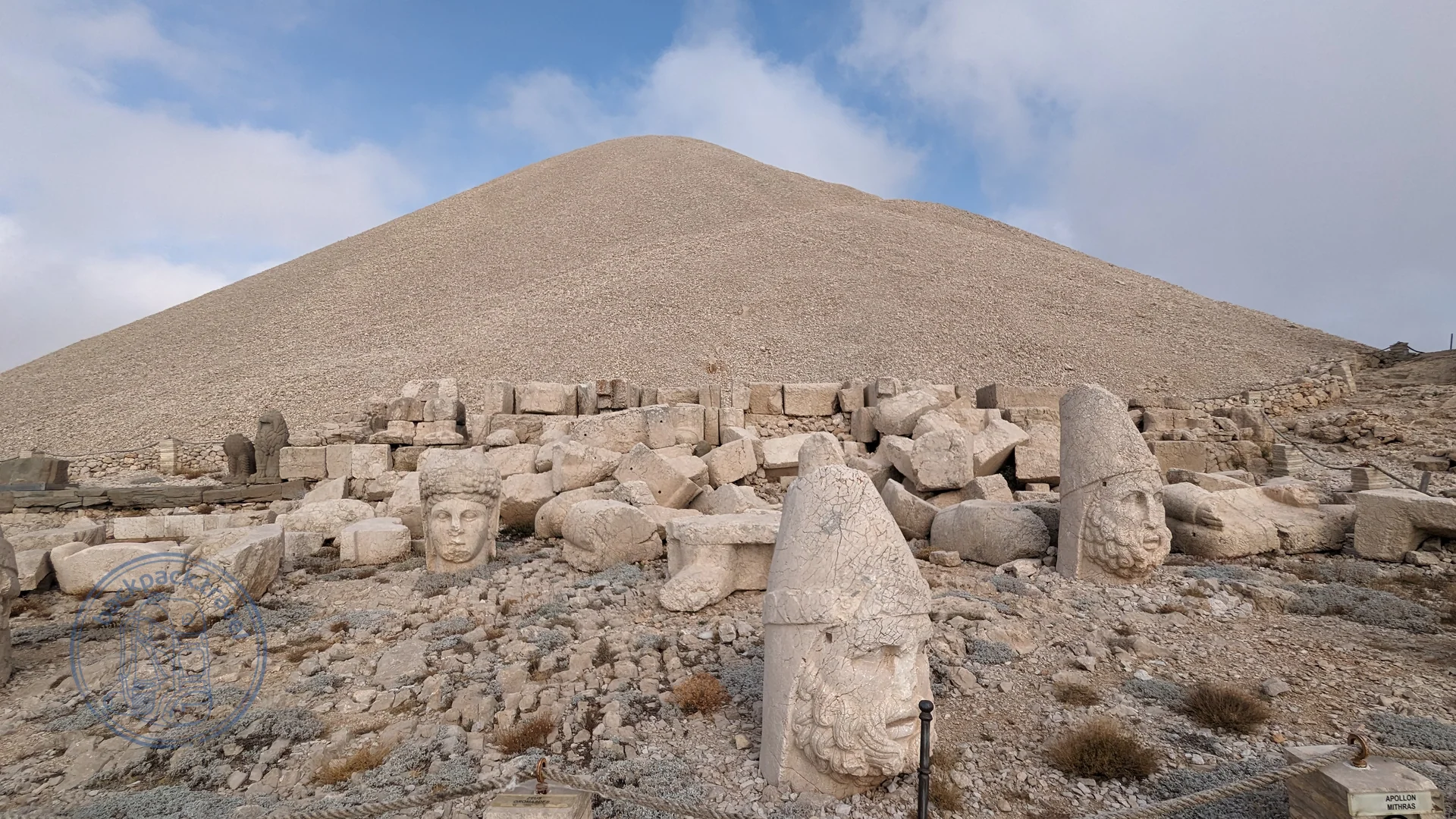
Halfeti is a village half-drowned by the dam: the minaret of the flooded mosque stands above the reservoir, and boats run out to it. Rumkale, a fortress on a cliff over the Euphrates, is next to Halfeti. Adıyaman, for Mount Nemrut, is two and a half hours away.
When to come
April–May and September–October. Daytime temperatures then run 20–28°C, which counts as comfortable for this region.
Summer is harsh: from June through August it holds at 35–40°C, the air is dry, and the streets of the old town give little shade. Sightseeing works only in the morning and the evening, though the thick stone walls of the houses and the bazaar domes stay genuinely cool inside. Winter is mild, around 10°C, with occasional snow; the museums are open and there are almost no tourists, which makes it a reasonable time if the point is food and mosaics rather than walking.
Food and money
This is what people come for. The baklava here is made with pistachio, thin pastry and restrained sweetness — the best workshops are known by name and the queues at them are real. Among hot dishes: ali nazik (kebab over a purée of roasted aubergine with yoghurt), beyran (a spicy lamb soup eaten at breakfast), künefe with cheese that pulls into threads. Pistachios grow in the surrounding countryside and go into everything.
Cards are taken everywhere and ATMs are plentiful. Cash is useful in the bazaar and in small places, which often have no terminal.
What to know
The February 2023 earthquake damaged historic buildings in the city. Confirm access to each museum, monument or hotel for your travel date; an old repair notice does not describe every site today.
The region is more conservative than the west coast: women do well to cover shoulders and knees, though a headscarf is not needed. The nearby Syrian border makes no difference to daily life in the city, but photography is restricted in the border strip. The streets of the old quarter climb steeply and are paved in smooth stone that turns slippery after rain.
Updated