 Города и дороги
Description
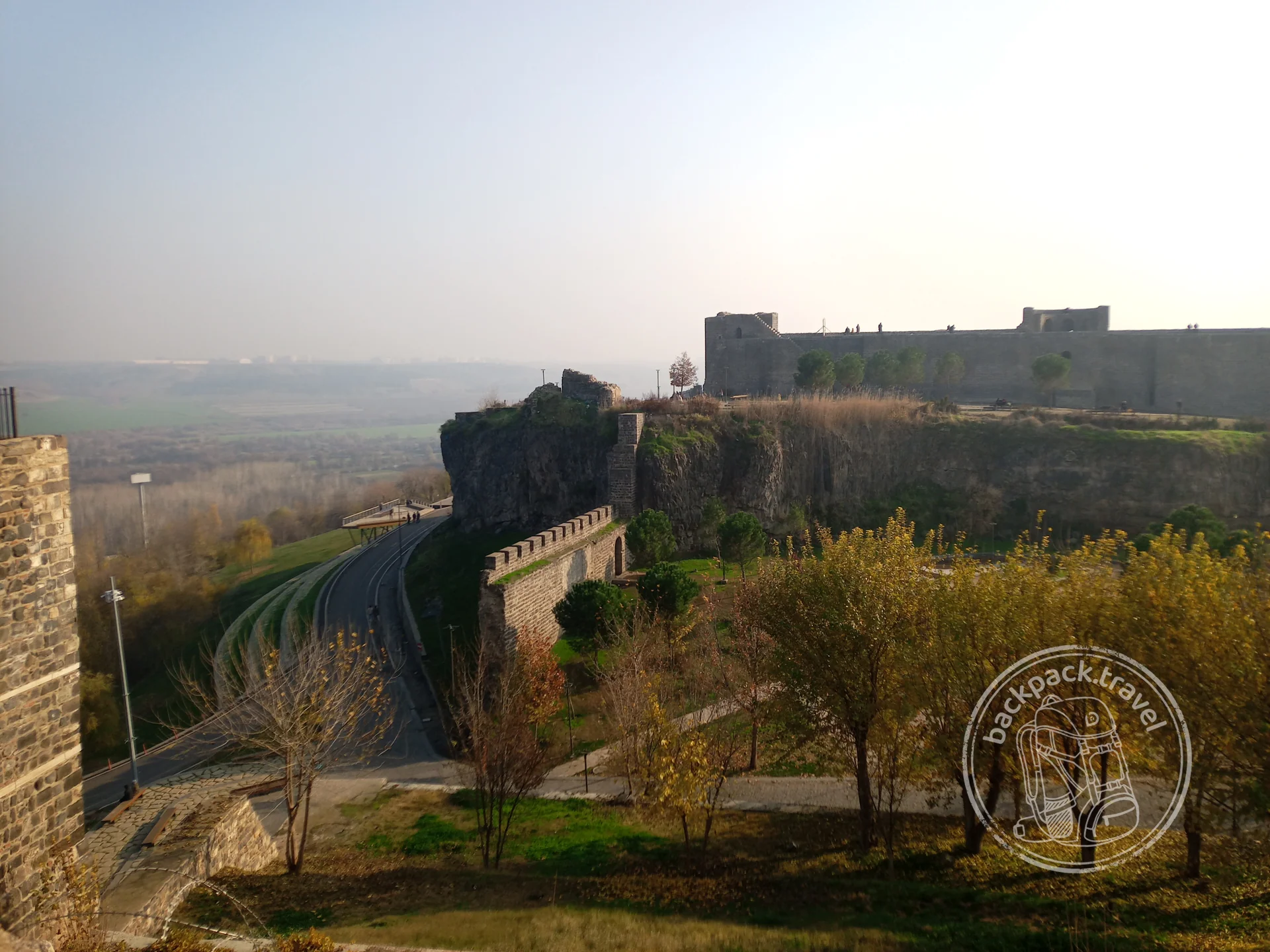
A city of black basalt above the Tigris, ringed by 5.7 kilometres of Roman-era walls: Artuqid towers carved with lions and eagles, one of the oldest mosques in Anatolia, and the Hevsel Gardens along the river.
Wiki
Diyarbakır sits on a basalt plateau above the Tigris and remains the largest city of the Turkish south-east: about 1.2 million people live in its four central districts and nearly 1.9 million in the province. Ancient Amida was a Roman frontier garrison, and the present outline of the black basalt walls goes back to the rebuilding of 349 under Constantius II. The city passed in turn to Byzantium, the Arabs, the Marwanids, the Artuqids and the Akkoyunlu, and from 1515 to the Ottomans; every dynasty left its inscriptions on the towers. Today it is the unofficial capital of the Kurdish part of the country.
Why come and what to actually see
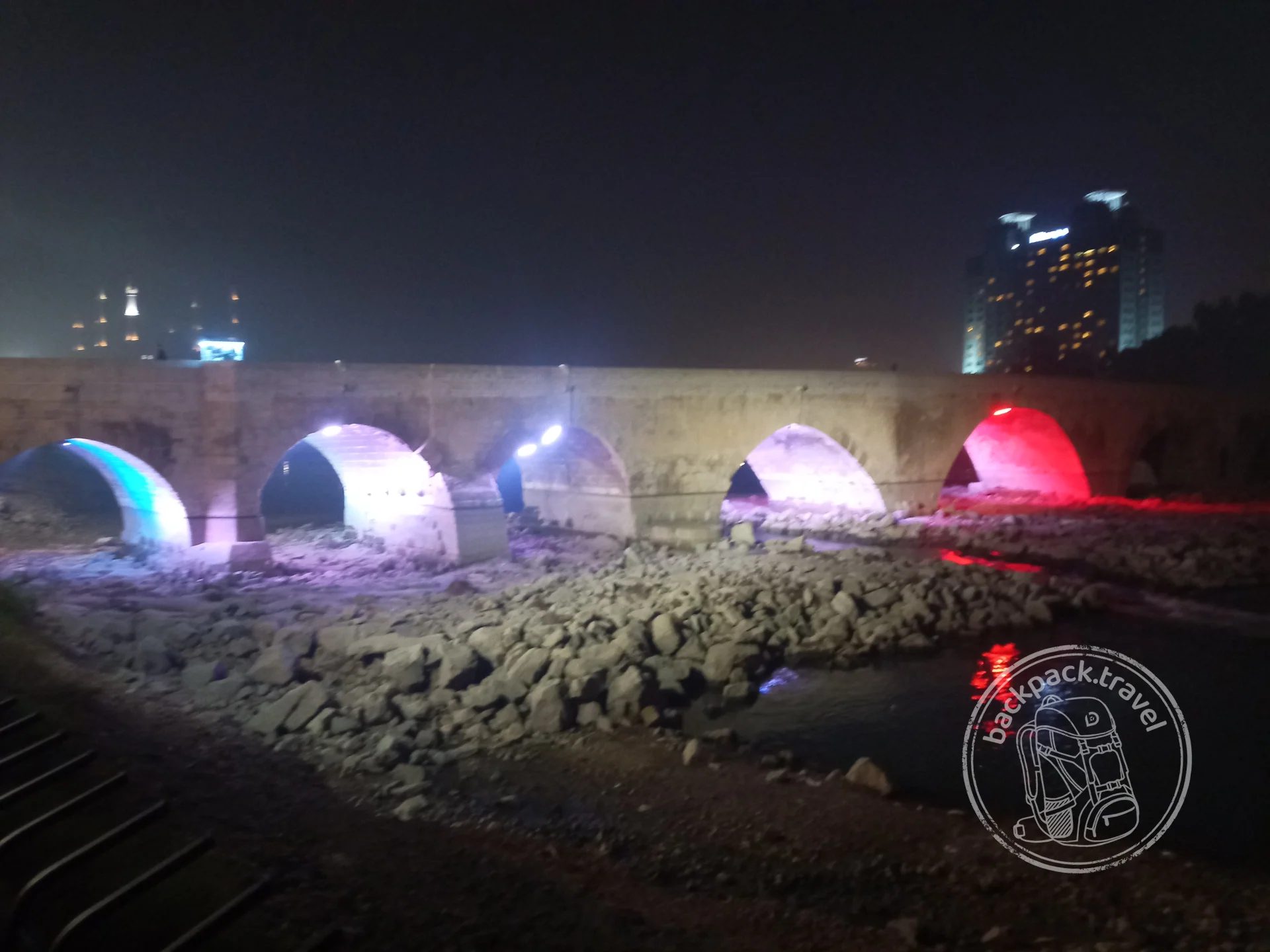
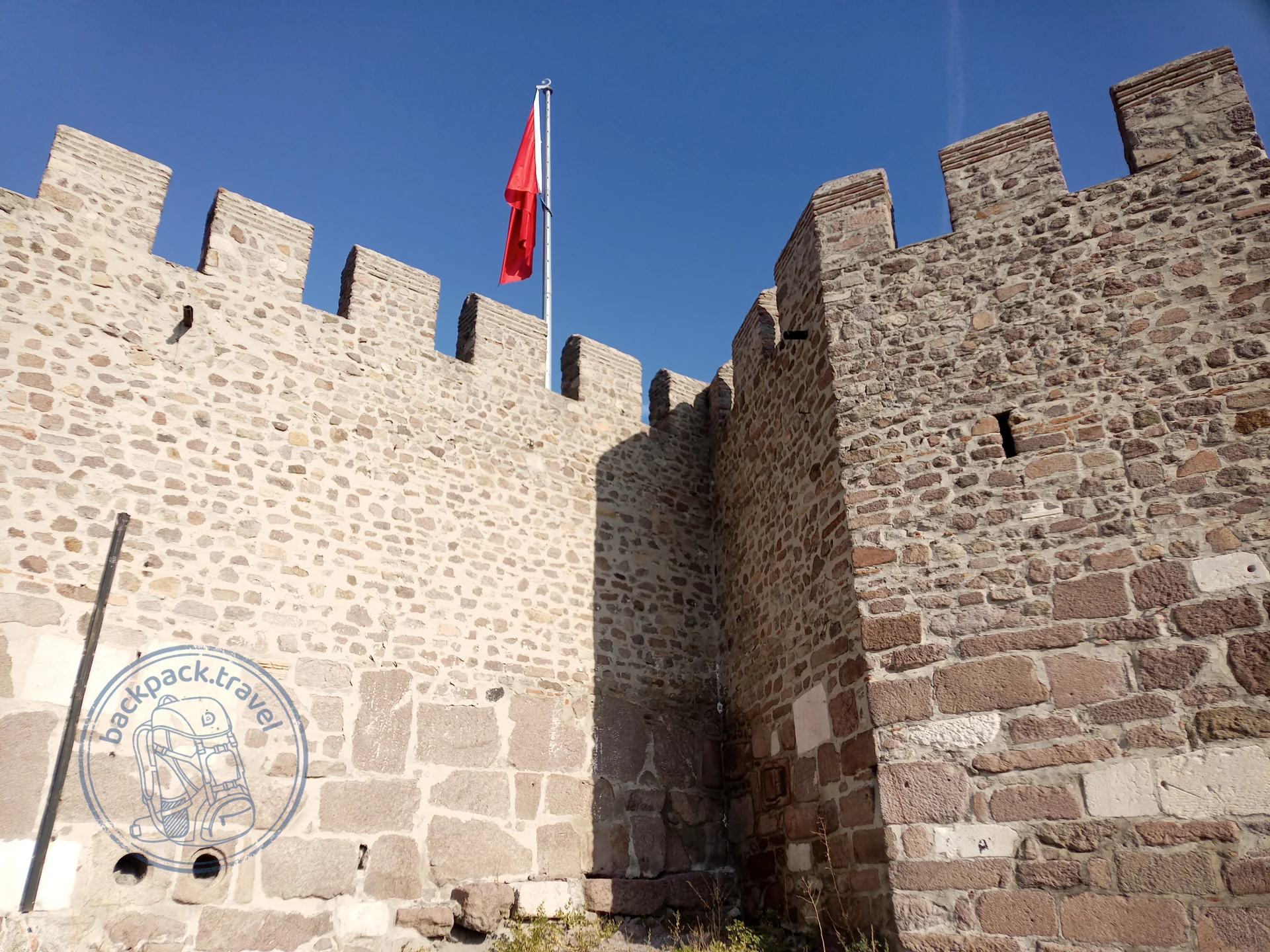
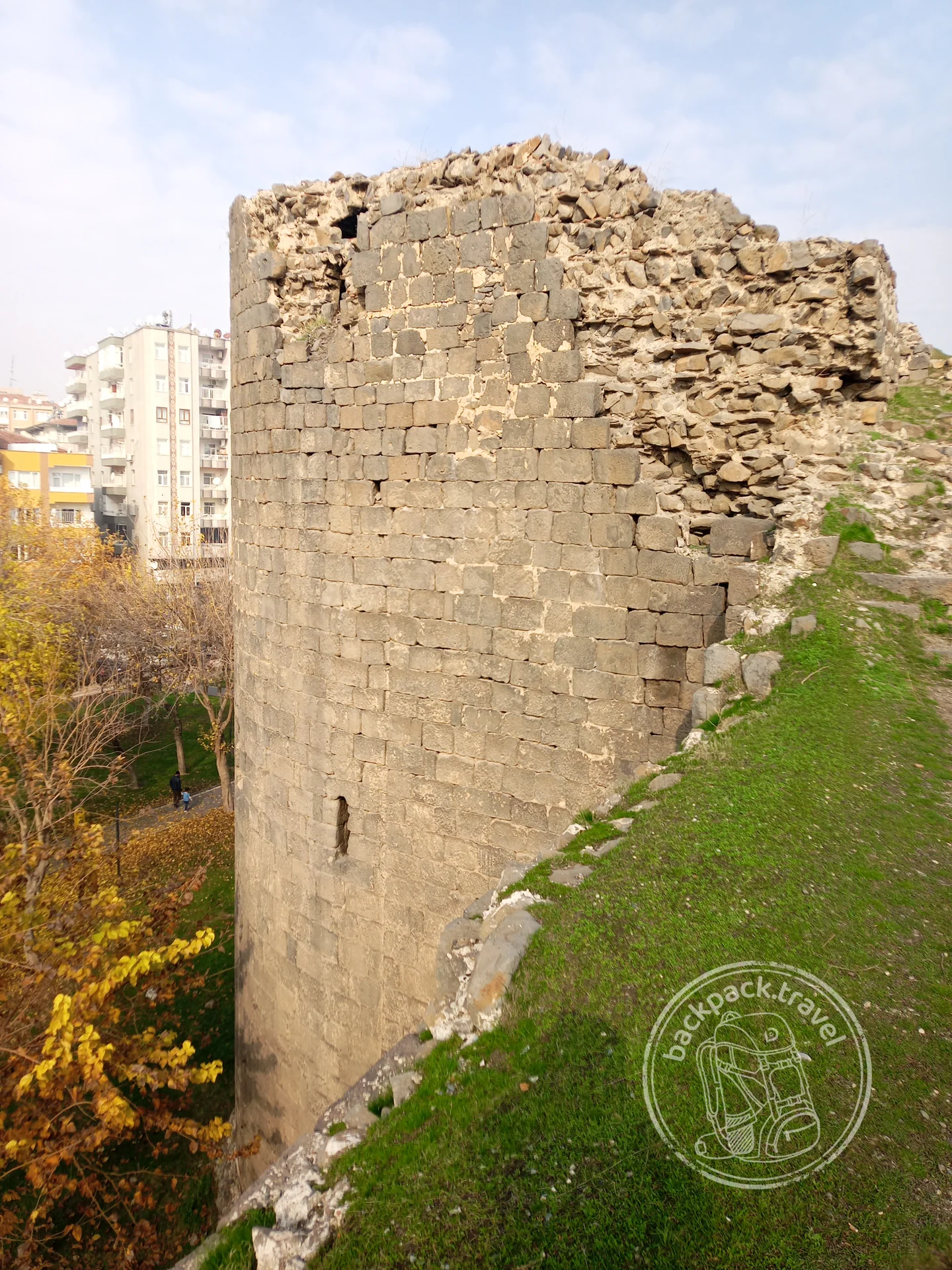
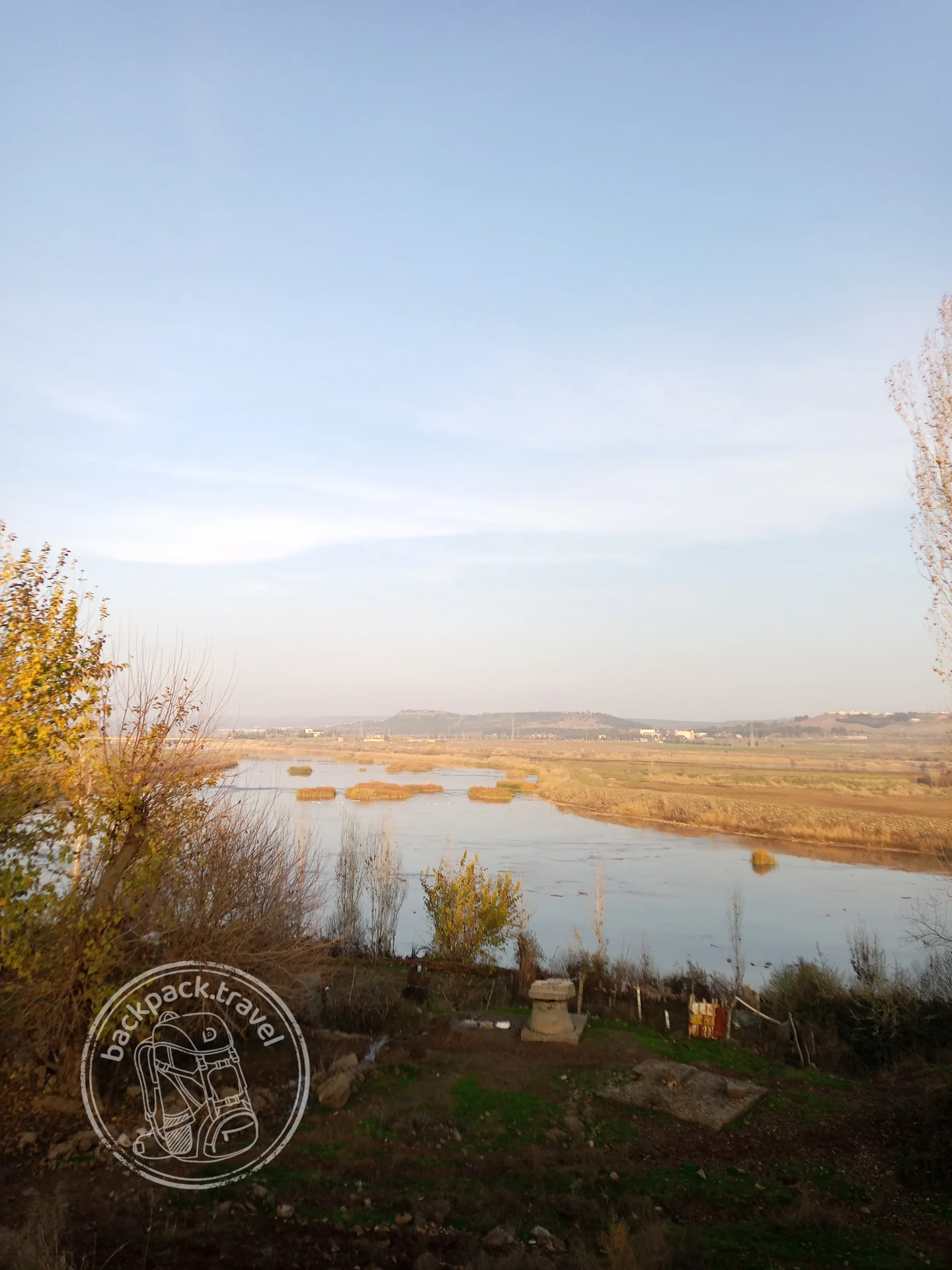
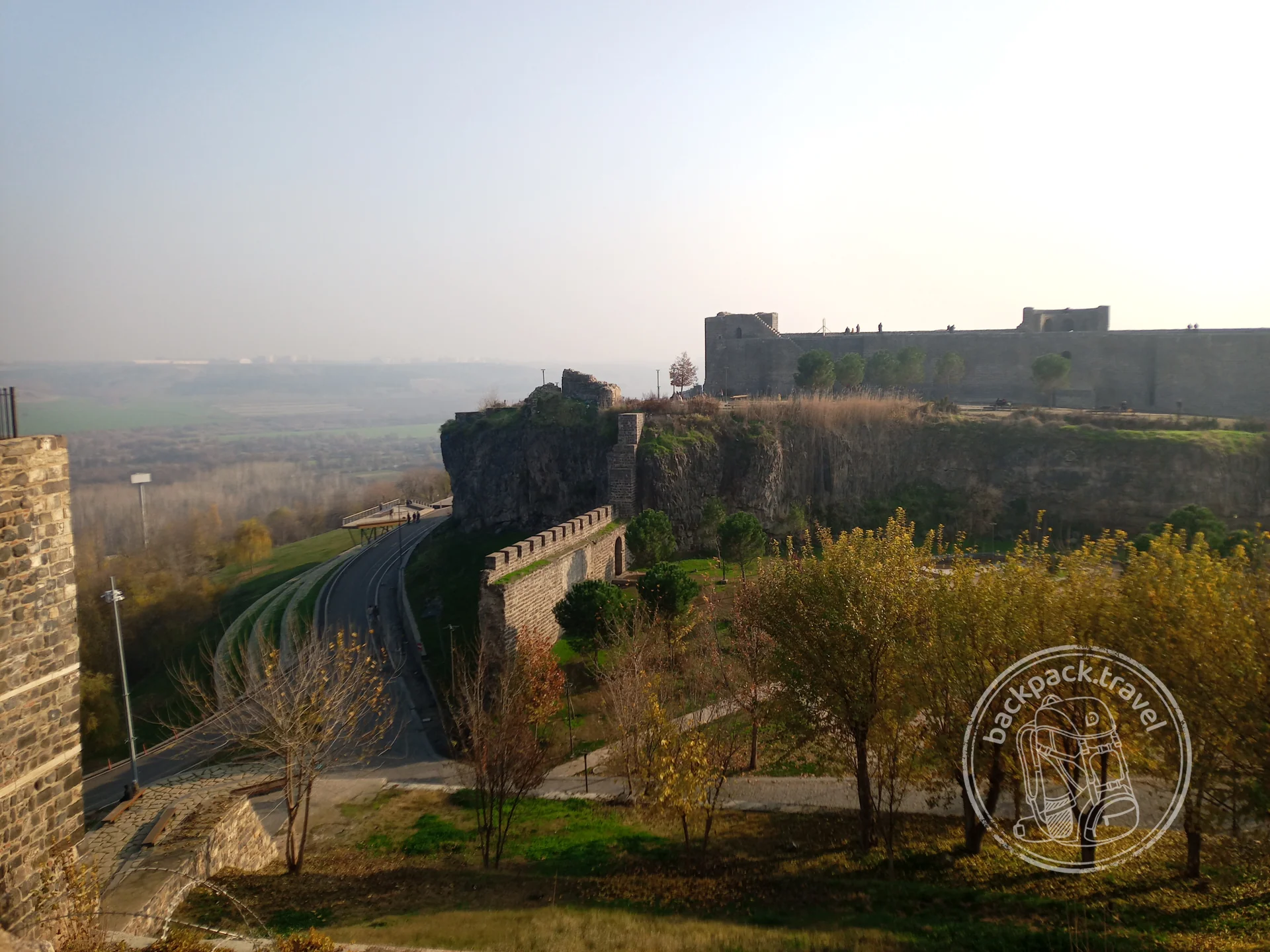
The walls are the reason to come. The ring runs about five thousand seven hundred metres, stands eight to twelve metres high, and has some eighty towers and four gates: Dağ, Urfa, Mardin and Yenikapı. In 2015 the fortifications, together with the Hevsel Gardens, joined the UNESCO list. The best stretch to walk is the southern one, from the Mardin Gate to the Keçi tower, which opens onto the Tigris, the Ten-Eyed Bridge of 1065 and seven hundred hectares of the Hevsel Gardens. The Ulu Beden and Yedi Kardeş towers, built by the Artuqids in 1208, keep their Kufic inscriptions and reliefs of lions and double-headed eagles.
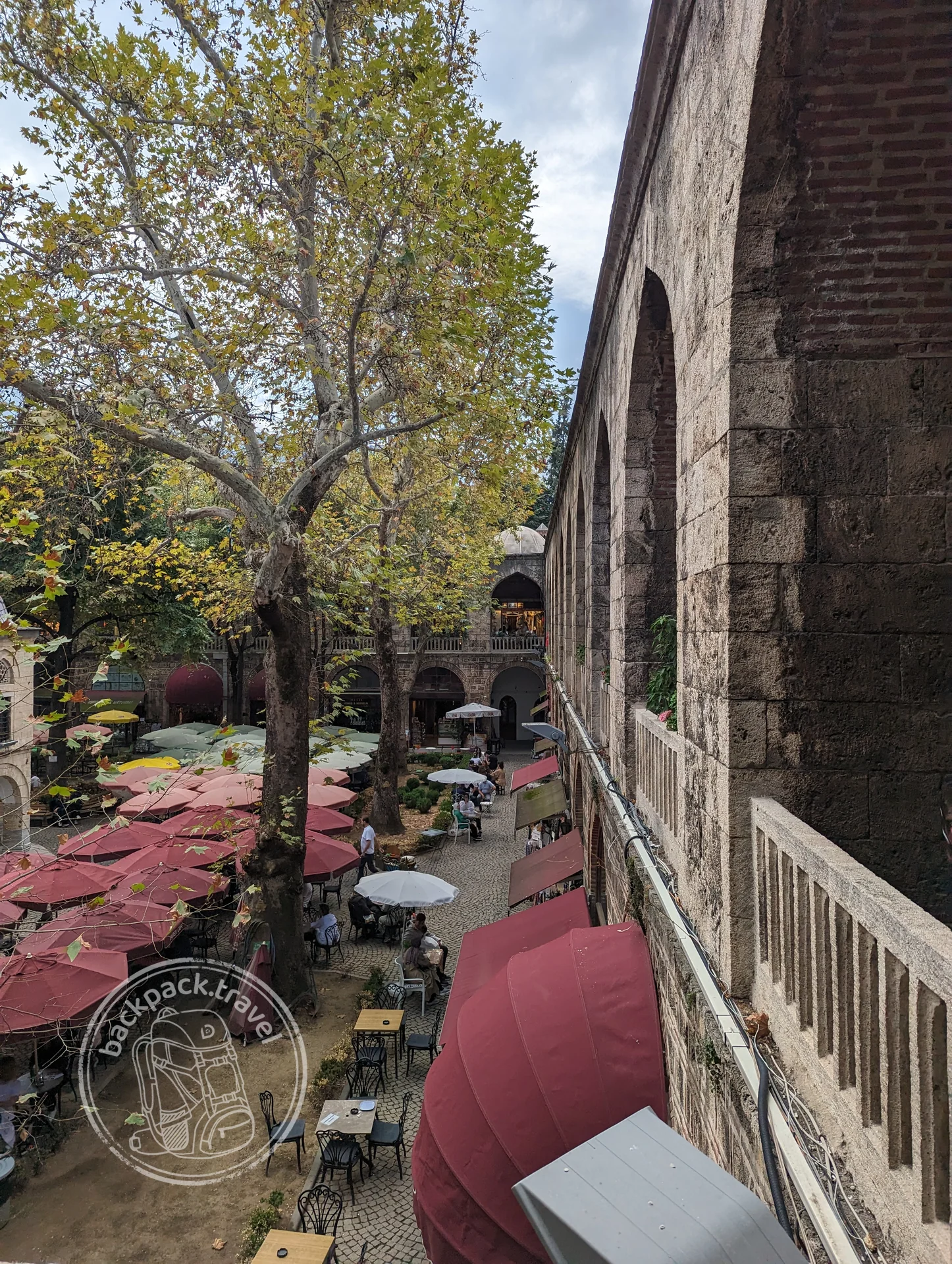
The Ulu Camii inside the walls was rebuilt in 1091–1092 on the orders of the Seljuk sultan Malik Shah and counts as one of the oldest mosques in Anatolia. Its courtyard is assembled out of Roman stone, with columns and capitals brought from ancient buildings. The mosque spent three years under restoration and reopened in September 2025. Opposite it is the Hasan Paşa Hanı, a caravanserai of 1572–1575 now filled with coffee houses, where locals come for breakfast.
The Şeyh Mutahhar mosque is known for its Four-Legged Minaret: the shaft rests on four short columns and you can walk underneath it. It was built under the Akkoyunlu at the turn of the fifteenth and sixteenth centuries.
Among the Christian buildings the main one is the Armenian church of Surp Giragos, the largest in the Middle East; damaged in 2015, it reopened in May 2022. The İçkale citadel houses a museum complex with an archaeological collection and the church of St George.
Getting there and getting around
The airport lies a few kilometres from the centre, ten minutes from the Yenişehir and Kayapınar districts. Flights arrive from Istanbul, Ankara and İzmir several times a day, and this is the easiest way into the city. There is a train from Ankara, the Güney Kurtalan Express, but the journey takes around twenty-three hours. Buses connect Diyarbakır with Mardin, ninety-five kilometres away, and with Şanlıurfa, a hundred and eighty-two kilometres and two and a half hours off.
Buses and dolmuş minibuses run inside the city, but historic Sur is walkable: it is less than two kilometres in a straight line from the Dağ Gate to the Mardin Gate.
Where to stay
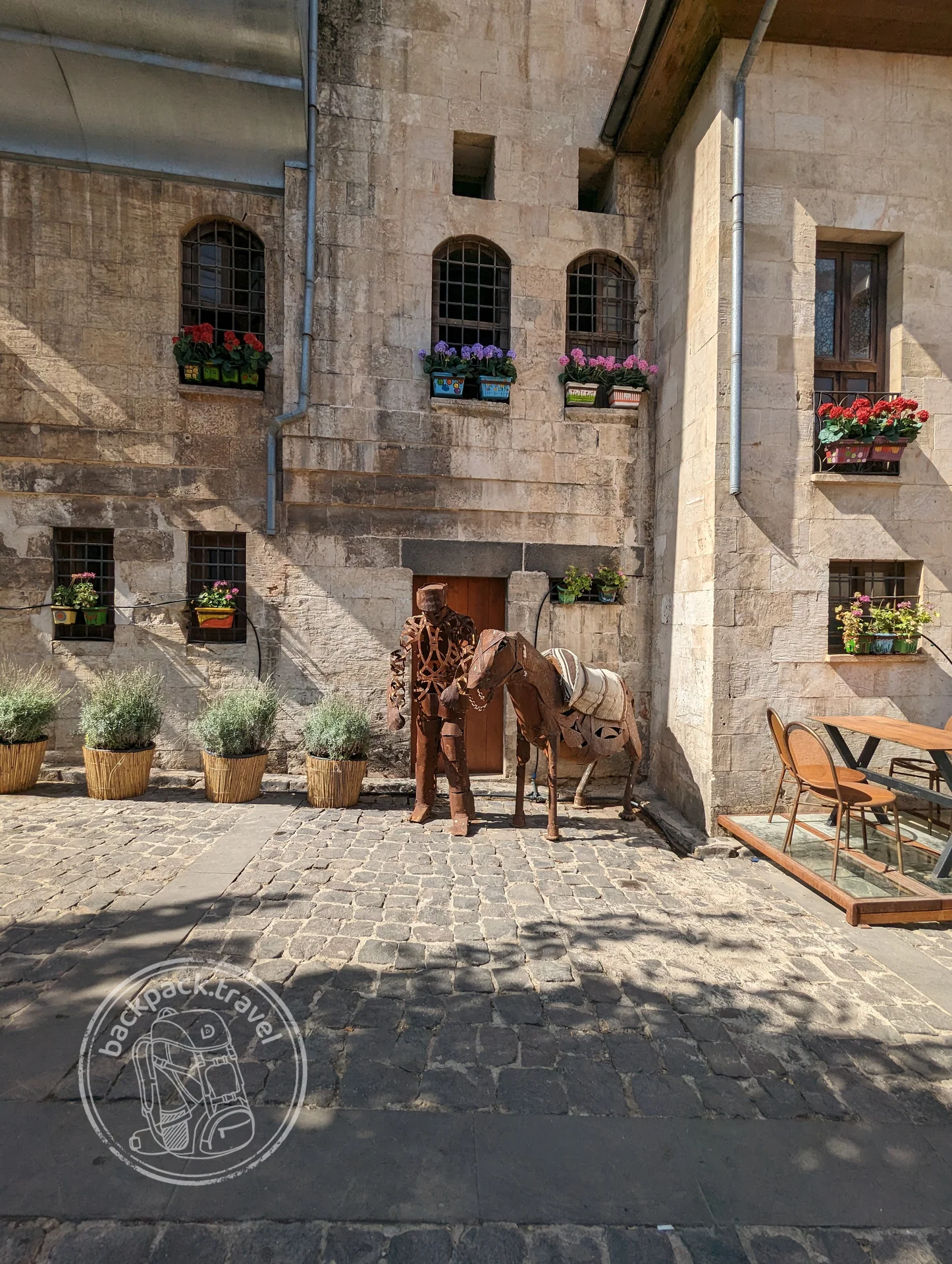
Sur has a few small hotels in converted basalt houses with inner courtyards; there are not many of them, but everything is within walking distance. The bulk of the beds are in Yenişehir and Kayapınar: ordinary mid-range city hotels, better served by the surrounding infrastructure, though the walls then take a ride to reach. Prices are noticeably lower than in Istanbul.
Day trips
Zerzevan castle, forty-five kilometres out on the Mardin road, is a Roman frontier fort with an underground sanctuary of Mithras, the only one in this part of Anatolia. Excavation has been under way since 2014 and the site is open to visitors.
Eğil, fifty kilometres to the north: rock-cut tombs of the Assyrian period above the reservoir on the Tigris, and a view down the canyon. Çermik, ninety kilometres away, is known for its hot springs and travertine terraces. Mardin is close enough for a day trip, though the town is worth an overnight stay.
When to come
Come in April, May or from the second half of September through October. In spring the plain is green and daytime temperatures run from twenty to twenty-eight, and the walls look their best at that point: black basalt against green.
Summer here is long and very hot: from June to September the days bring thirty-eight to forty-two degrees, the city bakes, and sightseeing is only possible in the morning and the evening. Winter is cooler than in the south of the region, around five to eight degrees by day, with rain and occasional snow. November and March are awkward for walking the walls, as wet basalt is slippery.
Food and money
Diyarbakır's cooking likes sourness: meftune is made with sumac, and pomegranate molasses goes into many dishes. The classics are kaburga dolması, stuffed lamb ribs, and ciğer kebab of liver, eaten here at breakfast. Breakfast in general is a genre of its own: in the courtyard of the Hasan Paşa Hanı they serve sheep's butter, honey and local cheese. For dessert people take kadayıf dolması with walnut, and a particular point of civic pride are the enormous watermelons from the riverside fields, which have their own autumn festival.
Cards are accepted everywhere; cash is needed in the bazaar around the Ulu Camii.
What to know
The earthquake of 6 February 2023 took more than four hundred lives in the province; apartment buildings collapsed in the newer districts, and in the Galeria complex alone eighty-nine people died. The walls and the citadel withstood the shocks and no serious damage was found on them. Twelve historic buildings were affected, most of them now restored, the Four-Legged Minaret included.
The second mark on the face of the city was left by the fighting of 2015–2016 in Sur: part of the quarters inside the walls was destroyed and rebuilt, and the difference between the old fabric and the new is immediately visible. The monuments in the western half of Sur are intact and accessible.
The situation in the city has long been calm, but there are checkpoints on the roads out and documents should be carried. Diyarbakır is more conservative than the western cities yet even-handed with visitors; covering clothes are useful in the mosques.
Updated