Amasya
Description
A town in northern central Anatolia wedged into the narrow gorge of the Yeşilırmak, under cliffs holding the rock-cut tombs of the kings of Pontus, with a citadel above and Ottoman timber houses along the river.
Wiki
Amasya is a town in the north of central Anatolia, some hundred and thirty thousand people, wedged into the narrow gorge of the Yeşilırmak. The cliffs rise straight above the roofs, and cut into them are the tombs of the kings of Pontus, the burial places of the Mithridatic dynasty that ruled from here between the fourth and the first century BC. The geographer Strabo was born in the town and described those tombs in his Geography. Under the Ottomans, Amasya was where heirs to the throne were sent to learn how to govern, which left it with an unusual number of medreses and mosques for its size.
Why come and what to actually see
The rock-cut tombs are what people come for. There are around twenty in all, the five largest in a row across a sheer wall: each is a chamber separated from the mass of rock by a corridor running around it, so that the façade ends up carved out of the monolith. A stairway and a path lead up to them, they are floodlit in the evening, and from the embankment they read as a line of dark openings above the town.
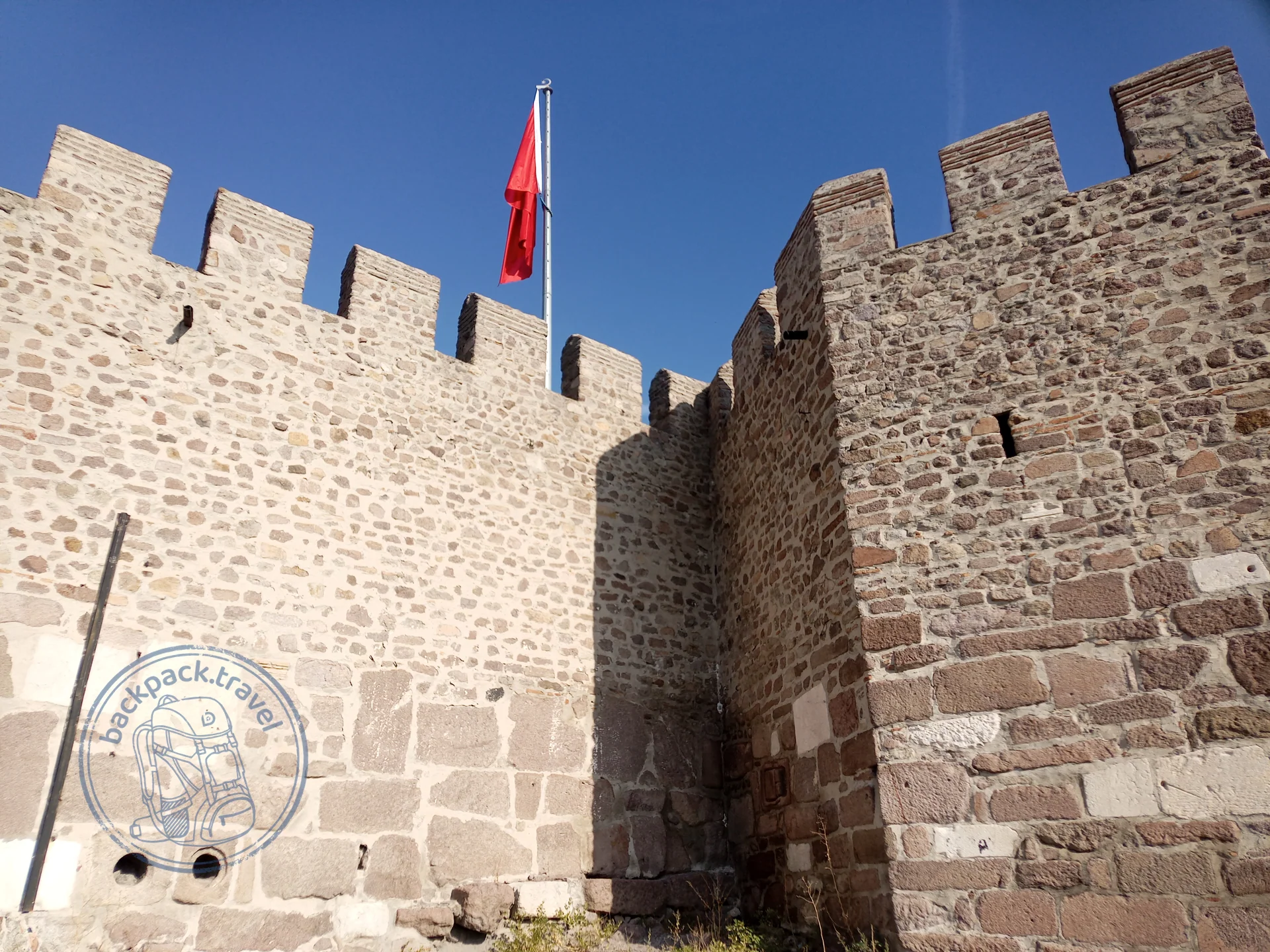
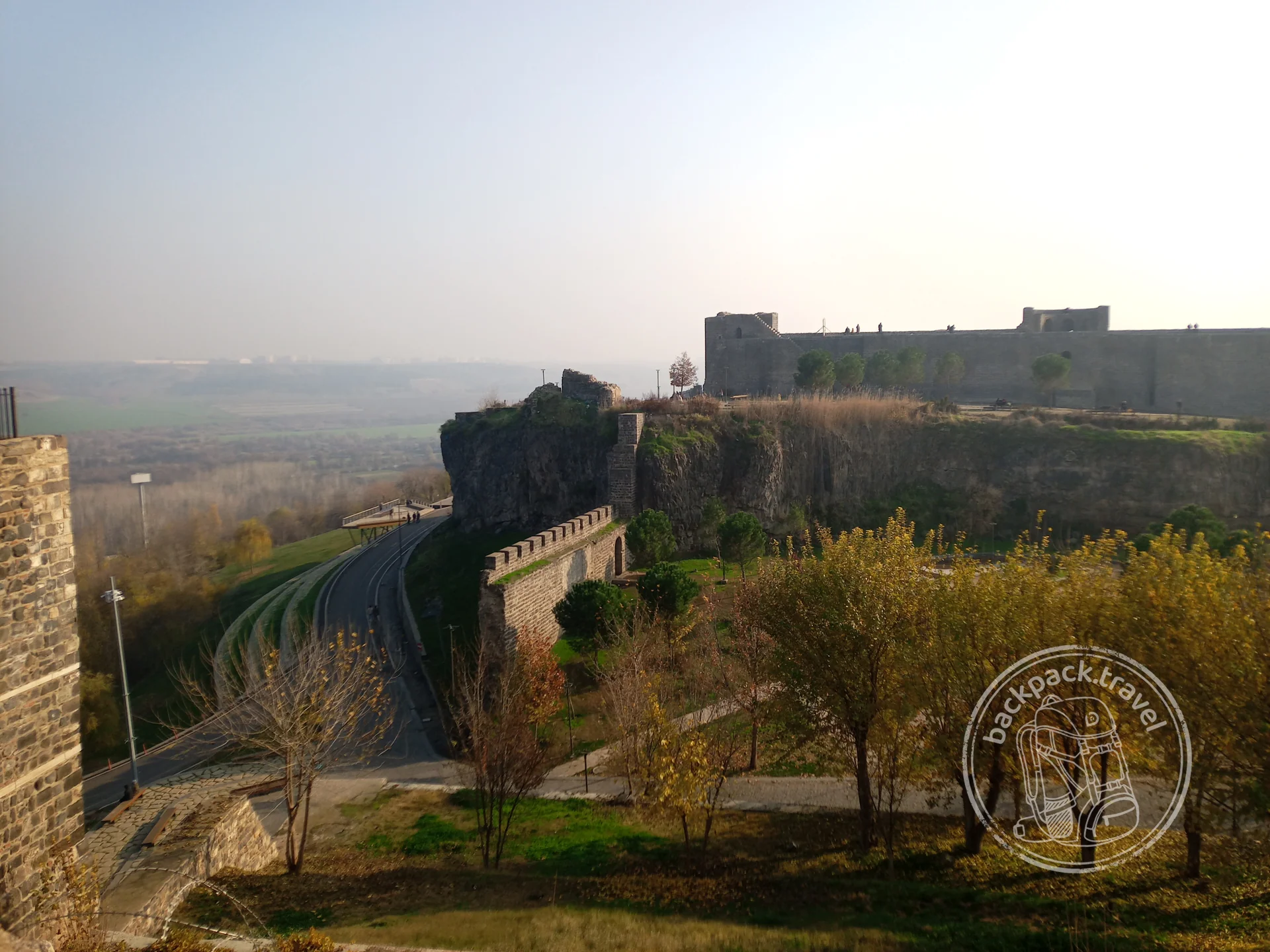
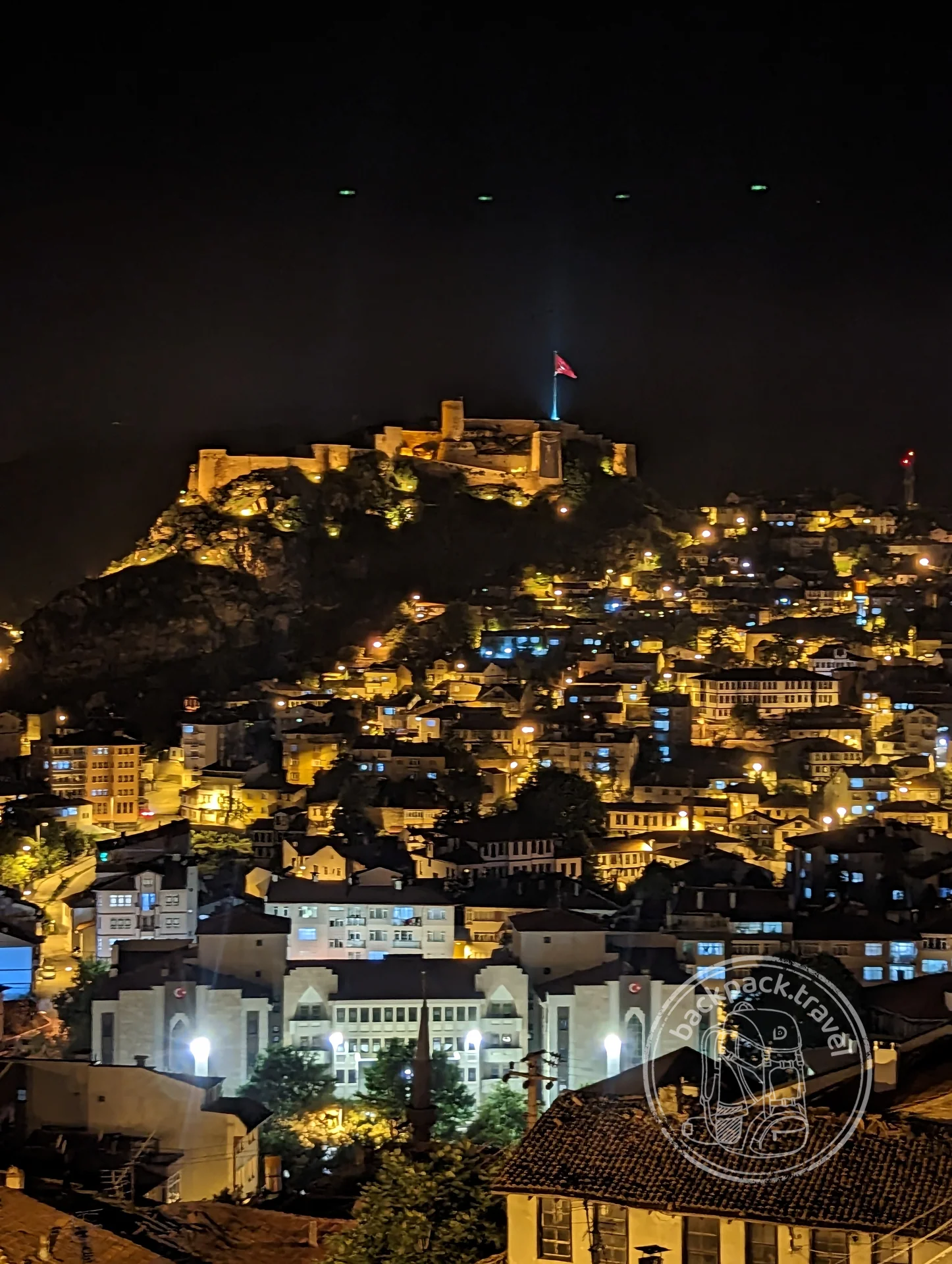
Higher up the slope stands the citadel, occupied since Hittite times and rebuilt by Romans, Byzantines and Ottomans. The climb is steep, but the viewing platform takes in the whole town inside its gorge — the view that made Amasya recognisable.
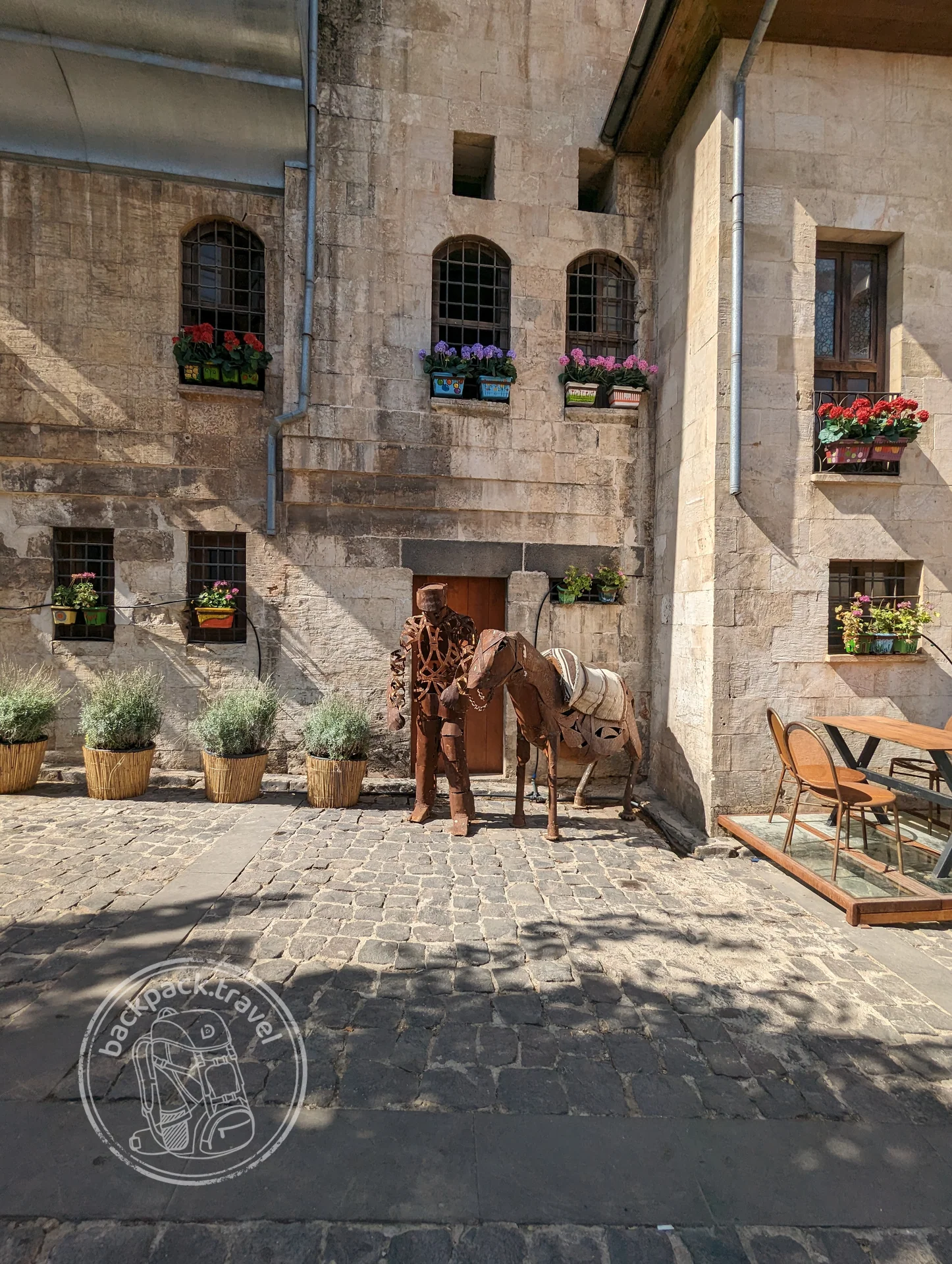
Below, along the river, runs a row of nineteenth-century Ottoman timber mansions: whitewashed fronts, dark framing, overhanging cumba bays. Some have been restored as hotels and coffee houses, others are open as museums with interiors put back the way they were — the Hazeranlar house is considered the best of them.
Among the mosques, look at the Sultan Bayezid, the largest in town, and the Bürmalı Minare with its unusual twisted minaret. Apart from those, the Darüşşifa complex of 1308 is an Ilkhanid hospital where, by tradition, the mentally ill were treated with music; it now houses a museum.
Getting there and getting around
Merzifon airport, forty kilometres away, takes flights from Istanbul and Izmir. Buses come in from Ankara in five hours, from Istanbul in ten, from Samsun in two. There is a train, but it is slow.
The town is small and entirely walkable: twenty minutes from one end of the embankment to the other. The citadel can be reached by taxi along the bypass road or on foot up the path in an hour. The tombs are open during the day, entry is charged, and the stairs take about fifteen minutes.
Where to stay
The most interesting option is a hotel in one of the restored Ottoman houses on the north bank: small places with wooden staircases and a view of the cliffs and their tombs. There are not many, and in summer they are booked well ahead. There are also ordinary town hotels nearer the coach station, cheaper and with no view at all.
Plenty of people come for the day from Samsun or on the way between Ankara and the Black Sea coast, but Amasya is distinctly better in the evening when the floodlights go on, so a night here earns its place.
Day trips
Hattusa, capital of the Hittite kingdom, with its gates of lions and sphinxes, is a hundred and eighty kilometres to the south-west, about three hours: a UNESCO site and one of the key points of Anatolian archaeology.
Samsun on the Black Sea is a hundred and thirty kilometres away, an hour and a half. Tokat, with its castle and Seljuk buildings, is a hundred kilometres south. Within the province itself there are also the village of Yörgüç and the thermal springs of Hamamözü, seventy kilometres out.
When to come
April to June and September to October. Days then run twenty to twenty-five degrees, the gorge is green, and the climb to the citadel and the tombs does not wear you out. In April and May the apple trees along the river are in blossom — Amasya is known for its apples, which even appear on the town's coat of arms.
July and August are hot, up to thirty-five degrees, and the air sits still in the gorge. Evenings, though, are always cooler here because of the river. Winter is damp and cold, with snow; the floodlights still work, but walking the embankment is uncomfortable and the path to the citadel ices over.
Food and money
The cooking is central Anatolian: kebabs, keşkek — wheat porridge with meat — and vine-leaf dolma. The local speciality is apples in every form, from dried to fruit leather. Cafés along the embankment face the cliffs; prices there run above the usual town level, but not painfully so.
Cards are taken everywhere and there are ATMs in the centre. Cash comes in useful at the market and in small places.
What to know
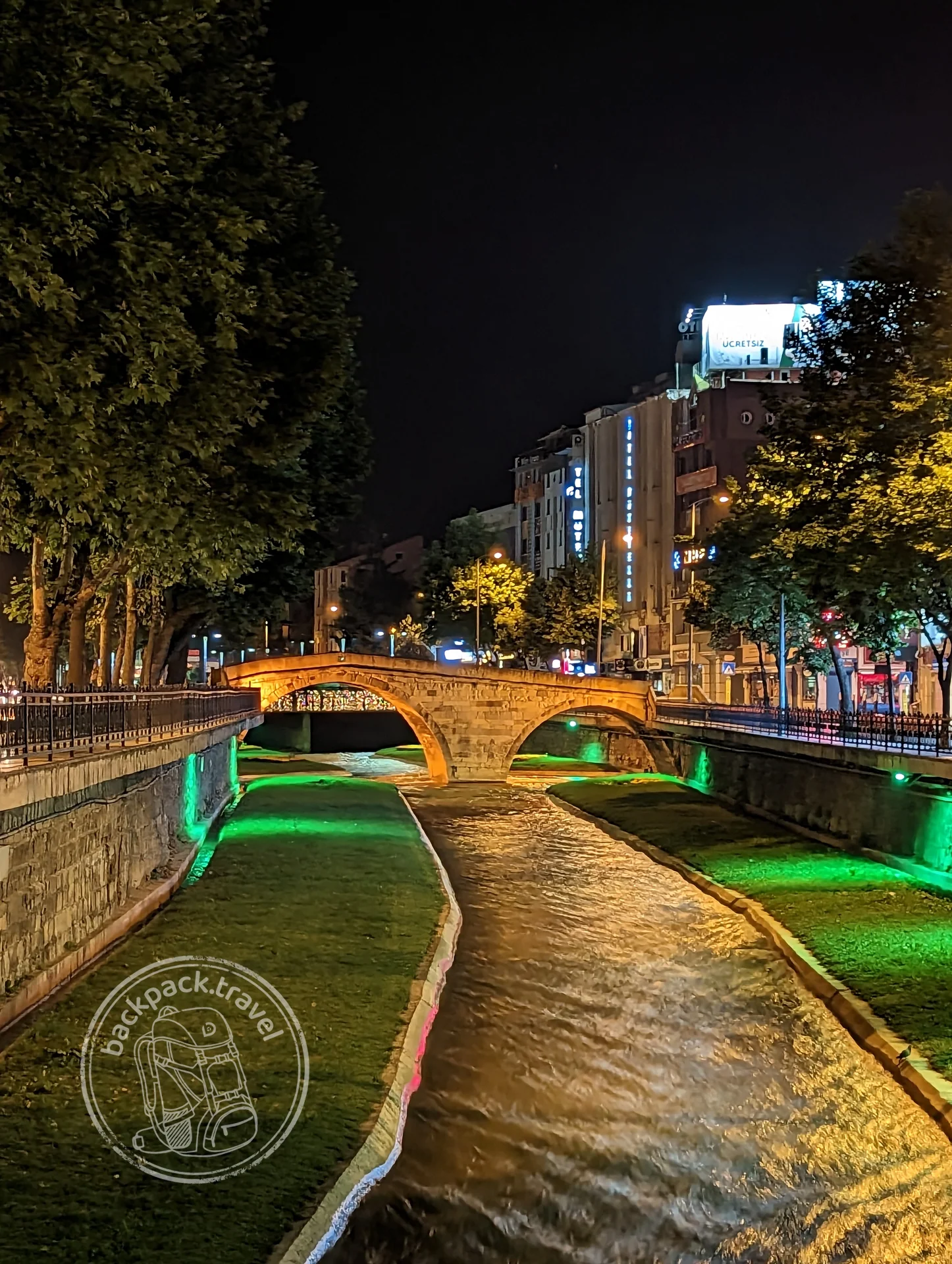
The town is stretched out along the river and very narrow: getting lost is impossible, but you cross from bank to bank often, and there are not many bridges.
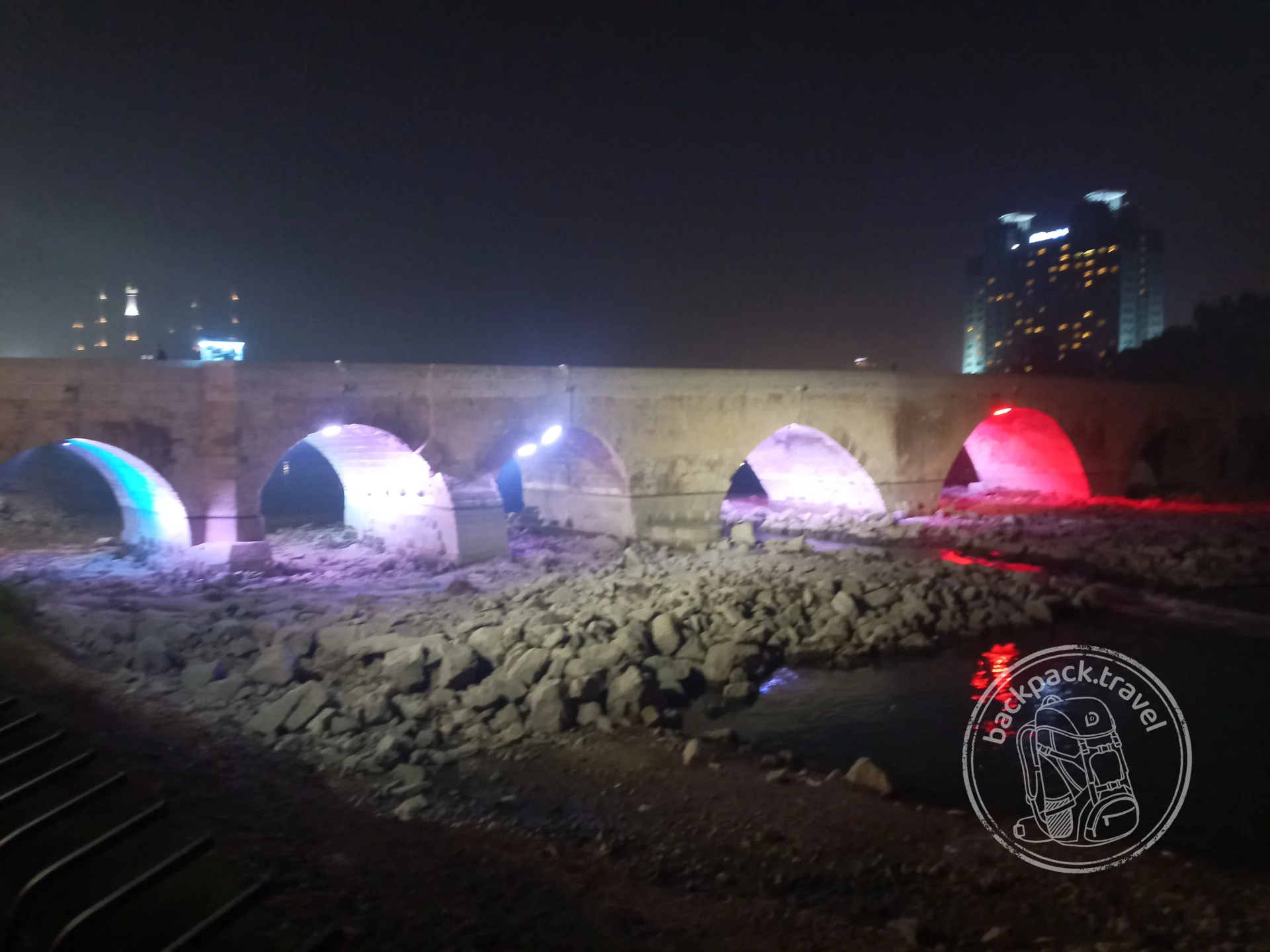
The floodlighting of the embankment and the tombs comes on after sunset and goes off around midnight. The colour changes, and at certain moments the water turns bright green or blue — a debatable effect, but those are the shots that end up on the postcards. Amasya is noticeably more conservative than the resort towns; women need a headscarf in the mosques, and one is usually kept by the door.
Updated