 Города и дороги
Description
The Turkish capital on the Anatolian plateau: Atatürk's mausoleum at Anıtkabir, the Museum of Anatolian Civilizations with finds from Çatalhöyük and Gordion, a Roman temple and a castle quarter above the old town.
Wiki
Ankara is the capital of Turkey and its second-largest city: about 5.9 million people live in the province. It sits on the Anatolian plateau at roughly nine hundred metres above sea level, which means dry air, hard winters and snow as an ordinary event. Ancient Ankyra began as a Phrygian settlement, became a centre of the Galatians, and from 25 BC served as capital of the Roman province of Galatia. The city was born a second time in 1919, when Mustafa Kemal turned a provincial town of a few tens of thousands into the headquarters of the national movement. On 13 October 1923 Ankara became the capital of the republic and was rebuilt from the ground up, with ministries, boulevards and whole districts of housing for civil servants.
Why come and what to actually see
Anıtkabir, the mausoleum of Atatürk, is the country's principal state monument. Emin Onat and Orhan Arda won the design competition, and construction ran from October 1944 to 1953. The approach is staged as a ceremony: the Road of Lions with twenty-four figures in Hittite style, a paved court, then the hall with the sarcophagus. A museum of the War of Independence runs around the perimeter. Entry is free and the guard changes every hour.
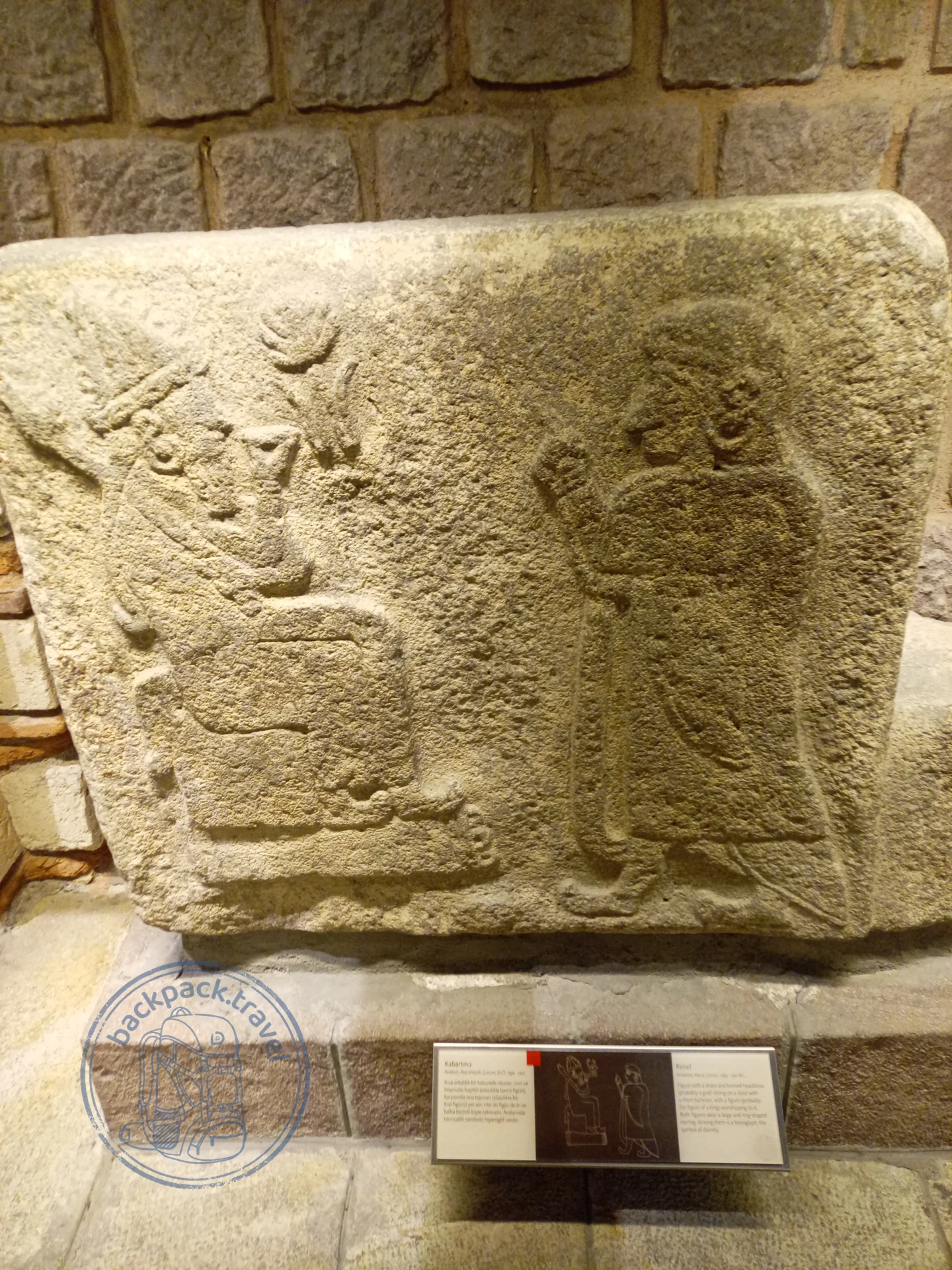
The Museum of Anatolian Civilizations occupies a fifteenth-century covered market and caravanserai at the foot of the castle. It holds the world's finest collection from prehistoric and Hittite Anatolia: wall paintings and clay figurines from Çatalhöyük, Hittite reliefs, wooden furniture from the royal burial mounds at Gordion. In 1997 it was named European Museum of the Year. Individual rooms close for restoration from time to time.
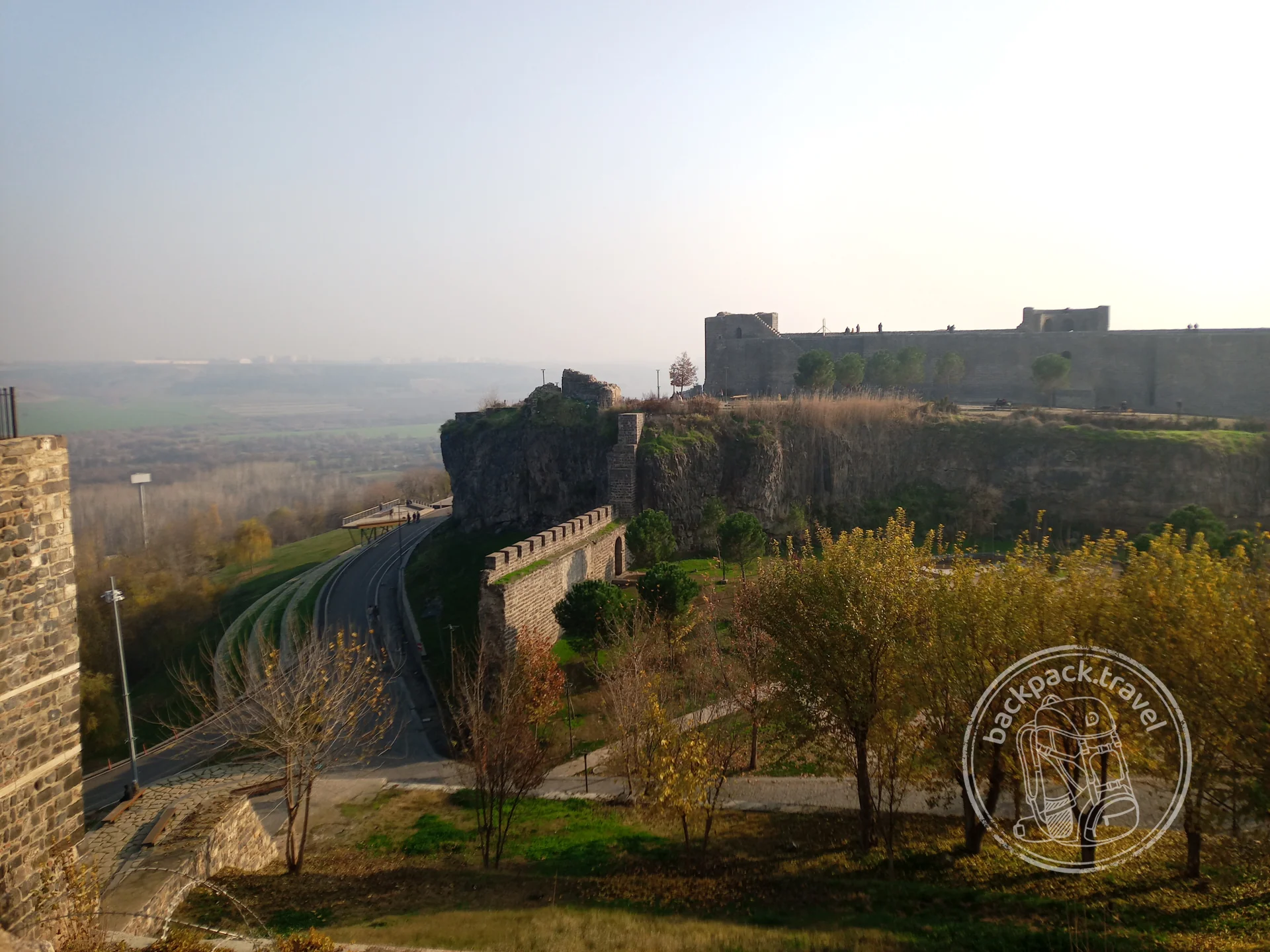
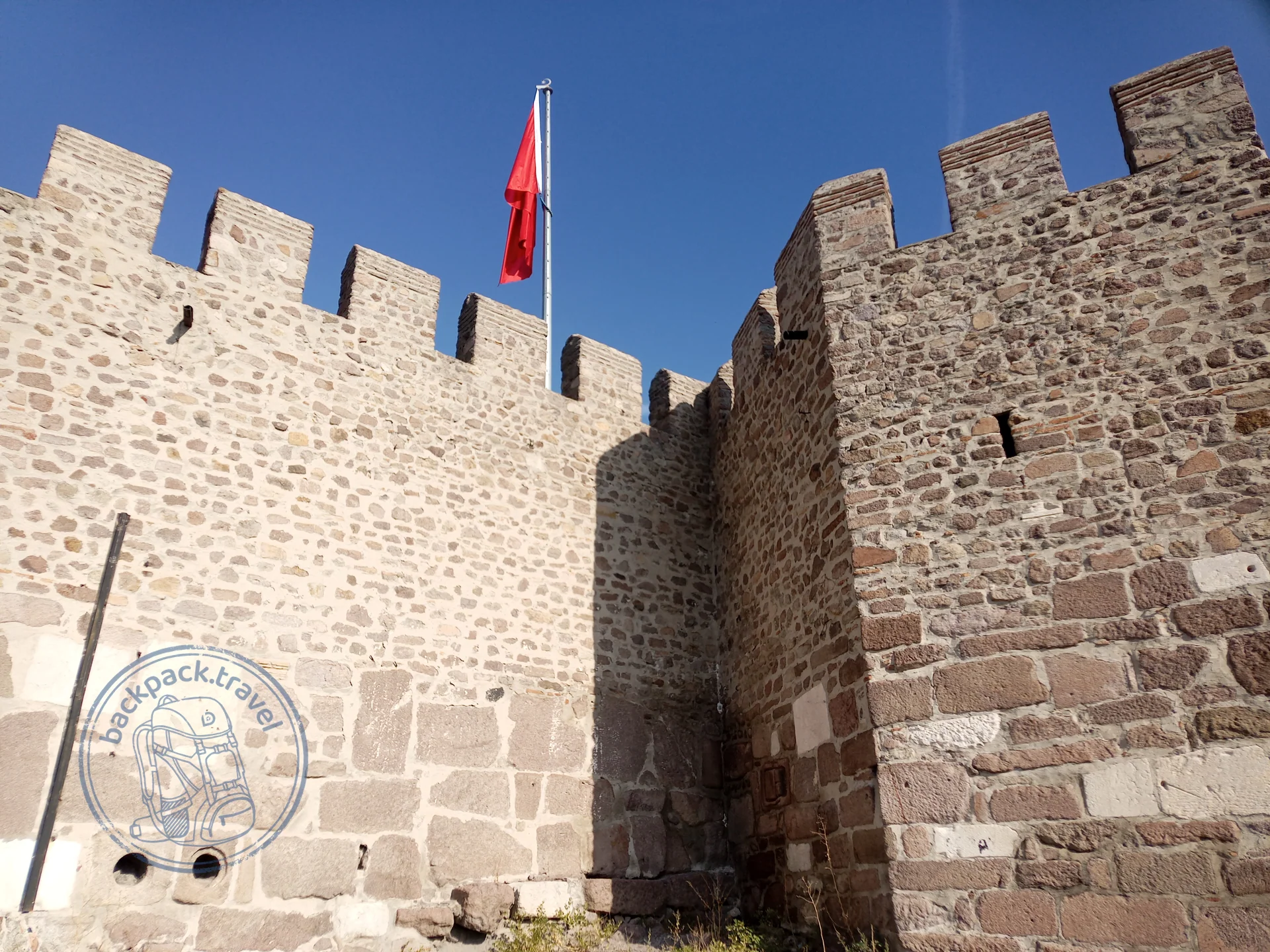
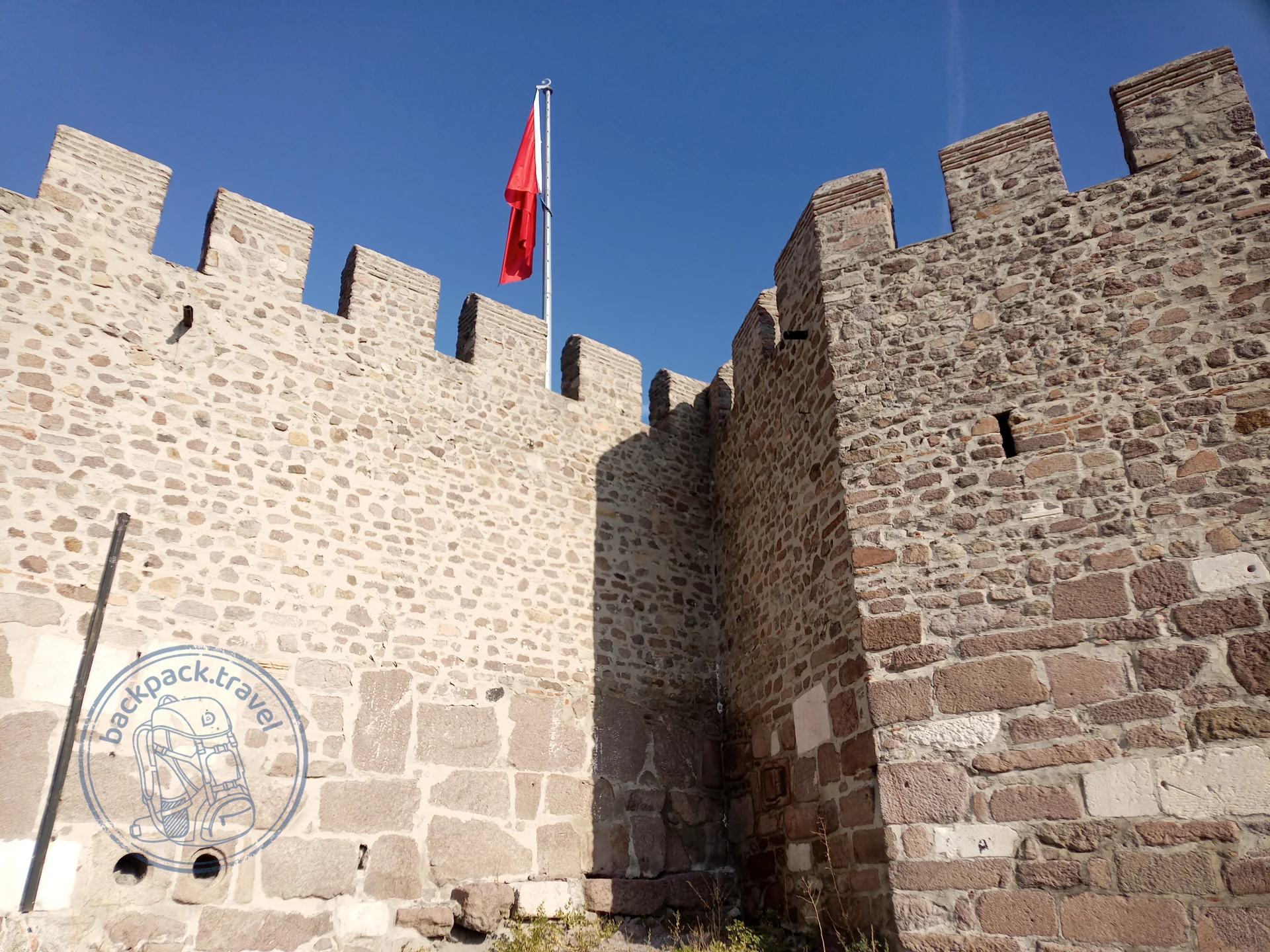
Hisar, the castle, stands on a rock above the old town. Roman capitals and gravestones are visible in the masonry, reused as building material; inside is a lived-in quarter of crooked lanes and coppersmiths' workshops.
Below the castle hides the Aslanhane Mosque, also known as Ahi Şerefeddin, dated 1290. From outside it is unremarkable; inside is a forest of wooden columns with Seljuk capitals, a mihrab of carved tilework and a minbar assembled by the kündekari technique without a single nail. In 2023 it entered the UNESCO list together with four other wooden mosques of medieval Anatolia.
The Ulus quarter keeps the Temple of Augustus and Rome, its walls carved with the fullest surviving copy of the Res Gestae Divi Augusti, the emperor's political testament, in Latin and in Greek. The Hacı Bayram Mosque of 1427 adjoins it, and third-century Roman baths lie a few blocks away. Also worth the time are the Kocatepe Mosque, built between 1967 and 1987, and Hamamönü, a restored quarter of Ottoman houses.
Getting there and getting around
Esenboğa airport lies twenty-eight kilometres north-east of the centre; the metro does not reach it, but airport buses run to Kızılay and the coach station. High-speed trains take about four and a half hours to Istanbul and an hour forty-five to Konya, and there are services to Eskişehir and Sivas.
The city has four metro lines plus the Ankaray light metro, together some sixty kilometres of track. The metro earns its keep on the long hauls, but Ulus and Kızılay are easier to cover on foot.
Where to stay
Kızılay is the transport hub of the city, noisy and convenient. Ulus is closest to the museums and the castle and noticeably cheaper, though the district is run-down. Çankaya and the streets around Tunalı Hilmi are calmer, and that is where the embassies, the good restaurants and the expensive hotels are.
Ankara lives on business travel and the civil service: weekdays here cost more than weekends.
Day trips
Gordion is ninety kilometres to the south-west, by the town of Polatlı: the Phrygian capital, the burial mounds of its royal dynasty, and the knot Alexander cut. Inside the Midas Mound the wooden burial chamber of the eighth century BC survives, the oldest standing wooden structure in the world. Gordion joined the UNESCO list in 2023.
Hattusa, near the village of Boğazkale about two hundred kilometres east, was the capital of the Hittite empire, with the Lion Gate, a tunnel running through the wall and the Yazılıkaya sanctuary, where a procession of gods moves across the rock face. The trip takes a full day.
Beypazarı, a hundred kilometres out: restored Ottoman houses, silver workshops and carrots in every conceivable form.
When to come
The best time runs from mid-April to early June and from September to the end of October: around twenty degrees by day, dry and clear. Summer is hot but easier to bear than Istanbul precisely because of the dryness, with thirty-odd degrees in the afternoon and a distinct chill by night.
Winter here is the real thing, with snow and frost; the average temperature is around zero and drops below it at night, but the museums stay open and there are almost no tourists. Wind across the open plateau pulls the felt temperature well below the actual one, so a windproof jacket is worth having even in May.
Food and money
Ankara has little cuisine of its own to shout about: the capital draws cooks from across the country, and Urfa kebab or Black Sea hamsi are easier to find than anything local. Of the genuinely Ankaran dishes, try Ankara tava, rice with lamb baked in earthenware; also the dry Beypazarı bagels known as kurusu, and the Çubuk pickles with which the province supplies half of Turkey.
Cards are accepted everywhere and ATMs are plentiful. Cash is needed only at the markets and on the dolmuş minibuses.
What to know
Ankara is not a tourist city. A day and a half to two days covers the main sights, after which people usually use it as a base for Gordion and Hattusa. This is a working capital: on weekdays the centre is jammed with cars.
The continental climate produces sharp swings within a single day: after thirty degrees in the afternoon the evening can bring fifteen. Winter smog in the low-lying districts is an old problem, though the switch of heating to gas has made the air noticeably cleaner. The city is secular and you can dress as you like, mosque visits aside.
Updated