 Города и дороги
Description
Balkh is one of the oldest cities in the world, known for the walls of Bactra, the 9th-century Khoja Piyada mosque and the shrine of Abu Nasr Parsa.
Wiki
Balkh is not a tourist site in the usual sense but a scatter of ruins and mud-brick walls across the plain north-west of Mazar-i-Sharif. It is worth coming here for the sense of deep antiquity and the understanding that one of the oldest cities on the planet stood on this spot, but you need a sober view of the situation in the country and of what organising the trip involves.
Should you go, and what there is to see
Balkh is the "mother of cities" (Umm al-Bilad), a place bound up with Zoroastrianism, Buddhist Bactria and early Islam. Do not expect a restored open-air museum: most of the sites are eroded earth ramparts and fragments. What makes sense to see:
- The Khoja Piyada mosque (Noh Gumbad, the "Nine Domes") — the ruin of one of the oldest mosques in the region, valued for its carved stucco. The main archaeological point.
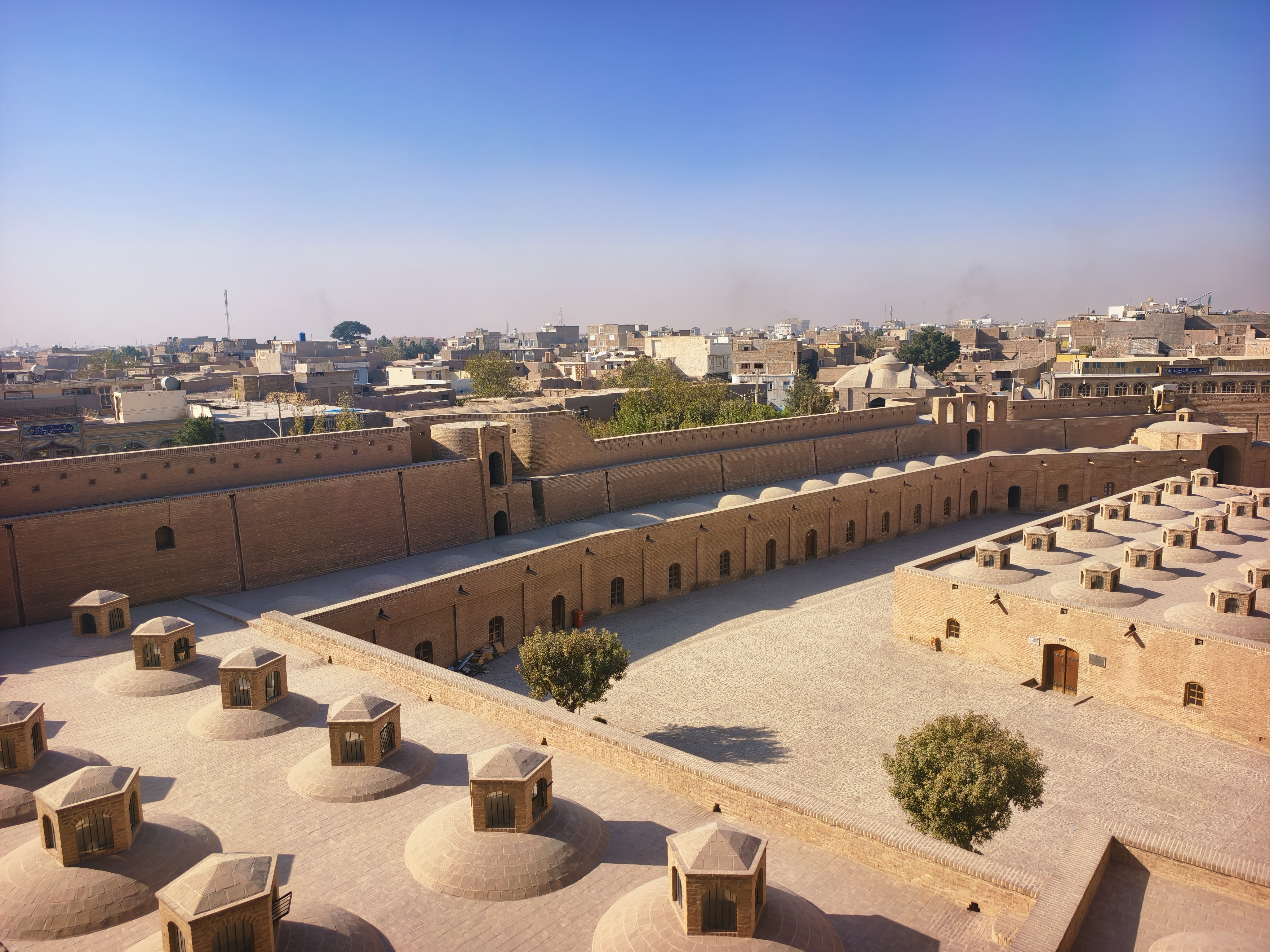
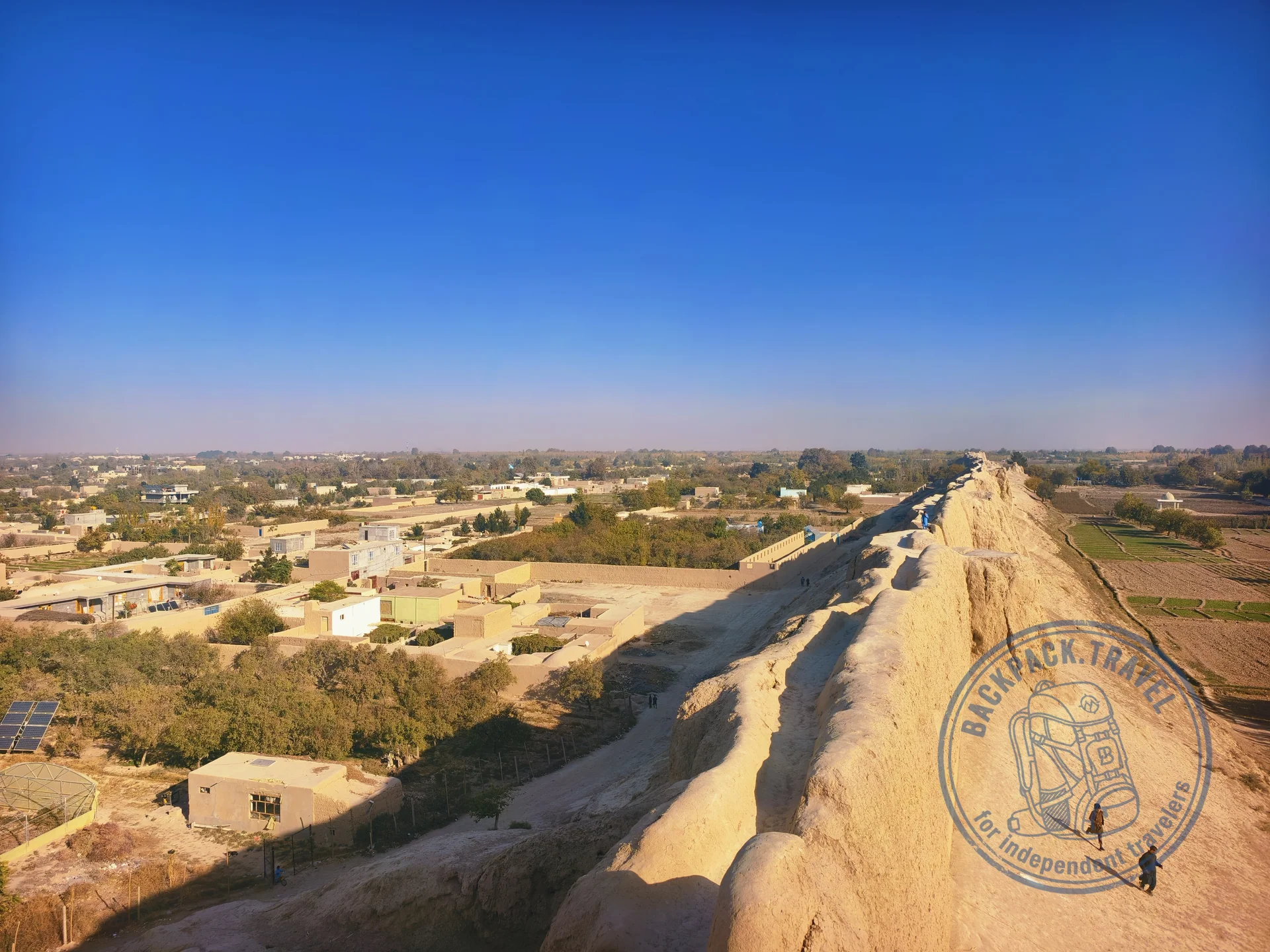
- The city walls of Bactra — the huge circuit of mud-brick fortifications around the old town site. They show the scale of the ancient city.
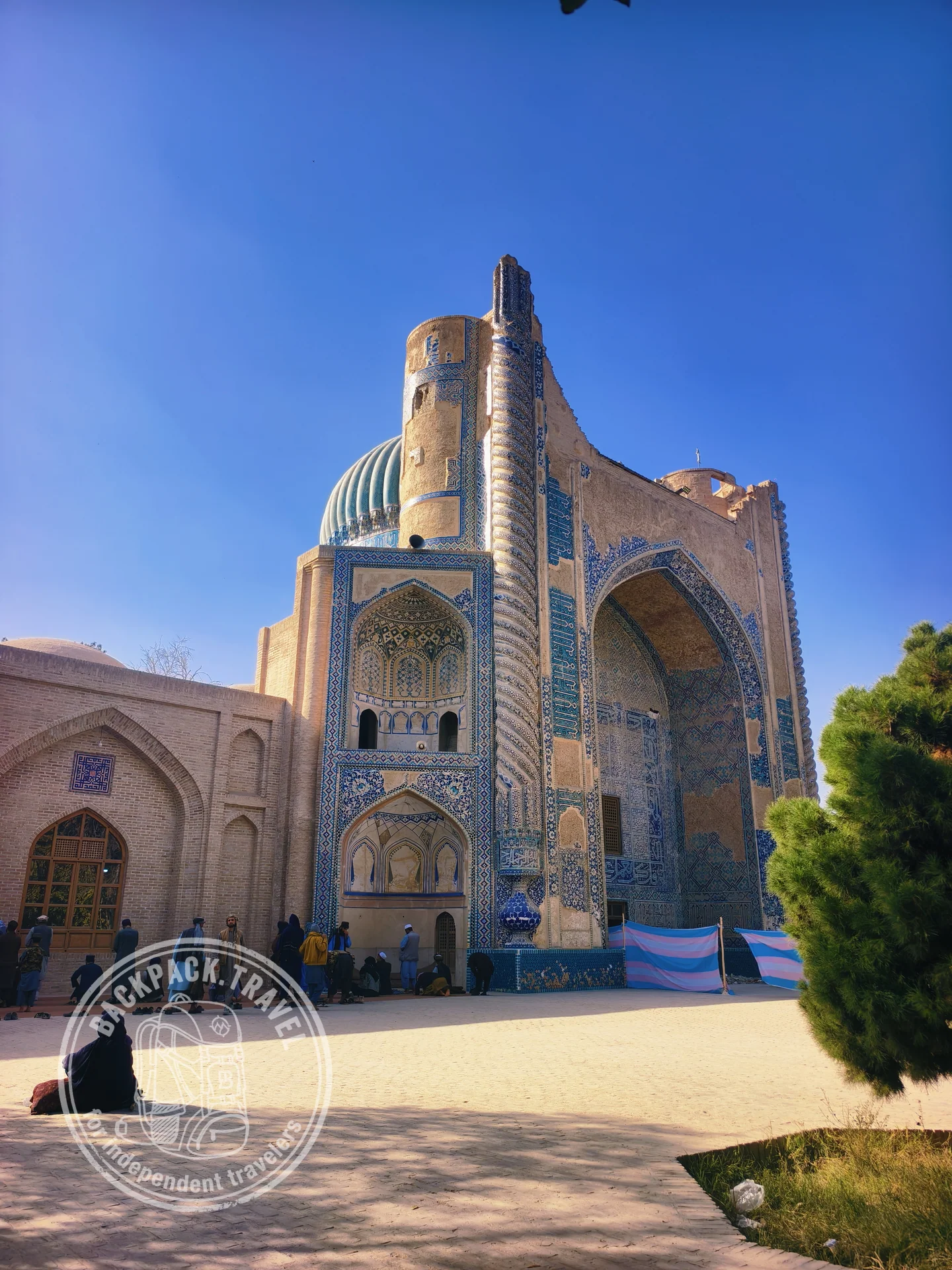
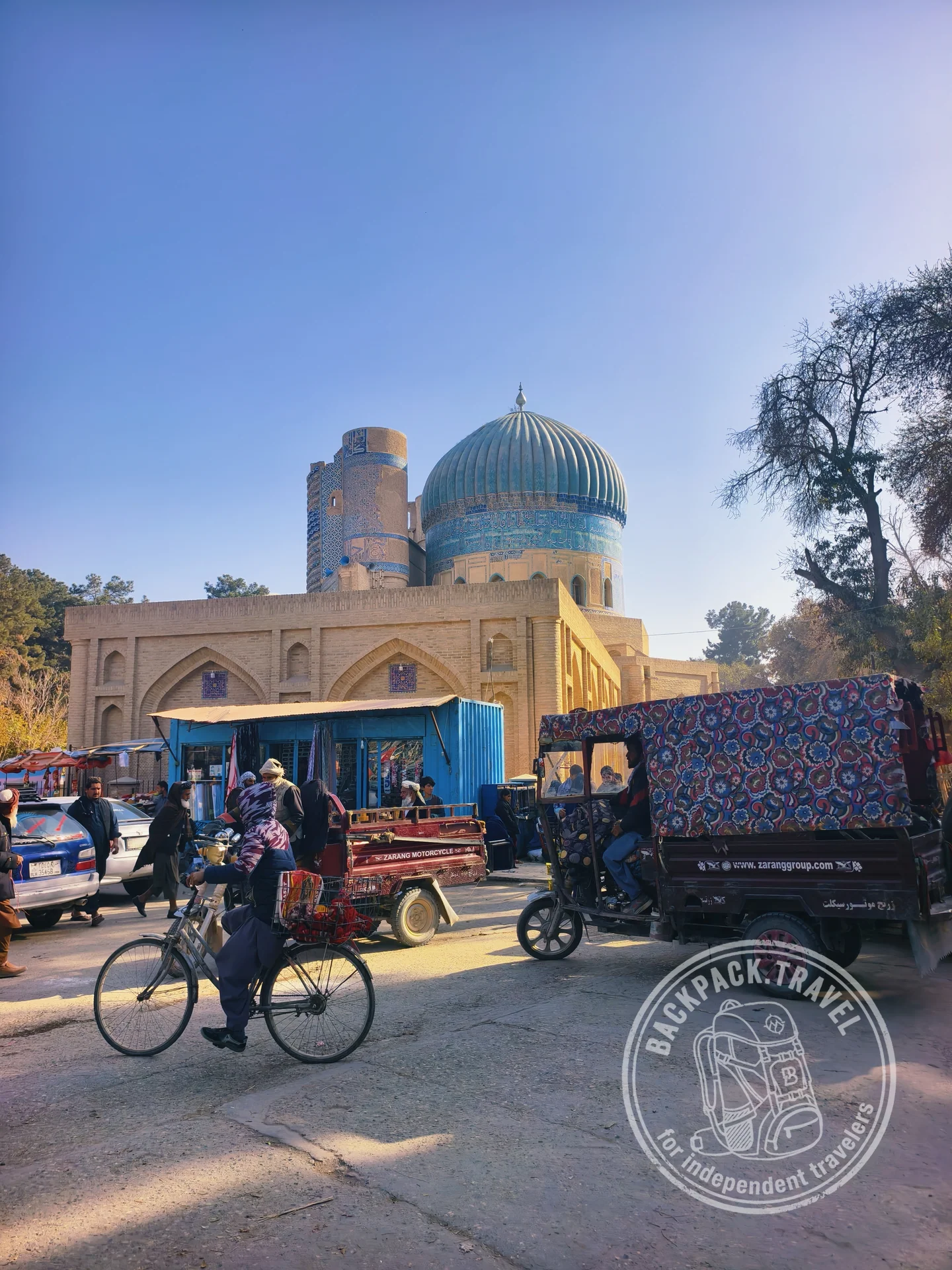
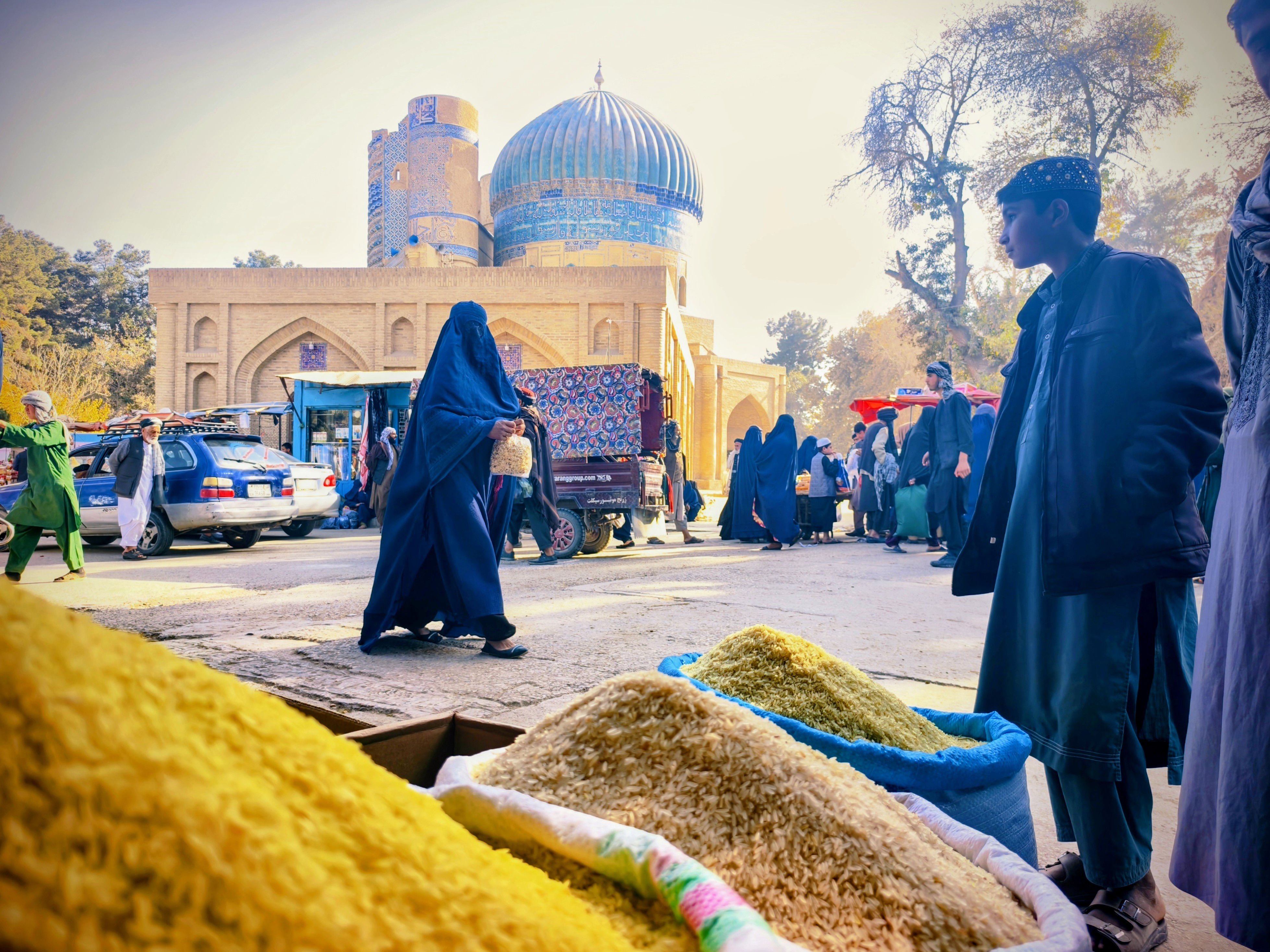
- The mosque and mausoleum of Khoja Abu Nasr Parsa — the most striking surviving building, with a turquoise dome and a small park around it where local people gather.
- The mausoleum of Rabia Balkhi — a venerated site linked to the legendary poetess.
Half a day to a day covers everything essential. Balkh is an add-on to Mazar-i-Sharif, not a base in its own right.
Getting there
Balkh lies about 20 km from Mazar-i-Sharif, and the logic is straightforward: first you get to Mazar-i-Sharif, and from there you make a day trip out.
- To Mazar-i-Sharif: domestic flights from Kabul to the Mazar-i-Sharif airport, or overland along the road through the Salang pass (slow, with the state of the highway varying).
- Mazar-i-Sharif to Balkh: shared minibuses and shared taxis run along a busy stretch of road; it is easier to hire a car with a driver for the whole excursion, which saves time and settles the question of the return journey.
Within Balkh itself the distances between the sites are short, but the points are scattered — it is more convenient to keep your car with you than to look for transport on the spot.
How much time to allow
One day is more than enough: leave Mazar-i-Sharif in the morning, look at the walls, Khoja Piyada, the park by Abu Nasr Parsa and the mausoleums, and return by evening. It makes more sense to sleep in Mazar-i-Sharif, where there are more accommodation options and better infrastructure.
Where to stay
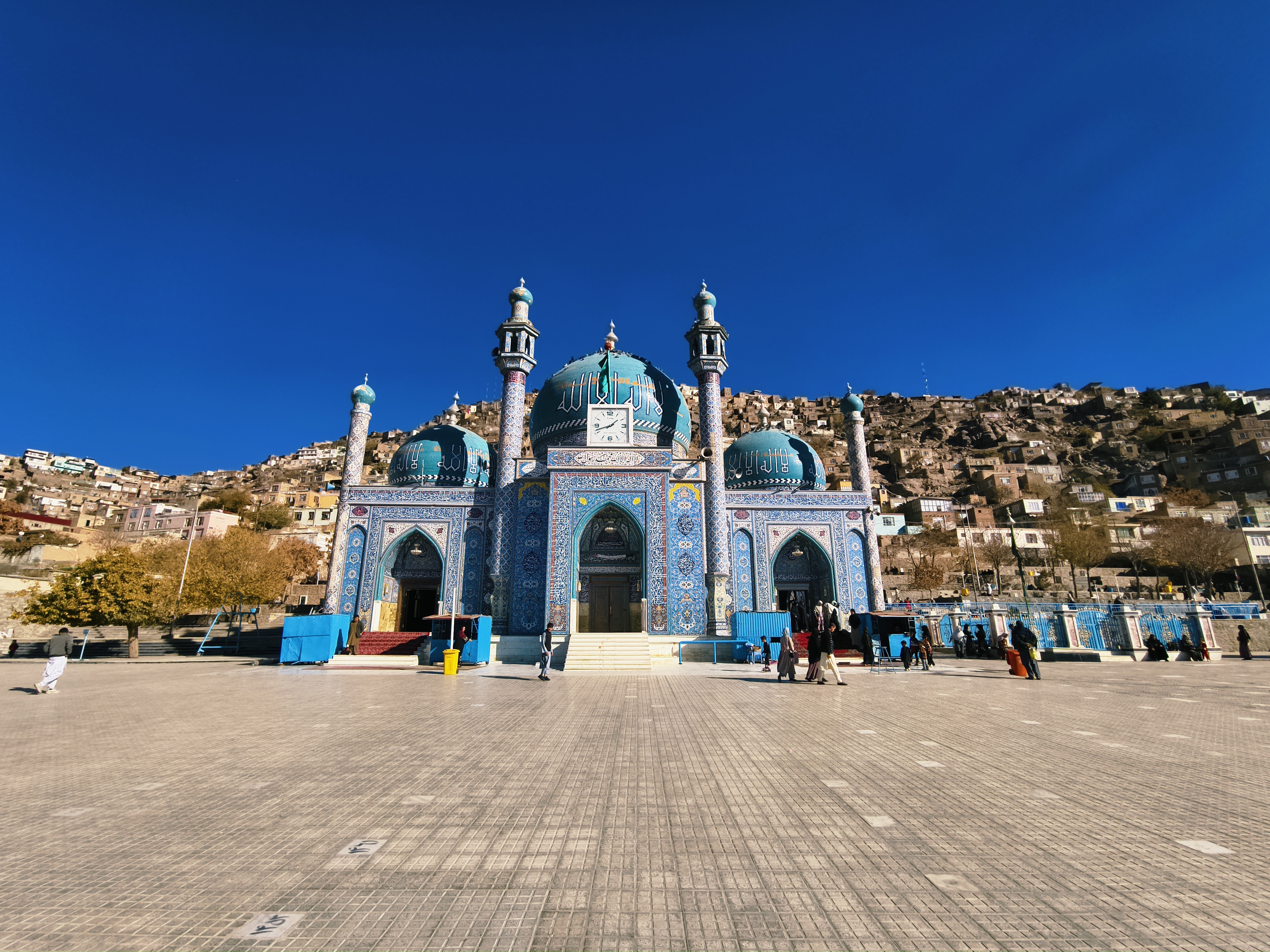
There is essentially no hotel base in Balkh for a foreign visitor — stay in Mazar-i-Sharif, near the centre and the city's main shrine (the Blue Mosque). From there it is easy to organise excursions and deal with everyday practicalities.
When to go
Spring and autumn are best: moderate temperatures, comfortable for walking around open sites with no shade. Summer in northern Afghanistan is hot and dusty, the ruins bake and there is nowhere to shelter. In winter it is cold and damp, and the mud-brick paths turn to slush.
Safety — the main thing to think about
This is the key section, more important than any of the sights. Afghanistan is a high-risk destination, and that is not a formality:
- Check your own country's current warnings and the real situation in the north before travelling — conditions change.
- Visas, registration and access are all arranged in advance; turning up spontaneously and travelling independently "as usual" does not work here.
- Many travellers go with a local guide or fixer, who helps with transport, language and dealing with checkpoints.
- Dress modestly and keep covered; women travelling here need to allow for serious restrictions on moving around independently.
- Photographing people, checkpoints and government buildings is potentially a problem — ask permission and do not shoot anything that might arouse suspicion.
- Bring cash in local currency and a reserve for the unexpected: there is essentially no banking infrastructure for foreigners.
Food and money
The cuisine of northern Afghanistan means pilaf, kebabs, flatbreads and tea. The food feels cheap and the portions are large, but count on cash only. In Balkh itself the choice is modest — it is easier to have a proper meal in Mazar-i-Sharif. Drink bottled water.
Common mistakes
- Expecting a "museum city" — instead of postcards you will see earth ramparts; the value is in the context and the antiquity, not in the picture.
- Travelling without preparing on safety and documents — the most dangerous mistake of all here.
- Planning Balkh as a separate multi-day destination — it is a day trip from Mazar-i-Sharif.
- Walking the ruins in the heat without water and a hat — there is no shade.
- Counting on cards and ATMs — bring cash with you in advance.
In short
Balkh is for those who care not about infrastructure but about touching one of the oldest points of civilisation. Technically the visit takes a day and is simple; the difficulty lies not in the route but in getting here safely and legally. Assess the risks honestly and do not economise on a local escort.