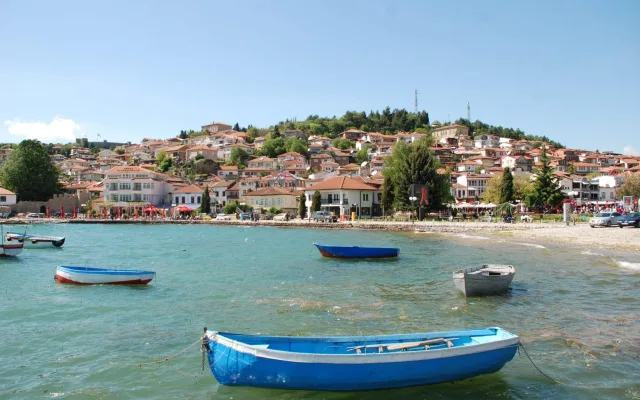
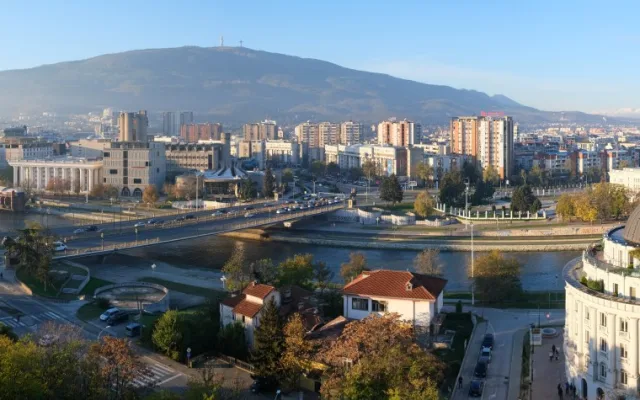
Description
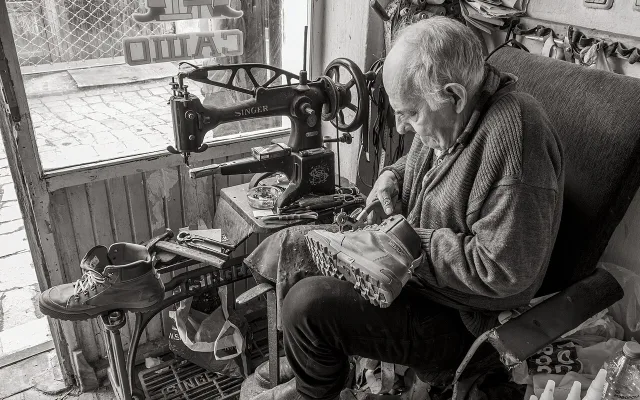
The city of consuls in the south of the country — Širok Sokak, the ancient ruins of Heraclea and the Pelister ski slopes.
Wiki
Bitola is the second largest city in North Macedonia, located in the south of the country at the foot of the Baba mountain massif, in the historic region of Pelagonia. Long known as "the city of consuls", it preserves the atmosphere of the 19th-century Balkans, with its trading streets, mansions and traces of the Ottoman and European eras.
History
A settlement existed on this site in antiquity: nearby stood the ancient city of Heraclea Lyncestis, founded by tradition by Philip II of Macedon in the 4th century BC. In the Middle Ages, under the Slavic name Bitolj (from obitel, a monastery), the town became an important point at a crossing of roads. In the Ottoman period it bore the name Manastır (Monastir) and grew into one of the key administrative and military centres of Rumelia.
Bitola's heyday came in the 19th and early 20th centuries. Trade routes passed through the city and many foreign diplomatic missions operated here — hence the nickname "the city of consuls". Mustafa Kemal Atatürk, the future founder of the Turkish Republic, studied at the local military academy. After the Balkan Wars and the collapse of the Ottoman Empire, Bitola became part of the Serbian and then the Yugoslav state, losing some of its former capital-city importance but keeping its architectural character.
What to see
Širok Sokak — the main pedestrian street and the heart of the city. Neoclassical and eclectic mansions, cafés, patisseries and shops line it. This is a place for an unhurried walk, where the European spirit of old Bitola can still be felt.
Heraclea Lyncestis — an archaeological site on the southern edge of the city. Here survive the remains of a Roman theatre, baths and basilicas and, most valuable of all, early Christian floor mosaics depicting animals and plants, considered among the finest in the Balkans.
The Clock Tower (Saat Kula) — the symbol of Bitola, rising above the centre. Nearby stand historic Ottoman-era mosques, among which the Yeni Mosque and the Ishak Mosque stand out with their characteristic minarets.
The Old Bazaar (Stara Čaršija) — a trading quarter of narrow lanes that has kept its craft and eastern character.
It is also worth looking into the Bezisten, a covered market of Ottoman construction, and the city museums devoted to the history of the region and to the memory of Atatürk.
Nature and Pelister
To the west of the city rises Pelister National Park, one of the oldest in the country, protecting the Baba massif. Its summit, Pelister, exceeds 2,600 metres. The park is famous for the relict Molika pine (the Macedonian pine), for glacial lakes known as "the mountain eyes", and for its rich wildlife.
In winter a ski centre operates on the slopes, attracting those who want an active holiday; in summer Pelister is of interest for its walking routes, the panoramas over the Pelagonian plain and the clean mountain air. The closeness of wild nature to the city centre is one of Bitola's distinguishing features.
Food
The local cooking reflects Balkan and Mediterranean influences. The menu traditionally includes:
- tavče gravče — beans baked in an earthenware dish, the national dish;
- ajvar — a paste of roasted red peppers;
- grilled meat dishes — kebapčinja, pljeskavica;
- home-made cheeses, brine cheese, and vegetable salads with olive oil;
- sweets of eastern origin — baklava and Turkish delight.
Bitola is renowned for its coffee culture: sitting over a cup of coffee on Širok Sokak is part of the local ritual. Among drinks, the local wines of Pelagonia and rakija are popular.
Practical information
Bitola lies in the south of North Macedonia, not far from the Greek border; the nearest large Greek town is Florina. From the capital, Skopje, you can travel here by bus or train, a journey of several hours via the town of Prilep.
One day is enough to see the main sights: to walk along Širok Sokak, visit Heraclea and look up towards Pelister. Anyone planning a hike in the national park or skiing in winter should allow extra time.
The best season for a visit is late spring and early autumn, when the weather is comfortable for walking and excursions. Summer can be hot, and winter suits a skiing holiday. The city is compact and the centre is convenient to see on foot.