Description
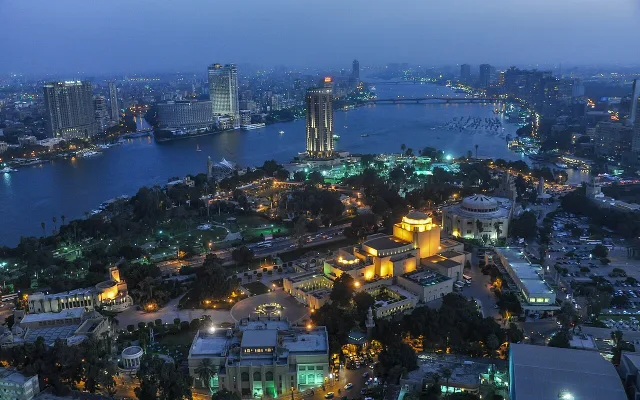
Cairo is where you can see the pyramids of Giza, visit the Egyptian Museum, walk the Khan el-Khalili bazaar and enjoy views of the Nile.
Wiki
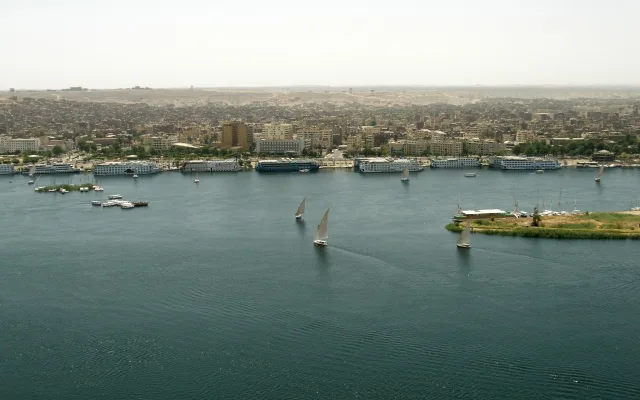
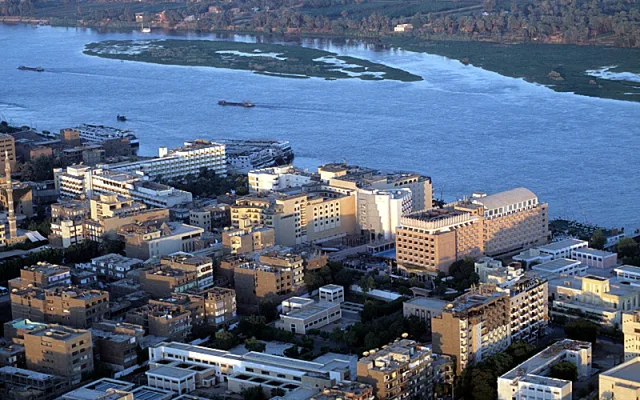
Cairo is the capital of Egypt and the largest metropolis in the Arab world, spread along both banks of the Nile at the entrance to the river delta. The city joins the inheritance of the pharaohs, the medieval Islamic east and a noisy modernity, where ancient monuments stand beside business districts and an unending stream of traffic.
General character
The Greater Cairo area numbers more than 20 million inhabitants, including the satellite cities of Giza and Helwan. Founded in 969 by the Fatimid dynasty, the city bore the name al-Qahira, "the victorious". Over more than a thousand years it has been the capital of a caliphate, of the Mamluk sultanate and of an Ottoman province, accumulating a rare variety of eras. Local people call it Masr, the same word they use for the country as a whole, underlining its role as the heart of Egypt. To the east, a New Administrative Capital is being built, to which government departments are gradually moving.
Main sights
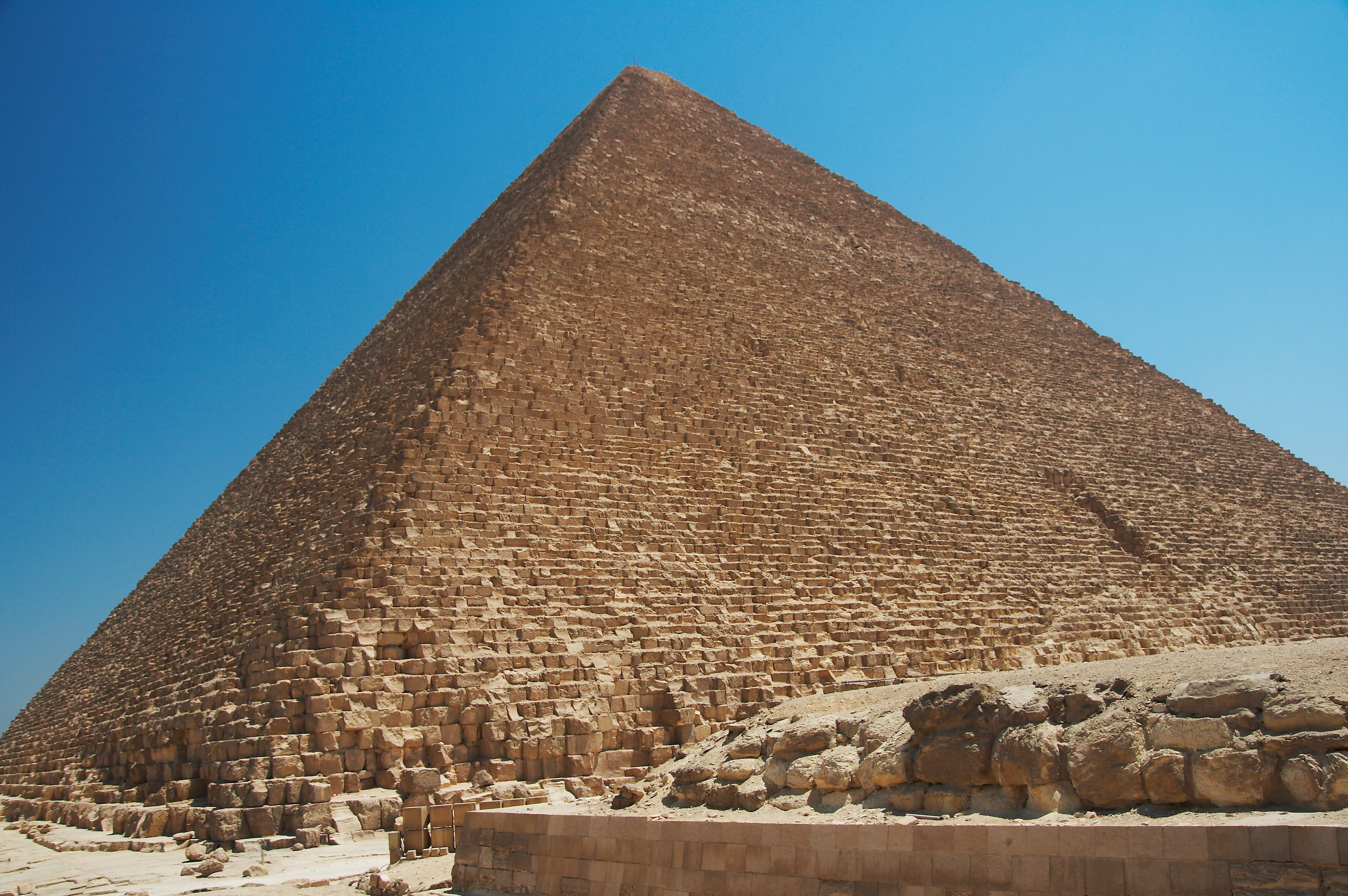
- The Pyramids of Giza and the Great Sphinx. The only survivor of the seven wonders of the ancient world. The Pyramid of Cheops (Khufu) reached 146 metres and for almost four thousand years remained the tallest structure on the planet. Beside it stand the pyramids of Khafre and Menkaure, along with the Sphinx cut from the rock, with the body of a lion and the face of a pharaoh. The plateau lies about 15 km south-west of the centre, inside the city of Giza, right on the edge of the desert.
- The Grand Egyptian Museum (GEM). The vast new complex at the foot of the pyramids, successor to the old museum on Tahrir Square. Here the collection from the tomb of Tutankhamun is displayed in full for the first time, and the atrium greets visitors with a colossus of Ramesses II.
- The Egyptian Museum on Tahrir. The historic building of 1902, with an exceptionally rich collection of sarcophagi and statues. The royal mummies are no longer here: in April 2021 they were carried in a televised procession to the National Museum of Egyptian Civilization in Fustat, which built a dedicated Royal Mummies Hall for them.
- The Khan el-Khalili bazaar. A labyrinth of 14th-century trading rows: copperware, spices, perfume oils, fabrics and jewellery. The old El Fishawi coffee house works in its lanes.
- Islamic Cairo. The medieval district with al-Muizz street, the mosques of Ibn Tulun and al-Azhar, and the Bab Zuweila gate. It is on the UNESCO World Heritage list.
- The Citadel of Saladin with the Mosque of Muhammad Ali — the alabaster jewel of Ottoman style, from which a panorama of the city opens.
- Coptic Cairo — the oldest Christian quarter, with the "Hanging" church and the Ben Ezra synagogue.
History and culture
Cairo grew out of earlier settlements: the Roman fortress of Babylon, the Arab city of Fustat (641) and the princely residences that followed. It reached its height under the Mamluks, when it became the largest metropolis outside China and a centre of Islamic learning thanks to al-Azhar University. The city is often called "the city of a thousand minarets". The Nobel laureate Naguib Mahfouz came from here, and Egyptian cinema and music set the tone for the whole Arab world for decades.
Food
Street food here is cheap and filling. The calling card is koshari: a mixture of rice, pasta and lentils with fried onion and a spicy tomato sauce. Ful medames (stewed beans), taameya (the local bean falafel), shawarma and mahshi stuffed vegetables are all popular. For dessert there is baklava, kunafa and sweet tea or strong coffee with cardamom. Freshly squeezed mango and pomegranate juices are sold on every corner.
Transport
The three-line metro is the fast way to get around the traffic; a journey costs a pittance, and separate carriages are set aside for women. Taxis and the Uber and Careem apps operate on the streets, and the apps are more convenient than hailing a car and haggling. The international airport is in the north-east of the city. Traffic is chaotic, so cross the roads carefully and alongside locals.
Practical advice
The best time to travel is October to April, when the heat eases; in summer the temperature passes 38 °C. Over four days it is convenient to divide the visits like this: the pyramids and the new museum; the historic Islamic centre with the Citadel; the Coptic quarter and a felucca trip on the Nile; and the Khan el-Khalili bazaar. Women are advised to wear covering clothing, and shoes are removed on entering mosques. Friday is the main day of rest. It is better to drink bottled water, and haggling at the markets is taken as a normal form of exchange.
Photos