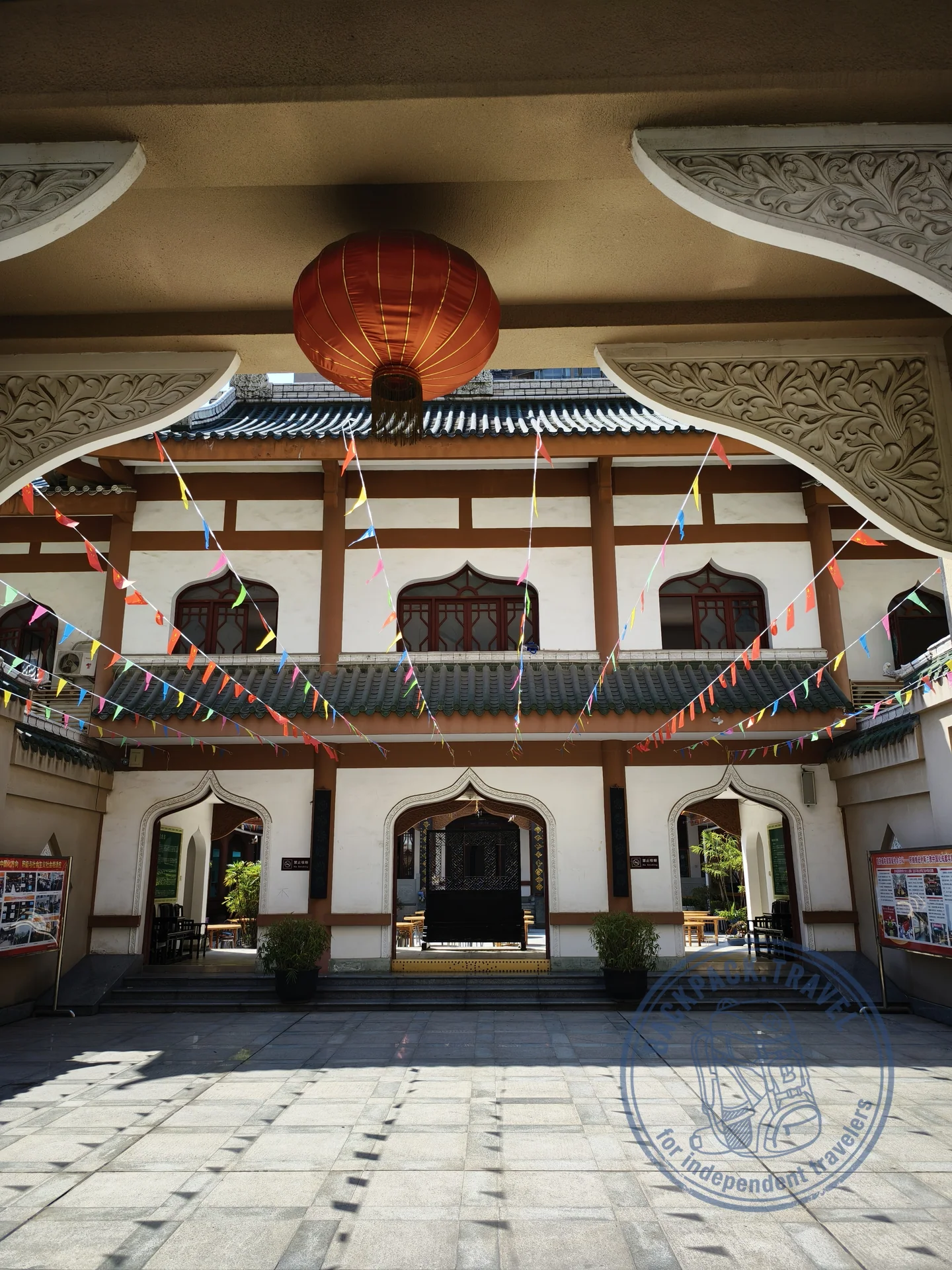
Description
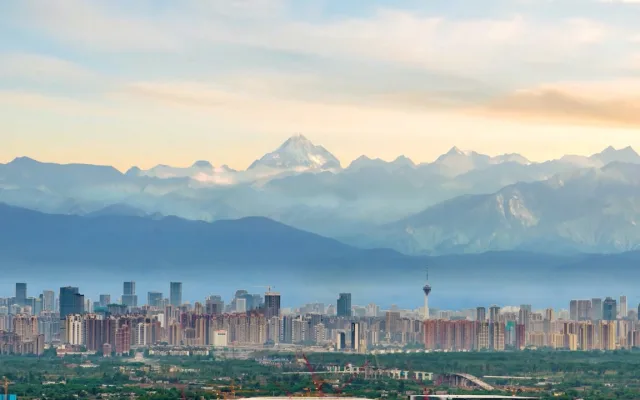
The capital of Sichuan cooking — the giant panda base, fiery hot pot and Jiuzhaigou within reach.
Wiki
The capital of Sichuan province and the gateway to Tibet and south-western China — around 21 million people in the metropolitan area and 3,000 years of history, making it one of China's oldest capital cities. Its two great specialities are giant pandas, which live only in Sichuan, and Sichuan cuisine, one of the eight major schools of Chinese cooking and the birthplace of mala, the hot-and-numbing flavour. Locals will tell you it is the most relaxed of China's big cities: teahouses with bamboo chairs, mahjong in the evening, an unhurried philosophy. It is the main base for Jiuzhaigou, Mount Emei, Leshan, Yuanyang and Tibet.
Main sights
- Chengdu Research Base of Giant Panda Breeding — the world's leading panda research centre, with around 100 animals. Between 8 and 10 in the morning is feeding time, when the pandas are active; after that they sleep. Book online.
- Dujiangyan Panda Base — a second centre 60 km away where you can help feed the pandas (the volunteer programme costs $200 a day).
- Bifengxia Panda Base — a third centre two hours out, quieter and without the crowds.
- Jinli Ancient Street — the main pedestrian street in Qing dynasty style, full of street food and souvenirs.
- Wuhou Shrine — the main historic complex, dedicated to Zhuge Liang, prime minister of the Shu kingdom in the 3rd century, and a place of pilgrimage for Chinese visitors.
- Wenshu Monastery — Chengdu's principal Buddhist monastery (7th century), where you can eat a traditional monastery lunch.
- People's Park (Renmin Park) — the best place to see the "real" Chengdu: teahouses with bamboo chairs, ear cleaners plying their traditional trade with feathers, and mahjong.
- Heming Teahouse in People's Park — the classic Chengdu teahouse and the classic Sichuan experience.
- Sichuan Museum — the largest regional museum.
- Shu Brocade Museum — the traditional art of brocade weaving.
- Sichuan Opera and face-changing — bian lian, the lightning-fast changing of masks, is a Sichuan tradition found nowhere else.
- Mount Emei (3,099 m) — a UNESCO site two hours away, one of China's four sacred Buddhist mountains, complete with monkeys.
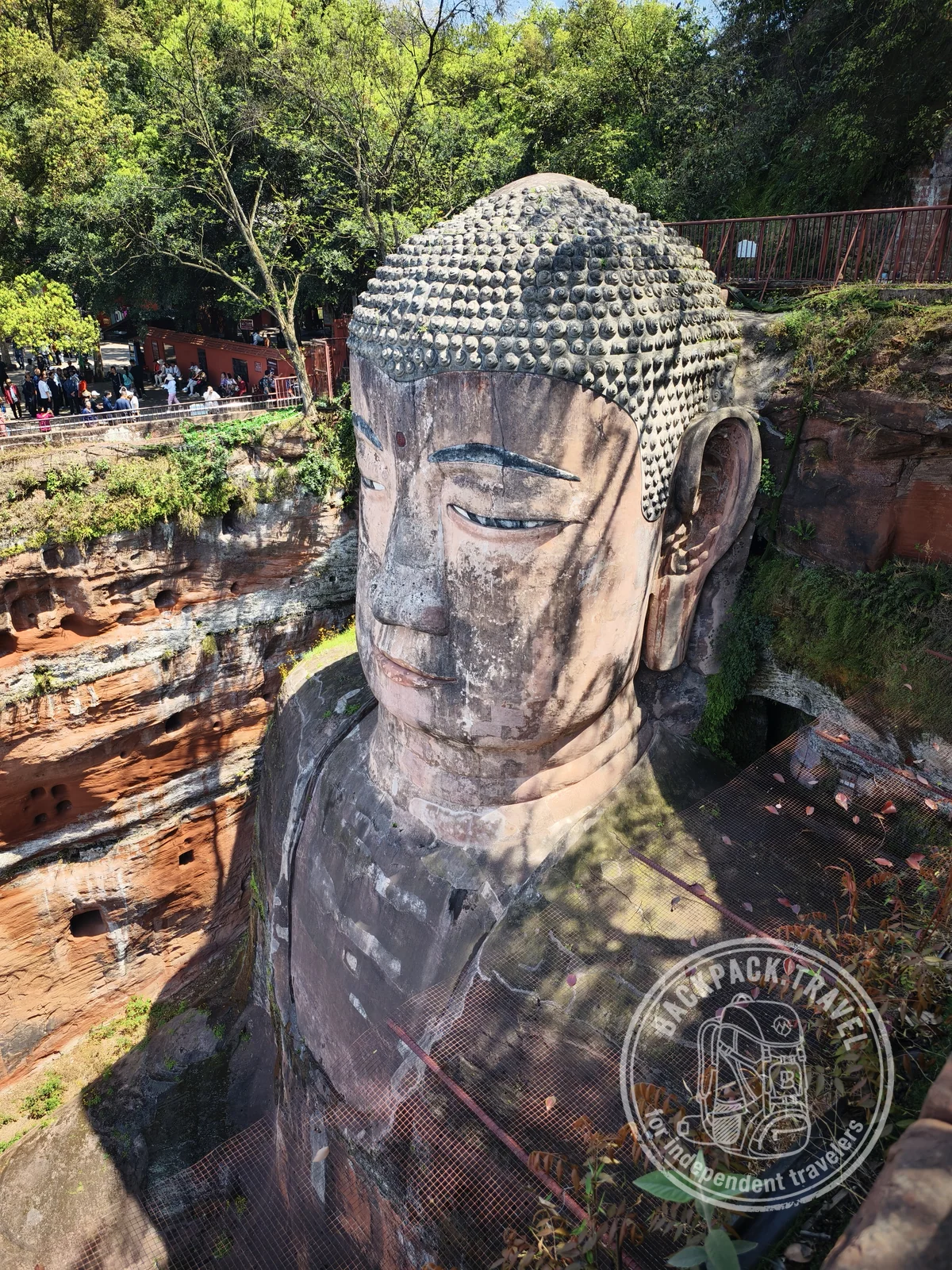
- The Leshan Giant Buddha — a UNESCO site two hours away, the largest Buddha carved into rock in the world (71 m, 8th century).
- Jiuzhaigou — a UNESCO site eight hours away, the most beautiful national park in China, famous for its coloured lakes.
- Mount Qingcheng — a sacred Taoist mountain 60 km out.
Food and prices
The cooking is Sichuanese: hot pot (Chengdu's signature dish — a fiery boiling broth cooked at the table with meat and vegetables), mapo tofu, kung pao chicken, dan dan noodles, twice-cooked pork and dumplings (suan la chaoshou). Lunch at a local place is $5-12, a hot pot dinner $15-30. Sichuan beer is $1-2. A litre of petrol costs $1, the metro (ten lines) $0.40, a Didi taxi $3-10.
Getting there
There are two international airports: Tianfu (TFU, 50 km out, opened in 2021) and Shuangliu (CTU, 16 km). United, KLM, Lufthansa, Qatar and Air China all fly in. The metro into the centre costs $1, a Didi taxi $8-15. From Beijing it is 8-10 hours by high-speed train or three hours by air; from Shanghai, two and a half hours by air. China has been widening visa-free entry to a growing list of nationalities since 2024, while others still apply in advance — check what applies to your passport, as the rules change often.
When to go
March-May and September-November are best, at 12-25°C. Summer (June-August) is hot and humid, 28-35°C. Winter (December-February) runs 0-12°C and is often foggy — Chengdu is known for poor visibility year-round, with only about 200 sunny days. Lunar New Year (January-February) is the biggest holiday and everything is packed.