 Города и дороги
Description
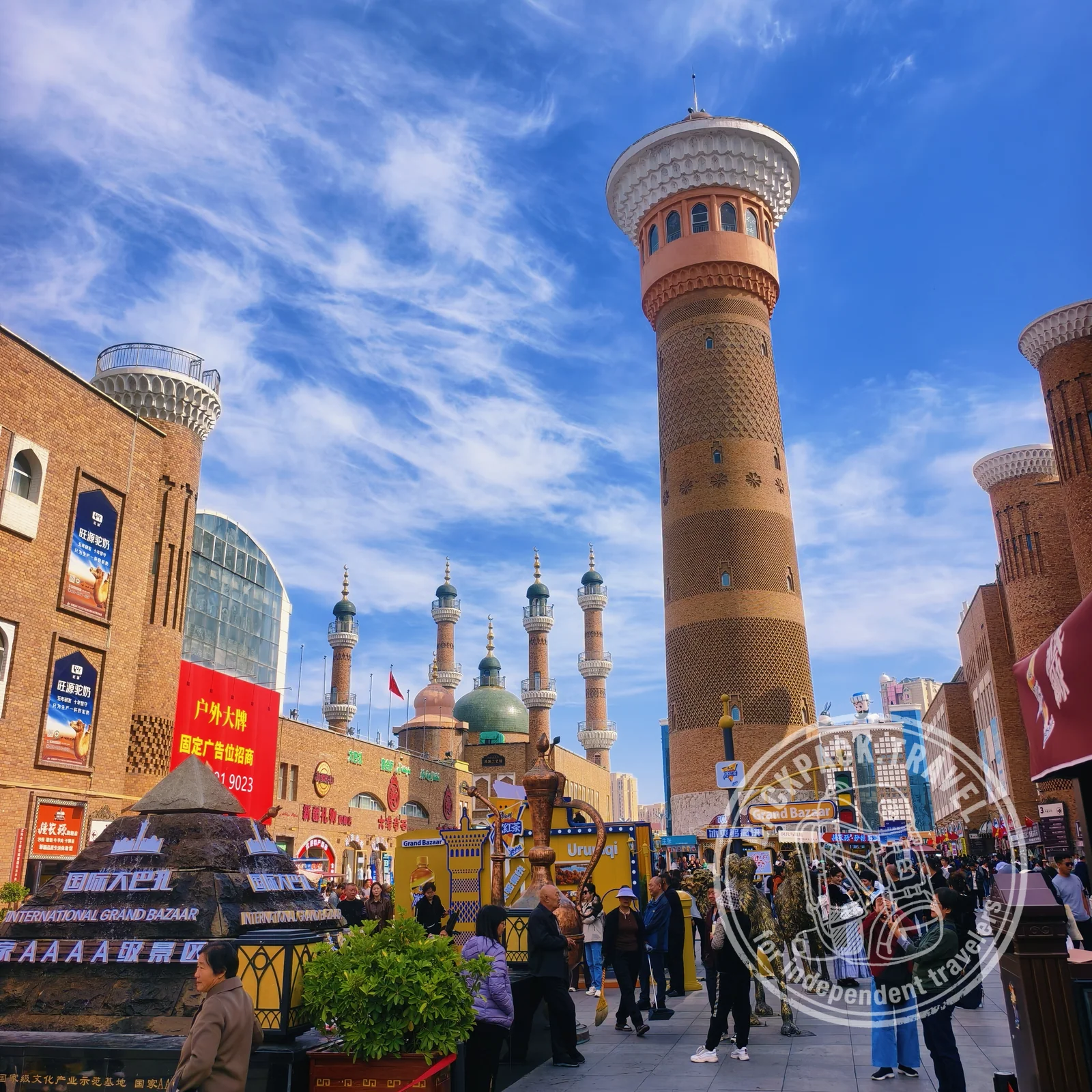
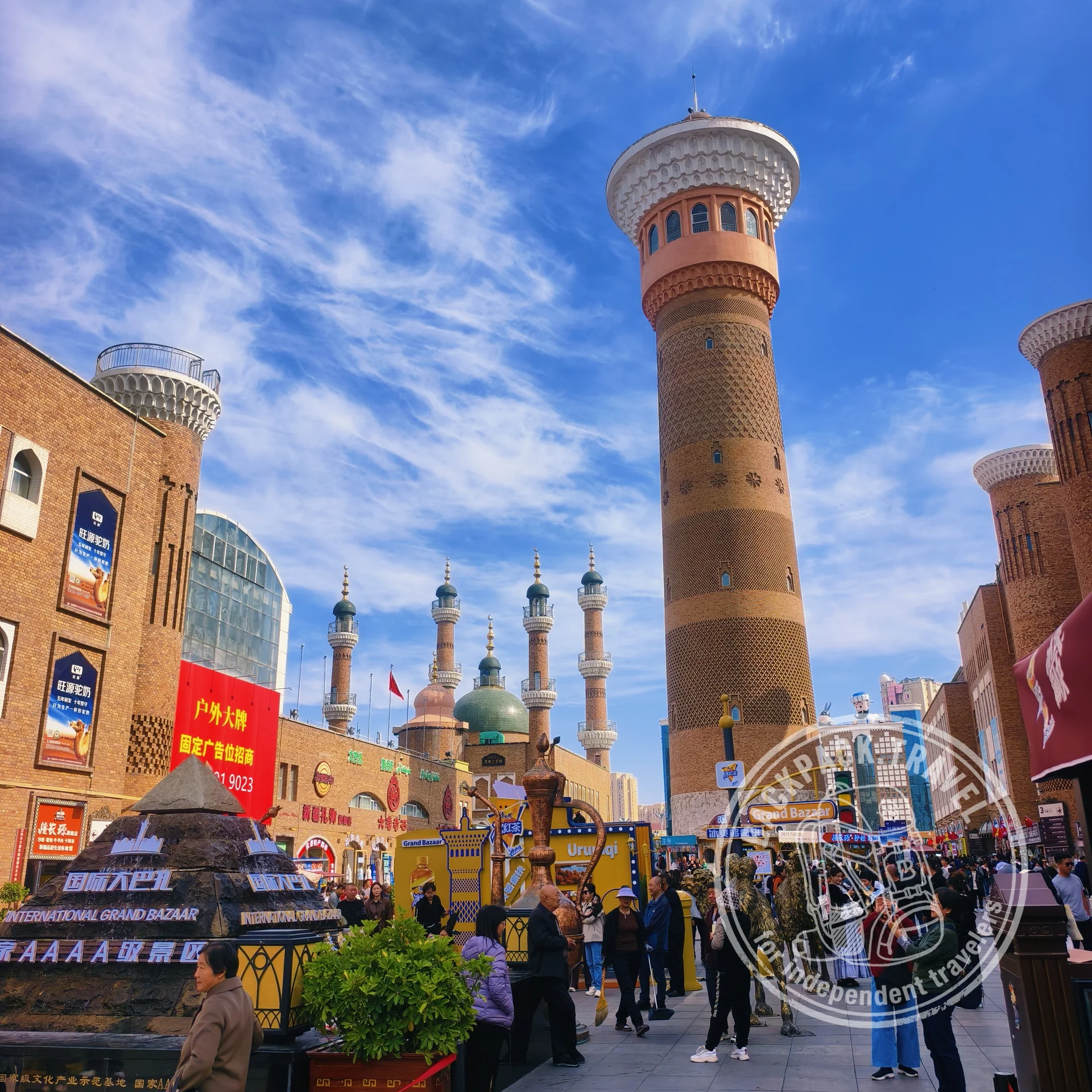
The capital of Xinjiang and the large city furthest from the ocean anywhere in the world. The International Grand Bazaar with its minaret, Hongshan Hill above the centre and the Xinjiang Museum with its Tarim mummies.
Wiki
Urumqi is the capital of the Xinjiang Uyghur Autonomous Region, home to around four million people at the 2020 census and set at an altitude of some 860 metres. The city is known for a formal record: it is the large city furthest from the ocean anywhere in the world, with the nearest coast roughly 2,500 kilometres away. There is almost no historic building stock here; Urumqi grew up in the industrial era and looks like any ordinary Chinese city of a million-plus. The point of stopping lies elsewhere: this is the transport hub of Xinjiang and a place where half a day is worth spending on the museum in order to make sense of the rest of the route.
What to see
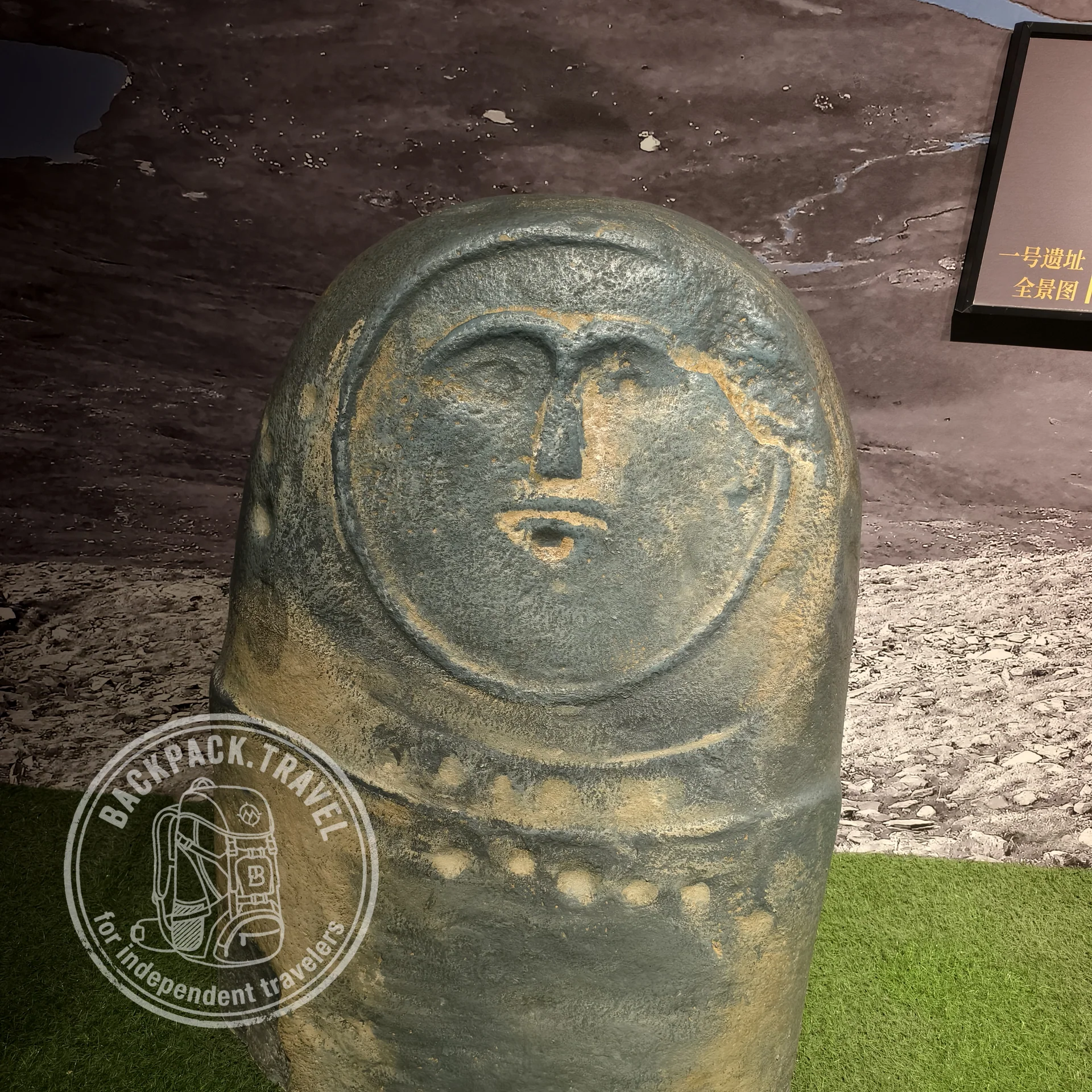
- The Xinjiang Uyghur Autonomous Region Museum is the main reason to call in at the city. Founded in 1953, it received a new building in the 2000s. It holds the Tarim mummies, naturally dried bodies from desert burial grounds, some of them more than three thousand years old and with their clothing preserved. There are also Silk Road finds and an ethnographic section. Entry is usually free on presentation of a passport, but there is a daily visitor limit, so come for opening time.
- The Xinjiang International Grand Bazaar was built in 2003 and covers about 100,000 square metres, with six buildings and an observation tower 80 metres high. This is not an ancient market but a shopping and entertainment complex in an eastern style: dried fruit, nuts, carpets and souvenirs. It is fine for shopping, but authenticity is not what you come here for.
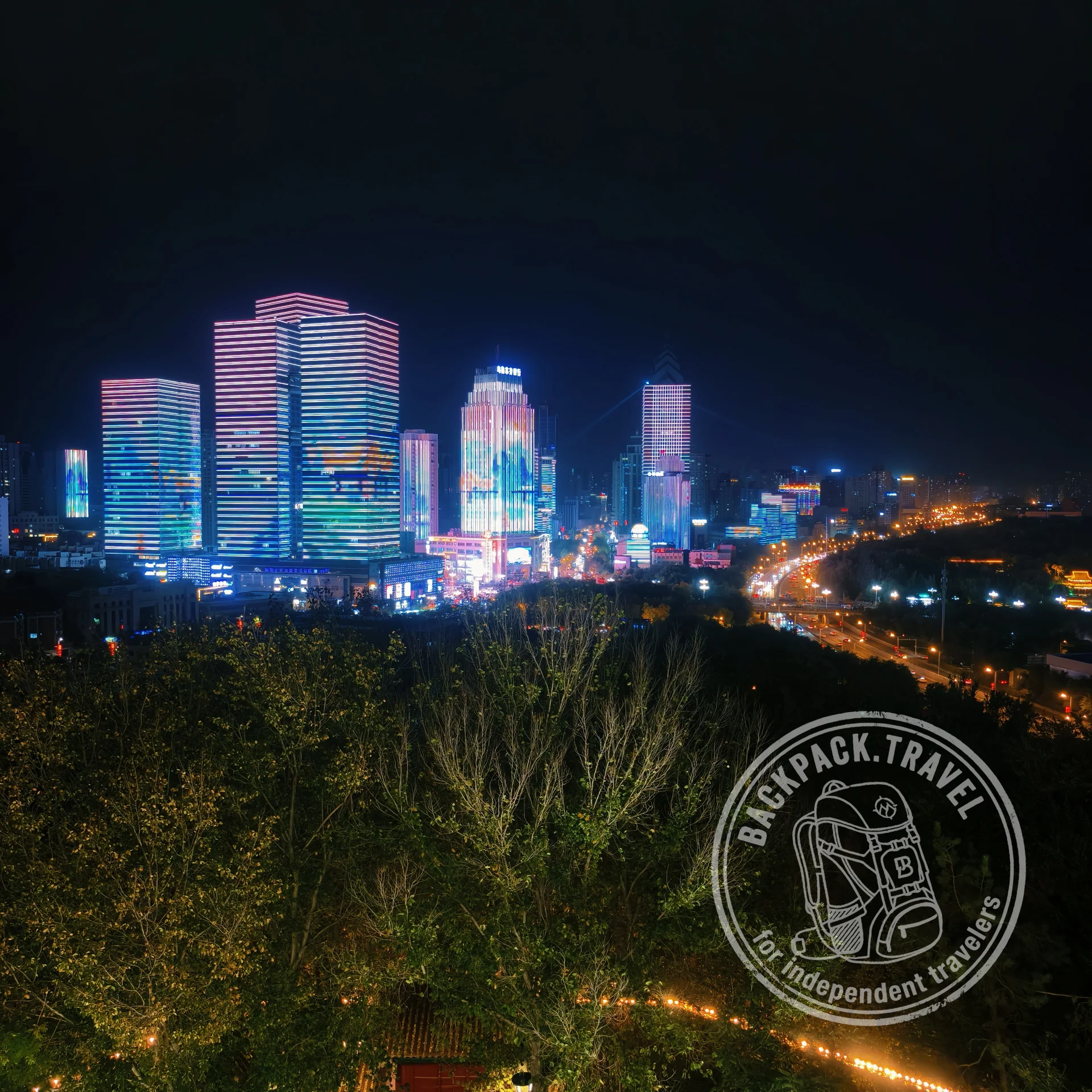
- Hongshan Hill is a red hill in the middle of the city, with a park, a pagoda on the summit and a viewing platform. The climb is short, and it is a convenient spot for grasping the city's geography within an hour.
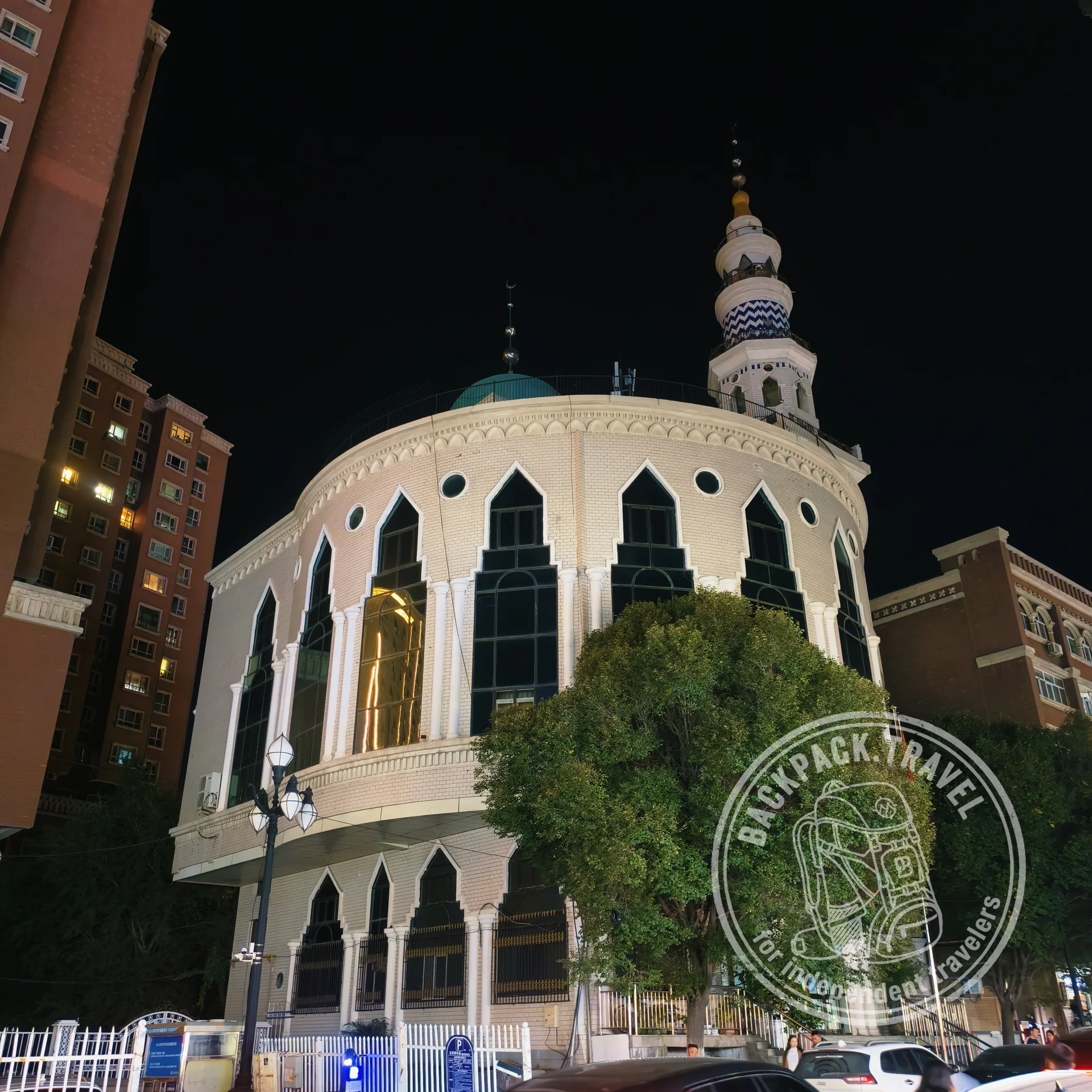
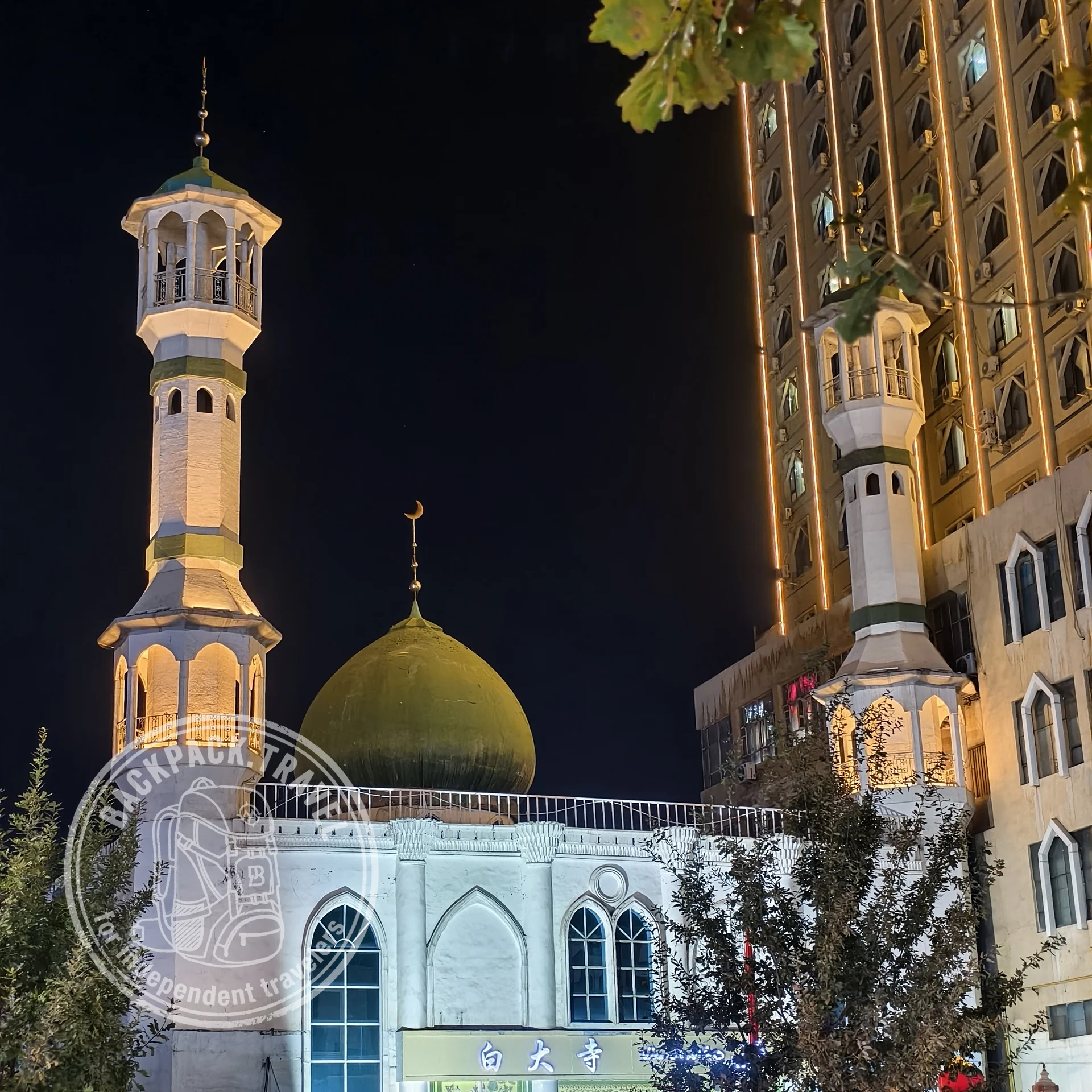
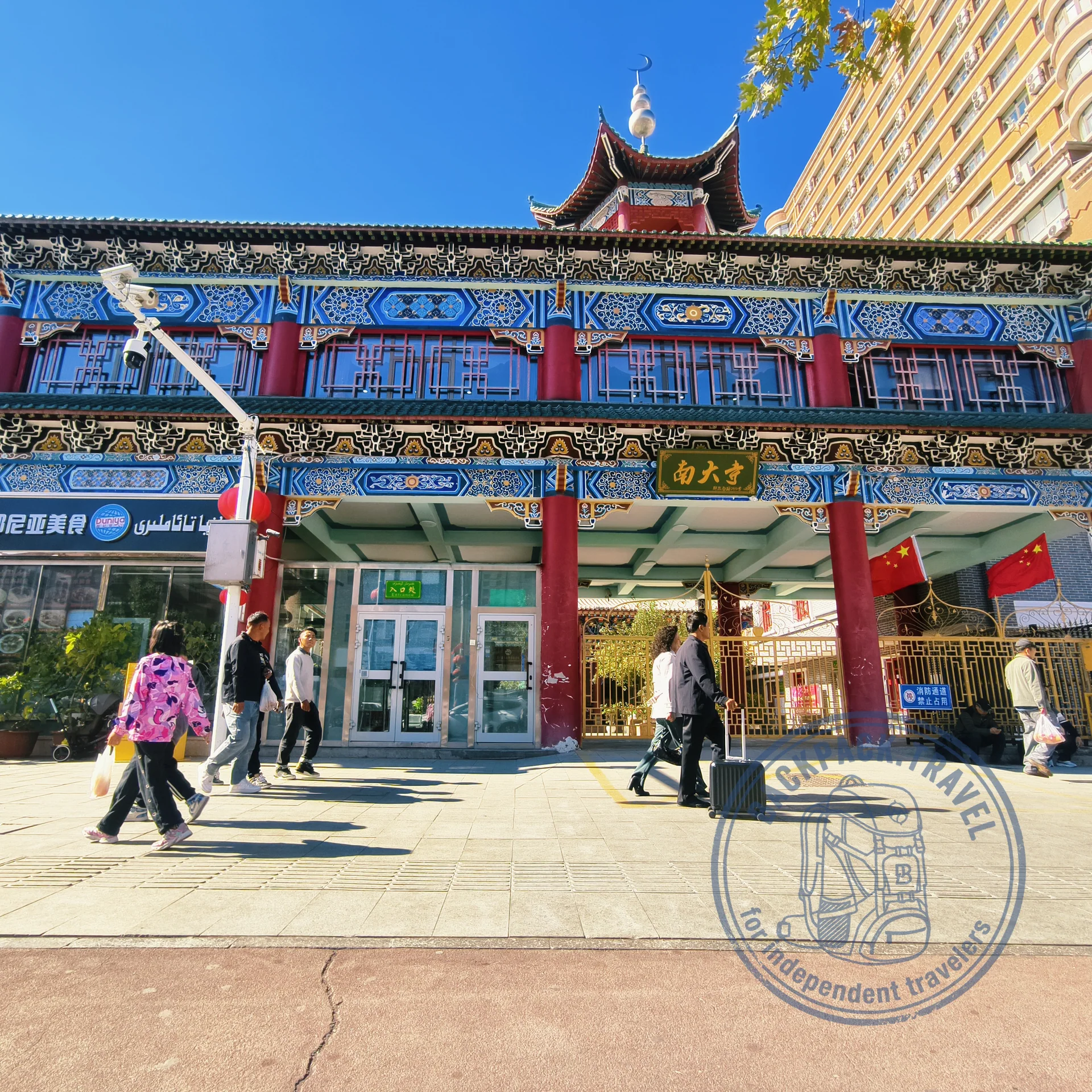
- The Urumqi South Mosque, the White Mosque (Baidasi) and the Salar Mosque are working mosques of different communities. They show that the Muslims of Xinjiang are not confined to the Uyghurs: there are also Hui, Kazakhs and Salars. Not all of them admit visitors inside; dress modestly and ask permission.
Outside the city lies Tianchi, the "Heavenly Lake" at the foot of Bogda Peak. The drive takes more than two hours each way, and on arrival there are shuttle buses and a cable car. The Bogda massif forms part of the UNESCO site "Xinjiang Tianshan", inscribed on the list in 2013. It is beautiful, but very crowded in season.
How much time to allow
If you are simply changing trains, the sensible minimum is half a day for the museum and the bazaar. A full day adds Hongshan Hill and a couple of mosques, and at an unhurried pace at that. Two days are needed only for the trip out to Tianchi: that is a separate full day, though returning by evening is entirely realistic.
There is no reason to hold on to Urumqi for longer than two days; the time is better spent on Turpan and Kashgar.
Getting there and where to go next
Urumqi is the western end of the Lanzhou-Xinjiang high-speed line, opened at the end of 2014. High-speed trains leave from the new Urumqi station (2016), while ordinary ones mostly use Urumqi South; when buying a ticket, check which station is named on it. Heading east: Turpan is about an hour away, Hami two and a half to three hours, then Liuyuan (change for Dunhuang), Jiayuguan and Zhangye. Southwards, to Kashgar, there is no high-speed service, only the night train or a flight.
Practicalities
- The climate is sharply continental: January averages around minus 12 °C and July around plus 24 °C. In winter there is smog from coal heating.
- The region officially runs on Beijing time, but in everyday life many people count by "Xinjiang time", two hours behind.
- Document checks at stations, in the metro and at the entrances to public places are routine, so keep your passport with you at all times.
- Russian citizens can enter China without a visa for up to 30 days per trip; according to statements from the Chinese side, the arrangement has been extended to the end of 2027. The conditions are worth checking again before you travel.
- Payment is almost everywhere by phone; cash and foreign cards are accepted reluctantly.
Who won't enjoy it
For anyone looking for local colour, Urumqi will seem empty: wide avenues, shopping centres and new-build blocks, with the "eastern" side of the city reduced to a single stylised bazaar. There is no old town here, no architecture and no Silk Road atmosphere; all of that lies further on, in Turpan and Kashgar. If you have come to Xinjiang for a week, giving Urumqi more than a day feels like a waste. There are two justifications for the stop: a strong museum with the Tarim mummies, and the fact that every train and plane in the region passes through the city.