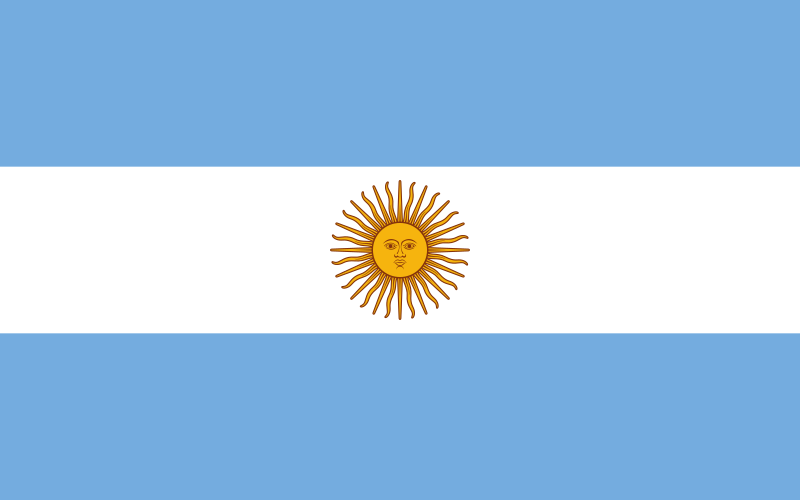
Argentina
ARThe land of tango, steak and glaciers — from cosmopolitan Buenos Aires to wild Patagonia and the thundering Iguazú Falls. Argentina astonishes by sheer scale: a single trip can take in subtropical jungle, endless pampas and blue glaciers at the end of the world. Prices stay attractive for foreign visitors, and the wine and beef are among the best anywhere. Argentines are open, expressive and always ready to share a bottle of Malbec.
Where to go #
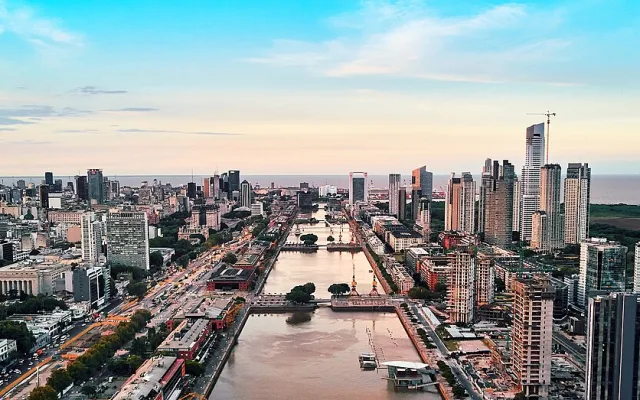
Buenos Aires
Buenos Aires is known as the home of tango, which you can find in the La Boca and Palermo districts. Asado and the public life of the Plaza de Mayo are equally part of the city.
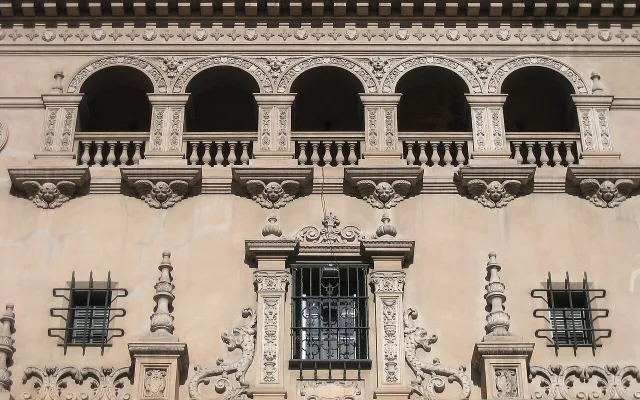
Mendoza
Mendoza is a city in Argentina, known as the wine capital of the country. It is home to the vineyards of Maipú and Luján de Cuyo, where the famous Malbec grape is grown.
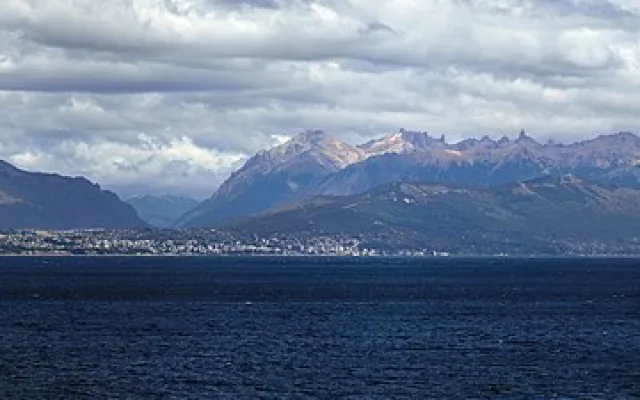
Bariloche
Bariloche is a city in Patagonia known as the Switzerland of Argentina. Visit Lake Nahuel Huapi, ski the slopes of Cerro Catedral, and browse the famous chocolate shops.
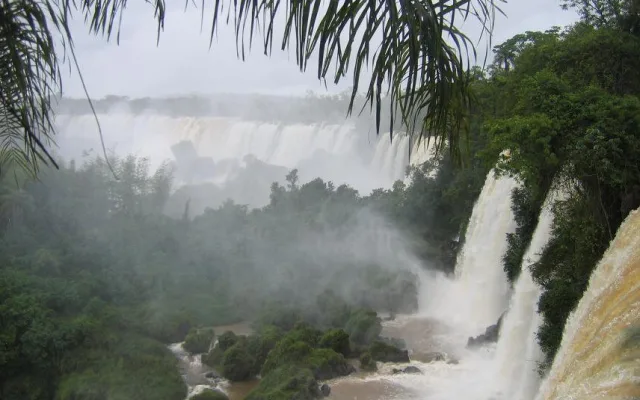
Puerto Iguazu
Puerto Iguazú is a town on the Brazilian border, known as the main gateway to Iguazú Falls on the Argentine side.
What to see #
Iguazú Falls: 275 separate cascades, and they are worth seeing from both sides of the border.
To do the Argentine side properly in a day, be there for opening at eight in the morning.
Perito Moreno glacier: A 70-metre wall of ice that keeps moving and collapsing with a sound you feel in your chest.
Worth a trip for the guided walk on the ice itself in crampons, which needs booking ahead.
Mount Fitz Roy: The iconic peak above El Chaltén that every trekker eventually wants to see.
The route up to Laguna de los Tres is the best hard day out in the country.
Quebrada de Humahuaca: A canyon in the far north with the astonishing Hill of Seven Colours.
Worth doing by car, for Martian landscapes and villages that feel a long way from Buenos Aires.
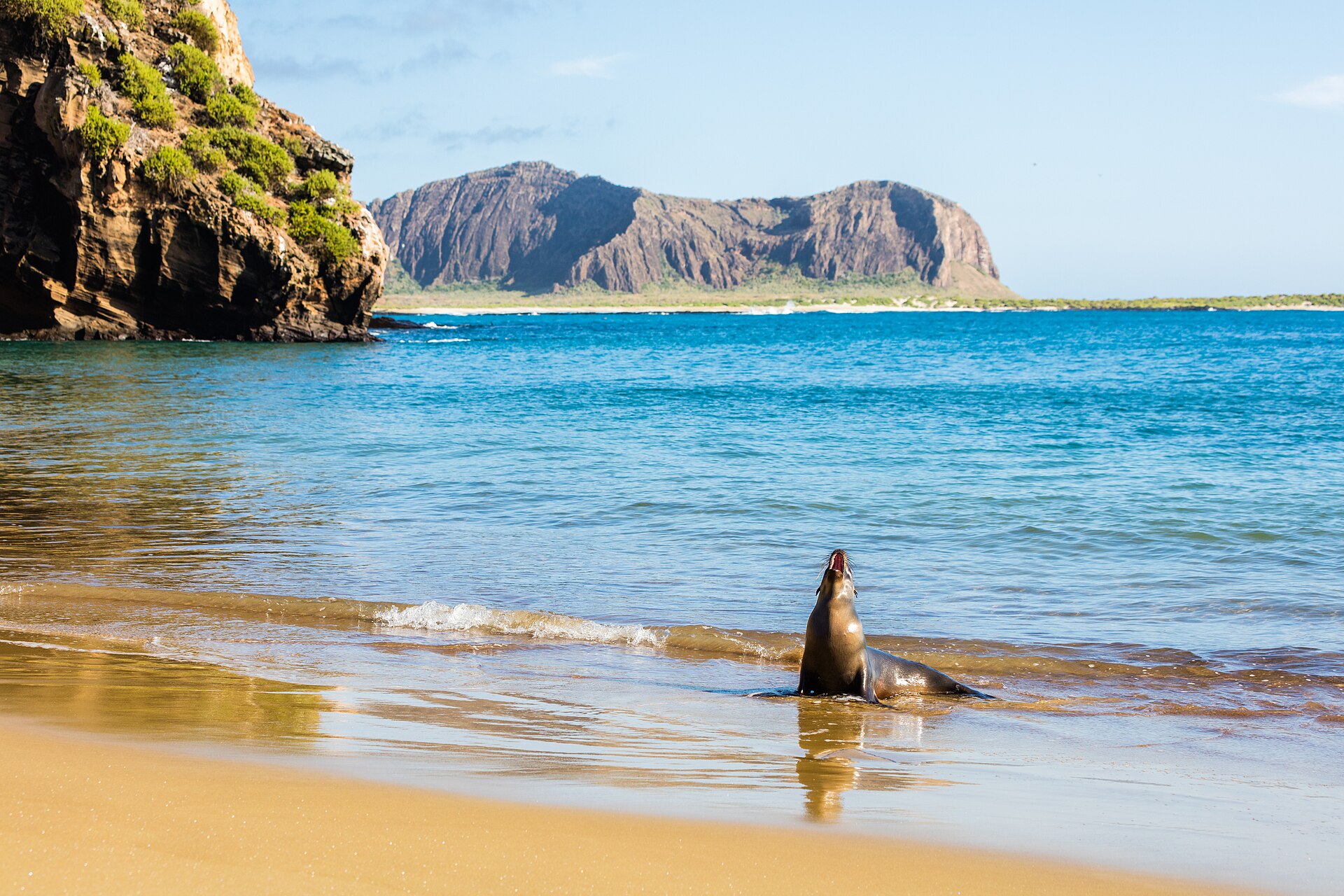
Península Valdés: Where to go for whales, sea lions and penguins in one place.
The window is August to November, and outside it the wildlife largely disappears.
Teatro Colón: The architectural pride of Buenos Aires, and worth seeing from the inside on a guided tour.
Its acoustics are rated among the best of any opera house in the world.
Prices #
Currency: The Argentine peso (ARS) is the local money. Do not read the "$" on a price tag as US dollars, and confirm the figure before you pay.
Changing money: The best rate, the so-called blue dollar, is paid for crisp 100-dollar bills at the private cuevas. Small or worn notes get a markedly worse rate.
Cards: Foreign Visa and Mastercard work in most shops and restaurants, and Amex in the pricier ones. Since 2025 the gap between the market and bank rates has been small, but you still need cash for markets and small towns.
ATMs: Machines are a bad deal here, with heavy fees and low per-transaction limits. Bring cash, use Western Union transfers, or carry a Wise or Revolut card and accept that withdrawals will still sting.
Tipping: Ten percent in restaurants, and in cash even when you pay the bill by card, because that is how it actually reaches the waiter.
| Item | Price (USD) |
|---|---|
| Lunch in a cafe | 10 |
| Dinner for two | 45 |
| Steak at a parrilla | 20 |
| Empanada, each | 1.5 |
| Coffee with milk | 3.5 |
| Bottle of wine | 6 |
| Beer in a bar | 5 |
| Dorm bed | 20 |
| Guesthouse room | 60 |
| Metro ride | 0.7 |
| Taxi, 5 km | 5 |
| Litre of petrol | 1.2 |
| National park ticket | 35 |
| Ice cream | 4 |
Getting around #
Getting in: Buenos Aires Ezeiza has direct links to Madrid, Rome, Paris, London and Frankfurt, and to Miami, New York, Atlanta and Houston. From elsewhere, connect through São Paulo or Santiago, both an easy final hop.
Domestic flights: By far the most efficient way to move between regions in a country this long. Flybondi and JetSmart sell seats from around 20 dollars if you book months out.
City transport: For buses and the subte in the capital you need a SUBE card. Since 2025 many routes also accept contactless bank cards and phones.
Long-distance coaches: Overnight journeys are genuinely comfortable in the Cama and Semi-cama classes, where the seats fold flat. Fifteen to twenty hours is still fifteen to twenty hours, but you see the country.
Taxis and apps: In Buenos Aires, Uber and Cabify are simpler. Official taxis cost roughly the same but often insist on cash.
Car hire: Worth it for Patagonia and the north. You need an international driving permit and a credit card for a deposit that can reach 1,500 dollars.
Airports: For domestic flights in Buenos Aires, choose Aeroparque Jorge Newbery. It sits inside the city and saves you a couple of hours each way.
Where to stay #
Booking: Reserve ahead through the international sites. Paying with a foreign card often triggers an automatic 21 percent VAT refund on the accommodation, which is a real saving.
Where to stay in the capital: Independent travellers do best in Palermo or Recoleta. San Telmo has more character but calls for care after dark.
Apartments: Short-term rentals are popular, but always check there is heating. Argentine winter runs June to August and unheated flats get genuinely cold.
El Chaltén: In peak season, December to February, beds in the village are desperately scarce. Book at least three months out or there will simply be nothing left.
Patagonia: Accommodation in the south runs 40 to 50 percent above the national average. Pick somewhere with a kitchen, because the restaurants are expensive too.
Estancias: Staying on a working ranch gives you a real taste of gaucho life. It is not cheap, but it usually includes riding and a proper asado lunch.
What to eat #
Asado: The central ritual of the country, meat over coals. Order bife de chorizo or vacío, and start with provoleta, grilled cheese with oregano.
Empanadas: Cheap pastries with every filling imaginable, sold everywhere. At street stalls, watch the hygiene and pick the places with a steady queue of locals.
Milanesa: A vast thin schnitzel, often served a la napolitana with ham, cheese and tomato. One portion in a bodegón is usually enough for two adults.
Mate: The bitter herbal infusion Argentines drink by the litre. If you are offered the gourd it is a gesture of trust, so drink it all and hand it back.
Sweet things: Dulce de leche is a point of national pride. It fills alfajores and the ice cream, which is genuinely among the best anywhere.
Wine: Order local malbec or a white torrontés. A very good bottle costs almost nothing in a supermarket, and restaurant markups rarely exceed double.
Safety #
Street crime: Petty theft is a real problem in the big cities. Never hang a bag on the back of a chair in a cafe, and keep an expensive phone out of sight at busy intersections.
La Boca: Do not wander beyond the painted Caminito street. Turning the wrong corner here can end in an aggressive robbery.
Taxis: Use radio taxis or the apps. Flagging cars down at night in unfamiliar neighbourhoods is a poor idea.
Motochorros: Thieves on motorbikes snatch bags and phones from moving traffic. Walk away from the kerb and keep valuables on the building side of the pavement.
Patagonia: The south is essentially crime-free. The danger there is unpredictable weather, ferocious wind and long stretches of trail with no phone signal.
Protests: Argentines demonstrate often and block roads while they do it. Avoid crowds in central Buenos Aires, and check your own government's travel advisory if you are arriving during a political flashpoint.
Etiquette and culture #
Greetings: People kiss on the right cheek, men included once they know each other. Save the handshake for formal business meetings.
Time: Punctuality is not a virtue here and half an hour late is normal. Dinner starts late, with restaurants filling up from nine in the evening.
Football: Not a sport so much as a faith. Talking about Messi and Maradona will open any conversation, but never take sides between clubs.
Milongas: At social tango nights partners are invited with a glance, the cabeceo. If you cannot dance, go to a staged show at the Café Tortoni instead.
The Malvinas: The Falklands question is deeply painful nationally. Do not raise it with people you have just met.
Tipping and manners: Ten percent in cash in restaurants, left on the table. Argentines are physically warm and talkative, and standing back from that reads as coldness rather than politeness.
Connectivity #
SIM cards: Claro, Movistar and Personal sell chips at kiosks, but activation requires a passport and can be fiddly for visitors. An eSIM from an international provider is usually the easier route.
Internet: Wi-Fi is in nearly every cafe and hotel. Buenos Aires has the free BA WiFi network, but the speed only really supports messaging.
WhatsApp: The default channel for everything, including businesses. Argentines send long voice notes rather than typing, and you will receive plenty.
Spanish: The local dialect is distinctive. The "ll" sounds like "sh", so pollo comes out as "posho", which throws people who learned Spanish elsewhere.
English: Fine in tourist areas and good hotels, patchier in ordinary shops and rare in the provinces, so a few Spanish phrases matter more than you would expect.
Navigation: Google Maps and Moovit work well in the cities. For public transport routing in the capital, the local BA Cómo Llego service is better than either.
Phrasebook #
| English | Spanish | Pronunciation |
|---|---|---|
| Hi | Hola | OH-lah |
| Thanks | Gracias | GRAH-syas |
| The bill, please | La cuenta, por favor | La KWEN-ta, por fa-VOR |
| How much is it? | ¿Cuánto cuesta? | KWAN-to KWES-ta |
| That's expensive | Es caro | Es KA-ro |
| Yes / No | Sí / No | See / No |
| Where's the toilet? | ¿Dónde está el baño? | DON-de es-TA el BAN-yo |
| I don't understand | No entiendo | No en-TYEN-do |
| Help! | ¡Ayuda! | A-YOO-da |
| Beer | Cerveza | ser-VE-sa |
| Water | Agua | AH-gwa |
| Meat | Carne | KAR-ne |
| Mate, buddy (slang) | Che / Boludo | Che / bo-LOO-do |
| That's great (slang) | ¡Qué copado! | Ke ko-PA-do |
| Steak | Bife de chorizo | BEE-fe de cho-REE-so |
| Pastry parcel | Empanada | em-pa-NA-da |
| Go on! / Sure! (slang) | ¡Dale! | DA-le |
| What's up? (slang) | ¿Qué onda? | Ke ON-da |
| Cash, money (slang) | Guita | GHEE-ta |
| A total mess (slang) | Quilombo | kee-LOM-bo |
| Nice, pretty | Lindo | LEEN-do |
| Careful | Cuidado | kwee-DA-do |
Good to know #
Gear: If you are trekking in Patagonia, bring everything with you. Imported outdoor equipment is punishingly expensive here because of the duties, even in specialist shops.
National parks: Buy Iguazú and Los Glaciares tickets online on the official sites. In season the queues at the gate can run to hours.
Tax free: Look for shops with the Global Blue logo. On purchases above 70,000 pesos you can reclaim the 21 percent VAT with the paperwork at the airport on departure.
Crossing to Chile: If you have hired a car, arrange the cross-border permit in advance. Rental companies need about a week to issue it and without it you will be turned back at the frontier.
Power: Argentina uses type I sockets, with three angled flat pins. A universal adapter is essential, since European type C plugs are rarely usable.
Consular help: Most countries maintain an embassy in Buenos Aires, generally in Recoleta or Retiro. Save the consular section's number in case of lost documents, and note that they are a very long way from Patagonia.