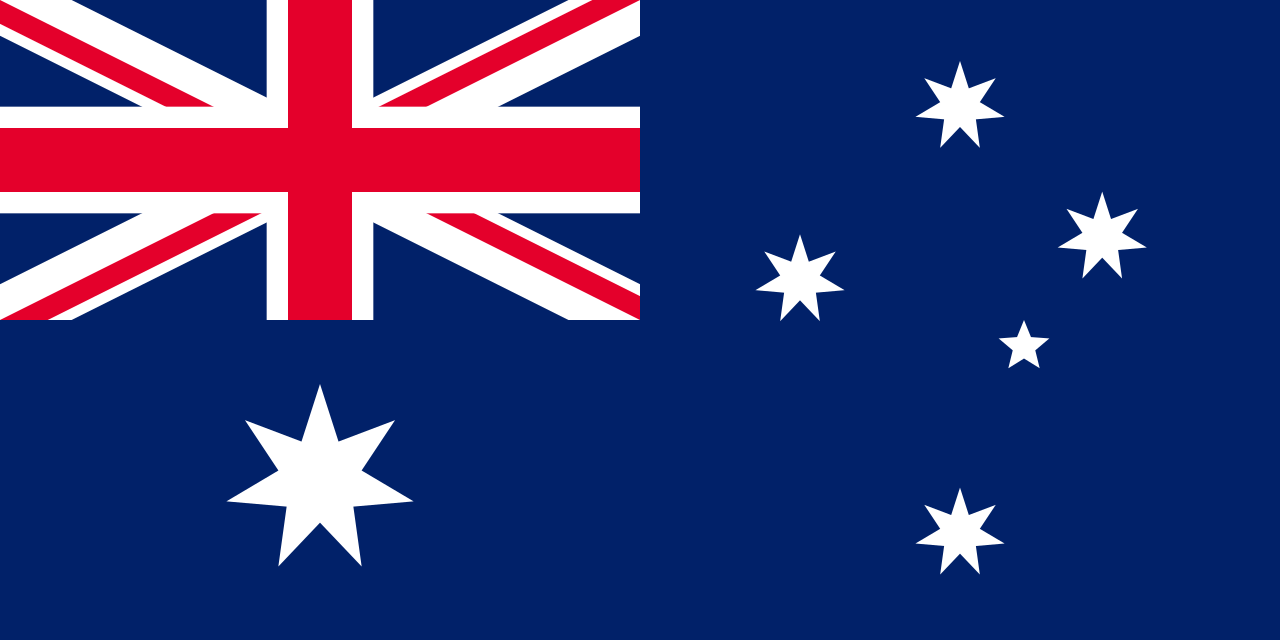
Australia
AUA continent-sized country where every state feels like a nation of its own: tropical reefs in Queensland, red desert in the centre, cosmopolitan Sydney and Melbourne. The Great Barrier Reef, Uluru, the Opera House, kangaroos and koalas — all of it real. Australia is expensive, but the standard of living, the safety and the landscape justify every dollar. Distances run to thousands of kilometres, and one visit is never enough.
Where to go #
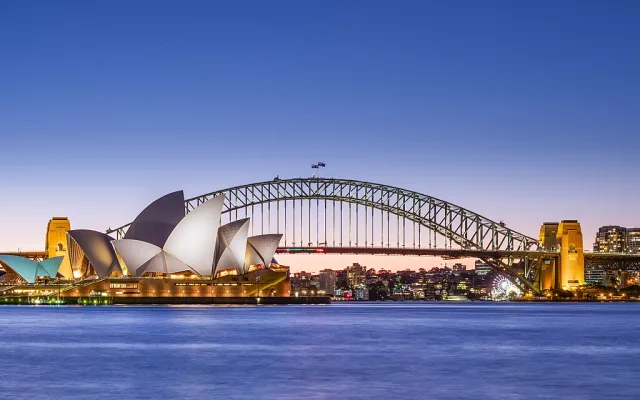
Sydney
Sydney is known for architectural landmarks such as the Opera House and the Harbour Bridge, and for the scenic Bondi beach.
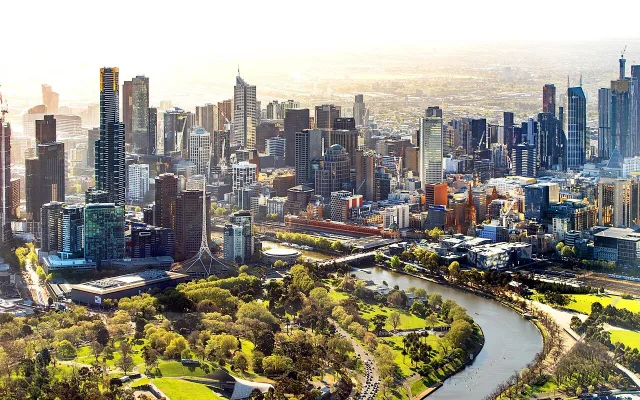
Melbourne
Melbourne is known as the coffee capital of the world, a city full of street art and excellent restaurants.
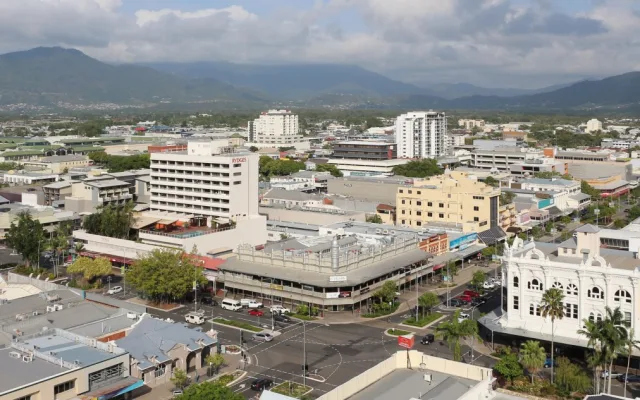
Cairns
Cairns is known as the gateway to the Great Barrier Reef and the Daintree rainforest, and offers world-class diving.
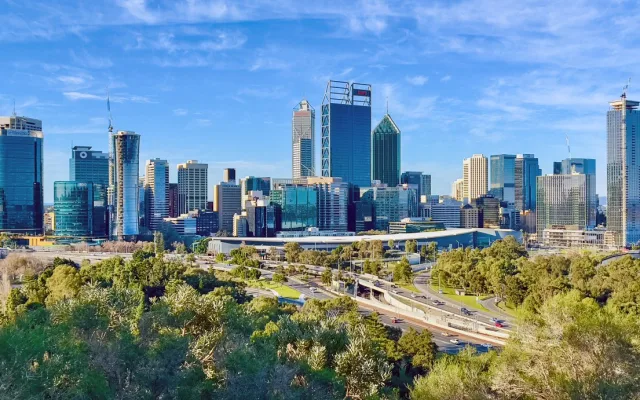
Perth
Perth is the most isolated big city in the world, known for Cottesloe Beach, the Swan Valley vineyards and the Pinnacles Desert.
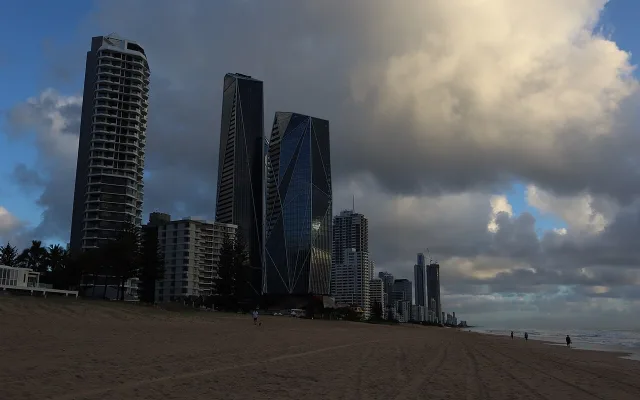
Gold Coast
Australia's Gold Coast is known as the country's surfing capital, home to Surfers Paradise beach, Warner Bros. Movie World and the Hinterland parks.
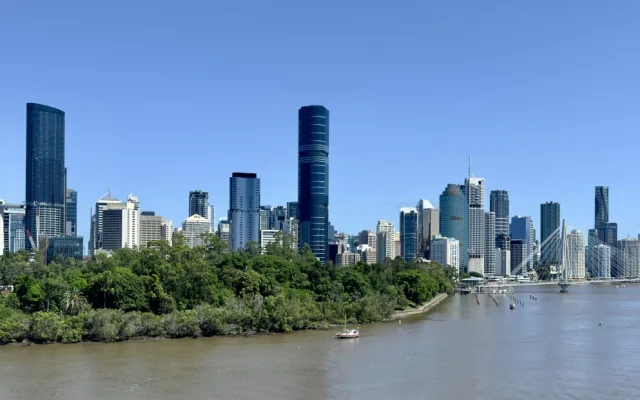
Brisbane
Brisbane is the capital of Queensland, known for cultural landmarks such as South Bank and GOMA, and for its closeness to the Moreton Bay islands and to koala country.
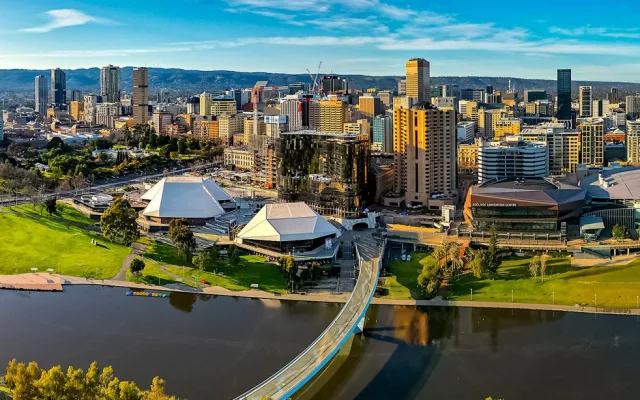
Adelaide
Adelaide is the capital of South Australia, known for the vineyards of the Barossa Valley, the Fringe festival and the scenery of the Adelaide Hills.
What to see #
Underwater: The Great Barrier Reef is the thing worth crossing an ocean for, best reached via the outer platforms such as Reef Magic.
Snorkelling over the coral among the fish is the memory people carry for the rest of their lives.
The coast road: The Great Ocean Road runs along the southern shore and is rated one of the finest drives anywhere.
Stopping at the limestone stacks of the Twelve Apostles is non-negotiable.
The Red Centre: Uluru, the sacred monolith in the desert, shifts from bright ochre to violet at sunset.
Go for the scale of a very old culture and for a silence you will not find anywhere else.
Mountain trails: The Blue Mountains outside Sydney are known for eucalyptus forest and the Three Sisters rock formation.
A commuter train gets you there, so you can walk the clifftop tracks and see the waterfalls in a day.
Sand dunes: K'gari is the largest sand island in the world, where rainforest grows straight out of the sand.
You need a 4WD or a place on a guided jeep tour along the beach tracks.
Ancient forest: Daintree National Park protects an ecosystem measured in tens of millions of years.
The boardwalks through the ferns show you Australia broadly as it was before anyone arrived.
Prices #
Currency: The Australian dollar, famous for its bright polymer notes. Airport exchange desks are poor value, so change money in the city instead.
Cards: The country runs on contactless, with terminals in tiny cafes and at market stalls, and Visa, Mastercard and Amex are all widely accepted. Cash is only really useful deep in the outback.
ATMs and fees: Bank machines are everywhere, though independent ATMs in pubs and shops charge a few dollars a withdrawal. A Wise or Revolut card avoids the conversion markup, which matters when everything is priced high anyway.
Tipping: Not expected, since hospitality staff are on decent fixed wages. Round the bill up in a restaurant if the service was genuinely excellent.
Budget: Life here is expensive, but a frugal traveller manages on around a hundred Australian dollars a day staying in hostels and cooking. Eating out and a hire car will double that fast.
| Item | Price (USD) |
|---|---|
| Flat white | 4 |
| Meat pie | 6 |
| Food court lunch | 12 |
| Pint of beer | 9 |
| Steak in a restaurant | 28 |
| Hostel bed | 35 |
| Three-star hotel room | 135 |
| Ferry ride | 6 |
| Single metro fare | 3 |
| Bottle of water | 2 |
| Bottle of wine, shop | 10 |
| SIM card with data | 25 |
| Zoo ticket | 38 |
| Car hire per day | 55 |
Getting around #
Getting in: Long-haul flights land at Sydney, Melbourne, Brisbane and Perth. From Europe the usual routings are via Singapore, Dubai, Doha or Hong Kong, while the US west coast has direct services from Los Angeles, San Francisco and Dallas.
Domestic flights: The distances between states force you into the air. Jetstar and the other budget carriers sell cheap seats if you book months ahead.
City travel: Sydney and Melbourne use the Opal and Myki systems, and you can simply tap a foreign contactless card at the gates on entry and exit.
Car hire: A car makes the Great Ocean Road, but remember they drive on the left. Standard rental insurance is void on outback dirt roads, so you need a specific agreement for that.
Trains: Intercity rail is a slow pleasure rather than a practical option. The legendary transcontinental routes are expensive and take many times longer than flying.
Coaches: Greyhound covers the east coast and is popular with younger travellers on flexible passes. It is a dependable way to reach beach towns and national parks off the rail network.
Ferries: In Sydney the ferries are both public transport and the best view in the city, for the price of a bus ticket. The run to Manly at sunset replaces any paid harbour cruise.
Where to stay #
In the cities: To keep costs down, look at chain hotels near the stations or in the outer suburbs. Sydney prices bite, so a room in a suburb on a train line is the sensible compromise.
Hostels: Chains such as YHA run clean rooms with proper kitchens and lounges. The one in The Rocks in Sydney has a rooftop terrace looking straight at the Opera House.
Caravan parks: Travelling with a tent or a campervan gets you shared kitchens and clean showers for very little. It is how a great many Australians holiday along the coast.
Rentals: Private listing platforms turn up good apartments in the historic parts of Sydney and Melbourne. Worth it for groups and for anyone wanting to cook from the farmers' markets.
Roadside motels: Along the main highways you will find simple single-storey units with parking at the door. Quality is consistent and the price is well below city chains.
Eco-lodges: In the tropical north and at the edges of national parks there are cabins built into the landscape. Expect parrots screaming at dawn and no pretension whatsoever.
What to eat #
Street classic: The meat pie is the honest staple, sold in every roadside bakery. Eat it hot with tomato sauce on top, which is the accepted method.
Coffee: Australians largely ignore the international chains in favour of independent roasters. The flat white has been perfected here, and it is worth seeking out a small place in a Melbourne laneway.
Barbecue: Public parks across the country have free electric grills. Buy steaks at the supermarket and cook them outdoors, which is a genuine national ritual rather than a novelty.
Northern warning: In Queensland, do not fish from unmarked riverbanks, because of the crocodiles. Buy your seafood at the fish markets instead, where it is excellent.
Asian food: Thai and Vietnamese food courts are the budget traveller's salvation. A large bowl of noodles or pho costs half what an average restaurant main will.
Vegemite: The yeast spread on toast is a rite of passage. The trick is a very thin scrape over a thick layer of salted butter, not the other way round.
Safety #
The sun: The UV index here is extreme and you can burn in fifteen minutes under cloud. Factor 50, a hat and covered shoulders are the standard local response.
The surf: Swim between the red and yellow flags, where the lifesavers are watching. Rips are invisible from the beach and take inexperienced swimmers out to sea every year.
Wildlife: Encountering a dangerous snake or spider in a city is unlikely, since they avoid noise. In long grass or bush, watch your feet and do not put your hands under rocks.
Breaking down: If your car fails in the empty outback, never walk away from it looking for help. The vehicle gives shade, and a search helicopter can see a car far more easily than a person.
Crocodiles: In the north, estuarine crocodiles live in rivers and lagoons and are genuinely dangerous. Read the warning signs and never enter water where swimming is prohibited.
Calling for help: Dial 000 for any emergency and the response is fast. Remember that in remote desert regions there may be no mobile coverage at all, and check your own government's travel advisory before a serious outback trip.
Etiquette and culture #
Attitude: "No worries, mate" is not a catchphrase so much as a worldview. Australians are relaxed, direct and friendly, and have no patience at all for arrogance or self-importance.
Sport: Sport here functions as a religion, particularly Australian rules football and cricket. Going to a match is the fastest way to understand the country and meet people.
Aboriginal culture: This is the oldest continuous culture on the planet and its sacred sites deserve real care. Climbing Uluru is prohibited out of respect for those beliefs.
Abbreviations: The local habit of shortening every word makes the slang feel like a separate language. Breakfast becomes brekkie and a barbecue becomes a barbie, and you adjust within days.
Coffee rules: Ordering a machine coffee in Melbourne is a social error. The coffee culture here is arguably stronger than in Italy, and every cup is made by hand.
Christmas on the beach: The holiday falls at the height of summer, so it means surfing and picnics rather than snow. Marking the big dates on the sand with family is something the whole country shares.
Connectivity #
Networks: For reliable data across the country, choose Telstra, which has by far the widest coverage. In the cities everyone is fine, but in the interior there is no real alternative.
eSIM: The simplest approach is activating an eSIM before departure so you are online on landing. International data bundles are reasonably priced and save hunting for a phone shop.
Coverage gaps: Once you leave the highways, expect nothing. Anyone driving remote routes should carry a satellite communicator or a personal locator beacon rather than relying on a phone.
Wi-Fi: Free connections are available in every library, large shopping centre and most city cafes. Budget hotels and hostels include it in the rate.
Language: English, obviously, but the accent and the contractions take a couple of days. Ask people to repeat things and nobody will mind in the slightest.
Apps: Install WikiCamps for campsites and roadside facilities. For city navigation, use Opal Travel in Sydney or PTV in Melbourne.
Phrasebook #
| English | Aussie slang | Pronunciation |
|---|---|---|
| Hello | G'day | Gud-DAY |
| Friend, mate | Mate | Mayt |
| It's fine, don't worry | No worries | No WUH-reez |
| How are you? | How ya going? | How ya GO-ing |
| Thanks | Ta | Tah |
| Excellent! | Ripper! | RIP-uh |
| Afternoon | Arvo | AR-vo |
| Breakfast | Brekkie | BREK-ee |
| Barbecue | Barbie | BAR-bee |
| Chicken | Chook | Chook |
| Flip-flops | Thongs | Thongz |
| McDonald's | Maccas | MAK-uz |
| Petrol station | Servo | SER-vo |
| Cold beer | Coldie | KOL-dee |
| The middle of nowhere | Woop Woop | Woop woop |
| Lots, plenty | Heaps | Heeps |
| Really? Genuine? | Fair dinkum | Fair DIN-kum |
| You're welcome | You're right | Yaw RIGHT |
| Cool box | Esky | ES-kee |
| Cigarette or tea break | Smoko | SMO-ko |
| Sunglasses | Sunnies | SUN-eez |
| Afternoon drink | Sundowner | SUN-down-uh |
Good to know #
Visa portal: immi.homeaffairs.gov.au is the only reliable place to apply and to check current requirements. You can track your application status there in real time.
Weather: bom.gov.au gives the most accurate forecasts and radar for every region. This matters enormously if you are heading north in the wet season or into the desert.
Sydney transport: transportnsw.info plans train and ferry journeys to the minute. It also shows card balances and any temporary timetable changes.
Campsites: The WikiCamps Australia app is essential for a road trip. It carries thousands of reviews of free camps, showers and the best spots for wildlife.
Cheap flights: jetstar.com runs frequent sales on interstate routes. Watch prices in advance and Sydney to Cairns or Melbourne can cost less than a restaurant dinner.
Insurance: Buy a policy before you fly, since healthcare here is world-class and priced accordingly. Check that it covers whatever you plan to do in the water.