Estonia
EEThe most digital country in the world, with one of the finest medieval old towns in Europe. Estonia is a compact Baltic state where the Gothic spires of Tallinn sit alongside wild bogland and more than two thousand islands. The mix of high tech and untouched nature is startling, and the white nights of summer make a visit especially memorable. Russian is widely understood, which makes getting by easier.
Where to go #
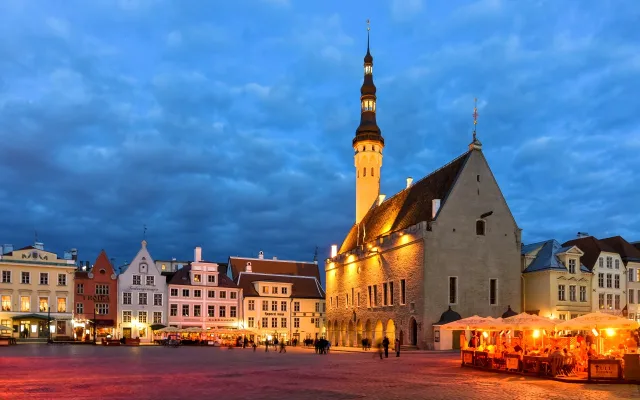
Tallinn
The best-preserved medieval city in Northern Europe, with Hanseatic towers, the Toompea citadel, and a thriving digital startup scene.
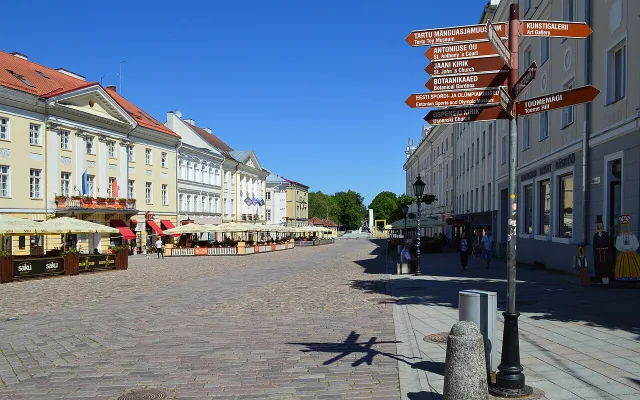
Tartu
Estonia's university capital — home to the country's oldest university, Town Hall Square, and the AHHAA science centre.
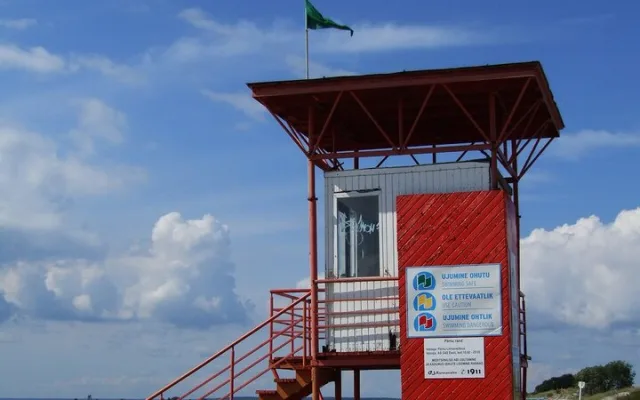
Parnu
Estonia's summer capital — a Baltic resort of sandy beaches, spa hotels and wooden architecture.
What to see #
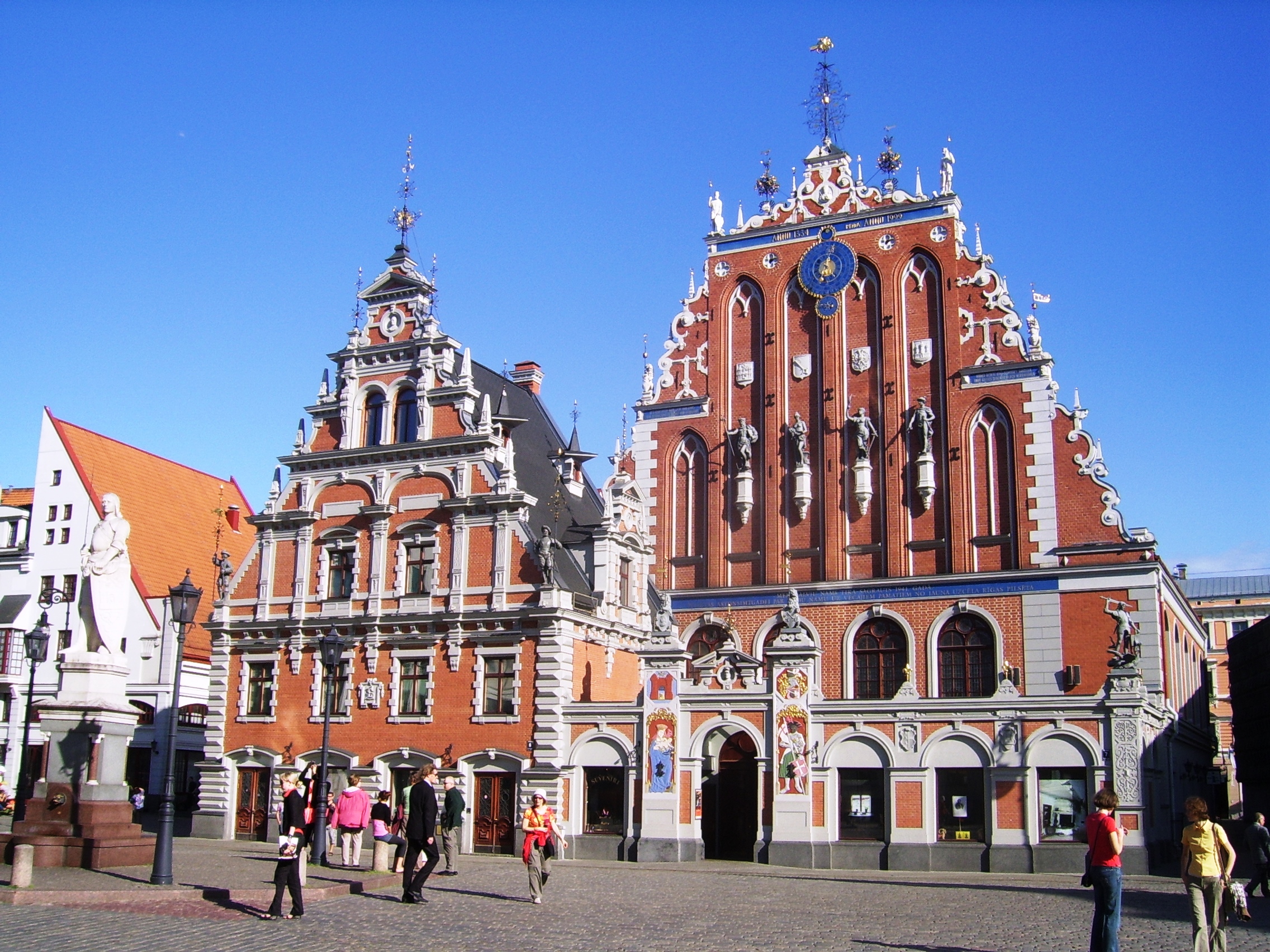
Tallinn Old Town: the cobbled maze you came for, with Gothic spires and the town hall at its centre. Find the pharmacy that has been trading since 1422 and still sells its medieval remedies over the counter.
Viru bog: in Lahemaa National Park, an hour from the capital, and about as alien as northern Europe gets. Boardwalks lead through the mist to a viewing tower in the middle of the mire. Easy enough for anyone and unlike anything else you will do here.
Kalamaja: the former fishermen's district turned creative quarter. Come for the wooden architecture and the Telliskivi complex, where the craft beer, the design shops and the best street food in the city all sit together.
KUMU: the art museum built into a limestone cliff, worth seeing for the architecture alone. Inside is a serious collection of Estonian art from classical work through Soviet-era avant-garde to contemporary installation.
Kuressaare castle: on Saaremaa, and unmissable for its sheer defensive bulk and its strange cellars. Walking the bastions and courtyards puts you convincingly in the fourteenth century.
Kaali meteorite crater: a rare chance to stand in a hole punched by a meteorite, ringed by an ancient rampart. It sits right beside the main island road, so it costs you twenty minutes.
The sauna: in the south, the smoke saunas of Voru county are on the intangible heritage list and can be booked as an evening rather than a spa treatment. This is the real thing.
Prices #
Currency: the euro, and Estonia is one of the most cashless countries in Europe. You can pay by card at a farmers' market stall or to the driver on a rural bus without anyone blinking.
Cards: Visa and Mastercard work everywhere, contactless is universal, and paying by phone is completely normal. Amex is accepted less consistently, so don't make it your only card.
Cash and ATMs: currency exchange outside the airport is hard to find and unnecessary. If you want a small reserve, withdraw euros from a Swedbank or SEB machine.
Fees: a Wise or Revolut card avoids the conversion markup, and you should always choose to be billed in euros rather than your home currency at the terminal.
Tipping: around ten percent for good service in restaurants. It is not added automatically, and nobody will pursue you if you skip it.
| Item | Price (USD) |
|---|---|
| Cafe lunch | 17.00 |
| Dinner for two | 75.00 |
| Fast food meal | 12.00 |
| Cappuccino | 4.50 |
| Glass of beer | 5.50 |
| Bottle of wine from a shop | 10.00 |
| Hostel dorm bed | 25.00 |
| Hotel room | 95.00 |
| Taxi across the centre | 8.00 |
| One-hour transit ticket | 2.30 |
| Day travel pass | 6.50 |
| Petrol, per litre | 1.90 |
| Car hire, per day | 35.00 |
| Rye bread | 2.50 |
| Bottle of Vana Tallinn | 13.00 |
Getting around #
Coaches: Lux Express and Ecolines link every major town, with tablets, sockets and free coffee onboard. Tallinn to Tartu costs about ten euros booked ahead, and the same operators run on to Riga and Vilnius.
Trains: Elron services are modern, punctual to the minute, and carry bikes. They are the quick way south and east, and the fares are low by European standards.
City transport: Tallinn runs on contactless cards or an app. Public transport is free for registered residents but not for visitors, and an hour ticket lets you change between trams and buses as often as you like.
Bolt: the local app dominates for cars and e-scooters, with pickup in the centre inside a couple of minutes and fares well below the airport ranks.
Island ferries: big Praamid vessels serve Saaremaa and Muhu, taking about half an hour, with cafes and open decks. Foot passengers pay very little; cars need booking.
Car hire: essential for the national parks and the remote farms. Traffic outside the capital is minimal, road quality is high, and parking at trailheads is almost always free.
Cycling: the country is flat, the distances are manageable and the islands in particular are made for it. Bikes travel free or cheaply on the ferries.
Where to stay #
Where to stay in Tallinn: Rotermann for the port and the modern centre, Kalamaja for the creative quarter. The Old Town itself is overrated as a base, being noisy at night and crowded by day; walk there and sleep elsewhere.
Budget: the hostels here are unusually good, often in restored historic buildings with kitchens and proper common rooms, which brings the cost of a city break down sharply.
Farm stays: on the islands and in small towns, look for a talu, a rural farmstead. Owners frequently produce home-baked bread, a wood-fired sauna and a boat for the nearest lake.
Spa hotels: in Parnu, choose a place with a water centre. The rate includes unlimited access to pools and a dozen kinds of sauna, which is exactly what the Baltic weather calls for.
Apartments: for longer stays, renting a flat is better value. Scandinavian design and a decent coffee machine are standard even in inexpensive studios.
Seasons: coastal prices double in summer, so book a couple of months ahead for July. In winter, central Tallinn hotels discount heavily and you can get a luxury room for the usual price of a standard one.
What to eat #
Black bread: the national pride, baked to old recipes with caraway. Buy a warm loaf from a bakery; it is dense enough to serve as lunch on its own.
Blood sausage: with lingonberry jam, mostly a winter dish and not for everyone. Ignore the ingredient list, because with the sweet preserve it is a genuine northern delicacy.
Sprats: the cult snack is sprat with egg on a slice of rye. Restaurants also do excellent pike and smoked fish brought in that morning from the coastal fishing farms.
Mulgikapsas: pork stewed with barley and sauerkraut, and precisely the food you want on a cold day. Heavy, cheap and fuel for a long walk on a windy shore.
Kama: a mixture of roasted grain flours stirred into kefir. The strangest breakfast on offer and worth trying once. For something sweeter, Kalev chocolate, especially the dark marzipan.
Craft beer: Estonian breweries are taken seriously well beyond the Baltics. The bars in Telliskivi pour stouts and IPAs brewed in the buildings next door.
Safety #
The general picture: among the safest countries in Europe, and walking at night in any city is unremarkable. Street crime barely registers, and the police are unobtrusive and effective.
Pickpockets: in peak season, keep an eye on your bag on Town Hall Square and in St Catherine's Passage, where crowds gather around performers.
Traffic: drivers always stop for pedestrians and expect the same discipline from you. Crossing on a red light earns a fine and, worse, a look.
Winter footing: ice on the Old Town cobbles is the real hazard of the cold season. Wear boots with a thick, grippy sole, because the stone does not always get cleared in time.
In the forest: stick to marked trails in the national parks so you don't end up lost in a bog. The wilderness here is genuine, and two kilometres from a road you can be out of signal.
Emergencies: dial 112 for everything. Operators work in several languages and response is quick even in remote areas.
Schengen rules: non-EU visitors get 90 days in any 180 across the zone, now logged biometrically by the Entry/Exit System rather than stamped into your passport.
Etiquette and culture #
Personal space: Estonians value quiet and dislike familiarity from strangers. Loud conversation on public transport or striking up a chat with a passer-by for no reason is bad form here.
The sauna: an invitation to one is the highest form of hospitality and trust. It is a place for calm conversation and reflection rather than a party, and the etiquette is closer to a ritual than a spa visit.
Song festivals: the mass choral gatherings held every five years bring the entire nation together on huge grounds. The tradition runs so deep that you will come across choirs rehearsing on ordinary weekday evenings.
Shoes off: always remove them at the door of a private home. Offering guests slippers is the norm, and walking on carpets in outdoor shoes is simply not done.
Digital by default: taxes, voting and paperwork are handled online in minutes. Estonians are genuinely proud of being the most digital state in Europe and will tell you so.
Nature: care for the landscape borders on religious. Leaving litter in a forest is close to unthinkable, and the quiet of the bogs and islands is treated as something worth protecting.
Connectivity #
Mobile data: buy a prepaid SIM at any kiosk, no passport required. Coverage reaches 5G even in the far forests of Saaremaa, which makes offline maps almost redundant.
Wi-Fi: free and fast in nearly every cafe, park and even on intercity coaches. This is a country where working remotely from a bus is entirely realistic.
eSIM: works fine if you would rather not visit a shop, and EU SIMs roam here at no extra cost.
Language: Estonian is the official language, and English is spoken to near-native standard by almost anyone under forty. In Narva and the north-east, Russian is the everyday language of the street.
Apps: Bolt for cars and scooters, and the local transport app for tickets. Between them you avoid ever needing to work out a fare table.
Offline maps: download them anyway if you plan long walks in Lahemaa or on the islands, since signal drops in some low ground and not every trail is signposted.
Two words of Estonian: "tere" and "aitäh" go a long way. Locals notice the effort and warm up immediately.
Phrasebook #
| English | Estonian | Pronunciation |
|---|---|---|
| Hello | Tere | TEH-reh |
| Hi (slang) | Tsau | chow |
| Thank you | Aitah | AI-tah |
| Please | Palun | PAH-loon |
| Yes | Jah | yah |
| No | Ei | ay |
| Sorry | Vabandust | VAH-bahn-doost |
| How much is it? | Kui palju maksab? | kooy PAHL-yoo MAHK-sahb |
| Help! | Aidake! | AI-dah-keh |
| Beer | Olu | UH-loo |
| Coffee | Kohv | kohv |
| Water | Vesi | VEH-see |
| Bread | Leib | layb |
| Tasty! | Maitsev! | MAIT-sev |
| Goodbye | Head aega | HEH-ahd AY-gah |
| I don't understand | Ma ei saa aru | mah ay sah AH-roo |
| Good | Hea | HEH-ah |
| Cool! (slang) | Vinge! | VING-eh |
| Let's go! (slang) | Lahme! | LAKH-meh |
| Where is the toilet? | Kus on WC? | koos on veh-TSEH |
Good to know #
Getting there: Tallinn is served by Ryanair, Wizz Air, airBaltic, Finnair and others from most European capitals, and fares are low outside midsummer. The ferry from Helsinki takes two hours and runs constantly; Stockholm is an overnight sailing.
Tourist information: every large town has an office with free paper maps and staff who know the current ferry timetable and what is on that week. They are genuinely useful rather than decorative.
Tickets: buy coach tickets on the operators' own sites and train tickets through the official portal. It guarantees a seat and saves queueing at holiday periods.
Tallinn Card: worth it if you plan three or more museums, since it covers around forty attractions plus public transport for one or two days.
Island ferries: book a car space in advance for Saaremaa or Muhu, especially at weekends and holidays, when sailings fill.
Plugs: European type C and F sockets at 230 V. British, American and Australian travellers need an adapter.
When to go: June to August for white nights, islands and beaches; December for the Christmas market on Town Hall Square, which is among the oldest in Europe.