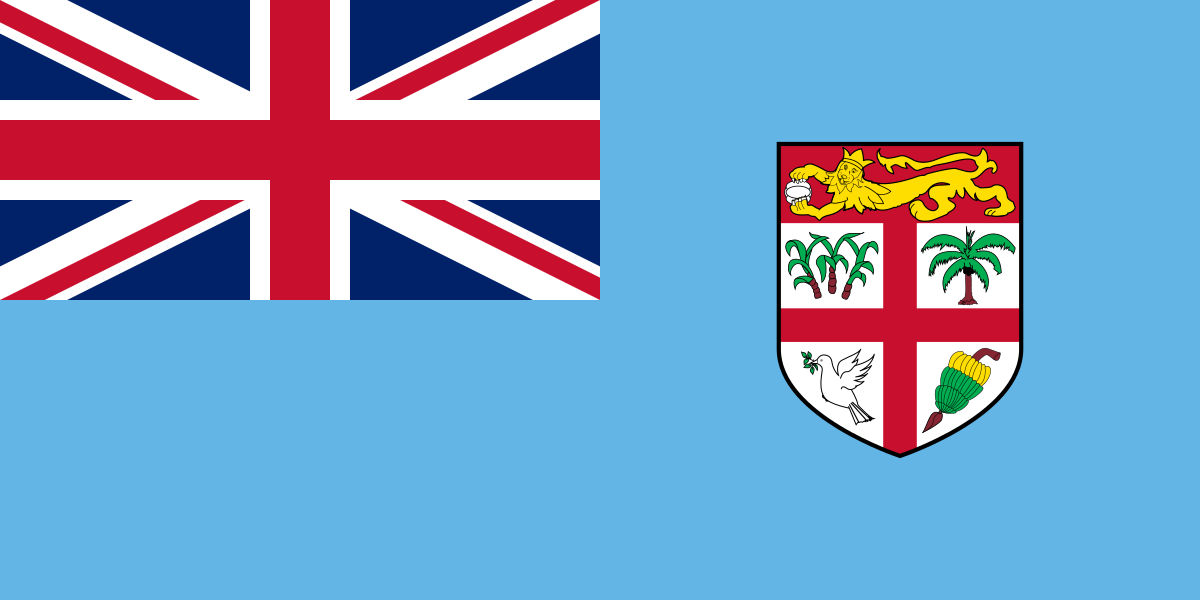
Fiji
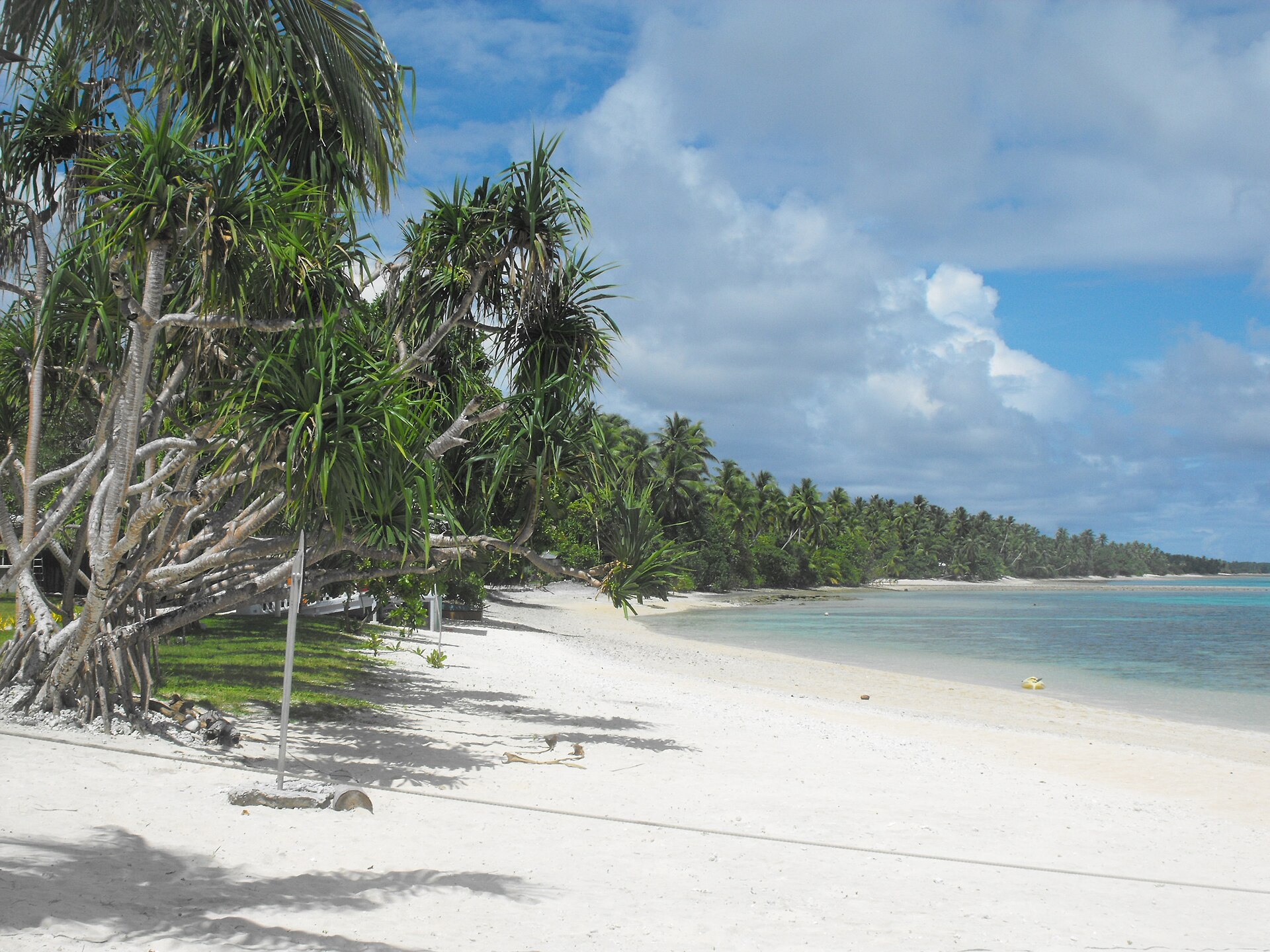
FJAn archipelago of more than 300 islands in the South Pacific, where white beaches meet world-class coral reefs. Fijians are among the friendliest people in Oceania, and the kava ceremony has become the emblem of local hospitality. The islands suit budget backpackers on the Yasawas as readily as anyone dreaming of an overwater bungalow. Visa-free entry of up to four months for many nationalities makes a trip easy to arrange.
Where to go #
Nadi
The country's air hub, which means every traveller passes through it at least twice. It is the natural planning base for the Mamanuca and Yasawa island runs or for heading down to the southern beaches. The town itself is busy and workaday, though Denarau Marina is where the activity is.
Suva
The political capital of the South Pacific, with a colonial feel and a famously wet climate. Walk the municipal market and look in at the museum, whose cannibal-era artefacts are genuinely startling. This is the best place to see how Fijians actually live today.
Lautoka
The second port, known as the sugar city for its vast mill. Worth a stop for the calm harbour-town atmosphere and the parks, and for the Sabeto hills nearby, which are easy to reach on your own.
Savusavu
A comfortable little town on Vanua Levu, often called the hidden paradise of the group. It has hot springs and an excellent yacht marina for long stays, and it draws people who want something real rather than the resort strip.
Levuka
The former capital on Ovalau, still looking stopped in time, with nineteenth-century timber buildings and a deliberately slow pace. If you are interested in wreck diving, these are the waters to get into.
Sigatoka
A small centre on southern Viti Levu, known for its giant sand dunes and the archaeological park. It is the base for exploring the river valley and visiting traditional villages, and the cheapest way to see the Coral Coast.
What to see #
Sawa-i-Lau caves: hidden in the Yasawas, and worth a trip for the swim in an underground limestone pool. Local legend puts ancient spirits down there, and reaching the second chamber means ducking under the rock at low water.
Garden of the Sleeping Giant: north of Nadi, a large tropical garden with thousands of rare orchids that you can do properly in a morning. The boardwalks wind through wet jungle to viewpoints and to the house once owned by the actor Raymond Burr.
Sigatoka sand dunes: a landscape you do not expect in the tropics, holding burials more than three thousand years old. Good for a long walk with wide views over a rough ocean and dense coastal forest.
Navala village: in the hills of Viti Levu, the one settlement where every house is still a traditional thatched bure. To go inside you must observe the sevusevu ritual and present the chief with a bundle of kava root.
The date line: on Taveuni you can stand with one foot in today and the other in tomorrow. Follow it with the Lavena coastal walk to the waterfalls, along a shoreline package tours never reach.
Namena reef: for anyone chasing the best diving in the world, this marine reserve off Vanua Levu delivers. The density of coral and fish impresses even experienced divers, and visibility runs to a remarkable forty metres.
Sri Siva Subramaniya temple: the tallest Hindu structure in the southern hemisphere stands in Nadi, vividly painted and completely unexpected. See it on day one and the country's mixed culture makes sense immediately.
Prices #
Currency: the Fijian dollar (FJD), worth roughly 0.45 US dollars, so mental arithmetic is easy: halve the price and you are close.
Cash to bring: US or Australian dollars change most easily, at the airport or at bank branches, which open on weekdays and shut around four in the afternoon.
Cards: on the outer Yasawa or Kadavu islands there are no card terminals at all, so carry enough paper money for the whole island leg. In Nadi and Suva, supermarkets and larger hotels take Visa and Mastercard without trouble.
ATMs: plentiful on Viti Levu and almost nonexistent elsewhere. Withdraw what you need before boarding the boat, not after.
Tipping: not customary and sometimes read as a small breach of the hospitality tradition, though resort staff are now used to it. Nobody will chase you for it.
| Item | Price (USD) |
|---|---|
| Cafe dinner | 6.50 |
| Coffee to go | 3.50 |
| Beer in a bar | 4.50 |
| Hostel dorm bed | 20.00 |
| Room in Nadi | 60.00 |
| Bottle of water | 0.90 |
| Mangoes, per kilo | 3.00 |
| Bus ticket | 1.30 |
| Taxi to the port | 10.00 |
| Ferry to the islands | 90.00 |
| Diving lesson | 130.00 |
| Kava root | 15.00 |
| eSIM data plan | 25.00 |
| Kokoda lunch | 5.00 |
Getting around #
Buses: air-conditioned express coaches run around Viti Levu around the clock, roughly hourly between Nadi and Suva. The trip takes about four hours and costs very little.
Paying fares: city buses use the eTransport card, sold at mobile operator offices. Drivers rarely take cash, so pick one up on your first day rather than being stranded at a stop.
Catamarans: the Yasawa Flyer and South Sea Cruises run daily between the inhabited islands, and this is the backbone of any independent island-hopping route.
Water taxis: small motorboats cover the short hops between minor islands. Agree the final price before you get in, since private boatmen work to no fixed tariff.
Domestic flights: Fiji Link connects Viti Levu with Vanua Levu and Taveuni quickly. Note the hard baggage limit of fifteen kilos per person on the small aircraft.
Taxis: metered cars operate in every town and are recognisable by their yellow plates. Nadi airport into town runs to about ten US dollars.
Car hire: only worth it for exploring Viti Levu in detail, and remember that traffic keeps to the left. Coastal roads are decent, while the mountain sections are rough and slow.
Where to stay #
Town hotels: Nadi and Suva have plenty of inexpensive places, many with a free airport shuttle. That is the sensible first night after a long-haul flight, before you commit to anything else.
Guesthouses: the Wailoaloa beach area concentrates the budget places where independent travellers stay. The atmosphere is sociable and it is easy to find people to share a boat or a trip with.
Island resorts: in the Yasawas and Mamanucas, the standard format is a small resort of traditional bure huts with all meals included in the rate. Compare the full-board price rather than the room price.
Booking: the global sites work, but the most interesting places on the far islands are not listed there. Emailing or messaging owners directly is normal and usually cheaper.
What to expect: cheaper rooms have ceiling fans rather than air conditioning, which is generally enough. On small islands, generators often run only in the evening and overnight.
Seasons: December to March is cheaper because it is the wet season with cyclone risk. For July and August, book three to four months ahead if you want the good budget places.
Apartments: Airbnb operates freely in Suva and Nadi, which suits anyone wanting a kitchen and a base away from the resort strip.
What to eat #
Kokoda: the local ceviche, raw fish cured in lime juice and finished with thick coconut milk. It turns up in expensive restaurants and at market stalls, and the market version is usually better.
Lovo: the earth oven, where meat and vegetables bake for hours on hot stones under a layer of soil. It takes half a day to prepare, so it happens on set nights; ask your guesthouse when the next one is.
Indian food: the large Indo-Fijian community means excellent curries and roti everywhere. This is the cheapest and most filling quick meal in Nadi and Suva by a wide margin.
Palusami: taro leaves wrapped around coconut cream and baked, served as a side with almost everything. Creamy, slightly odd and completely characteristic.
Root crops: instead of potato, Fijians eat boiled or fried cassava and yam. They are heavy and calorific and form the base of daily eating in the villages.
Fish markets: buy seafood early in the morning straight off the boats. Tuna, mahi-mahi and large lobsters cost a fraction of what any tourist restaurant charges.
Drinks: beyond kava, try Fiji Gold, the local lager. It is light and does the job in the humidity, which is more than can be said for most imports.
Safety #
In the towns: crime is moderate, but don't walk alone in Suva or Nadi after dark. Pickpockets work the crowds at markets and busy bus stations.
Currents: always ask locally about tides before swimming out to a distant reef. The channels between islands run hard and can carry even a strong swimmer out to open water.
Cyclones: the season runs November to April, bringing severe storms and flooding. Check the official forecast before any small-boat trip, and take resort warnings seriously.
Sun: equatorial sun burns fast even under cloud. Use maximum-factor cream and stay off open beaches in the middle of the day.
In the water: never touch coral or the brightly coloured things living in it. Reef cuts heal slowly and get infected easily, so wear reef shoes to get in and out.
Drinking water: tap water is broadly safe in the main towns, but on the islands buy bottled. That one habit prevents most holiday stomach problems.
Healthcare: modern hospitals exist only on Viti Levu. Take insurance that covers helicopter transfer from remote areas, and check your own government's travel advisory before you go.
Etiquette and culture #
Kava: the central ritual, a drink made from the pounded root of a pepper shrub. It does not intoxicate, but it numbs the tongue and produces a pleasant physical heaviness. Accepting a bowl when offered matters more than liking it.
In the villages: always remove your hat and sunglasses. The head is considered sacred, so never touch anyone else's and never wear anything on yours indoors.
Sevusevu: you cannot properly visit a traditional village without this offering, usually a bundle of kava root presented to the elder, who then grants permission for you to look around.
Dress: away from the tourist beaches, Fijians dress conservatively. Covering shoulders and knees in residential areas avoids causing offence and gets you treated better.
Fiji time: nobody is in a hurry, ever. A bus half an hour late or lunch arriving whenever it arrives is the standard, and fighting it only ruins your own day.
Sunday: a sacred day when the islands more or less stop. Most shops close and people are in church, where the singing carries across the whole village.
Bula: Fijians are among the friendliest people anywhere, and the greeting is meant. Answer it with the same grin and doors open that would otherwise stay shut.
Connectivity #
Networks: Vodafone and Digicel are the two operators, and a SIM can be bought in the arrivals area at Nadi with just your passport.
eSIM: the simplest way to have data the moment you land, running over the same local towers and far cheaper than roaming from home.
Coverage: 4G is reliable across Viti Levu and Vanua Levu, including public beaches. On the outer Yasawa atolls it drops out or crawls, so plan for offline days.
Tethering: most local plans allow hotspot use, which matters if you are working from a laptop between islands.
Wi-Fi: free in town cafes and hotels, though slow. Some private island resorts charge separately for access, so check before assuming.
Messaging: everything works without restriction, and WhatsApp and Facebook Messenger are how guesthouse owners and guides do business.
Data bundles: for stays over a week, buy a tourist package with a large allowance rather than paying standard rates, which are several times more expensive.
Phrasebook #
| English | Fijian | Pronunciation |
|---|---|---|
| Hello / Life | Bula | BOO-lah |
| Thank you | Vinaka | vee-NAH-kah |
| Thank you very much | Vinaka vakalevu | vee-NAH-kah vah-kah-LEH-voo |
| Goodbye | Moce | MOH-theh |
| Sorted / OK (slang) | Set | set |
| Yes | Io | EE-oh |
| No | Sega | SENG-ah |
| Please | Yalo vinaka | YAH-loh vee-NAH-kah |
| Excuse me | Tulou | too-LOH |
| How much is it? | E vica? | eh VEE-thah |
| Too expensive | Saumi levu | SOW-mee LEH-voo |
| Delicious | Kana vinaka | KAH-nah vee-NAH-kah |
| Beautiful | Totoka | toh-TOH-kah |
| Where is the toilet? | E vei na vale-lailai? | eh vay nah VAH-leh lye-LYE |
| Water | Wai | why |
| Sea | Wasa | WAH-sah |
| Help me | Vukei au | voo-KAY ow |
| Mate (slang) | Choms | choms |
| No problem | Sega na leqa | SENG-ah nah LENG-ah |
| A little | Vaka lailai | VAH-kah lye-LYE |
Good to know #
Getting there: Nadi is served nonstop by Fiji Airways from Los Angeles, San Francisco, Sydney, Brisbane, Auckland, Singapore and Hong Kong. From Europe the practical routings are via Los Angeles, Singapore or an Australian city, and the whole journey runs 25 to 35 hours whichever way you go.
Plugs: Australian-style three flat-pin sockets. Buy the adapter before you travel, since island shops often have none.
Sunscreen: choose reef-safe formulations. The ecosystems here are fragile and ordinary sunscreen does measurable damage every time you swim.
Baggage: domestic flights enforce a hard fifteen-kilo limit per bag. Excess gets left behind and follows on a later flight, sometimes days later.
Water: the heat and humidity dehydrate you faster than you notice, so carry a refillable bottle and top it up at hotels and cafes.
Insurance: make sure the policy covers water sports and diving explicitly. A basic travel policy often excludes exactly the activities you came for.
Offline maps: download the island areas in advance, because navigation between atolls frequently happens with no signal at all.
Departure fees: some smaller airports still ask for a cash airport fee on the way out, so keep a little local currency for the end of the trip.