
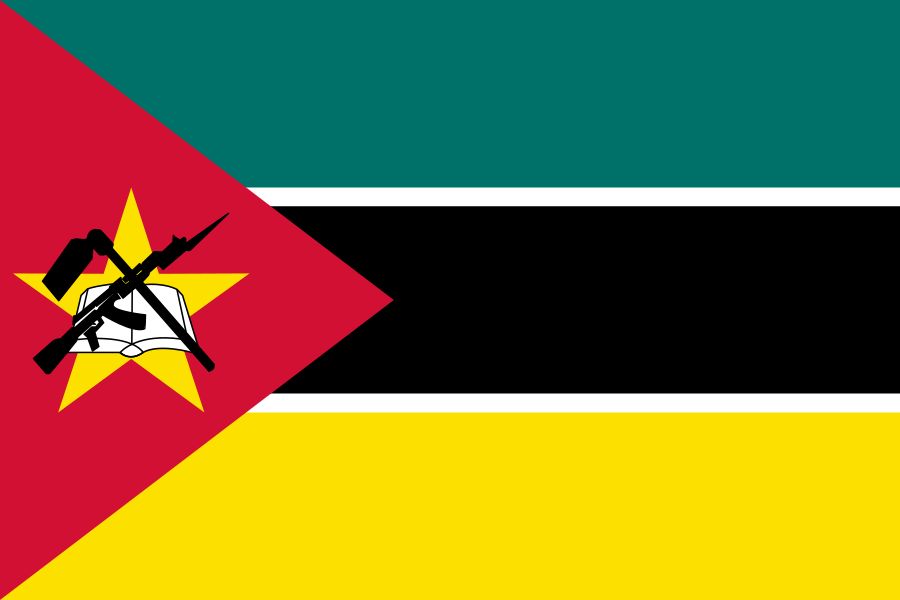
Mozambique
A country with 2,500 km of Indian Ocean coastline — one of the last African destinations untouched by mass tourism. Mozambique is the turquoise water of the Bazaruto archipelago, world-class diving at Tofo, the wild Gorongosa National Park and the colonial charm of UNESCO-listed Mozambique Island. The former Portuguese colony has kept a distinctive blend of African, Arab and Lusitanian culture. Piri-piri prawns, fresh seafood and empty white beaches are the reward for getting here.
Where to go
#Maputo
The capital greets you with wide avenues and an atmosphere left over from colonial Portugal. See the railway station designed in Eiffel's workshop and the old fort down by the ocean. Life happens in the jazz bars, and for the freshest catch you go to the central fish market and pick your own.
Tofo
This small village has become a global magnet for divers and anyone serious about marine wildlife. Worth a trip for snorkelling with whale sharks and giant mantas. People here live barefoot in the sand, moving between the bars and the lodges.
Vilankulo
The town is the gateway to the Bazaruto islands and their improbable sand dunes. The settlement itself is busy and genuine, with a market and a beach full of wooden dhows. It is the best base to do dolphins and turtles in a day.
Ilha de Moçambique
The ancient capital, frozen in time on a tiny sliver of land in the Indian Ocean. Weathered ruins and the vast Fort São Sebastião make an extraordinary backdrop for a walk. There is no bustle here, only history and the quiet lanes of the stone town.
Ibo
A remote northern island where time stopped altogether among the colonial ruins. Getting there is difficult, but it pays off in empty beaches and walks through the mangroves at low tide. It suits anyone who wants genuine isolation.
Pemba
A large port turning into an industrial centre on the back of the gas industry. For travellers it is chiefly a staging post before heading to the wild northern archipelagos. Wimbe beach remains where people go to swim and meet in the evenings.
What to see
#The Bazaruto Archipelago: enormous sand dunes running straight down into turquoise water, and the first thing to see in this country. Go out by dhow to look for the rare dugongs and to snorkel the reefs in water of startling clarity.
Tofo's marine giants: where to go for the underwater adrenaline, in the form of whale sharks. Between October and March you may also meet mantas with a seven-metre wingspan. There are few places on earth where such encounters are near-daily events.
Fort São Sebastião: the enormous fortress on Ilha de Moçambique is considered the oldest fortification in the southern hemisphere. Working through all its dark casemates and the 1522 chapel in a day is a job for the genuinely curious.
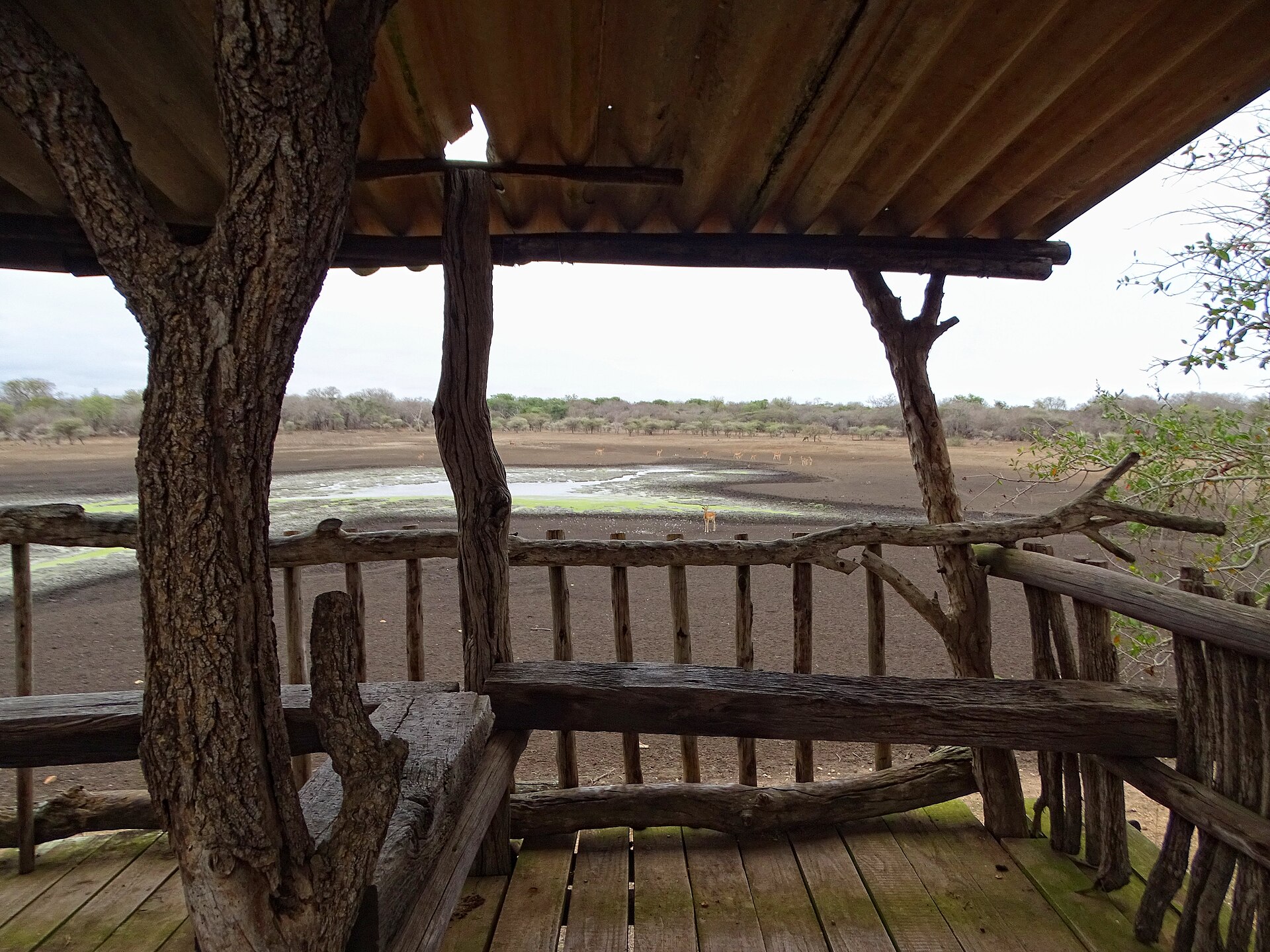
Gorongosa National Park: worth a trip for one of the great conservation comebacks in Africa. Lions, elephants and hippos here are not surrounded by convoys of tour jeeps, which gives you a rare sense of the place on its own terms.
The Quirimbas islands: an untouched paradise in the far north, where the beaches look like they were invented for a brochure. People come for absolute silence, first-class snorkelling and the chance to live at the pace of the fishermen.
Mangrove walking: on Ibo it is popular to walk out into forests that grow in the sea, at low tide. The water retreats for kilometres, exposing sand flats, and you find yourself walking across a desert that will be seabed again in two hours.
Prices
#Currency: the metical is the only legal tender in the country, trading at roughly 64 to the US dollar. Prices in shops and cafés are quoted only in local money, so changing some is unavoidable.
Cash first: Mozambique runs on cash, particularly outside the capital and the main hubs. Bring US dollars in crisp new notes, remembering that anything issued before 2013 may be refused at an exchange counter.
Exchange: the best rates come from branches of the major banks or official bureaux. In the south near the South African border, private shops often accept rand as well, though at a rate that favours them rather than you.
Cards and ATMs: Visa and Mastercard work in Maputo supermarkets, chain hotels and expensive restaurants, and Amex almost nowhere. ATMs exist but impose low per-transaction limits, so treat cards as a backup rather than a plan.
Tipping: around 10% in restaurants where no service charge is added. Guides, boatmen and drivers on multi-day trips are usually given $5-10 a day, and it forms a meaningful part of their income.
| Item | Price (USD) |
|---|---|
| Lunch in a local café | 5.00 |
| Grilled lobster dinner | 15.00 |
| Litre of petrol | 1.10 |
| Tuk-tuk ride in town | 2.00 |
| 2M beer in a bar | 1.50 |
| 1.5L bottled water | 0.50 |
| Intercity chapa ticket | 12.00 |
| Night in a simple guesthouse | 25.00 |
| SIM card with data | 5.00 |
| Single dive | 75.00 |
| Half a kilo of roasted cashews | 4.00 |
| Museum or fort entry | 3.00 |
| Fresh pineapple at the market | 1.00 |
| Coffee in the capital | 2.00 |
Getting around
#Getting in: Maputo is reached mainly through Johannesburg, with connections also from Addis Ababa, Nairobi, Doha and Lisbon. Many travellers come overland from South Africa or Eswatini instead, which is straightforward if you have hired a vehicle with the right paperwork.
Chapas: these shared minibuses are how locals and thrifty travellers move around. They leave only when completely full, so bring patience, and expect to be squeezed in with loud music and a stop in every roadside village.
Intercity buses: operators such as Etrago and Nagi run more comfortable long-distance services with real timetables and assigned seats. Buy tickets the day before at the departure terminal for the popular routes.
Domestic flights: LAM links Maputo with the main coastal centres, saving days of driving on damaged roads at considerable cost. Flights are frequently delayed or cancelled without notice, so never book a tight onward connection.
Private transfers: between Maputo and Tofo, hiring a car with a driver is popular. It takes around seven hours and costs a fixed $285 for the vehicle, which makes sense for a group and is far pleasanter than a hot bus.
Dhows: traditional sailing boats are the essential transport to the remoter islands. The trip depends entirely on wind and tide, which turns it into a meditative sort of adventure and shows you the coast as sailors saw it centuries ago.
Car hire: you can rent in the cities, but a 4x4 is strongly advised for travel between provinces, since northern roads dissolve into deep ruts. Never drive at night, because of livestock on the road and potholes you will not see.
Where to stay
#Backpacker lodges: in Tofo and Vilankulo these are the liveliest places, with shared kitchens, pools and bars. It is easy to find people to dive with or split a boat, and the staff always know where to eat.
Pensões: simple town hotels in old Portuguese buildings are found everywhere. They give you basic comfort, clean sheets and a plain breakfast, which is a sensible compromise for staying central without paying resort prices.
Booking: the global platforms work unevenly here and many budget places are not listed at all. Owners frequently answer only on WhatsApp, and in low season you can simply turn up and negotiate.
Homestays: on Ibo you can stay in local people's houses. It is the cheapest option and the most immersive, with spartan conditions offset entirely by the hospitality and the home cooking.
Beach bungalows: bamboo and reed huts at the waterline are the classic Mozambican coastal accommodation. They have fans rather than air conditioning, and the sea breeze and the noise of the Indian Ocean make a good case for switching your phone off.
Island hotels: accommodation on the archipelagos costs several times mainland prices because everything, from fresh water to fuel, has to be shipped in. What you get in exchange is a private beach and a night sky worth the money.
What to eat
#Piri-piri prawns: the country's headline dish, grilled over open flame with a sauce made from local chillies. A plate of enormous tiger prawns in a beachfront café costs very little, and it tastes best where it was landed two hours earlier.
Matapa: a thick traditional dish of cassava leaves, coconut milk and ground peanuts. Go carefully, because it is extremely rich and filling, even though the flavour lands somewhere near a refined creamed spinach. Small prawns are often stirred through it.
The day's catch: at markets and on the islands you can buy octopus, squid or fish straight from the nets. For a small fee any guesthouse will grill it over coals for you, which is the best-value eating in the country.
Pão: the descendant of the Portuguese roll, baked in small bakeries every morning. Fresh crusty bread with butter is the perfect cheap breakfast, and the smell of it moves through the streets at dawn.
Cashews and fruit: Mozambique is famous for its nuts, sold by the bucket along every main road. The pineapples, papaya and mangoes are exceptional. Salted roasted cashews are the best possible snack for a long bus journey.
Beer: 2M is a genuine national symbol and does its job in the tropical heat. Manica is also popular and usually served ice cold, and there are excellent tropical fruit juices sold in glass bottles.
Safety
#General caution: the tourist areas in the south are welcoming and easy. The main risk is petty theft in crowded parts of the capital, so keep expensive gear out of sight and do not leave bags unattended on a public beach.
The north: Cabo Delgado province remains a risk area because of the ongoing insurgency. Before travelling to Pemba or the Quirimbas, check recent news and your own government's travel advisory, because the picture changes.
Checkpoints: document checks on the highways are common for both drivers and passengers. Always carry your original passport, and be polite and unhurried, which is the fastest way through the formalities.
Malaria and hygiene: malaria is present throughout the country, so prophylaxis and good repellent are genuinely necessary. Drink bottled water only and avoid ice in questionable places, and bring a basic medical kit from home.
After dark: move around towns at night only in a trusted taxi. Street lighting is frequently absent, and it is worth carrying your hotel's card with the address to show a driver.
Tides: the tidal range here is large and the water returns fast. Be careful on long walks across exposed seabed, and keep watching the water so you are not cut off on a sandbar.
Etiquette and culture
#The Portuguese layer: the colonial past shows up in the language, the architecture and a serious local commitment to good coffee. It makes for an unusual blend of European habits and African temperament, with old churches standing beside noisy markets.
Marrabenta: live music in the bars of Maputo is the quickest route into the city's melancholy soul. The rhythm gets everyone dancing without exception, and it holds different generations and incomes together.
Capulana cloth: bright printed fabric worn by almost every woman in the country. It is not just clothing but a universal tool, worn as a skirt, tied into a baby carrier or strung up for shade, and it makes an excellent cheap souvenir.
Greetings: people here are formal and value the ritual of meeting. A handshake is essential, often with the other hand touching your own elbow as a mark of extra respect, and refusing food offered in someone's home is not done.
Religion: Christianity dominates in the south and Islam along the northern coast. Dress modestly in traditional villages, and expect many cafés in the north to close during daylight hours through Ramadan.
Pace: forget European urgency, because everything happens at its own speed. Time is elastic and a bus will wait hours for a final passenger. Patience and a smile solve more problems here than insistence ever will.
Connectivity
#Operators: Vodacom has the best coverage by a clear margin, and its SIMs work even in fairly remote coastal areas. Tmcel and Movitel are also common, and Movitel often holds a signal in the deepest rural districts.
Buying a SIM: you need your original passport, and the official registration takes a while. Buy in a branded shop at the airport or in a city centre rather than from a street vendor.
Data: mobile data packages are cheap and 4G is solid in Maputo and the tourist hubs. On the outer islands and in the national parks it slows to a crawl, so download offline maps for the region before you set off.
eSIM: if your phone supports it, buy an electronic SIM before departure. It costs more than a local package but gets you navigating from the moment you land, and Airalo and similar providers cover Mozambique.
WhatsApp: the primary communication tool in the country. Accommodation is booked through it, transfers are arranged through it, and almost every tourism business has a working number on it.
Language: the official language is Portuguese, and English is understood only in the pricier lodges and larger hotels. A couple of dozen basic Portuguese phrases will change your trip, and people genuinely appreciate the attempt.
Phrasebook
#| English | Portuguese | Pronunciation |
|---|---|---|
| Hi! | Olá! | oh-LAH |
| Good morning | Bom dia | bong DEE-ah |
| Thank you | Obrigado | oh-bree-GAH-doo |
| How much is it? | Quanto custa? | KWAN-too KOOSH-tah |
| That's very expensive | É muito caro | eh MWEE-too KAH-roo |
| Where is the beach? | Onde fica a praia? | ON-deh FEE-kah ah PRY-ah |
| I'd like a 2M beer | Quero uma cerveja 2M | KEH-roo OO-mah ser-VEH-zhah doysh em |
| Delicious! | Está delicioso! | esh-TAH deh-lee-see-OH-zoo |
| Help me | Ajuda-me | ah-ZHOO-dah-meh |
| I don't understand | Não entendo | now en-TEN-doo |
| The bill, please | A conta, por favor | ah KON-tah por fah-VOR |
| No chilli sauce | Sem piri-piri | seng PEE-ree-PEE-ree |
| Yes | Sim | seeng |
| No | Não | now |
| Let's go! (slang) | Vamos txopar! | VAH-moosh choh-PAR |
| How's things? (slang) | Como estão os mambos? | KOH-moo shtow oosh MAM-boosh |
| Bread | Pão | pow |
| Water | Água | AH-gwah |
| Goodbye | Adeus | ah-DEH-oosh |
| Sorry | Desculpe | desh-KOOL-peh |
| That's fine | Está bem | esh-TAH beng |
| Beautiful | Bonito | boo-NEE-too |
Good to know
#Entry paperwork: most visitors need to register online in the eTA system on the government portal evisa.gov.mz at least 48 hours before departure, and airlines check the confirmation at check-in. Longer stays require a full eVisa, and your passport needs six months of validity plus two completely blank pages, since the amendment pages at the back are not accepted.
Seasons: May to November is the dry season and the right time to come. Roads stay passable and the malaria risk drops. From December to March the rains make travel around the country considerably harder.
Power: sockets vary, most often European two-pin and British three-pin. Bring a universal adapter, and expect electricity on the remote islands to run only in the evenings.
Sun: the tropical sun burns even under cloud. Use the highest factor sunscreen you have, keep your head covered, and wear a UV-protective rash vest for long snorkelling sessions.
Markets and souvenirs: the things to buy are wood carvings, bright capulana fabric and roasted cashews. Haggling is not merely permitted but expected as part of the exchange, so check the quality of handmade items carefully.
Flights: use the LAM website for domestic schedules and tickets, but always reconfirm the status of a departure rather than trusting the printed time.
Frequently asked questions
#Many nationalities can visit for up to 30 days without a full visa, but everyone must complete the online eTA registration before travelling. Do it on the official portal at least two days before the flight, and check your own passport's rules, since some nationalities still need a full eVisa.
A local SIM with 5-10 GB of data costs about $5-8. Vodacom has the best coverage, with shops at the airport and in every major city, and you need your original passport to register.
An official taxi from the terminal exit is the simplest and most reliable option, at around $5-10. A tuk-tuk driver will do it for slightly less, though you will arrive dustier.
May to October, when the weather is dry and sunny. Roads are passable and the ocean is calm and clear, which is ideal for diving, snorkelling and looking for whale sharks and mantas.
The main tourist routes in the south are safe with normal precautions. Do not walk alone in Maputo at night, and avoid the northern province of Cabo Delgado, where the security situation remains unstable.
Go to Junta bus station in Maputo early in the morning for a direct bus or a chapa to Inhambane. The journey takes seven to nine hours, and from Inhambane a local chapa covers the last twenty minutes to Tofo.
Only in large supermarkets, chain hotels and expensive restaurants in the capital. An independent traveller needs a supply of cash dollars or euros to change into meticais, because guesthouses and markets do not take cards.
Yellow fever is required only if you arrive from an endemic country. Doctors strongly recommend hepatitis A and typhoid, and malaria prophylaxis for the whole trip is close to essential.
Yes, but with restrictions. Registration is mandatory for a drone of any weight. Written IACM approval is required before flying, and the drone must be imported legally. Rules for other countries are in the drone ranking by country.
Updated
The data on this page goes out of date. Visa rules and permitted stays, border requirements, prices and budgets, transport and local conditions all change fast, and we do not re-check every page every day. We show the date of our last check where we have one, but before you travel, verify with official sources: the country’s consulate, its immigration service, its e-visa portal and your carrier.