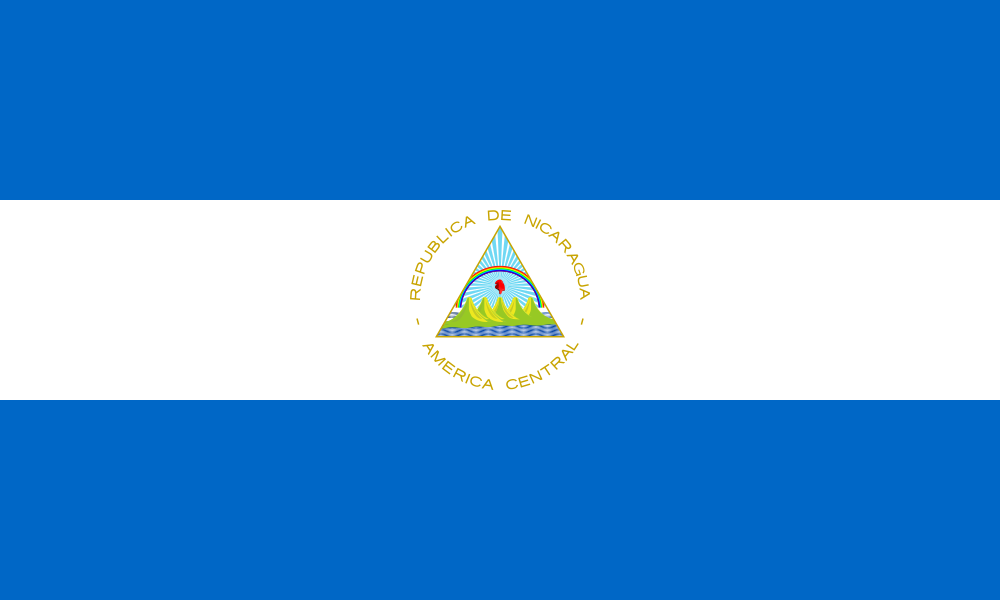
Nicaragua
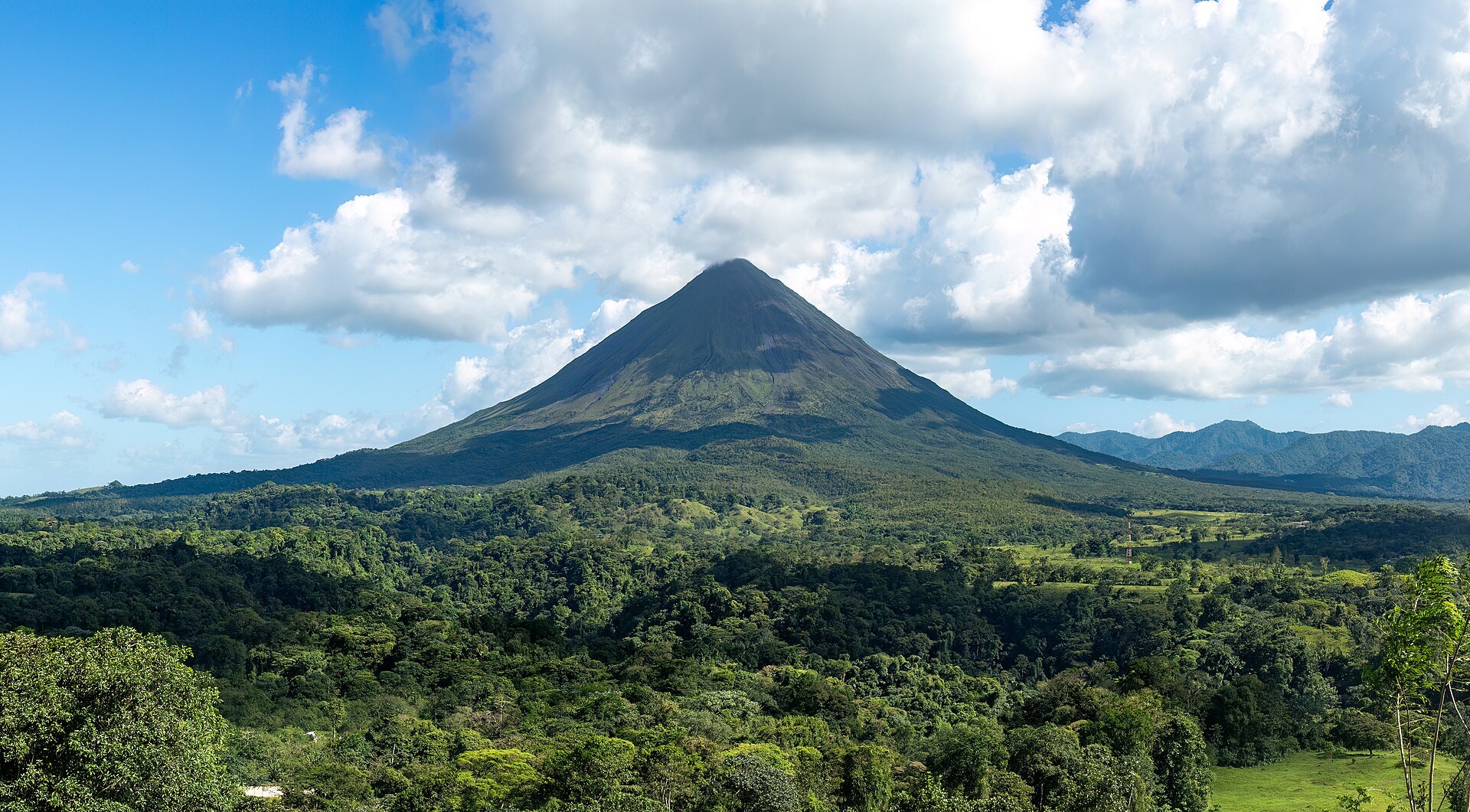
NINicaragua is the cheapest and least touristed country in Central America, with the character of Costa Rica at a third of the price. The colonial cities of Granada and León, boarding down the slope of an active volcano, Ometepe island in the middle of a vast lake, the undeveloped Corn Islands out in the Caribbean. A country for anyone who wants real Latin America without the crowds or the mark-up.
Where to go #
Granada
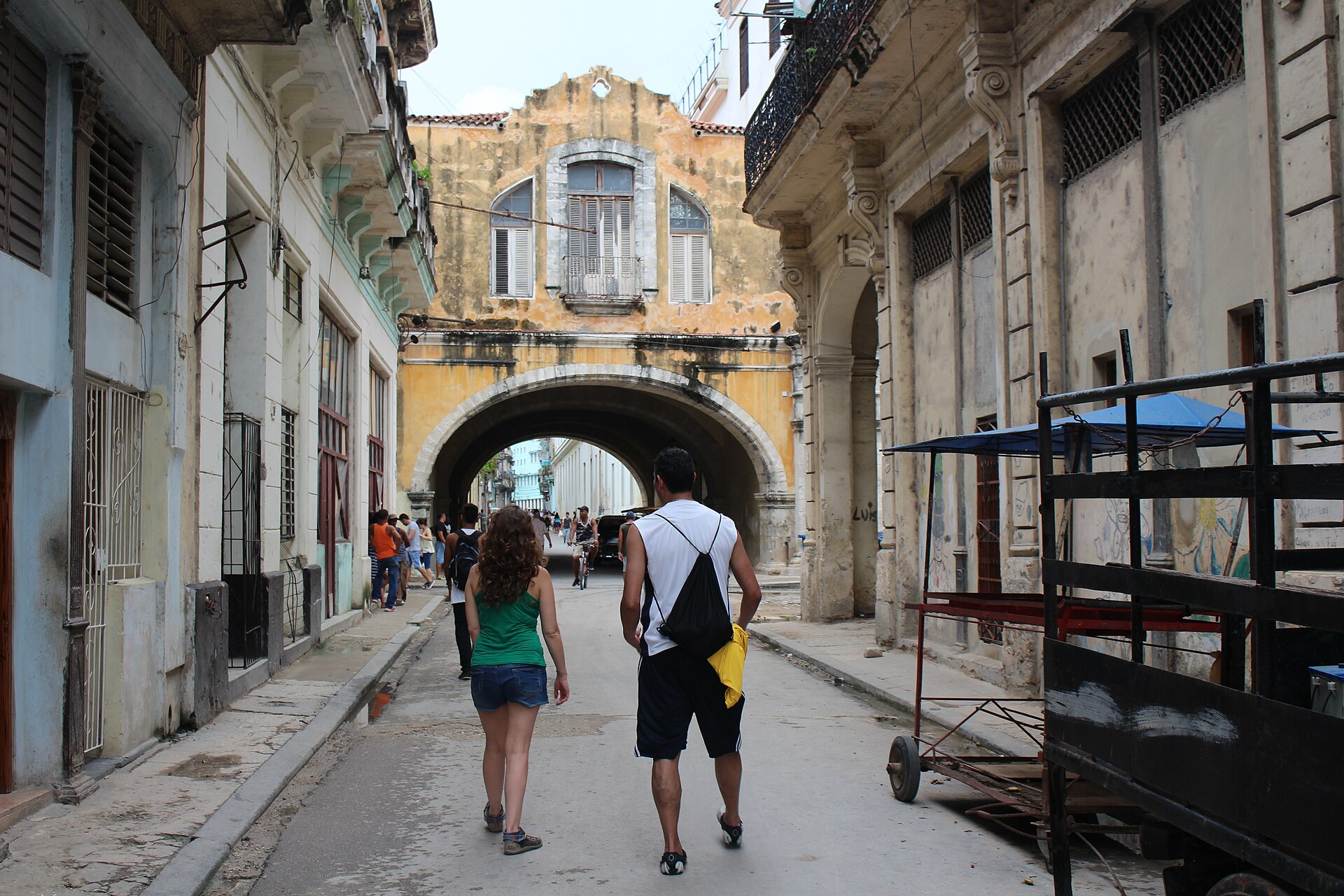
The most photogenic place in the country. Founded in 1524, it has kept its bright colonial facades and shaded interior courtyards. It is worth staying a couple of days to see the churches and take a boat out to the Las Isletas archipelago.
Leon
The university city looks harsher and feels hotter, but it is soaked in revolutionary history, covered in enormous murals and serves as the base for volcano trips. Students give the streets an energy Granada does not have.
San Juan del Sur
The Pacific coast town for people who want waves and nightlife, though prices here run above the national average. Surf schools line the bay and the sunsets are the reason most people stay an extra night.
Ometepe
An island in the middle of a vast lake, two big volcanoes joined by an isthmus, where life moves very slowly indeed. It is the place to go if you want hammocks, farm stays and no particular plan.
Corn Islands
A complete change of scene out in the Caribbean. Little Corn is a genuine paradise with no cars and no asphalt, reached only by boat from its larger sibling.
Managua
Most travellers pass straight through the capital, using it purely as a logistics hub. Airport, bus terminals and connections are what it offers, and few people linger longer than they must.
What to see #
Volcano boarding: The signature attraction is Cerro Negro. Trips run from Leon for 25 to 35 dollars, and you ride down the black ash on a wooden board at genuinely alarming speed.
Lava: The night tour up Masaya volcano lets you look into the crater and see the churning lava lake. Entry runs about 10 dollars and you can get there by taxi.
Architecture: The blinding white cathedral of Leon is impressive for sheer scale. For 3 dollars you can climb onto the roof, walk among the domes and pick out the chain of volcanoes on the horizon.
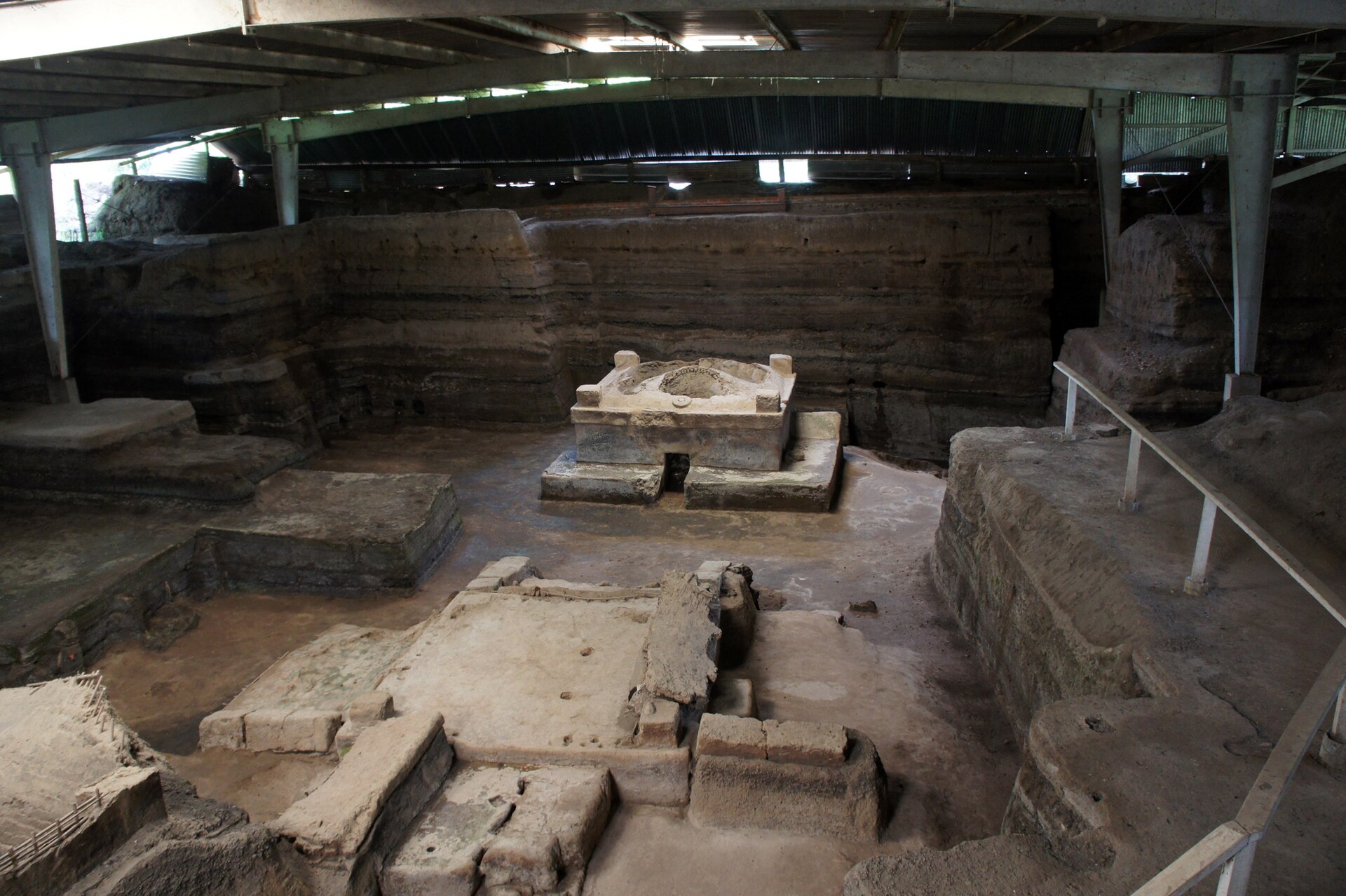
History: The ruins of Leon Viejo are called the local Pompeii. The city was buried under ash in the sixteenth century, and access to the excavations costs 4 dollars.
Water: Laguna de Apoyo is a crater lake with clear warm water. People come out from Granada for the day to swim and enjoy the quiet at the small guesthouses on the shore.
Hiking: On Ometepe the climbs up Concepcion and Maderas are the main draw. A guide for a full day costs about 30 dollars and the trails run through jungle full of monkeys.
Kayaking: A boat trip through the 365 islets of Las Isletas below Mombacho volcano runs 20 to 25 dollars. The channels are thick with exotic birds and dense green vegetation.
Prices #
Currency: The local money is the gold cordoba (NIO). In 2026 the rate sits around 36.7 cordobas to the US dollar. Cash dollars are readily accepted in hotels and by tour operators.
Cards: Visa and Mastercard work in mid-range hotels, supermarkets and better restaurants in Granada, Leon and Managua, but almost nowhere else. Amex is close to useless, so treat cash as your default and keep a reserve of small dollar notes.
ATMs: Nicaraguan banks charge roughly 4 dollars for each withdrawal, and single transactions are often capped at 10,000 to 15,000 cordobas. A Wise or Revolut card saves you the conversion markup on top of that fee, and the BAC network is the most reliable.
Cash strategy: Carry clean, undamaged dollar bills, since torn or heavily marked notes are refused. Break large notes early, because small businesses and bus conductors rarely have change.
Tipping: Restaurants expect around 10% of the bill as propina. In small family comedores tipping is not assumed but is always welcome.
| Item | Price (USD) |
|---|---|
| Lunch in a comedor | 3 |
| Burger in a restaurant | 6 |
| Steak in central Granada | 14 |
| Toña beer (0.33l) | 1.5 |
| Bottle of Flor de Caña rum | 8 |
| Cup of coffee | 2 |
| Dorm bed | 10 |
| Private room | 25 |
| Chicken bus ticket (2 hrs) | 2 |
| Minibus Managua to Leon | 3 |
| Taxi across Managua | 3 |
| Ferry to Ometepe | 1.5 |
| Flight to Corn Island (return) | 190 |
| Bicycle hire, per day | 6 |
| Volcano boarding tour | 30 |
Getting around #
Getting here: Managua's airport is served from Miami, Houston, Panama City and San Salvador, so most international routings connect through one of those. Travellers from Europe usually fly to Madrid or a US hub first, and plenty of people arrive overland from Costa Rica on the Ticabus coach instead.
Chicken buses: Between towns you ride camiones, retired American school buses. Fares run 1 to 3 dollars and the interior is always loud, packed with people and bundles of goods.
Minibuses: Express services leave the UCA terminal in Managua for Leon and Granada. They cost a dollar more than a chicken bus but move faster and have air conditioning.
Tourist shuttles: Direct minibuses connect Leon, Granada and San Juan del Sur for travellers. A seat costs 15 to 20 dollars and any hostel will sell you a ticket.
Boats: Ferries to Ometepe leave the port of San Jorge almost hourly for 1.5 dollars. Out to the Corn Islands the boat from Bluefields costs 12 dollars and takes a long, rough time.
Flights and taxis: La Costeña flies Managua to Big Corn Island for 95 dollars one way, which is the dependable way to reach the Caribbean side without a storm ruining your week. City taxis cost 1 to 3 dollars with no meters, so agree the fare before you get in, while the airport to central Managua is a fixed 20 dollars. On Ometepe and in Granada a rented bicycle at 5 to 8 dollars a day is the best way to explore, and roads in the west of the country are in decent shape.
Where to stay #
Hostels: The standard format in Granada and Leon. A bed runs 10 to 15 dollars and the price often includes breakfast and use of a courtyard pool.
Guesthouses: Family-run hospedajes offer private rooms for 20 to 30 dollars. These are clean, fan-cooled rooms well away from the noisier backpacker scene.
Colonial style: In the old town centres you can take a room in a restored mansion for 50 to 70 dollars. Expect high ceilings and a shaded garden.
Ometepe: The island is full of eco-lodges, and a room with a volcano view costs 25 to 40 dollars. A mosquito net matters here, because insect life around Lake Cocibolca is intense.
Caribbean: On Little Corn Island prices rise. A simple hut by the water costs about 35 dollars, and air conditioning is rare because electricity is rationed.
Long stays: In Managua or Granada a whole house rents for 500 to 600 dollars a month. Look through local social media groups or simply for signs pinned to doors.
What to eat #
Breakfast: The national dish is gallo pinto, rice cooked with beans. It comes with sour cream, fried plantain and local cheese, and a filling plate costs about 2 dollars.
Lunch: In comedores ask for the corriente, a set meal of soup, meat with rice and a drink for 3 dollars. It is the cheapest way to eat properly anywhere in the country.
Tradition: Nacatamal is an enormous parcel of banana leaf stuffed with dough and meat. This dense, calorific thing is a Sunday dish and costs around 1.5 dollars.
Granada: Try vigoron, a salad of cabbage with boiled yucca and crisp pork crackling. It is often sold at the market served straight onto a leaf.
Seafood: On the Corn Islands grilled lobster costs 10 to 15 dollars, which is a remarkable price for the region and roughly a third of what neighbouring countries charge.
Drinks and fruit: Nicaraguan Flor de Caña rum is the best souvenir going, with a seven-year bottle at 8 dollars, and Toña beer refreshes properly in the heat for 1.5. Markets sell mango, papaya, cacao and passionfruit for almost nothing, and tap water in the cities is well treated and safe to drink.
Safety #
The general picture: Nicaragua counts as a calm country, but that is no reason to switch off. Petty theft happens at markets and on beaches, so do not leave belongings unattended.
Managua: Parts of the capital are genuinely dangerous. Avoid the Jorge Dimitrov, Reparto Schick and Barrio Boer neighbourhoods, and after dark move around the city only by taxi.
Politics: The situation has stayed tense since 2018. Visitors should not attend demonstrations or discuss politics with strangers, and should check their own government's travel advisory before booking.
Water and beaches: Pacific beaches have strong rip currents. Swim only where other people are swimming and pay attention to the warning flags.
Health: Mosquitoes here can carry dengue or zika. Use a repellent with a high DEET content, particularly on Ometepe and in the jungle along the Rio San Juan.
Police: If you are stopped on the road, be polite and cooperative. Keep your hands on the wheel and do not argue. Note your own country's consular contact details before you travel, since many nations cover Nicaragua from a mission in a neighbouring country.
Etiquette and culture #
Poetry: Nicaragua is a country of poets. The central figure is Ruben Dario, who has streets and the airport named after him and whose portrait hangs in half the houses in the country.
Revolution: Sandinista history is visible in the murals and monuments. In Leon, make time for the Museum of the Revolution, where the guides are former guerrillas.
Machetes: In the villages men routinely carry a machete. Do not be alarmed; it is an ordinary working tool for opening coconuts and clearing trails.
Religion: The country is deeply devout. Catholic festivals are celebrated on a grand scale, above all Santo Domingo in early August, when Managua parties for a week.
Language: Nicaraguans call themselves nicas. They are welcoming but speak almost exclusively Spanish, and English is common only on the Caribbean islands, so learn a few phrases before you arrive.
Bargaining: Haggling is normal at markets, while shops and pharmacies have fixed prices. Sunday is a family day and many small businesses close by midday.
Connectivity #
Networks: Two operators dominate, Claro and Tigo. Claro is praised for coverage, while Tigo often has the better value data bundles.
SIM cards: You can buy a SIM at the airport or any kiosk for 1.5 dollars, and registration needs your passport. A 1GB data bundle costs around 2 dollars.
Internet: Cities get stable 4G at an average of around 28 Mbit/s. In the countryside and on the volcanoes the signal drops out or falls back to 2G.
Islands: On Little Corn, internet is a rarity. Hotel Wi-Fi there is slow and often runs to a schedule set by the hours the diesel generators are on.
WhatsApp: All communication runs through WhatsApp. Even hotels and guides prefer to reply in a chat rather than by phone or email, so install it before you arrive.
eSIM: If you would rather be online the moment you land, an eSIM data plan from a provider like Airalo covers Nicaragua and saves the queue. A local SIM still works out cheaper for a stay of more than a week.
Phrasebook #
| English | Spanish | Pronunciation |
|---|---|---|
| Hello / Good morning | Hola / Buenos días | OH-la / BWEH-nos DEE-as |
| Thank you | Gracias | GRA-syas |
| Please | Por favor | Por fa-VOR |
| Yes / No | Sí / No | See / No |
| How much is it? | ¿Cuánto cuesta? | KWAN-toh KWES-ta? |
| That's expensive | Es caro | Es KA-ro |
| Where is...? | ¿Dónde está...? | DON-deh es-TA? |
| Water | Agua | AH-gwa |
| Beer | Cerveza | ser-VEH-sa |
| It's delicious! | ¡Está rico! | Es-TA REE-ko! |
| Help! | ¡Ayuda! | ah-YOO-da! |
| Goodbye | Adiós / Chau | ah-DYOS / Chow |
| Sorry | Perdón | per-DON |
| The bill, please | La cuenta, por favor | La KWEN-ta, por fa-VOR |
| I don't understand | No entiendo | No en-TYEN-do |
| Beach | Playa | PLA-ya |
| Volcano | Volcán | vol-KAN |
| Awesome! (slang) | ¡Qué tuani! | Keh TWA-nee! |
| Alright, deal (slang) | Dale pues | DA-leh pwes |
| Kid, mate (slang) | Maje | MA-heh |
| Tomorrow | Mañana | ma-NYA-na |
| Do you speak English? | ¿Habla inglés? | AH-bla een-GLES? |
Good to know #
Emergency contacts: Police answer on 118, ambulance on 128 and the fire service on 115. Save the number for your own country's nearest consulate, since several nations cover Nicaragua from Costa Rica or Panama.
Health: No vaccinations are compulsory. If you are arriving from Brazil or Colombia you will be asked for a yellow fever certificate.
Power: Sockets are American types A and B, so most European and UK travellers need an adapter. Voltage is 110, which means devices charge more slowly than in Europe.
Gear: Volcano hikes need sturdy boots, because trainers get shredded on the sharp rock. It is windy on the summits, so pack a light windproof.
Sun: SPF 50+ is essential. Central American sun is fierce and you can burn in half an hour under cloud.
Seasons: The best window runs from November to April. Rain starts in May and can wash out roads in the countryside and the hills.