Poland
PLA country where medieval castles and Gothic cathedrals sit alongside hipster bars and the tragic history of the twentieth century. Kraków, Warsaw and Gdańsk each have their own character and architectural face. The food is hearty and very good — pierogi, żurek, bigos — and costs a fraction of the western European equivalent. Poland is one of the cheapest countries in the EU, and among the most welcoming.
Where to go #
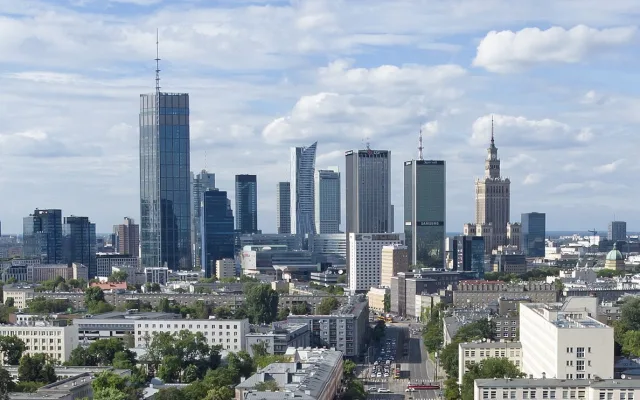
Warsaw
A capital reborn — the Old Town, the Royal Castle, the Uprising Museum and excellent street food.
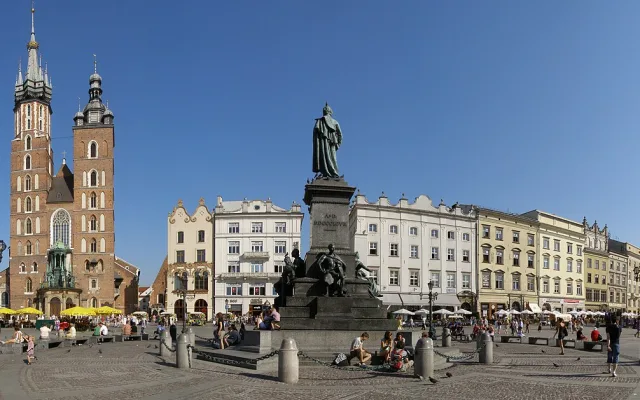
Krakow
The historic capital — Wawel, the Main Market Square, Kazimierz and Auschwitz nearby.
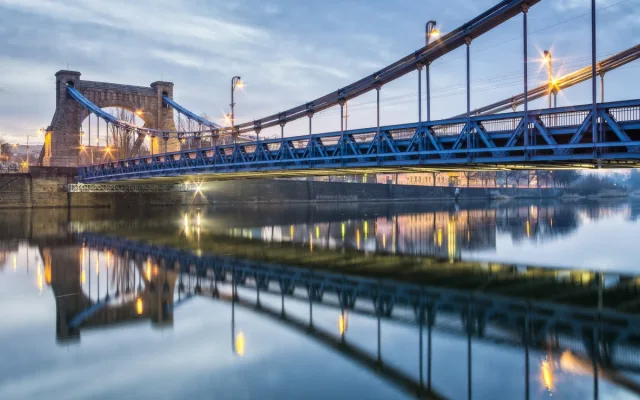
Wrocław
A city of gnomes and Gothic cathedrals spread across the islands of the Oder — the capital of Lower Silesia and one of the most charming places in south-western Poland.
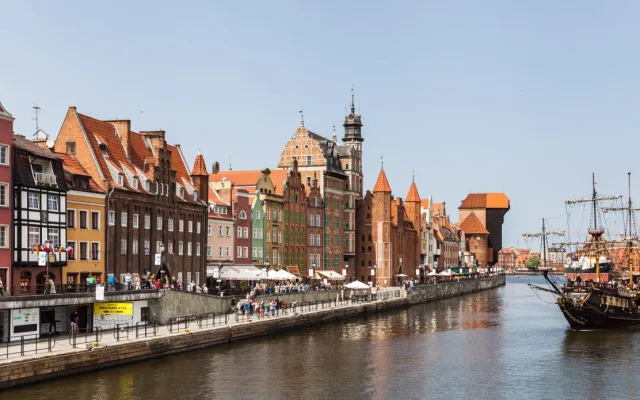
Gdańsk
A Hanseatic port of amber and Solidarity: gingerbread facades along the Motława, the wooden Żuraw crane, powerful museums, and Sopot's beaches next door.
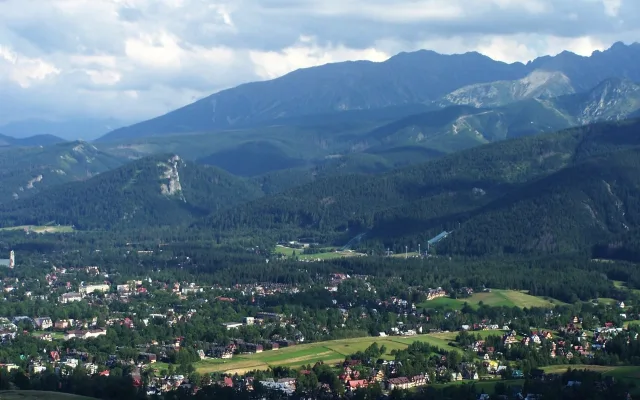
Zakopane
Poland's 'winter capital' at the foot of the Tatra Mountains, with ski slopes, thermal baths and distinctive Zakopane-style wooden architecture.
What to see #
Wieliczka Salt Mine: An enormous underground world carved out of salt more than a hundred metres down. There are whole chapels here with chandeliers made of salt crystal, and a couple of hours covers it. An ordinary suburban train from Kraków gets you there.
Malbork Castle: The scale is genuinely staggering, since this is the largest brick fortress in the world. Worth a trip from Gdańsk for a proper immersion in the age of the Teutonic Knights, with the walls and courtyards remarkably intact.
Auschwitz-Birkenau Memorial: This requires real emotional preparation and booking several weeks ahead. The site sits close to Kraków and needs at least half a day, and unguided visits are only permitted in the early morning.
Rysy: The highest point in Poland, in the Tatras, and a serious undertaking for experienced hikers. The trail is fitted with chains and the views down over the mountain lakes from the top are extraordinary.
Warsaw Old Town: Completely destroyed and then rebuilt so skilfully that it reads as genuinely ancient. The market square is always busy and the churches still hold formal services. It stands as a symbol of the city's refusal to disappear.
The Royal Route: This street links the capital's historic residences and makes the best long walk in the city. Cafes, monuments and parks line the way, and it shows you Warsaw from several angles in a single day.
Prices #
Currency: Everything is priced in złoty, and euros are not accepted in ordinary shops. Carry a modest amount of local cash even though you will rarely need it.
Cards: Payment terminals are in even the smallest kiosks, and contactless is the default. Visa and Mastercard work everywhere, Amex much less so, and your card may not leave your pocket for days.
Exchange: Avoid the kantor booths inside airports and railway stations, where the rates are frankly predatory. Change money at a bureau a few streets away, or simply withdraw from a bank ATM.
Tipping: Around ten percent in restaurants when the service was good. Some tourist places add a service charge automatically, so read the bill first.
ATM warning: Be careful with Euronet machines, which push wildly unfavourable conversion. Always choose to be charged in złoty rather than your home currency to dodge the hidden margin.
| Item | Price (USD) |
|---|---|
| Lunch at a milk bar | 5 |
| Dinner for two with wine | 35 |
| Cappuccino | 3 |
| Pint in a pub | 4 |
| 20-minute tram ticket | 1 |
| Day travel pass | 4 |
| Kraków to Warsaw train | 25 |
| Night in a hostel | 18 |
| Central apartment per night | 60 |
| Wieliczka ticket | 35 |
| Chocolate bar in a shop | 1 |
| Kilo of apples | 1 |
| Taxi, 5 km | 7 |
| City museum entry | 8 |
| Station sandwich | 4 |
Getting around #
Getting there: Warsaw, Kraków and Gdańsk are all served by budget carriers from across Europe, with Ryanair and Wizz Air keeping fares very low. LOT flies non-stop to Warsaw from New York, Chicago and Toronto, which makes Poland easy to reach from North America.
Trains: PKP Intercity is the fastest way between cities, with express services covering Warsaw to Gdańsk or Kraków in a couple of hours. Book online in advance for the cheaper fares.
Buses: FlixBus covers almost the whole country and undercuts the railway. It is the way to reach smaller towns and nature reserves that the fast lines never touch.
City transport: Trams run strictly to timetable, and the Jakdojade app is the easiest way to read it. Tickets come from machines at the stop or from terminals inside the vehicle.
Validation: A paper ticket must be stamped the moment you board. Fines for travelling without a valid ticket are steep, and inspectors frequently work in plain clothes.
Ride hailing: Uber and Bolt both run smoothly and cost less than a street taxi. Fares are transparent and charged to the card in the app.
Airports: Suburban trains and buses connect every terminal with the city centre for about a dollar and a half. It is the cheapest and most reliable way to skip the traffic.
Where to stay #
Apartments: For short city stops, private apartments booked through the international platforms work extremely well. Having a kitchen makes a real difference to the budget.
Mountain huts: In the Tatras hikers stay in schroniska, wooden refuges positioned right on the trails. Beds need booking months ahead, particularly at the famous one near Morskie Oko.
What to expect in the huts: Be prepared to sleep on the floor on your own mat when they are full. Bring a light sleeping bag, both for hygiene and for a decent night after a long day walking.
Guesthouses: Most towns have friendly small guesthouses offering a clean room for sensible money. They have far more character than the chains and the owners will actually talk to you.
Seasonality: In high season prices in Gdańsk and Kraków double under the weight of visitors. Booking a month ahead saves a serious chunk of your accommodation budget.
Where to stay: Choose Śródmieście or Kazimierz in Kraków so you can walk everywhere. Wrocław is loveliest on the islands, and in Warsaw the Praga district on the east bank is the more interesting side.
Hostels: Polish hostels are among the best in Europe for cleanliness and security. They are an excellent choice for solo travellers wanting company for a day out.
What to eat #
Milk bars: The bar mleczny is a Polish institution, a canteen serving simple home cooking at genuinely low prices. Students and office workers eat side by side, and the food tastes like somebody's grandmother made it.
Pierogi: The dumplings come filled with meat, cabbage, mushrooms or soft cheese. The most unexpected are the sweet ones with blueberries, served with sour cream as a full dessert.
Soups: Try żurek, made on a rye sourdough base and often served inside a hollowed loaf. Red barszcz with tiny dumplings and wild mushroom soup are both excellent too.
Street food: On the market squares look for zapiekanki, enormous hot open baguettes with mushrooms and cheese. In Kraków, obwarzanek rings dusted with salt or poppy seed are sold on every corner.
Meat: Bigos, a slow-cooked cabbage stew with several kinds of sausage, is king of the Polish table. Pork knuckle arrives with horseradish and mustard in a portion large enough for two.
Alcohol: Drinking beer or spirits in the street or in parks is prohibited and carries an on-the-spot fine. For a proper vodka tasting, go to one of the many bars that specialise in it.
Desserts: Poppy seed cake and the delicate Polish cheesecake are both made to old recipes. Every mountain hut in the Tatras serves szarlotka apple cake with a scoop of ice cream.
Safety #
Overall: Poland is one of the calmest countries in Europe for independent travel. Walking around city centres in the evening is entirely unremarkable.
Pickpockets: The only genuine threat is pickpocketing in crowded tourist spots. Watch your things on Kraków's market square and while queuing to board trains and buses.
On trains: Do not leave valuables on the table if you move to another carriage. Police are stationed at the main railway stations, which keeps things orderly.
In the mountains: Never leave the marked trails in the Tatras, which is dangerous for you and for the terrain. The weather turns in minutes, so always carry a waterproof and a charged torch.
Sensitive topics: Avoid debating charged historical or political questions with strangers in bars. Wearing the colours of a local football club is also best avoided.
Getting help: Dial 112 for anything urgent and the operators will speak English. Police behave with conspicuous politeness provided you are not causing trouble yourself.
Healthcare: Standards are high, but without insurance a doctor's visit is expensive. Bring an EHIC or GHIC card if you are eligible, and check your own government's travel advisory before you go.
Etiquette and culture #
Religion: Most Poles are practising Catholics and the churches are genuinely full. Keep quiet inside and never use a flash during a service.
Sundays: Almost all shops and shopping centres are closed on Sundays by law. Only pharmacies and petrol stations stay open, so buy food and souvenirs the day before.
Highland culture: In the mountains the Góral tradition is alive rather than staged, with its own songs, dress and dialect. In Kraków you may stumble across a film shoot or a folk dance performance.
Politeness: Poles value etiquette and use the formal Pan and Pani constantly. A handshake on introduction is standard, and greeting shop staff on arrival and departure is simply expected.
Celebrations: Name days are frequently celebrated more enthusiastically than birthdays. December Christmas markets turn the cities into something out of a story, though the country stops entirely on the holidays themselves.
Nature: In national parks, fires and camping outside designated sites are prohibited. Poles care deeply about keeping their forests clean and take their rubbish home with them.
Connectivity #
Language: Younger Poles speak good English and hospitality staff in tourist areas will have no difficulty with you. Menus in Kraków, Warsaw and Gdańsk are routinely bilingual, and milk bars have pictures if all else fails.
Mobile: Coverage is excellent, including in the mountains, and data is cheap. You can buy a SIM at almost any kiosk, though you will need your passport to register it.
Operators: Play, Orange and T-Mobile compete hard on data bundles. Around five dollars typically buys enough traffic for an entire trip.
eSIM: For a short visit an international eSIM activated before you fly is simpler than a shop visit. EU visitors just roam at no extra charge.
Wifi: Free networks are common in cafes and stations, though they often need a registration step. Your own mobile data is more consistent, so do not depend on public wifi alone.
Apps: Install offline maps and a Polish translator, plus Jakdojade for city transport. A couple of Polish phrases always earns a warm response.
Phrasebook #
| English | Polish | Pronunciation |
|---|---|---|
| Good day | Dzień dobry | jen DOB-ry |
| Hi / Bye (informal) | Cześć | cheshch |
| Thank you | Dziękuję | jen-KOO-yeh |
| Please | Proszę | PRO-sheh |
| Sorry, excuse me | Przepraszam | psheh-PRA-sham |
| Yes | Tak | tak |
| No | Nie | nyeh |
| The bill, please | Rachunek, proszę | ra-HOO-nek PRO-sheh |
| Delicious! | Pyszne! | PISH-neh |
| Where is the toilet? | Gdzie jest toaleta? | gjeh yest toh-a-LE-ta |
| How much is this? | Ile to kosztuje? | EE-leh to kosh-TOO-yeh |
| I don't understand | Nie rozumiem | nyeh ro-ZOO-myem |
| Do you speak English? | Mówisz po angielsku? | MOO-vish po an-GYEL-skoo |
| Beer | Piwo | PEE-vo |
| Help! | Pomocy! | po-MO-tsy |
| Awesome! (slang) | Ekstra! | EKS-tra |
| Nonsense | Bzdura | BZDOO-ra |
| Let's go | Chodźmy | HOJ-my |
| OK, no problem (slang) | Spoko | SPO-ko |
| Trivial thing | Drobiazg | DRO-byazg |
| Cheers! | Na zdrowie! | na ZDRO-vyeh |
Good to know #
Rail planning: Use the Koleo site or app to find train tickets. It pulls together the timetables of every operator and lets you buy in a few taps.
Supermarkets: The cheapest groceries are at Biedronka and Lidl. Żabka is the convenience chain for fresh bread and small purchases, and it stays open on holidays.
Sockets: Standard European type C and E plugs at 230 volts. Visitors from the UK and North America need a simple adapter and nothing more.
Tax free: If you buy clothing, look for the Tax Free sign on the door of larger shops. It lets you reclaim part of the VAT when you leave the Schengen zone.
Bottle deposit: Supermarkets have machines that take back plastic bottles and cans. You get a voucher that comes off your next shop, which is worth doing if you are buying water daily.
Drinking water: Public drinking fountains operate in the cities and the water is certified safe. Carrying a refillable bottle saves money and a great deal of plastic.