Города и дороги
Description
A student city between Istanbul and Ankara: the restored Ottoman houses of Odunpazarı, Kengo Kuma's timber art museum, meerschaum carving and the Phrygian Valley within a day's drive.
Wiki
Eskişehir sits in central Anatolia on the Porsuk river, roughly halfway between Istanbul and Ankara, and has a population of about nine hundred thousand. The name means "old city", and it is earned: Phrygian Dorylaeum lay nearby, on a route used by Roman roads and later by the crusaders. The city's present character, though, comes not from antiquity but from two universities. More than a hundred thousand students live here, which makes Eskişehir noticeably younger and looser than its Anatolian neighbours. A second layer of the population is Crimean Tatar and Balkan settlers of the nineteenth century, whose cooking became the local cuisine. The third distinctive thing is sepiolite, or meerschaum: this soft white mineral is mined almost exclusively around the city.
Why come and what to actually see
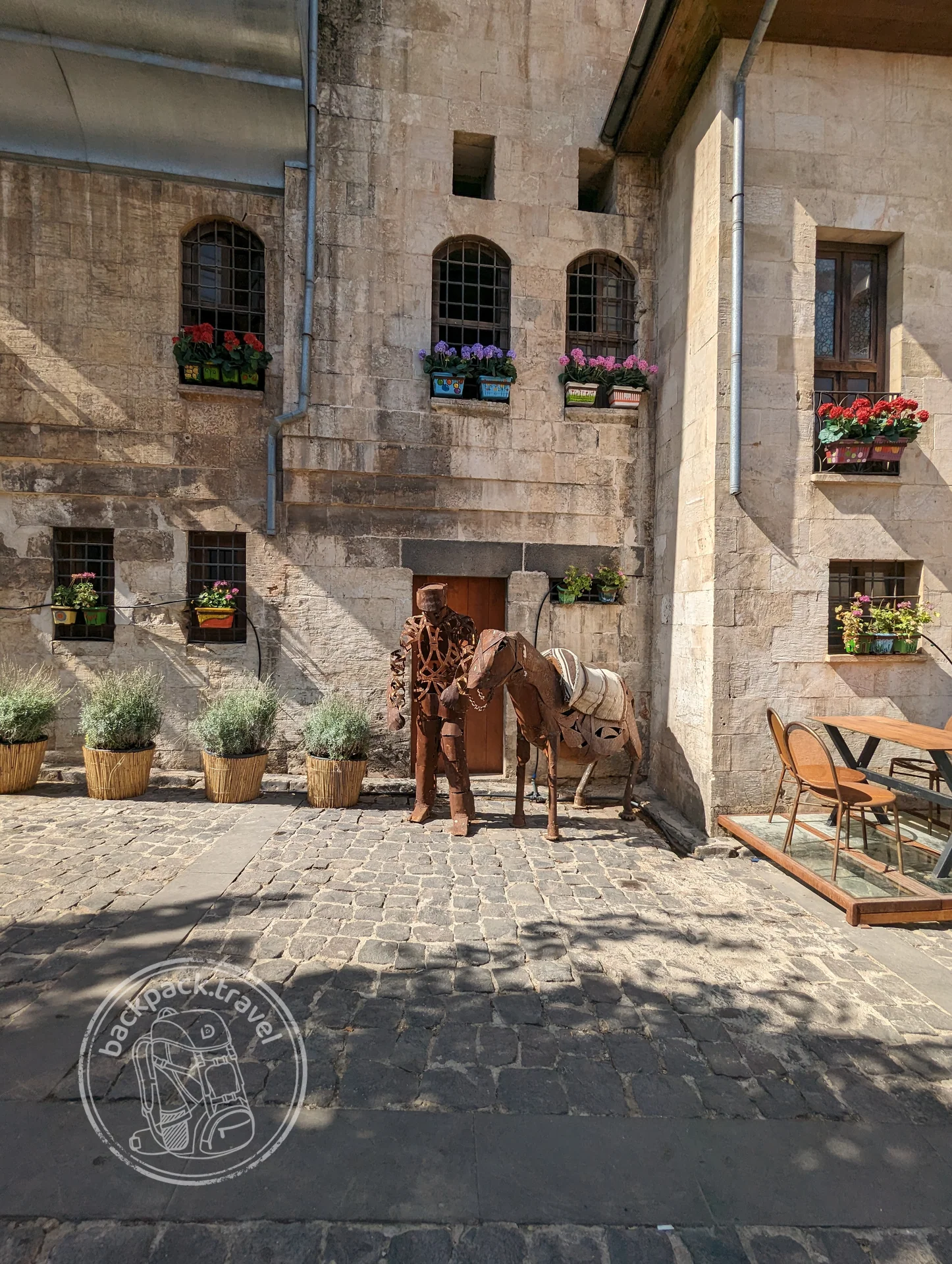
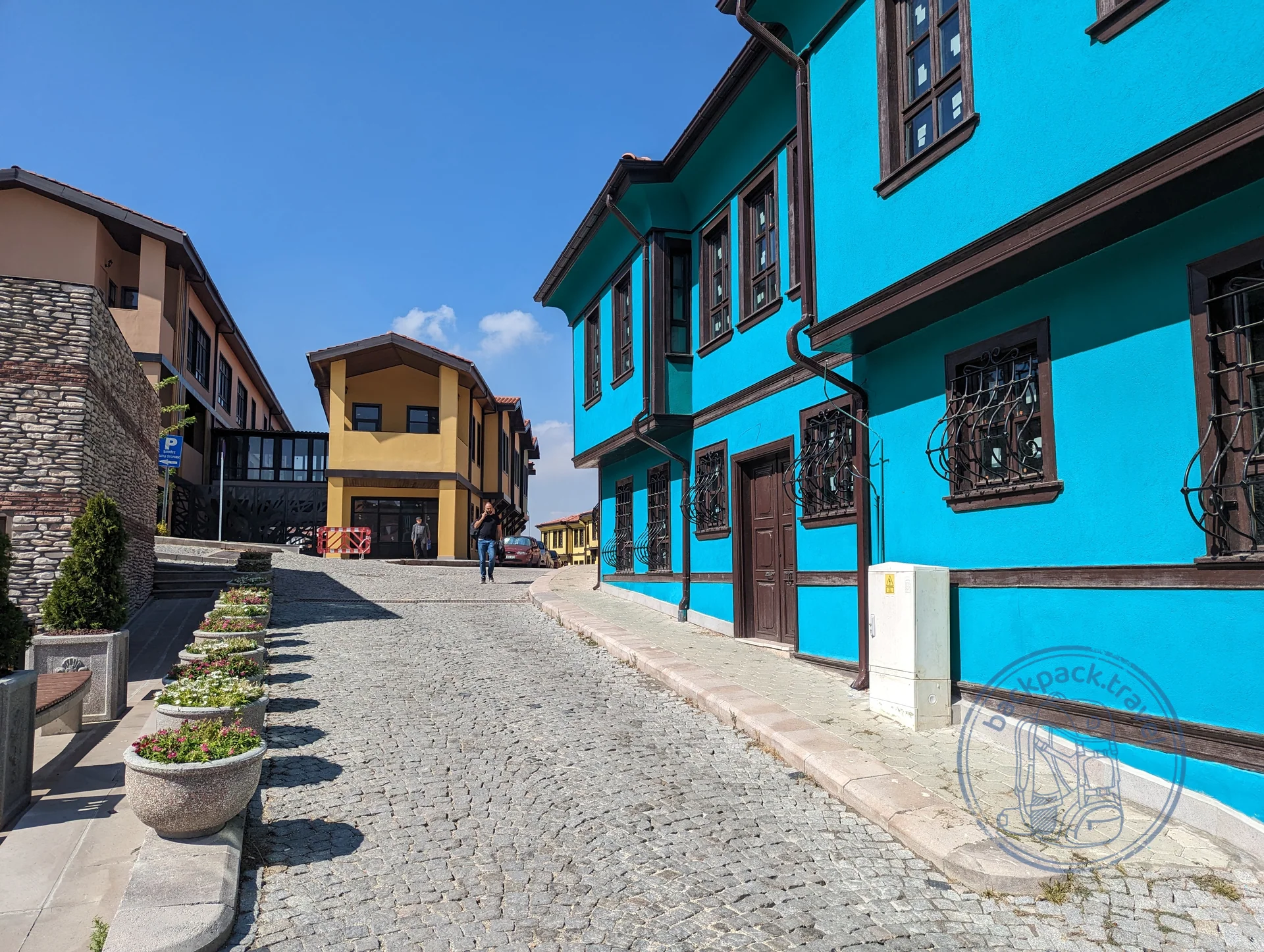
Odunpazarı is the old quarter on the hill above the river, where several hundred nineteenth-century Ottoman houses survive: wooden oriels, crooked lanes, painted façades. The quarter has been restored and looks handsome, though a good share of the houses now operate as cafés and souvenir shops. At its heart stands the Kurşunlu complex of 1525, with a medrese and a caravanserai.
Among those same houses, the Odunpazarı Modern Museum opened in 2019, designed by the Japanese architect Kengo Kuma. The building is assembled from stacked timber beams and deliberately matches the volume of its neighbours; inside is Turkish art of the second half of the twentieth century.
Meerschaum deserves attention of its own. It is carved into pipes, boxes and figurines, and the city has a museum showing both the raw mineral and the carvers at work. Pipes can be bought in Odunpazarı, but a good one is expensive and cut by hand.
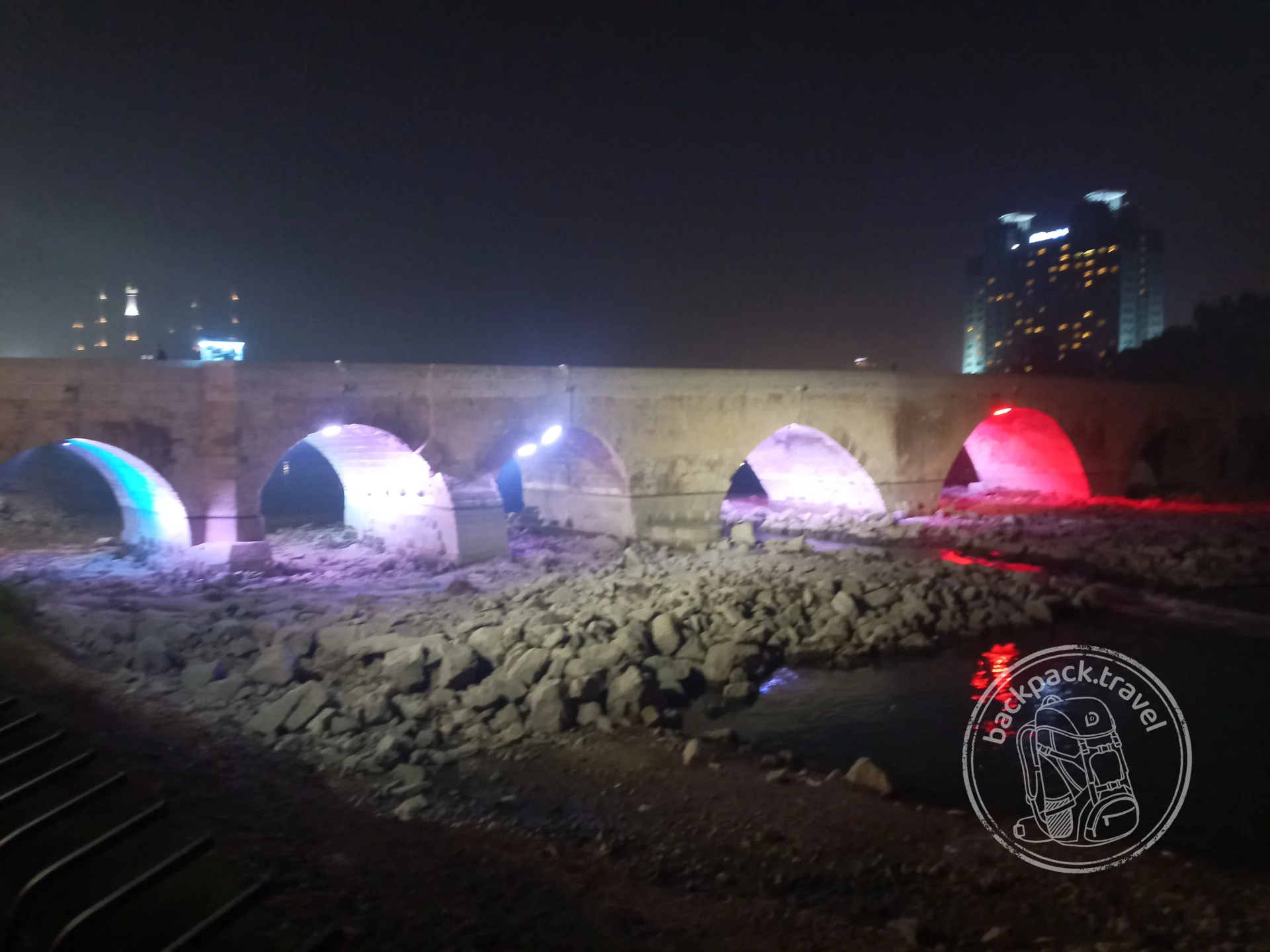
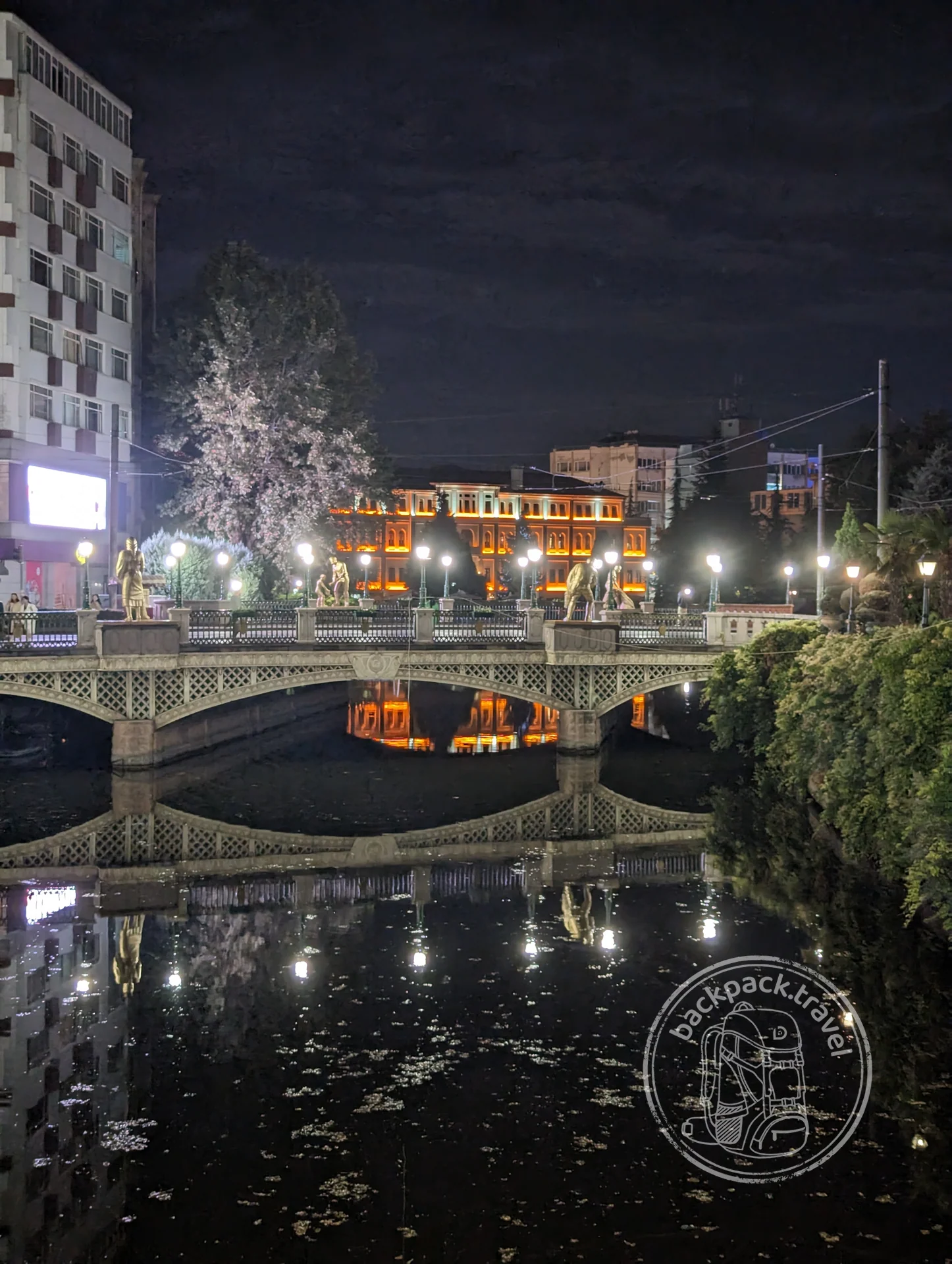
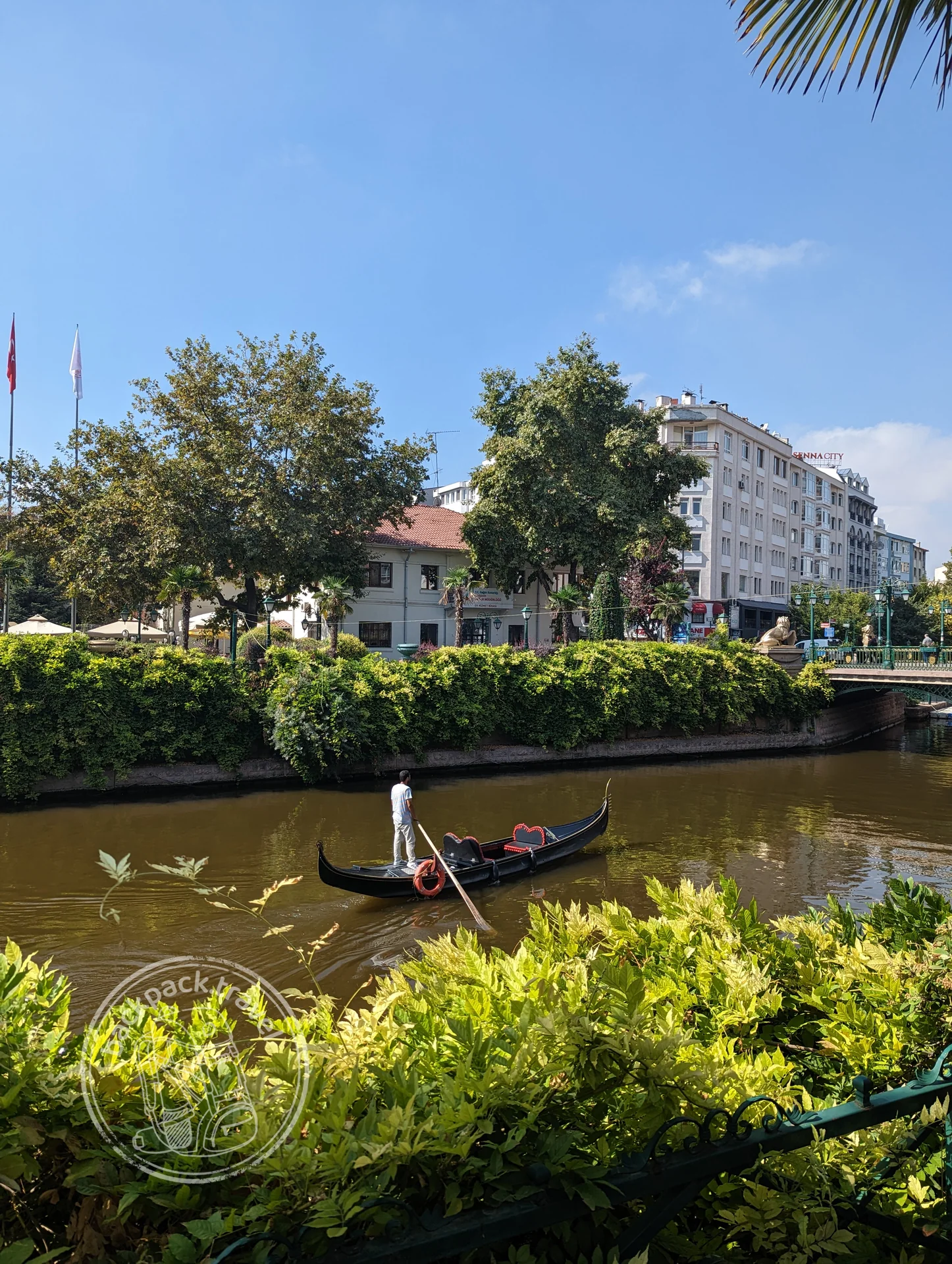
The Porsuk runs through the centre, its embankments turned into a boulevard of bridges and cafés, with gondola-style boats on the water — a municipal idea that locals treat as either a point of pride or a curiosity. Sazova park holds a fairy-tale castle and scaled-down copies of famous mosques: a place for families with children, with little for an adult to do.
Getting there and getting around
Eskişehir's main advantage is the high-speed railway. The train from Ankara takes an hour and a half, and from Istanbul around three and a half, either with a change or direct to Pendik. The station is in the centre, which makes the city easy to see even in a single day between the two capitals.
There is an airport, but few flights, and almost everyone arrives via Istanbul or Ankara. Buses connect the city with the whole country.
Inside the city runs an extensive tram network, exemplary by Turkish standards: it reaches the universities, the station and Odunpazarı. The centre itself is small and covered on foot.
Where to stay
Hotels are concentrated in the centre, along the Porsuk and near the station, and everything is within walking distance from there. Odunpazarı has a handful of small hotels in restored houses, more expensive and with more character.
This is a student city, so prices run below Ankara or Istanbul and simple cheap rooms are plentiful. Availability tightens in September, when the students arrive.
Day trips
The Phrygian Valley begins around ninety kilometres to the south: rock reliefs, tombs cut into the stone, and the village of Yazılıkaya with its colossal façade known as the Midas monument. It was carved into the rock in the seventh century BC and remains the most important surviving Phrygian shrine.
Sivrihisar, a hundred kilometres east, is known for its thirteenth-century Ulu Camii, whose wooden columns and ceiling belong to the same group of Anatolian wooden mosques inscribed by UNESCO. Nearby lie the ruins of Pessinus, the sanctuary of Cybele.
Closer to the city is Seyitgazi, with a dervish lodge on the hillside and the tomb of a warrior-martyr, around which an Ottoman-period complex grew up.
When to come
The climate is sharply continental: winters around freezing or below, with snow, summers up to thirty degrees but dry, with cool evenings. An elevation of eight hundred metres takes the edge off the heat.
May, June and September are the best months: warm, green, with the riverside at full strength. July and August are bearable, but the Phrygian Valley is better started early in the morning at that time of year, since there is almost no shade among the rocks. The city does not empty in winter, because the academic year is in full swing and life moves into the cafés; a damp January is a poor time for walking Odunpazarı.
Food and money
The main local dish is çiğ börek, also called çibörek: a half-moon pastry filled with raw minced meat and fried in oil. The recipe came with the Crimean Tatars, and in Eskişehir it is served literally everywhere.
The second is balaban kebab, meat with rice and spices baked in an earthenware dish. For something sweet there is met helva, a chewy mass of flour and grape syrup pulled into shape in front of the buyer. A student city means plenty of cheap canteens and street food.
Cards are accepted everywhere; cash is only needed at the market and with the craftsmen selling pipes.
What to know
Eskişehir is not about antiquities: there is little here from the classical or Ottoman past, and people come for the atmosphere of a living university city, the riverside and Odunpazarı. Anyone after ruins should plan the Phrygian Valley instead and set aside a full day with a car.
The city is considered one of the most secular and relaxed in Turkey, with no particular expectations about clothing. The earthquake of February 2023 did not affect it.
Distances between the sights are short, but if you have arrived by train for a few hours, pick one: either Odunpazarı with the museum or Sazova park. Both together will not fit without rushing.
Updated